
Best Foundation Crack Repair Methods: Complete Guide for Homeowners
 Jul, 19 2026
Foundation Crack Repair Advisor
Describe Your Crack
Assessment Results
Recommended Solution:
Estimated Cost Range:
Note: This tool provides estimates based on general industry standards. Always consult a professional engineer for structural concerns.
Select your options and click "Analyze" to get a repair recommendation tailored to your specific situation.
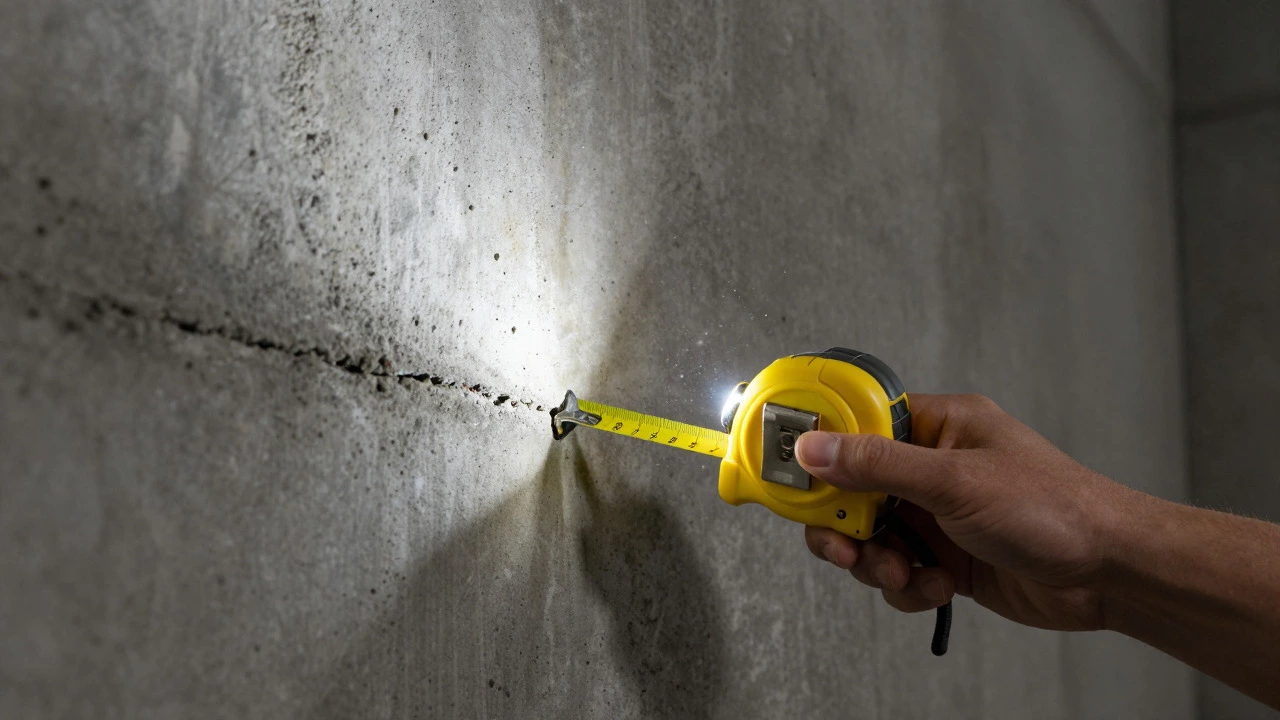
That hairline fracture in your basement wall isn't just an eyesore. It’s a warning sign. Most homeowners ignore small cracks until water starts seeping through during the first heavy rain, or worse, until the structure begins to shift. The truth is, there is no single "best" foundation crack repair method. The right solution depends entirely on what kind of crack you have, why it formed, and how much movement is still happening in your soil.
Picking the wrong fix can waste thousands of dollars and leave your home vulnerable. If you seal a settling crack with rigid epoxy, it will likely pop open again within a year. If you use flexible sealant on a static structural crack, you’re missing a chance to permanently bond the concrete back together. Let’s break down exactly how to diagnose the problem and choose the repair that actually works.
Identifying the Type of Crack
Before buying any materials or calling a contractor, you need to classify the crack. In foundation engineering, the study of how building foundations interact with soil loads, cracks are generally categorized by their shape, width, and direction. This classification dictates the repair strategy.
- Vertical Cracks: These are common in poured concrete walls and often result from normal shrinkage as the concrete cures. If they are less than 1/8 inch wide and not widening, they are usually cosmetic but should be sealed to prevent water intrusion.
- Horizontal Cracks: These are serious. They typically indicate hydrostatic pressure-soil pushing against the wall because of saturated ground. This requires structural reinforcement, not just sealing.
- Stair-Step Cracks: Found in block or brick foundations, these follow the mortar joints. Small ones may be due to settlement, but wide or shifting stair-step cracks suggest significant structural failure.
- Diagonal Cracks: Angled cracks at 45 degrees often signal differential settlement, where one part of the foundation sinks faster than another.
If you notice doors sticking, floors sloping, or windows that won’t close properly alongside these cracks, you have a structural issue that demands professional assessment immediately.
Epoxy Injection: The Rigid Bond
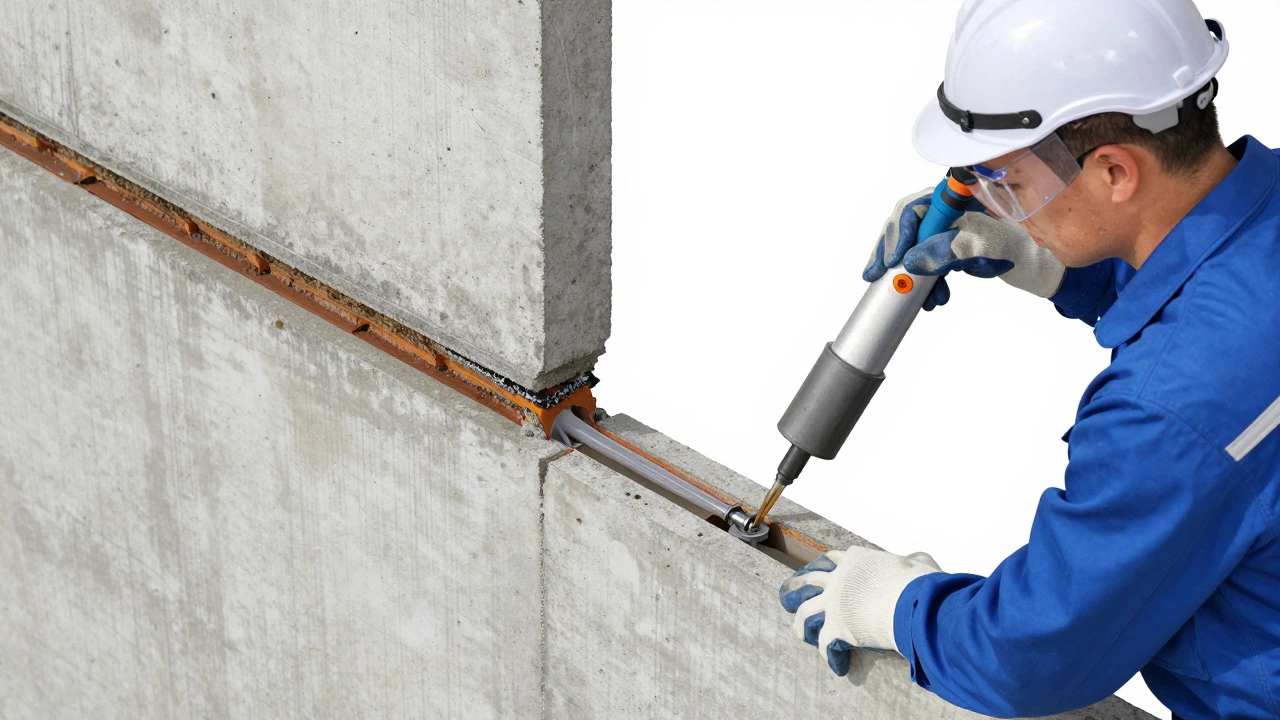
For non-moving cracks where the goal is to restore structural strength and stop water leakage, epoxy injection, a process using high-strength resin to bond concrete cracks is the industry standard. Epoxy is incredibly strong-often stronger than the concrete itself-and creates a rigid, impermeable seal.
This method works best for static cracks, meaning the foundation has finished settling and the crack is no longer growing. The process involves drilling ports into the crack at regular intervals, injecting low-viscosity epoxy under pressure, and allowing it to cure. Once hardened, the epoxy bonds the two sides of the concrete back together, effectively returning the wall to its original load-bearing capacity.
| Feature | Epoxy Injection | Polyurethane Foam |
|---|---|---|
| Strength | Very High (Structural) | Low (Flexible Seal) |
| Water Resistance | Good (Static Water) | Excellent (Active Leaks) |
| Movement Tolerance | Rigid (No Movement) | Flexible (Handles Shifts) |
| Cost | Moderate to High | Moderate |
| Best For | Structural Restoration | Waterproofing & Sealing |
The downside? Epoxy is brittle. If your foundation continues to settle or shift due to soil conditions, the epoxy will crack again. That’s why accurate diagnosis is critical before choosing this route.
Polyurethane Foam: The Flexible Seal
If water is actively leaking through your foundation, polyurethane foam injection, a waterproofing technique using expanding foam to seal cracks is often the superior choice. Unlike epoxy, polyurethane expands when it contacts water, chasing the leak source deep into the crack and filling voids completely.
This material remains flexible after curing, which means it can withstand minor movements in the foundation without breaking the seal. It’s ideal for active leaks, sump pump pits, and areas where the soil might still be settling slightly. However, it does not restore structural strength. If you need to reinforce the wall, polyurethane alone isn’t enough.
In Wellington, New Zealand, where our clay soils expand and contract significantly with seasonal rainfall, flexibility is key. Many local builders prefer polyurethane for perimeter sealing because it accommodates the natural heave and shrink of the earth beneath our homes.
When to Use Carbon Fiber Reinforcement
Sometimes, sealing the crack isn’t enough. If horizontal cracks are present or if the wall is bowing inward, you need to add tensile strength to hold the wall in place. This is where carbon fiber reinforcement, high-strength strips bonded to walls to resist lateral pressure comes into play.
Carbon fiber strips are lightweight, thin, and incredibly strong. They are epoxied directly to the foundation wall in vertical patterns. As the soil pushes against the wall, the carbon fiber resists the bending force, preventing further cracking or collapse. This is often used in conjunction with epoxy or polyurethane injection to both seal and strengthen the foundation.
It’s a less invasive alternative to steel I-beams, which require more space and heavier installation equipment. For most residential basements, carbon fiber offers a clean, effective solution for moderate to severe bowing.
Exterior Waterproofing and Drainage Solutions
Repairing the crack from the inside treats the symptom, not the cause. If water is pooling against your foundation, internal seals will eventually fail. The most robust long-term solution involves addressing exterior drainage.
This includes installing or repairing French drains, ensuring gutters direct water at least six feet away from the house, and grading the soil so it slopes away from the foundation. In some cases, excavating around the foundation to apply a waterproof membrane and install a perimeter drain system is necessary. While this is expensive and disruptive, it stops the hydrostatic pressure that causes cracks in the first place.

DIY vs. Professional Repair
Can you fix it yourself? For small, static, vertical cracks less than 1/8 inch wide, yes. You can clean the crack and apply a hydraulic cement patch or a self-leveling epoxy kit available at hardware stores. These are cost-effective for cosmetic fixes and minor moisture control.
However, DIY fails when structural integrity is at risk. If the crack is wider than 1/4 inch, horizontal, stair-step, or accompanied by door/window misalignment, call a professional. Structural repairs require precise calculations and specialized equipment. A botched DIY job can mask serious issues until they become catastrophic.
Cost Considerations and Longevity
Prices vary widely based on severity and location. Simple epoxy injections might cost between $300 and $800 per crack. Polyurethane waterproofing runs similar prices. Carbon fiber reinforcement can range from $8 to $15 per linear foot. Full exterior excavation and drainage solutions can exceed $5,000 to $10,000 depending on accessibility.
Investing in the correct repair method saves money over time. A cheap sealant that fails in two years costs more than a proper epoxy or carbon fiber install that lasts decades. Always ask for warranties. Reputable contractors stand behind their work with transferable guarantees.
Maintaining Your Foundation After Repair
Once repaired, monitor the area. Check for new cracks, especially after heavy rains. Maintain proper drainage around your home. Keep gutters clean. Avoid planting large trees too close to the foundation, as their roots can absorb massive amounts of water and cause soil shrinkage. Regular inspections every few years ensure your investment holds up.
How do I know if a foundation crack is serious?
A crack is serious if it is horizontal, wider than 1/4 inch, stair-step shaped in masonry, or if it is accompanied by sticking doors, sloping floors, or gaps around window frames. Vertical cracks less than 1/8 inch are usually cosmetic.
Is epoxy or polyurethane better for waterproofing?
Polyurethane is better for active water leaks because it expands on contact with water and remains flexible. Epoxy is better for stopping static moisture and restoring structural strength but is rigid and may crack if the foundation moves.
Can I repair a foundation crack myself?
You can repair small, static vertical cracks using DIY kits with hydraulic cement or epoxy. However, structural cracks, horizontal cracks, or those showing signs of movement require professional assessment and repair to ensure safety.
How long does foundation crack repair last?
Professional epoxy injections and carbon fiber reinforcements can last the lifetime of the home if the underlying soil issues are resolved. DIY surface patches may last only a few years before failing due to moisture or movement.
Does foundation crack repair increase home value?
Yes, repairing foundation issues removes a major red flag for buyers and inspectors. A documented, professionally repaired foundation provides peace of mind and can prevent price reductions during negotiations.