
Can I Paint a New Build? What You Need to Know Before You Roll Out the Brush
 Mar, 4 2026
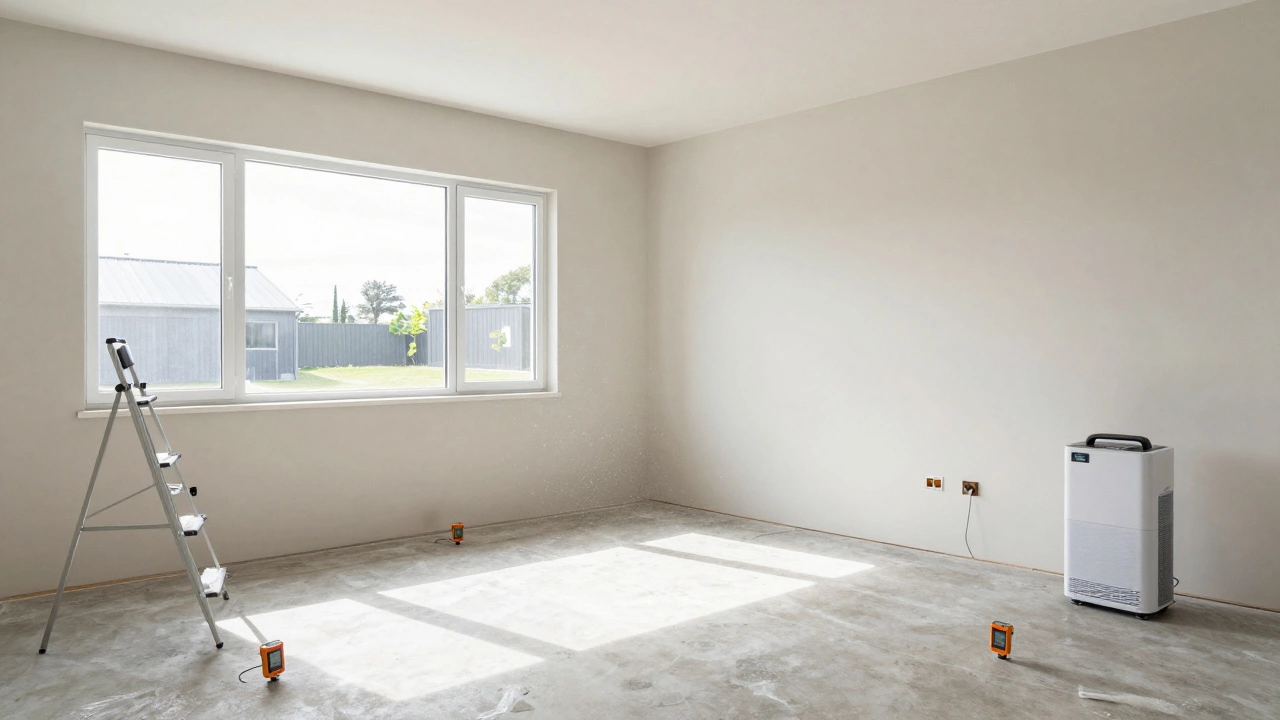
When you move into a brand-new home, everything feels fresh. The floors are clean, the walls are smooth, and the air still smells like sawdust and fresh paint. But here’s the question most new homeowners ask: Can I paint a new build? The answer isn’t just yes or no-it’s when, how, and why. Skip this step, and you risk peeling paint, trapped moisture, or even mold. Get it right, and your new home will look exactly how you want it to-without costly mistakes.
Why New Builds Need Time Before Painting
New homes aren’t ready to be painted the day you get the keys. Even if the builder says the walls are dry, they’re often only surface-dry. Behind the drywall, insulation, and framing, moisture from concrete slabs, plaster, and wood framing is still slowly escaping. This process, called off-gassing, can take weeks-or even months-depending on the climate and materials used.In Wellington, where damp winters and coastal humidity are common, this drying period is even more critical. A study by the Building Research Association of New Zealand found that homes painted before 90 days of construction completion had a 62% higher chance of paint failure within the first year. That’s not just a cosmetic issue-it can lead to hidden mold behind the walls.
What Happens If You Paint Too Soon?
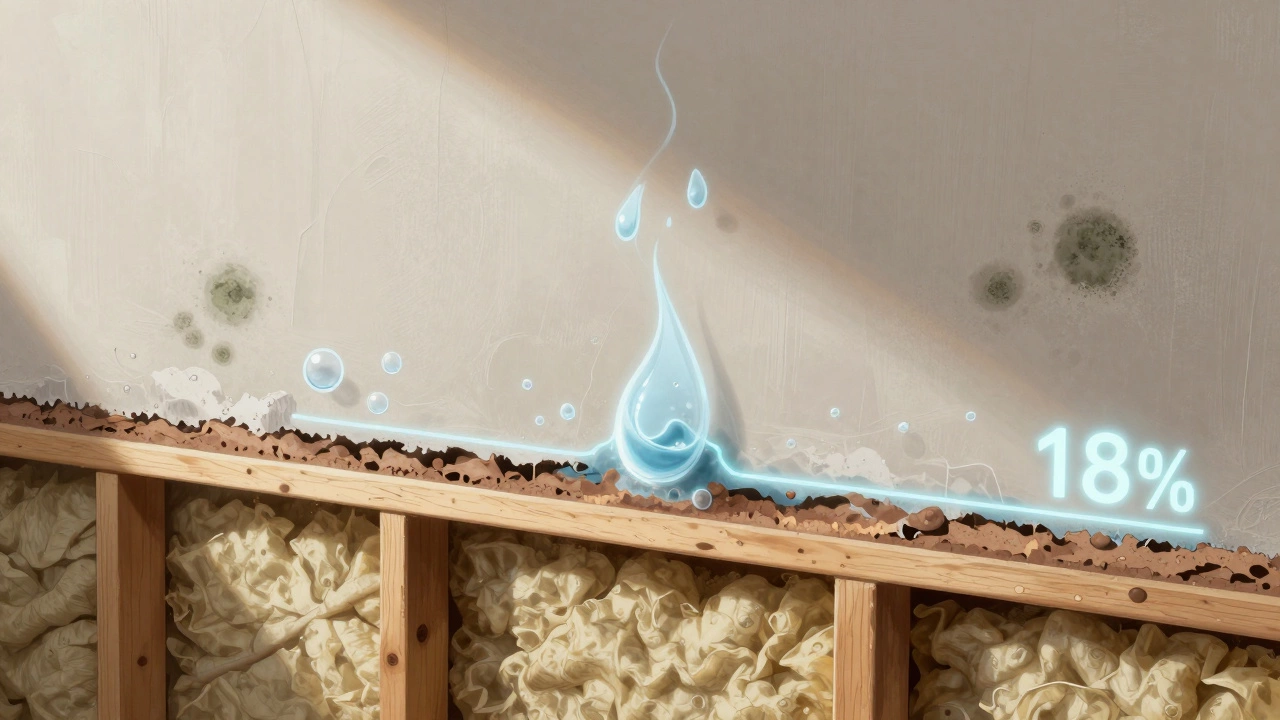
Painting too early traps moisture inside the walls. Water vapor tries to escape, but the paint layer acts like a sealant. Instead of evaporating, it gets pushed toward the surface, causing:- Bubbling or blistering paint
- Peeling along baseboards and corners
- Mold growth behind the paint
- Discoloration from mineral salts rising to the surface
One homeowner in Lower Hutt painted their new build just two weeks after move-in. Within six months, the ceiling in the hallway started peeling in large sheets. A contractor told them the plaster underneath was still at 18% moisture content-way above the 10% safe limit for painting. They had to strip all the walls and wait another six weeks before repainting.
How Long Should You Wait?
There’s no one-size-fits-all answer, but here’s a practical timeline based on New Zealand conditions:- Weeks 1-4: Let the structure dry out. Keep windows open when weather permits, run dehumidifiers, and use fans to move air through rooms.
- Weeks 5-8: Check moisture levels with a pinless moisture meter. Drywall should read under 10%. Concrete slabs need to be below 4%.
- Week 9-12: If all readings are good, you’re ready to prime. Use a high-quality acrylic primer designed for new construction.
- Week 12+: Apply your final paint coats. Use low-VOC, breathable paint for better moisture management.
Some builders include a one-time paint touch-up as part of the warranty. If yours does, wait until the 12-week mark to request it. That way, you’re not just fixing surface issues-you’re addressing the root cause.
What Paint Should You Use?
Not all paint is made equal on a new build. You need something that lets moisture breathe while still protecting the surface. Here’s what works best:- Primer: Use an acrylic latex primer like Zinsser 123 or Dulux Prepcoat. These bond well to new drywall and seal dust without trapping moisture.
- Topcoat: Choose a vapor-permeable paint. Brands like Benjamin Moore Aura or Resene SpaceCote Low Odour let water vapor pass through while resisting stains and mildew.
- Finish: Matte or eggshell finishes are best. They hide minor wall imperfections and are easier to touch up later.
Avoid oil-based paints. They create a tight seal that locks moisture in. Also skip cheap contractor-grade paint. It’s thinner, less durable, and often contains fillers that don’t hold up over time.
What About the Builder’s Paint?
Many builders apply a single coat of “builder’s paint”-usually a cheap, flat white meant to cover dust and give the house a finished look before inspection. Don’t assume this is your final paint job. In most cases, it’s not even a full coat. It’s designed to be stripped, not lived with.Even if you like the color, it’s rarely the right quality. Builder paint often lacks UV resistance, mildew inhibitors, and scrub durability. If you plan to keep it, you’re setting yourself up for yellowing, scuff marks, and fading within a year.
When You Can’t Wait 12 Weeks
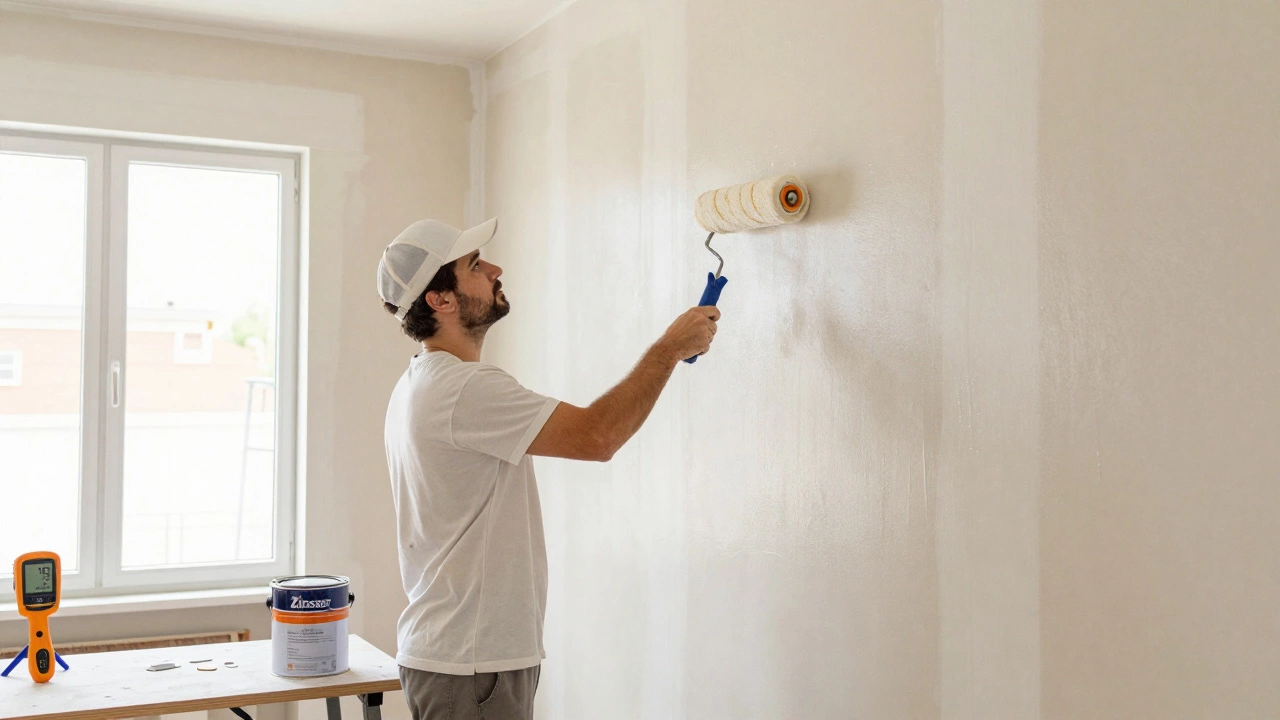
Life doesn’t always wait. Maybe you’re relocating for work. Maybe your lease is ending. You need to paint now. Here’s how to minimize risk:- Use a moisture meter. Don’t guess. Buy one for under $50 at Bunnings or Mitre 10.
- Apply a stain-blocking primer first. This gives you a barrier against moisture and tannin bleed.
- Paint in dry, warm weather. Avoid winter months unless you can control indoor humidity.
- Use only two coats of paint, not three. Less paint = less chance of trapping vapor.
- Open windows daily. Even in winter, let fresh air in for an hour each morning.
One family in Porirua painted at 8 weeks because they had a baby on the way. They used a high-performance primer and kept the house ventilated. Two years later, their walls are still clean and intact. It’s not ideal-but it’s doable with the right tools.
What Else Should You Check?
Painting isn’t the only thing to watch out for. Before you roll out the brush, inspect these areas:- Windowsills: Are they sealed properly? Water pooling here causes rot under paint.
- Baseboards: Are they tightly fitted? Gaps let moisture creep behind.
- Electrical outlets: Are they flush with the wall? Paint builds up in recesses and cracks.
- Ceiling joints: Are the drywall seams taped and sanded? Poor taping leads to cracking after painting.
Take photos of any issues before you start painting. That way, if something goes wrong later, you can show your builder and request repairs under warranty.
Final Thoughts
Painting a new build isn’t about rushing to make it look like home. It’s about protecting your investment. Waiting 12 weeks isn’t a hassle-it’s smart construction hygiene. The longer you wait, the fewer repairs you’ll need later. And in a climate like New Zealand’s, where dampness is a constant companion, that patience pays off in spades.Don’t let the builder’s timeline dictate your paint schedule. Use moisture readings, not calendars, to decide when you’re ready. And when you do paint, choose quality over speed. Your walls-and your peace of mind-will thank you.
Can I paint a new build immediately after moving in?
No. Even if the walls feel dry, moisture trapped in walls, insulation, and concrete slabs can take up to 12 weeks to fully escape. Painting too soon causes bubbling, peeling, and mold. Wait until moisture readings are below 10% on drywall and 4% on concrete.
What’s the best paint for a new build in New Zealand?
Use a high-quality acrylic primer like Zinsser 123 or Dulux Prepcoat, followed by a vapor-permeable topcoat such as Benjamin Moore Aura or Resene SpaceCote Low Odour. These allow moisture to escape while resisting mildew and stains-critical in damp climates like Wellington’s.
Do I need to prime before painting a new build?
Yes. New drywall is porous and absorbs paint unevenly. Primer seals the surface, creates a uniform base, and prevents stains from bleeding through. Skipping primer leads to patchy coverage and more coats needed-wasting time and money.
How do I check if my walls are dry enough to paint?
Use a pinless moisture meter. Place it flat against the drywall in several spots-corners, ceilings, and near windows. Readings below 10% mean it’s safe to prime. For concrete slabs, aim under 4%. If you don’t have a meter, wait at least 12 weeks after construction ended.
Is builder’s paint good enough to keep?
No. Builder’s paint is usually a single, low-quality coat meant only for inspection. It lacks durability, UV resistance, and mildew protection. Even if you like the color, it will fade, scuff, and peel within a year. Always repaint with a proper system.