
Do Older Homes Have Foundation Problems? Signs, Causes & Costs
 Jul, 12 2026
Foundation Crack Analyzer & Estimator
Click on the crack type that matches what you see in your home.
Thin vertical lines in drywall/plaster
Cracks following mortar joints in brick/block
45-degree angles from door/window corners
Found in basement walls (Urgent)
Daylight around frames or doors won't latch
Select a crack type to analyze severity and estimated costs.
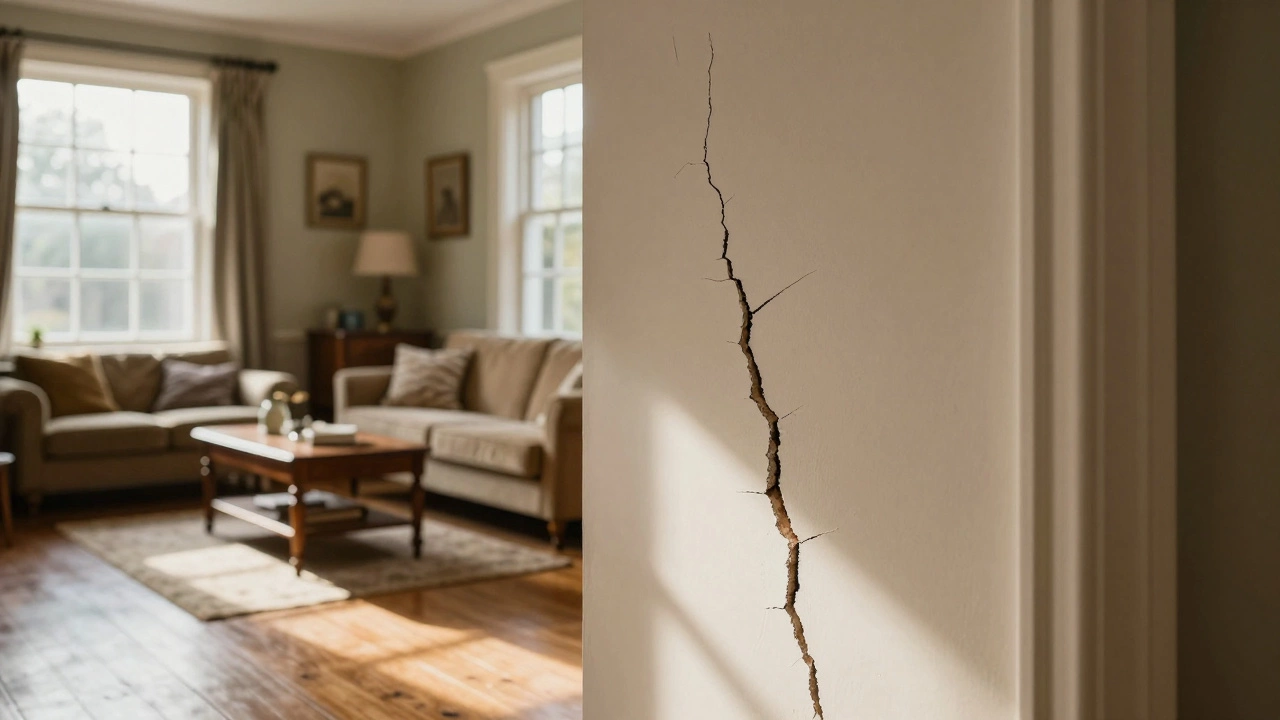
You stand in the corner of your living room, staring at that jagged crack running up the plaster. It’s not just a hairline fracture; it looks like someone took a knife to the wall. You bought this charming 1920s bungalow because of the hardwood floors and the character, but now you’re wondering if the house is literally falling apart from the bottom up. The question on every homeowner’s mind when they buy an older property is simple: do most older homes have foundation problems?
The short answer is yes, but with a massive asterisk. Most older homes have *some* degree of foundation movement. That doesn’t mean your house is doomed or requires a six-figure repair bill immediately. It means the earth beneath your home has shifted, the wood has dried out, and the soil has settled over decades. Understanding the difference between normal aging and dangerous structural failure is the key to sleeping soundly at night.
Why Age Matters for Foundations
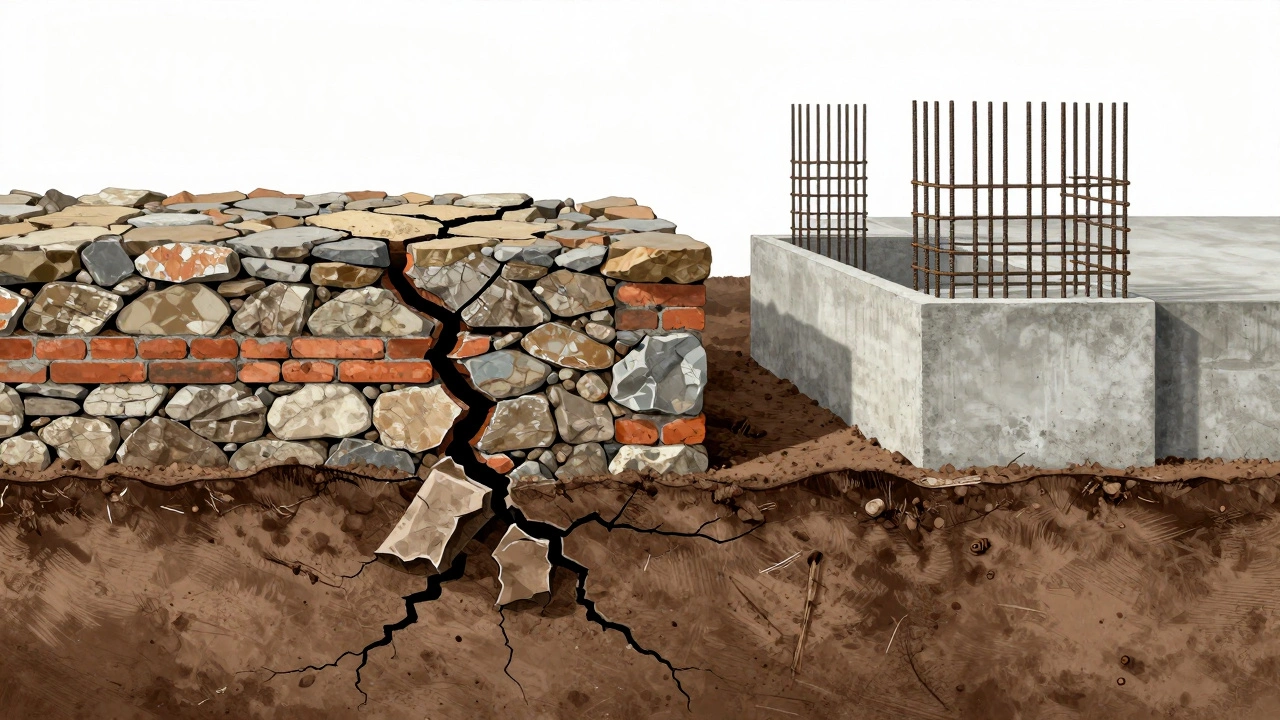
To understand why older homes are prone to issues, you have to look at how they were built versus how we build today. In the early 20th century, construction standards were different. Stone foundations and brick masonry walls without steel reinforcement were common. These materials are strong in compression but weak in tension. If the ground shifts even slightly, stone cracks. Brick crumbles.
Modern homes use reinforced concrete. Steel rebar inside the concrete handles the tension, allowing the foundation to flex slightly without breaking. Older homes lack this flexibility. They are rigid. When the soil expands or contracts, the foundation can’t move with it, so it breaks instead. This is why a 50-year-old house might show more distress than a 5-year-old house in the same neighborhood.
Another factor is the soil itself. Soil isn't static. It changes based on moisture content, tree roots, and temperature. Over 50 or 60 years, trees grow larger, their roots dig deeper, and they suck more water from the soil under your foundation. This creates voids. When those voids form, the foundation sinks into them. This process, known as differential settlement, is the primary enemy of older structures.
Normal Settling vs. Structural Damage
Not all cracks are created equal. Every house settles when it is first built. This is called uniform settlement. The entire house drops evenly into the ground. This usually happens within the first few years of construction and causes minor hairline cracks in drywall or plaster. These are cosmetic. They are annoying, but they aren’t dangerous.
Structural damage, however, comes from differential settlement. This is when one part of the house sinks faster than another. How do you tell the difference? Look at the geometry of the crack.
- Hairline cracks: Thin, vertical lines in drywall or plaster. Usually caused by drying shrinkage or minor settling. Safe to patch.
- Stair-step cracks: Cracks in brick or block that follow the mortar joints. This indicates movement in masonry. Monitor closely.
- Diagonal cracks: Cracks running at a 45-degree angle from door or window corners. This suggests the frame is twisting. A red flag.
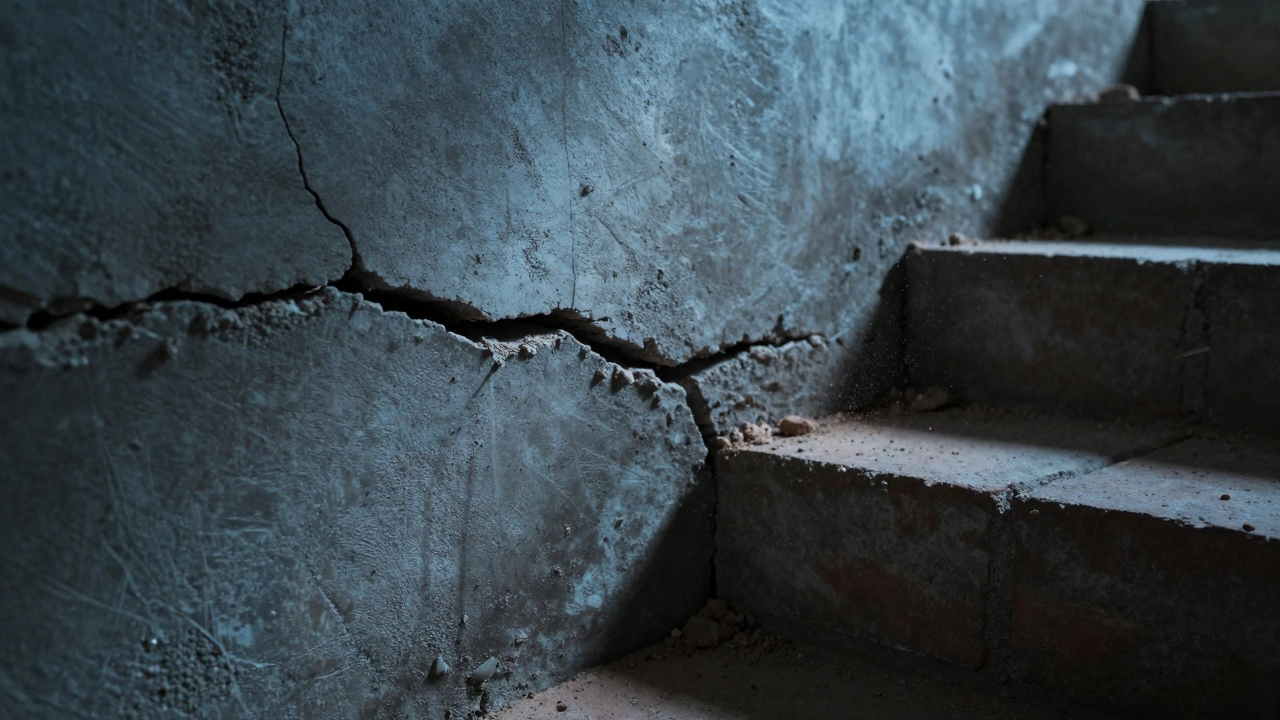
- Horizontal cracks: Found in basement walls. This often indicates hydrostatic pressure from soil pushing against the wall. Urgent attention needed.
- Gaps around windows/doors: If you see daylight around the frame or doors stick consistently, the opening has distorted. The structure is moving.
If you see horizontal cracks in a basement wall or diagonal cracks wider than 1/4 inch, stop looking and call a professional. These are signs that the load-bearing capacity of your foundation is compromised.
The Role of Soil and Climate
Your location plays a huge role in foundation health. In regions with clay soil, the problem is expansion and contraction. Clay swells when wet and shrinks when dry. Imagine your foundation sitting on a sponge. When it rains, the sponge puffs up, lifting the house. When it’s hot and dry, the sponge shrinks, letting the house drop. This constant up-and-down motion stresses the foundation beyond its limits.
In areas with expansive soils, like parts of Texas or Arizona, this cycle is brutal. But even in temperate climates, poor drainage is the culprit. Water is the number one enemy of foundations. If gutters dump water directly next to the foundation, or if the grading slopes toward the house, water saturates the soil. Saturated soil loses strength. It can no longer support the weight of the house effectively. This leads to sinking.
Tree roots are another silent killer. Large trees planted too close to the house act like straws, pulling moisture from the soil. This dries out the clay, causing it to shrink. The result? A void under the foundation. As the foundation sinks into that void, cracks appear. Removing the tree stops the damage but doesn't fix the hole. You’ll likely need repair to lift the foundation back up.
| Issue Type | Cause | Risk Level | Typical Fix |
|---|---|---|---|
| Hairline Drywall Cracks | Drying shrinkage, minor settling | Low | Patch and paint |
| Stair-Step Masonry Cracks | Movement in brick/block | Medium | Epoxy injection or carbon fiber straps |
| Horizontal Basement Cracks | Hydrostatic pressure | High | Wall anchors or tiebacks |
| Sinking Slab | Void formation, erosion | High | Mudjacking or pier installation |
| Rotting Wooden Sill Plates | Moisture intrusion | Medium-High | Wood replacement, moisture barrier |
How Much Does Foundation Repair Cost?
This is the question that keeps homeowners awake. The cost varies wildly depending on the severity of the issue and the method required. For minor cracks, epoxy injection might cost between $250 and $500 per crack. It’s a cosmetic and sealing fix, not a structural one.
If you need to stabilize a bowing basement wall, expect to pay $3,000 to $7,000 for wall anchors or carbon fiber straps. This prevents the wall from collapsing inward but doesn't necessarily straighten it perfectly.
Major structural repairs, like installing helical piers or push piers to lift a sinking foundation, are expensive. These projects typically range from $10,000 to $30,000 or more. The price depends on the number of piers needed, the depth of the stable soil layer, and accessibility. If your house has a slab foundation, mudjacking (lifting the slab with concrete slurry) is cheaper, around $3 to $6 per square foot, but less durable than piers.
Don’t be surprised by hidden costs. Once you open up the foundation, you might find rotting sill plates, termite damage, or outdated electrical wiring. These ancillary repairs add to the bill. Always get a detailed quote that includes contingency for unexpected findings.
When to Call a Professional
You don’t need an engineer for every crack. However, you do need one if you see any of the following:
- Doors or windows that stick or won’t latch. This indicates the frame has warped due to movement.
- Floors that slope noticeably. Place a marble on the floor. If it rolls consistently to one side, your floor is uneven.
- Cracks in the foundation itself. Not just the drywall above it, but the concrete or stone below grade.
- Gaps between the wall and the ceiling or floor. This shows significant separation of structural elements.
- Bowing or leaning basement walls. Even a slight curve is a sign of immense pressure.
A structural engineer will provide a report detailing the cause of the movement and recommended repairs. This report is crucial if you plan to sell the home. Buyers will want to know that the issue has been diagnosed by a neutral third party, not just a contractor who wants to sell you a repair job.
Maintenance Tips for Older Homes
Prevention is cheaper than cure. You can extend the life of your foundation with simple maintenance habits.
- Manage water. Keep gutters clean. Extend downspouts at least 6 feet away from the foundation. Ensure the ground slopes away from the house.
- Plant wisely. Avoid planting large trees within 10-15 feet of the foundation. Small shrubs are fine, but keep them from touching the siding.
- Monitor cracks. Put a piece of tape across new cracks. If the tape breaks or the gap widens, document it with photos and dates.
- Check plumbing. Leaking pipes under the slab can erode soil and cause voids. Watch for unexplained spikes in your water bill.
- Control humidity. Use dehumidifiers in basements to prevent condensation, which can weaken masonry and promote mold.
Older homes have soul, charm, and history. They also have quirks. Foundation movement is one of those quirks. By understanding what’s normal and what’s not, you can protect your investment without panic. Regular inspections and proactive water management go a long way. If you do need repairs, address them early. Small fixes today save thousands tomorrow.
Is it safe to live in a house with foundation cracks?
It depends on the type and size of the cracks. Hairline cracks in drywall are generally safe and cosmetic. However, wide diagonal cracks, horizontal cracks in basement walls, or cracks accompanied by sticking doors indicate structural movement. In these cases, consult a structural engineer before assuming safety. Severe structural compromise can pose a risk of partial collapse, though this is rare.
Can foundation problems be fixed permanently?
Most foundation problems can be stabilized permanently. Methods like helical piers transfer the weight of the house to stable soil layers deep underground, preventing further sinking. While the cracks may remain visible, the movement stops. Proper drainage and maintenance are essential to ensure the repair lasts. No repair is truly "permanent" without ongoing care of the surrounding soil and water management.
Does home insurance cover foundation damage?
Standard home insurance policies rarely cover foundation damage caused by settling, wear and tear, or soil movement. Coverage is typically limited to sudden, accidental events like a sinkhole caused by a specific incident or damage from a burst pipe. Some insurers offer separate endorsements for foundation coverage, but these are expensive and have strict terms. Always check your policy details.
How long does foundation repair take?
Minor repairs like crack injection can be done in a day. Major repairs involving piers or wall anchors typically take 3 to 7 days, depending on the size of the home and weather conditions. If interior finishing work is needed after the structural repair is complete, add several more days. Delays can occur if unforeseen issues like rot or pest damage are discovered during the process.
Will foundation repair increase my home's value?
A properly repaired foundation restores marketability. A house with an unrepaired structural defect is very difficult to sell. Once the issue is resolved and documented by a professional engineer, the home becomes viable again. While you may not recoup 100% of the repair cost in resale value, you avoid having to lower the asking price significantly to offload a problematic property.