
How Much Does It Cost to Build a $3,000 Sq Ft House in Michigan? (2026 Guide)
 Jun, 29 2026
Michigan Home Build Cost Estimator (2026)
Estimated Total Cost
Projected Range:
Cost Breakdown
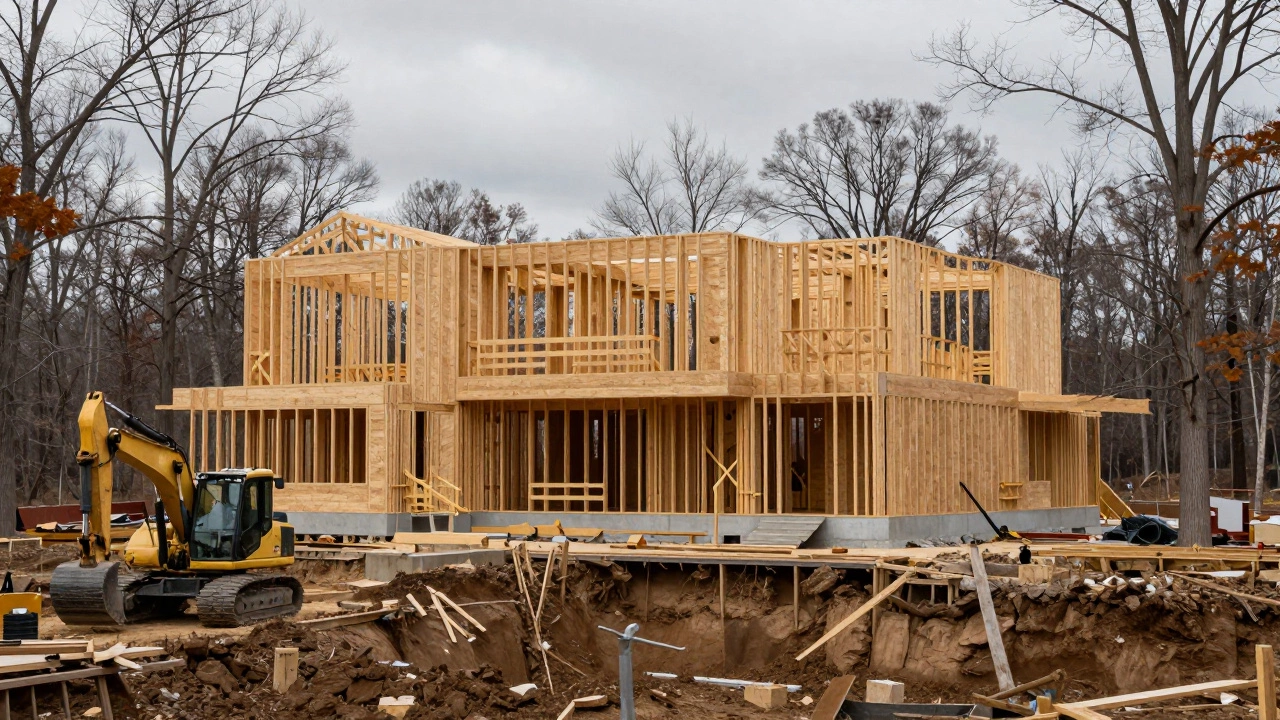
Building a 3,000 sq ft house is a substantial residential construction project that typically ranges from $450,000 to over $900,000 depending on finishes and location in Michigan isn't just about buying land and pouring concrete. It’s a complex financial puzzle involving labor shortages, material volatility, and regional zoning laws. If you’re standing on a plot of land in Ann Arbor or Grand Rapids wondering what the final bill will look like, you need more than a guess. You need a breakdown.
In 2026, the average cost to build a custom home in Michigan hovers between $150 and $300 per square foot. For a 3,000-square-foot footprint, that puts your base construction budget somewhere between $450,000 and $900,000. But "base" doesn’t cover permits, landscaping, or the inevitable change orders. Let’s strip away the marketing fluff and look at where your money actually goes.
The Real Price Per Square Foot in Michigan
When contractors quote you a price per square foot, they are usually talking about hard costs only. This includes materials and labor for the structure itself. In Michigan, this number fluctuates heavily based on whether you are building in the metro areas of Detroit, Grand Rapids, or Lansing versus rural Upper Peninsula or Lower Peninsula counties.
| Finish Level | Cost Per Sq Ft | Total for 3,000 Sq Ft | What You Get |
|---|---|---|---|
| Production/Builder Grade | $150 - $180 | $450,000 - $540,000 | Standard vinyl siding, laminate counters, basic fixtures, carpet in bedrooms. |
| Semi-Custom | $180 - $250 | $540,000 - $750,000 | Better insulation, quartz countertops, hardwood floors, upgraded windows, minor layout changes. |
| High-End Custom | $250 - $350+ | $750,000 - $1,050,000+ | Smart home tech, high-efficiency HVAC, premium stone/masonry, custom cabinetry, luxury bathrooms. |
Notice how quickly the numbers climb. A "semi-custom" build might sound reasonable, but those small upgrades-like swapping vinyl for brick veneer or choosing engineered hardwood over LVP (Luxury Vinyl Plank)-add up fast. In 2026, labor costs in Michigan have risen by approximately 8% compared to 2023 due to persistent skilled trade shortages. This means the human element of your build is now a larger chunk of your pie chart than it was three years ago.
Hidden Costs That Blow Up Budgets
The biggest mistake homeowners make is focusing solely on the structure. They forget that a house needs to be connected to the world. These "soft costs" and site-specific expenses can add 15% to 25% to your total project cost.
- Land Preparation: If your lot is wooded or has poor soil, expect to pay $10,000 to $30,000 for clearing, grading, and excavation. Michigan clay soils often require deeper foundations, increasing concrete costs.
- Permits and Fees: Building permits in Michigan vary by municipality. In cities like Ann Arbor or Traverse City, permit fees can exceed $5,000. Don't forget impact fees for schools and infrastructure, which can range from $10,000 to $25,000 depending on the local government.
- Utilities Connection: Bringing electricity, water, sewer, and gas to the site is not included in most general contractor bids. A simple tap into an existing municipal line might cost $2,000. Extending a septic system or drilling a well in rural areas can cost $15,000 to $40,000.
- Architectural and Engineering Plans: Unless you are using stock plans, hiring an architect costs between $2,500 and $8,000. Structural engineering stamps are mandatory in many Michigan counties and add another $1,500 to $3,000.
These aren't optional extras; they are prerequisites. If you don't budget for them upfront, you will have to cut corners on the actual house structure later.
Material Costs: What's Driving the Price Up?
Construction materials are commodities, and their prices swing with global supply chains. In 2026, lumber prices have stabilized somewhat after the pandemic spikes, but steel and copper remain volatile. Here is how specific materials impact your 3,000 sq ft budget:
Lumber is the primary structural material for framing walls, floors, and roofs in residential construction. For a 3,000 sq ft home, you will use roughly 10,000 board feet of dimensional lumber. If lumber prices spike by even $100 per thousand board feet, your frame costs jump by $1,000 overnight. Framing alone typically accounts for 10% to 15% of your total construction budget.
Concrete is used for foundations, slabs, and driveways, requiring significant volume for Michigan's frost-line depths. Michigan requires foundations to go below the frost line (typically 42 to 48 inches) to prevent heaving. This means more concrete and more rebar. A standard basement foundation for a 3,000 sq ft home can cost between $40,000 and $60,000 if you include waterproofing and drainage systems.
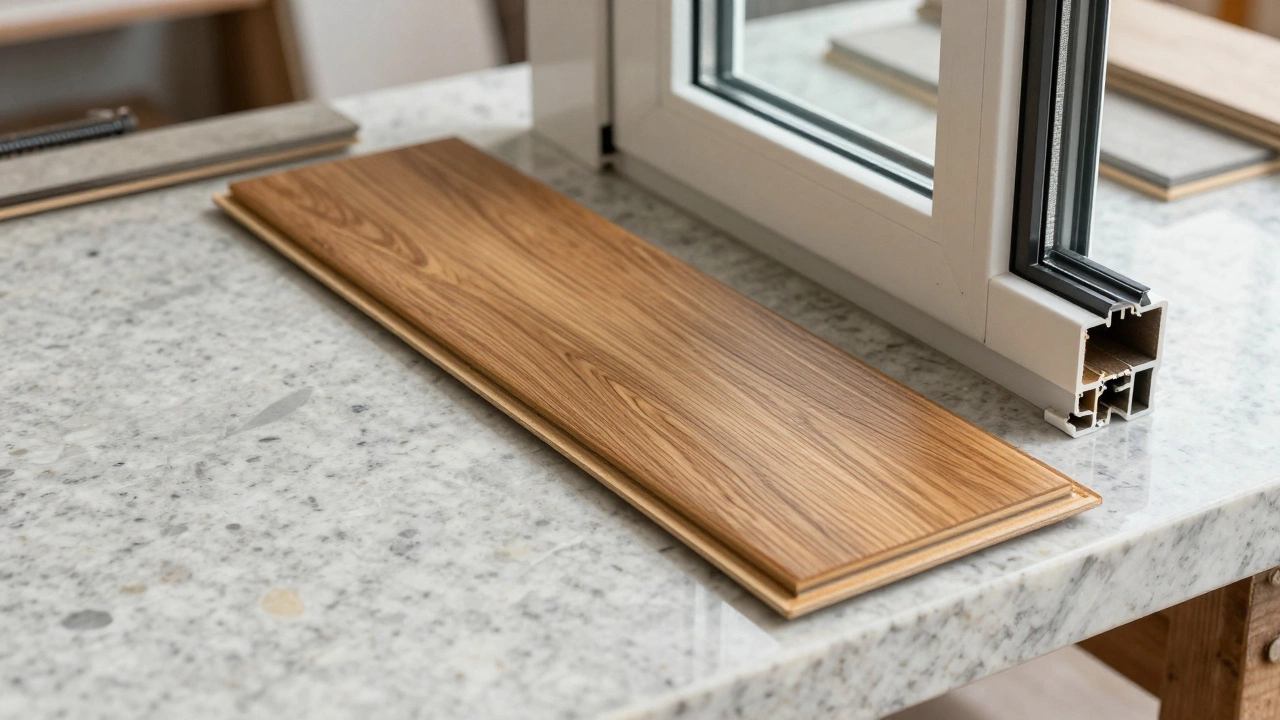
Windows and Doors are critical for energy efficiency and aesthetics, ranging from basic vinyl to custom wood-clad units. Energy codes in Michigan have tightened. You cannot just buy cheap aluminum windows anymore. High-performance double-pane or triple-pane windows with low-E coatings are now standard. Expect to spend $15,000 to $30,000 on windows for a home this size.
Location Matters: Metro vs. Rural Michigan
Where you build changes everything. Labor rates in Washtenaw County (Ann Arbor) are significantly higher than in rural Alger County. Additionally, urban lots are smaller and often come with stricter setback requirements, forcing builders to construct vertically rather than horizontally. Building up is more expensive per square foot because it requires stronger structural supports and more complex crane work.
In contrast, rural builds might have cheaper labor, but they lack infrastructure. If you are building off-grid or semi-off-grid, you are paying a premium for portability. Hauling materials to a remote site adds transportation costs that urban projects don't face. Always factor in a 10% location premium if you are building in a high-demand metro area like Grand Rapids or the Detroit suburbs.
Financing Your Build: The Cash Flow Trap
You don't pay for a new build all at once. Most people use a Construction Loan is a short-term loan used to finance the initial construction of a house, converting to a mortgage upon completion. These loans disburse funds in stages called draws. However, interest accrues on the entire loan amount from day one, even though you haven't spent all the money yet. This "interest-only" period can eat into your contingency fund.
For a $600,000 build, carrying costs (interest, taxes, insurance) during a 12-month construction period can easily reach $30,000 to $40,000. Make sure your lender understands this timeline. Some lenders offer "construction-to-permanent" loans that lock in your rate early, protecting you from rising interest rates during the build phase.
Contingency Planning: The Safety Net
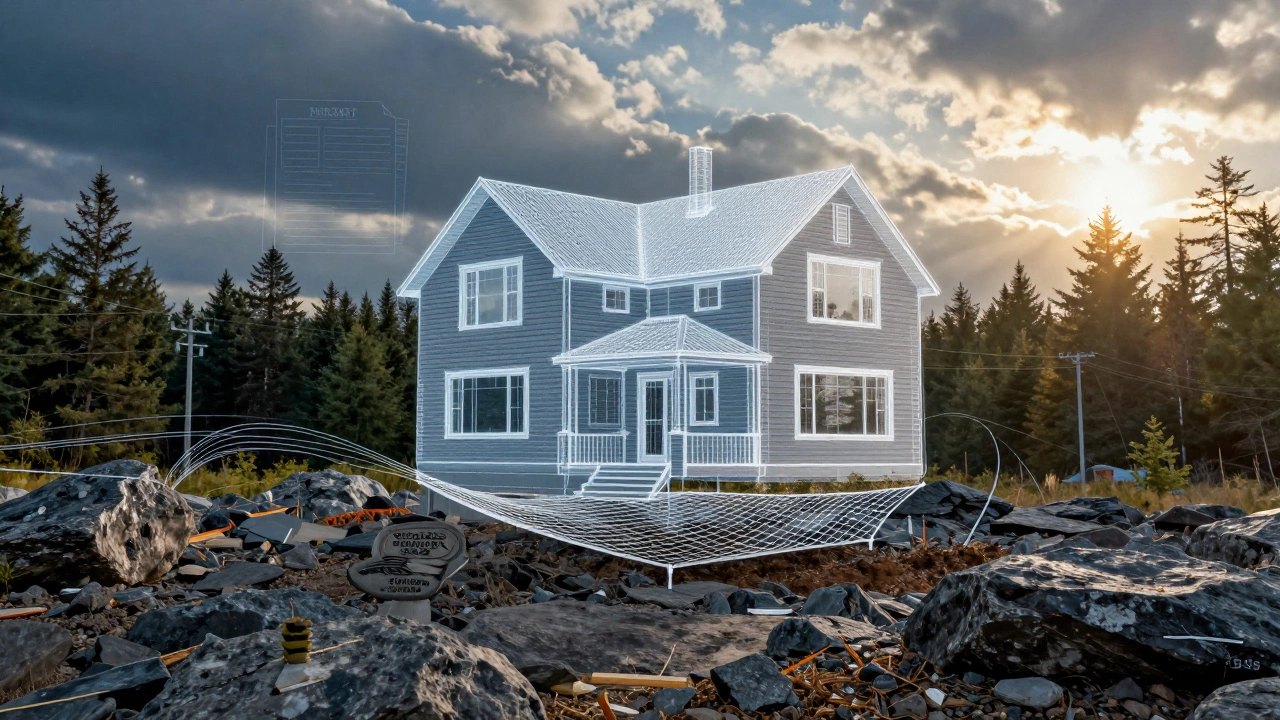
No matter how detailed your plans are, something will go wrong. A hidden rock formation under the foundation, a delay in window shipments, or a change in heart regarding kitchen tile choices. Industry standard dictates a 10% to 20% contingency fund. For a $600,000 project, that’s $60,000 to $120,000 sitting in reserve. Do not view this as money you will save; view it as money you will likely spend to keep the project moving smoothly.
Next Steps for Your Michigan Build
If you are serious about building a 3,000 sq ft home in Michigan in 2026, start by getting a geotechnical report on your land. Knowing your soil type before you hire an architect saves thousands in redesign fees. Then, interview three local general contractors who specialize in custom homes, not just production subdivisions. Ask for their recent job sites and talk to the previous owners. Finally, secure pre-approval for a construction loan that includes a buffer for soft costs. With careful planning, you can build a high-quality home without going bankrupt.
Is it cheaper to build or buy in Michigan in 2026?
It depends on the neighborhood. In high-end areas, building can be cheaper than buying a comparable existing home because you avoid realtor commissions and closing costs. However, in older neighborhoods with established inventory, buying may be less expensive if you are willing to renovate. Generally, building offers better long-term value and energy efficiency, but the upfront cash requirement is higher.
How long does it take to build a 3,000 sq ft house in Michigan?
Typically 12 to 18 months. Winter weather in Michigan can pause exterior work like framing and roofing, so starting in spring is ideal. Delays in material delivery or permit approvals can extend this timeline significantly.
What are the biggest cost drivers in new home construction?
The top three cost drivers are labor, site preparation, and interior finishes. Labor accounts for 30-40% of the budget. Site prep varies wildly based on terrain. Finishes like kitchens and bathrooms are where budgets often blow out due to upgrade creep.
Do I need an architect to build a custom home?
Not legally, but practically, yes. While you can use stock plans, a custom 3,000 sq ft home benefits greatly from professional design to ensure flow, efficiency, and compliance with Michigan building codes. Architects also help manage the bidding process and oversee construction quality.
How much should I budget for landscaping?
Basic landscaping (grass, shrubs, driveway) costs $10,000 to $20,000. High-end landscaping with patios, irrigation, and mature trees can exceed $50,000. This is rarely included in the general contractor's base bid.