
How to Save Money on Bathroom Renovation: A Practical Guide for 2026
 Jun, 21 2026
Bathroom Renovation Savings Calculator
1. Base Budget
Based on a mid-range renovation average.
2. Select Strategies
Estimated Total Savings
New Estimated Cost: $15,000
- Select strategies on the left to see breakdown.
Walking into a cramped, outdated bathroom can feel like a daily chore. You know it needs an update, but the moment you hear the word "renovation," your wallet starts sweating. It’s easy to assume that turning a tired space into a modern sanctuary requires a fortune. The truth? You don’t need to break the bank to get a beautiful result. In fact, most homeowners overspend because they chase trends or hire professionals for tasks they could easily handle themselves.
Whether you are in Wellington dealing with older housing stock or anywhere else, the principles of saving money remain the same. By focusing on smart design choices, strategic DIY work, and careful material selection, you can cut costs significantly without sacrificing quality. Here is how you can keep your budget intact while still getting the bathroom upgrade you deserve.
Stick to the Existing Layout
The single biggest expense in any bathroom renovation is moving plumbing. When you move a toilet, shower, or sink, you are paying for two things: the physical materials (pipes, drains) and the labor hours of a licensed plumber. Plumber rates have risen steadily, making this one of the fastest ways to blow your budget.
Why is moving plumbing so expensive?
Moving plumbing requires breaking through walls or floors, rerouting pipes, ensuring proper slope for drainage, and then repairing the structure. It involves multiple trades and significant labor time.
Instead, look at what you already have. Can you improve the flow by changing the door swing direction? Can you replace a bulky vanity with a slimmer one to create more floor space? Keeping the wet areas (shower, tub, toilet) in their current locations allows you to focus your budget on aesthetics rather than structural changes. If your layout feels awkward, try rearranging furniture or using visual tricks like mirrors to make the space feel larger before calling a contractor to move a wall.
Refinish Instead of Replace
We often think in binary terms: either we keep the old bathtub or we buy a new one. But there is a middle ground called refinishing. If your existing bathtub or tiles are structurally sound but just look dated, refinishing them can cost a fraction of replacement.
- Tub Refinishing: A professional epoxy coating can turn a yellowed fiberglass tub into a pristine white surface for a few hundred dollars, compared to thousands for a new installation.
- Tile Painting: Specialized tile paints exist that adhere to ceramic surfaces. While not as durable as real grout, they offer a fresh look for low-traffic areas or backsplashes.
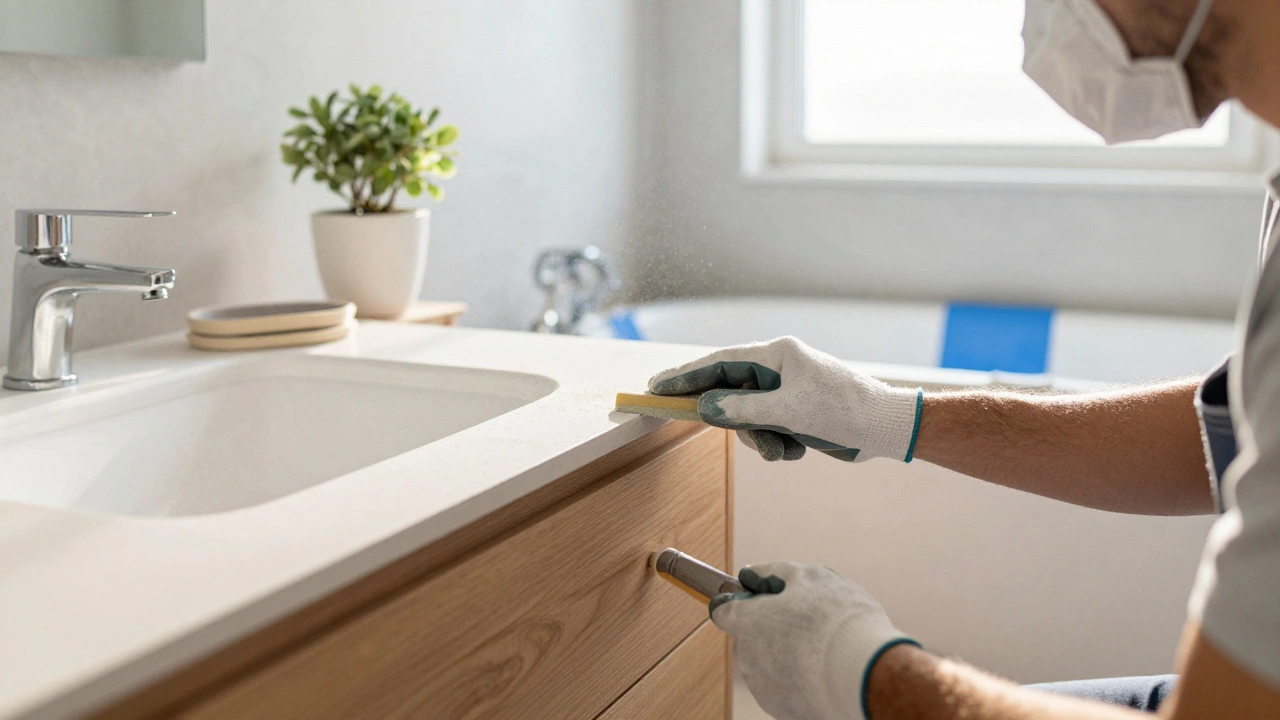
- Cabinet Refacing: Instead of ripping out wooden cabinets, sand them down, paint them, and swap the hardware. New handles instantly modernize the look.
This approach works best when the underlying structure is solid. If you have leaks or mold, those issues must be fixed first. But for purely cosmetic updates, refinishing is your best friend.
Choose Cost-Effective Materials That Look Premium
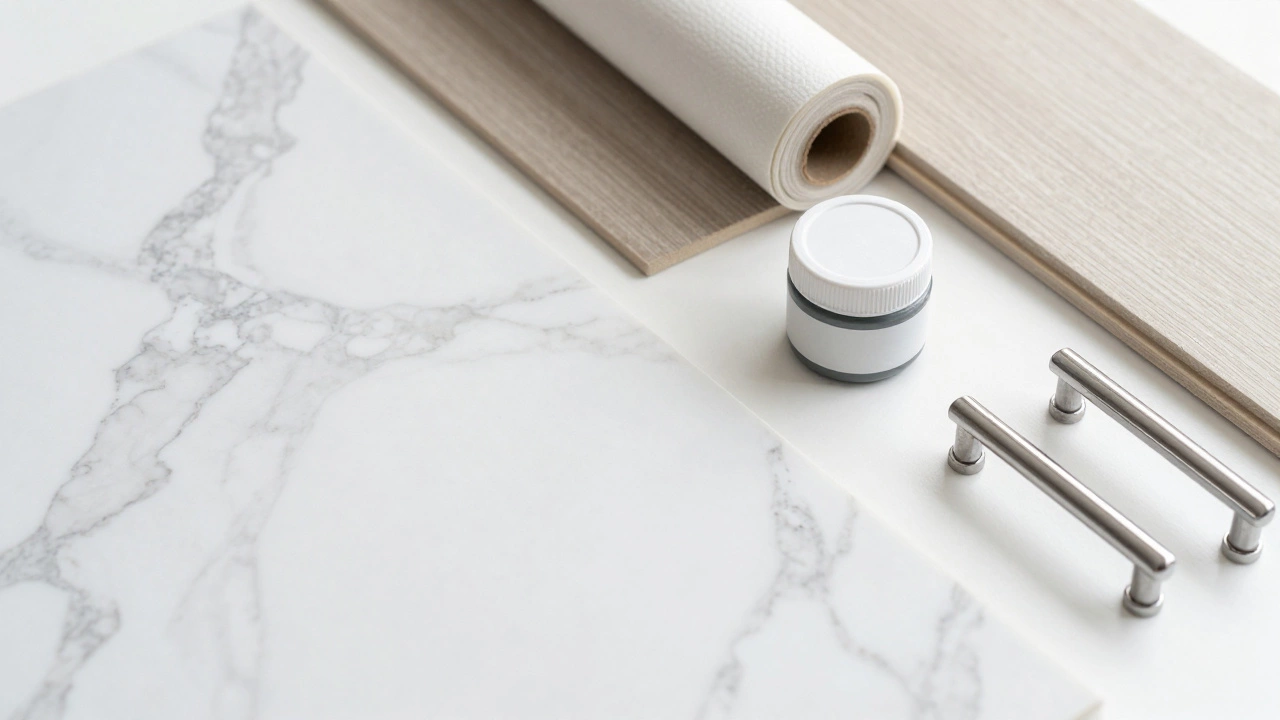
You don’t need natural stone or imported marble to achieve a high-end look. Modern manufacturing has created materials that mimic luxury finishes at a fraction of the price.
| Material Type | Approximate Cost Level | Durability | Maintenance |
|---|---|---|---|
| Natural Marble | Very High | Medium (stains easily) | High (sealing required) |
| Porcelain Slabs | Medium-High | High | Low |
| Ceramic Tile | Low-Medium | High | Low |
| Laminate Countertops | Low | Medium | Low |
| Vinyl Flooring (LVT) | Low | High (waterproof) | Very Low |
Porcelain tile is a versatile option that mimics stone and wood with high durability and water resistance. It is often priced similarly to mid-range ceramic but offers better performance. For flooring, consider Large Format Tiles. Fewer grout lines mean less cleaning and a more seamless, modern appearance. For countertops, quartz composites are durable, but high-quality laminates have improved dramatically. They resist scratches and heat better than older versions and come in realistic stone patterns.
DIY Where It Makes Sense
Labor costs typically account for 40% to 50% of a renovation budget. Identifying which tasks you can safely do yourself is crucial. You don’t need to be a master builder to save money here.
- Demolition: Removing old vanities, toilets, and non-load-bearing partitions is straightforward. Wear safety gear, bag up debris, and dispose of it properly.
- Painting: Bathrooms require moisture-resistant paint. Prepping the walls (sanding, priming) and applying a high-quality semi-gloss finish is a weekend project for most homeowners.
- Installing Accessories: Hanging towel bars, mirrors, and shelves requires basic tools. Ensure you hit studs for heavy items.
- Grouting: If you lay simple tiles, doing the grouting yourself saves significant labor. It’s messy but rewarding.
However, know your limits. Never DIY electrical work or complex plumbing modifications. Hiring a licensed electrician or plumber for these critical systems ensures safety and compliance with building codes, preventing costly fixes later.
Buy Smart: Timing and Sources
Where and when you buy materials matters. Showroom prices include overhead costs. Explore alternative sources:
- Overstock and Clearance: Home improvement stores often have clearance sections for discontinued colors or models. These are usually identical in quality to current stock.
- Online Retailers: Comparing prices online can reveal significant savings on fixtures like faucets and showerheads. Just factor in shipping costs.
- Salvage Yards: Unique vintage fixtures, such as clawfoot tubs or ornate mirrors, can be found cheaply in salvage yards. This adds character without the premium price tag.
- Seasonal Sales: End-of-financial-year sales or holiday promotions often feature discounts on major appliances and fixtures.
Also, consider buying generic brands for hidden components. The valve inside a fancy faucet doesn’t need to match the chrome finish. Reliable generic valves perform just as well as branded ones.
Lighting: Function Over Form
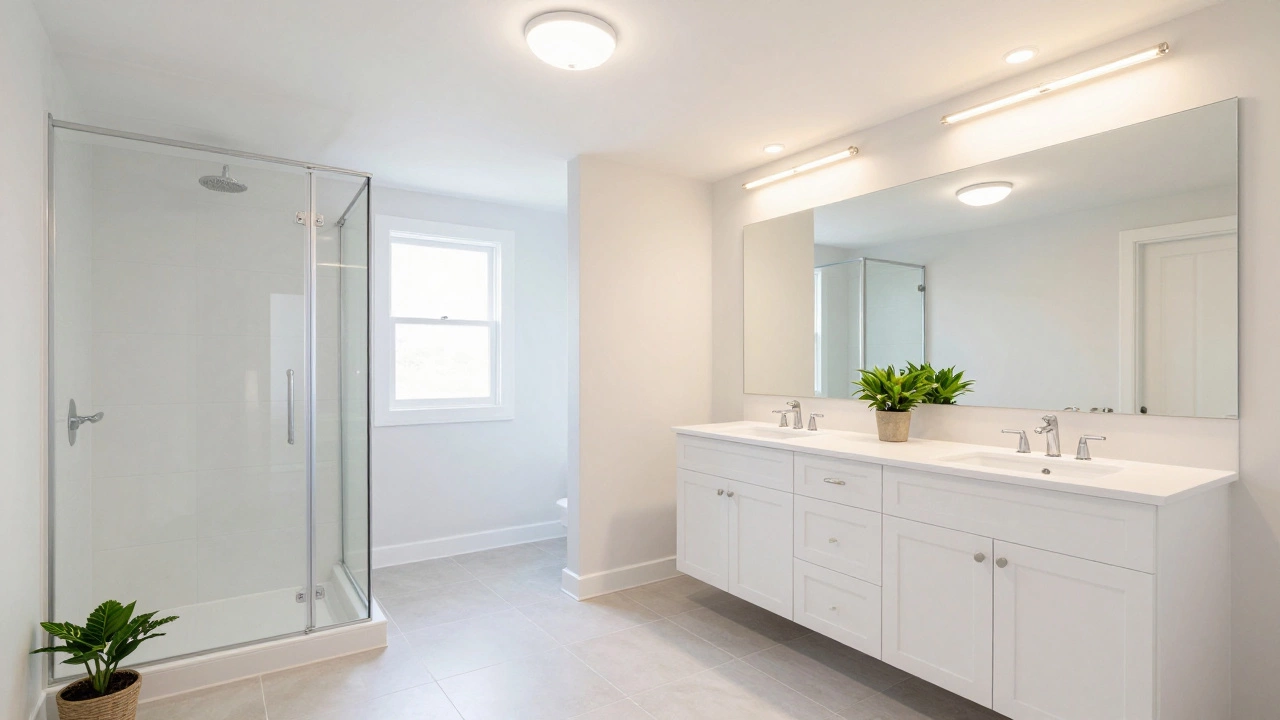
Lighting sets the mood, but it doesn’t need to be expensive. Avoid over-investing in elaborate chandeliers unless that is your primary style goal. Instead, focus on layered lighting:
- Ambient Light: A simple ceiling fixture provides general illumination.
- Task Lighting: Install LED strips around mirrors or under cabinets. LEDs are energy-efficient and long-lasting, reducing electricity bills.
- Accent Lighting: Use small spotlights to highlight textures or plants.
LED technology has made lighting affordable and efficient. Choose dimmable switches to add flexibility without extra cost. Good lighting makes even modest materials look luxurious.
Plan for Hidden Costs
A common mistake is allocating 100% of the budget to visible elements. Always set aside 10-15% for contingencies. Old homes, especially in places like Wellington, may hide surprises behind walls-rot, outdated wiring, or poor insulation. Addressing these issues upfront prevents stress later. Get quotes from multiple contractors to ensure fair pricing, and ask for detailed breakdowns of labor vs. materials.
Final Thoughts on Budgeting
Saving money on a bathroom renovation isn’t about cutting corners; it’s about prioritizing. Decide what matters most to you-is it a rain shower, a heated floor, or ample storage? Splurge on that one feature and economize elsewhere. By keeping the layout, choosing smart materials, and doing some work yourself, you can create a functional, beautiful bathroom that fits your financial reality.
Can I renovate a bathroom myself entirely?
While you can handle demolition, painting, and fixture installation, legal requirements usually mandate licensed professionals for plumbing and electrical work. Attempting these without certification can void insurance and create safety hazards.
What is the cheapest way to update a bathroom?
The cheapest method involves cosmetic updates only: painting walls and cabinets, replacing hardware, updating lighting, and deep cleaning. This avoids structural changes and new material costs.
Should I remove my bathtub to install a walk-in shower?
Only if you are certain you will never need a tub again. Bathtubs increase home resale value for families with young children. Walk-in showers are trendy but may limit your buyer pool later.
How much should I budget for a mid-range bathroom renovation?
Budgets vary widely by location and size. In many regions, a mid-range full renovation ranges from $15,000 to $30,000. However, by following the tips above, you can potentially reduce this by 20-30%.
Is vinyl flooring safe for bathrooms?
Yes, Luxury Vinyl Tile (LVT) is waterproof, slip-resistant, and durable. It is an excellent, cost-effective alternative to ceramic tile for bathroom floors.