
Is $30,000 Enough for a Kitchen Remodel in 2026? A Realistic Budget Breakdown
 Jun, 14 2026
Kitchen Remodel Budget Planner
-
Cabinets Select Option
-
Countertops Select Option
-
Appliances Select Option
-
Flooring Select Option
-
Labor & Installation Select Option
You walk into your kitchen and feel that familiar sigh. The cabinets are yellowing, the countertops have more scratches than a well-loved vinyl record, and the layout just doesn't work for how you actually cook. You’ve heard whispers that a kitchen remodel can cost anywhere from $15,000 to over $100,000. So, when you look at your savings account and see $30,000, you wonder: Is this enough? Can I actually fix this space without going into debt or living out of a microwave for six months?
The short answer is yes. In 2026, $30,000 is a very workable budget for a mid-range kitchen update, provided you make smart choices about what gets replaced and what stays put. It won’t buy you marble islands and custom European cabinetry, but it will give you a functional, modern, and beautiful space if you prioritize correctly.
What Does $30,000 Actually Buy You in 2026?
To understand if this budget works for you, we need to strip away the magazine covers and look at the raw numbers. Construction costs have stabilized somewhat after the inflation spikes of 2023-2024, but labor remains expensive. In most markets, a $30,000 budget places you firmly in the "mid-range" category.
Here is what that money typically covers:
- Semi-custom cabinetry with soft-close hinges and durable laminate or thermofoil finishes.
- Quartz countertops, which are now the standard for durability and style, costing significantly less than granite or marble.
- Standard appliances (stainless steel, mid-tier brands like Whirlpool, GE, or Bosch entry-level).
- Vinyl plank flooring or ceramic tile, avoiding high-end hardwood or natural stone.
- Basic lighting updates, such as under-cabinet LEDs and new ceiling fixtures, without complex rewiring.
If you try to push this budget into "high-end" territory-moving walls, installing premium hardwood floors, or choosing hand-painted custom cabinets-you will run out of money fast. The key is knowing where to splurge and where to save.
The Big Three Cost Drivers: Cabinets, Countertops, and Appliances
When you break down a kitchen renovation, three categories usually consume 60% to 70% of your total budget. If you manage these three wisely, the rest of the project falls into place.
| Component | Low-End Estimate | High-End Estimate | Smart Choice for $30k Budget |
|---|---|---|---|
| Cabinets | $5,000 - $8,000 | $15,000+ | Refacing existing boxes + new doors/drawers ($6,000 - $9,000) |
| Countertops | $1,500 - $2,500 | $5,000+ | Engineered Quartz ($2,000 - $3,500) |
| Appliances | $3,000 - $4,000 | $8,000+ | Mid-tier Stainless Steel Package ($4,500 - $5,500) |
| Flooring | $1,000 - $2,000 | $4,000+ | Luxury Vinyl Plank ($1,500 - $2,500) |
| Labor & Installation | $5,000 - $8,000 | $15,000+ | General Contractor + Specialized Trades ($10,000 - $12,000) |
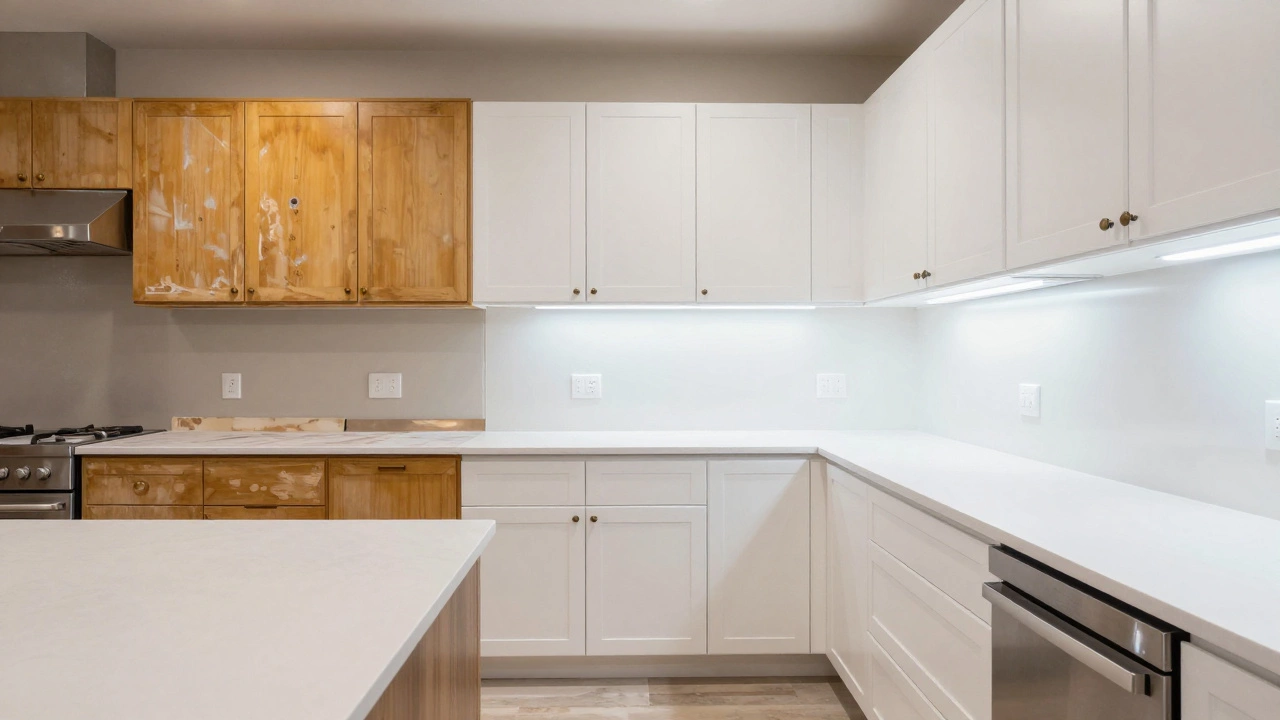
Notice the cabinet line item. Custom cabinets are the fastest way to blow a budget. Refacing-keeping the existing cabinet boxes but replacing doors, drawers, and hardware-is a game-changer for a $30,000 project. It looks brand new but costs half as much as full replacement.
Where Hidden Costs Creep In (And How to Stop Them)
I’ve seen too many homeowners start strong and end up stressed because they ignored the "invisible" costs. These are the expenses that don’t show up in the Pinterest mood board but definitely show up on the invoice.
- Demolition and Haul-away: Removing old cabinets, counters, and flooring isn’t free. Expect to pay $500-$1,500 depending on the size of your kitchen and local disposal fees.
- Electrical Updates: If your current outlets aren’t up to code or you want to add USB ports and under-cabinet lighting, an electrician charges by the hour. Budget at least $1,500 for minor updates.
- Plumbing Adjustments: Moving the sink even two feet requires cutting into walls and repiping. This can easily add $2,000+ to your bill. Keep the sink and dishwasher in their original spots if possible.
- Permits: Most jurisdictions require permits for electrical, plumbing, and structural changes. Fees vary, but set aside $500-$1,000 to stay legal and safe.
- Contingency Fund: Always keep 10-15% of your budget untouched. That’s $3,000-$4,500. When you open a wall and find outdated wiring or water damage, this fund saves your sanity.
If you skip the contingency fund, you’re gambling. And in construction, the house usually wins.
DIY vs. Hiring Pros: What Can You Actually Do Yourself?
With a $30,000 budget, every dollar counts. Labor typically accounts for 30-40% of renovation costs. So, is DIY the answer? For some tasks, yes. For others, absolutely not.
Here is a realistic breakdown of what you can handle versus what needs a professional:
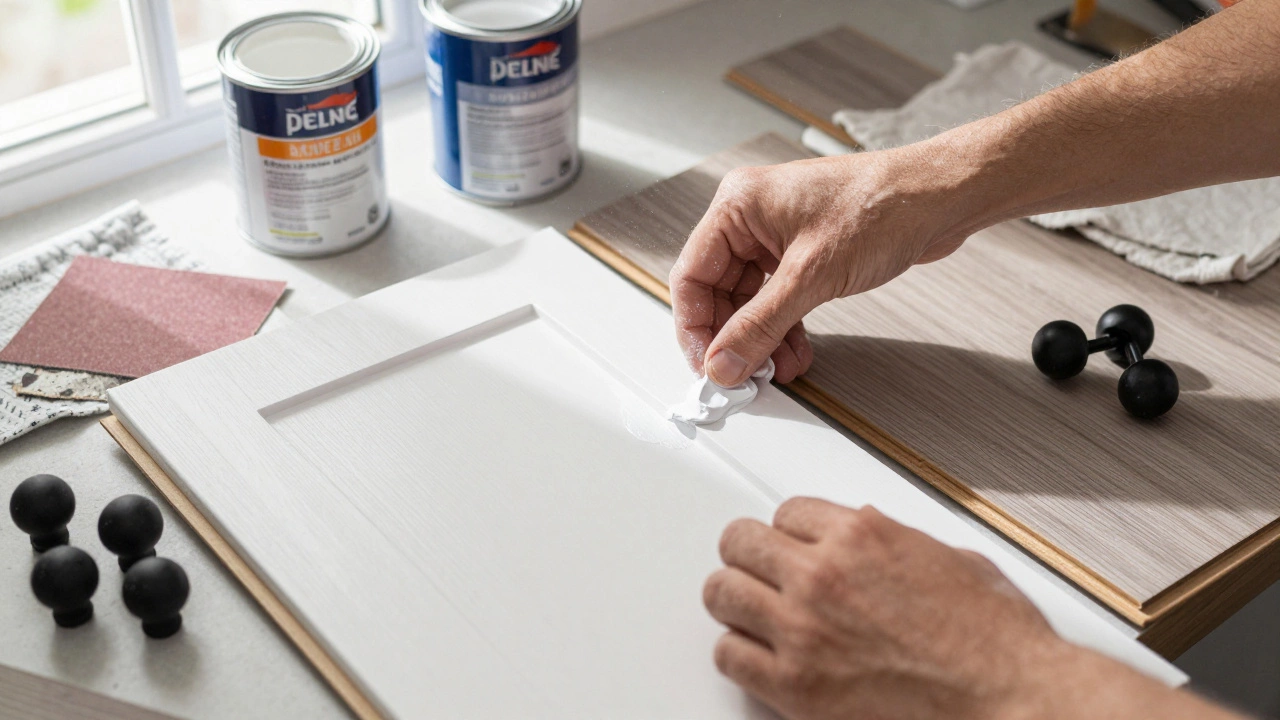
- Painting Walls and Cabinets: High ROI DIY task. If you have steady hands and patience, painting cabinets yourself can save $2,000-$4,000. Just prep properly-sanding and priming are non-negotiable.
- Installing Backsplash: Another great DIY opportunity. Tile is forgiving, and mistakes are easy to fix before grouting. Save $500-$1,000 here.
- Flooring Installation: Luxury vinyl plank (LVP) with a click-lock system is designed for DIYers. If you choose ceramic tile, hire a pro unless you have experience. Bad tile work ruins the look of the whole room.
- Electrical and Plumbing: Leave this to licensed professionals. One mistake can cause fires, leaks, or void your home insurance. Not worth the risk.
- Countertop Installation: Quartz slabs are heavy and require precise cutting. Hire installers. The cost of breaking a slab during amateur installation will exceed the labor savings.
By taking on painting, backsplash, and potentially flooring, you can redirect $3,000-$5,000 toward better materials or higher-quality hardware.
Maximizing Value: Smart Design Choices
Your goal isn’t just to spend $30,000; it’s to get the best result for that money. Here are specific strategies to stretch your budget further without sacrificing quality.
Stick to the Existing Layout
Moving walls, shifting the sink, or relocating the stove involves structural engineering, plumbing, gas lines, and electrical work. Keeping the "work triangle" (sink, fridge, stove) in its current position saves thousands. Focus on updating surfaces rather than moving pipes.
Choose Neutral Colors
Bold colors date quickly. White, gray, or light wood tones remain timeless and appeal to future buyers. If you want color, use accessories, rugs, or art-things you can change later. Paint is cheap; re-doing painted cabinets is not.
Upgrade Hardware Instead of Replacing Everything
New knobs and pulls transform cabinets instantly. Spend $300 on high-quality brushed nickel or matte black hardware instead of $5,000 on new cabinet fronts. It’s the jewelry of the kitchen.
Select Standard Sizes
Custom-sized cabinets, windows, or doors carry a premium. Stick to standard dimensions (e.g., 30-inch wide cabinets, 36-inch deep counters). Manufacturers produce these in bulk, keeping prices low.
Financing Your Remodel: Options Beyond Cash
If $30,000 is tight for your cash reserves, you have options. However, be cautious of high-interest credit cards.
- Home Equity Line of Credit (HELOC): Often offers lower interest rates than personal loans. Use it wisely and only borrow what you need.
- Personal Loans: Fixed interest rates and predictable payments. Good for smaller amounts if you have good credit.
- Renovation-Specific Credit Cards: Some offer 0% APR for 12-18 months. Only use this if you can pay off the balance within the promotional period.
Avoid financing unless the remodel adds significant value to your home or improves your daily life substantially. A kitchen upgrade typically returns 60-70% of its cost in resale value, so it’s a solid investment-but don’t over-leverage.
Final Verdict: Is It Worth It?
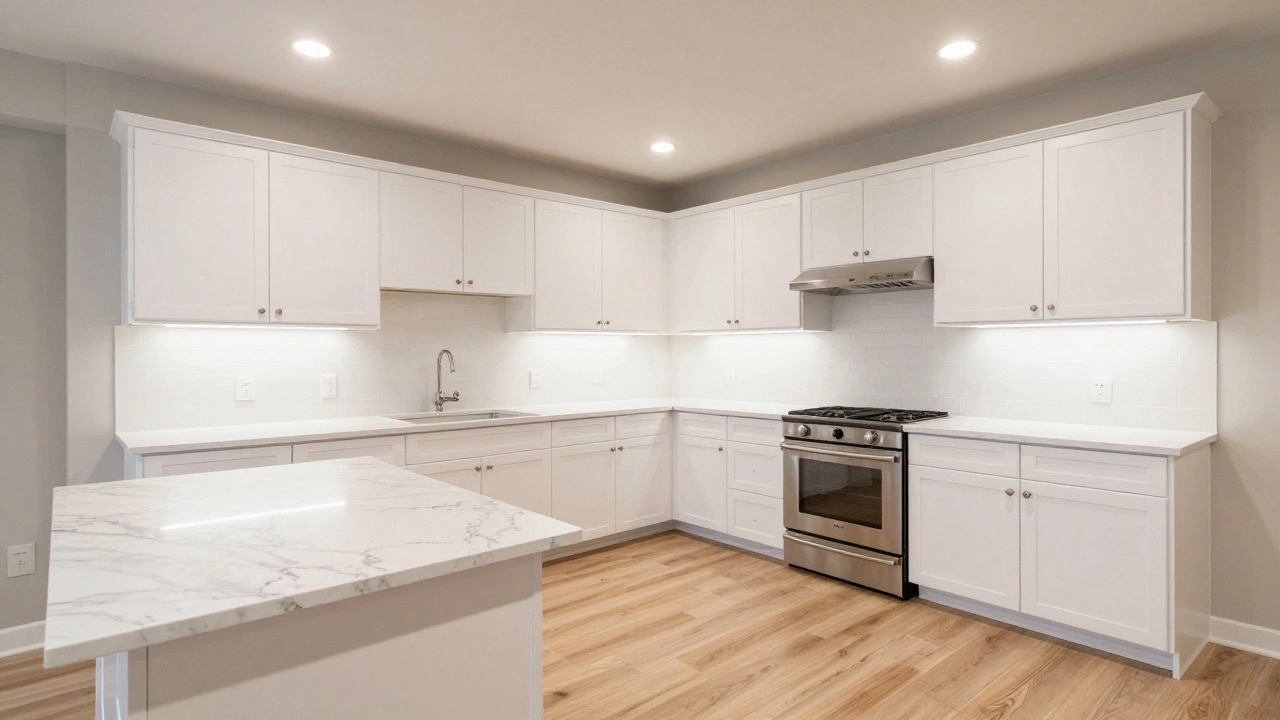
Yes. With careful planning, a $30,000 kitchen remodel delivers a dramatic transformation. You’ll have fresh cabinets, durable quartz counters, modern appliances, and a layout that works for your life. It won’t look like a showroom spread from Architectural Digest, but it will be functional, attractive, and built to last.
The secret isn’t having unlimited funds. It’s knowing where to invest and where to cut corners intelligently. Prioritize cabinets and countertops-they define the room’s character. Save on paint, hardware, and decor. And always, always keep that contingency fund ready.
Can I remodel my kitchen for $30,000 including labor?
Yes, but you must limit structural changes. Allocate roughly $10,000-$12,000 for labor and installation, leaving $18,000-$20,000 for materials. Focus on refacing cabinets, installing quartz countertops, and updating appliances while keeping the existing layout intact.
What is the biggest mistake people make with a $30k kitchen budget?
The biggest mistake is underestimating hidden costs like demolition, electrical updates, and permits. Many homeowners also fail to set aside a 10-15% contingency fund for unexpected issues, leading to budget overruns and unfinished projects.
Should I replace or reface my cabinets?
If your cabinet boxes are structurally sound and free of water damage, refacing is the smarter choice for a $30,000 budget. It costs 50-70% less than full replacement and provides a nearly identical aesthetic upgrade with new doors, drawers, and hardware.
How much does a countertop replacement cost?
For a mid-range kitchen, engineered quartz countertops typically cost between $2,000 and $3,500 installed. Laminate is cheaper ($1,000-$2,000) but less durable. Granite and marble often exceed $4,000 and may strain a $30,000 total budget.
What parts of a kitchen remodel can I do myself?
You can safely DIY painting walls and cabinets, installing backsplash tile, and laying luxury vinyl plank flooring. Avoid DIY for electrical work, plumbing, and countertop installation due to safety risks and the potential for costly errors.
Does a kitchen remodel increase home value?
Yes, kitchen renovations typically recoup 60-70% of their cost in increased home value. While you won’t recover 100%, the improved functionality and aesthetics make your home more appealing to buyers and enhance your daily living experience.