
New Build vs. Existing Home: Is Building a New House Actually Better in 2026?
 Jul, 6 2026
New Build vs. Existing Home Decision Tool
Use this tool to determine whether building a new home or buying an existing one is the better financial and logistical fit for your situation in 2026.
Key Considerations:
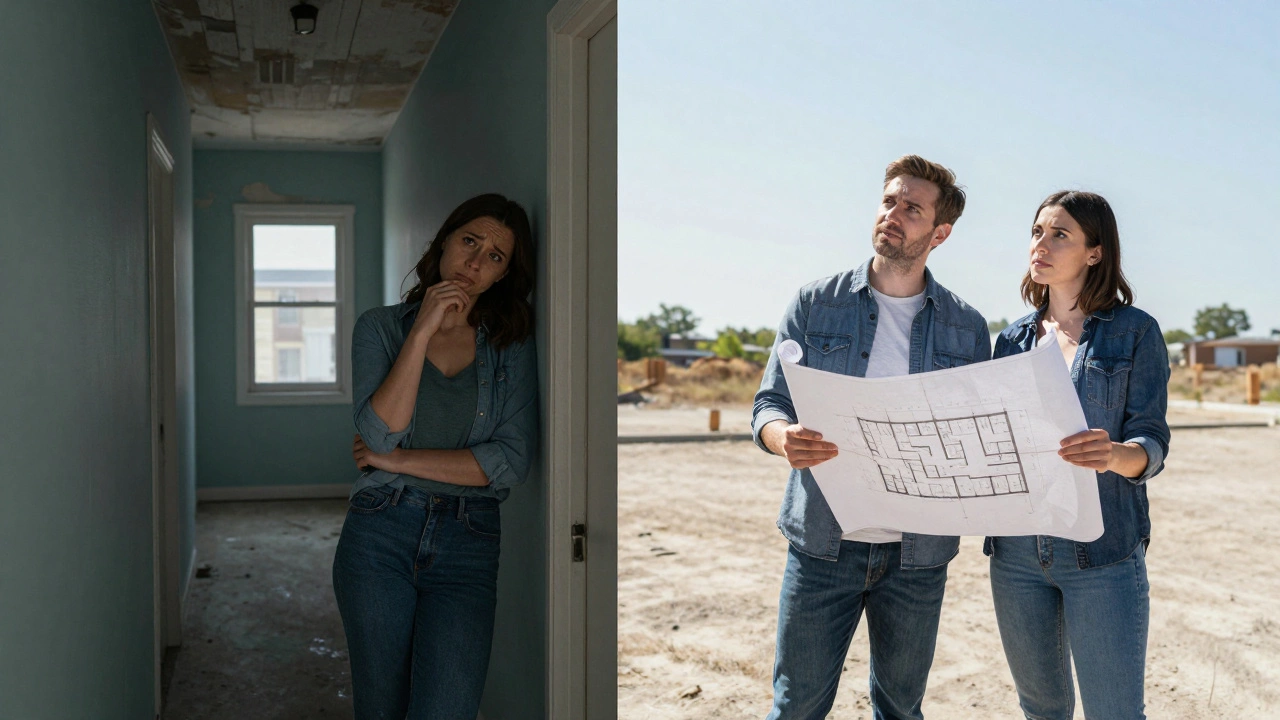
Walking through an open house with peeling paint and a layout that feels like a maze is exhausting. You picture yourself knocking down walls, fixing the roof, and praying the foundation holds up. Then you look at the alternative: a blank lot where you can design every inch to your liking. The dream is appealing, but the reality of building a new house is a complex financial and logistical undertaking that involves significant time, money, and decision-making compared to buying an existing home is often glossed over by glossy brochures.
In 2026, the housing market has shifted. Interest rates have stabilized somewhat, but material costs remain volatile, and labor shortages are still a real headache for contractors. So, is it actually better to build? There is no single "yes" or "no." It depends entirely on your tolerance for stress, your budget flexibility, and how much you value modern efficiency versus immediate move-in readiness.
The Financial Reality: Upfront Costs vs. Long-Term Value
Let’s talk money first, because that’s usually the dealbreaker. People often assume building is cheaper because they’re avoiding the markup a developer puts on a resale home. That used to be true in some markets, but today, the gap has narrowed significantly.
When you buy an existing home, you pay for what is there. When you build, you pay for land, permits, architectural fees, and the construction itself. In many urban and suburban areas, the cost per square foot for a new build ranges from $150 to $300+, depending on finishes and location. Add in the cost of the lot, and your total investment often exceeds the price of a comparable pre-owned home in the same neighborhood.
| Expense Category | New Build | Existing Home |
|---|---|---|
| Initial Cash Outlay | High (Land + Construction + Fees) | Medium (Purchase Price + Closing Costs) |
| Maintenance (First 5 Years) | Very Low (Warranties apply) | Variable (Roof, HVAC, Plumbing may need repair) |
| Energy Bills | Low (Modern insulation & windows) | Higher (Older systems & drafts) |
| Hidden Costs | Change orders, permit delays, utility hookups | Inspection surprises, immediate repairs |
| Resale Potential | High (If designed well) | Dependent on condition & updates |
However, the long-term math might favor the new build. An existing home bought in the 1990s likely has outdated electrical panels, knob-and-tube wiring, or inefficient HVAC systems. Replacing these can cost tens of thousands of dollars. A new home comes with modern infrastructure that lasts longer and costs less to run. If you plan to stay in the house for 10+ years, the energy savings and lack of major repairs often offset the higher initial purchase price.
Energy Efficiency and Modern Standards
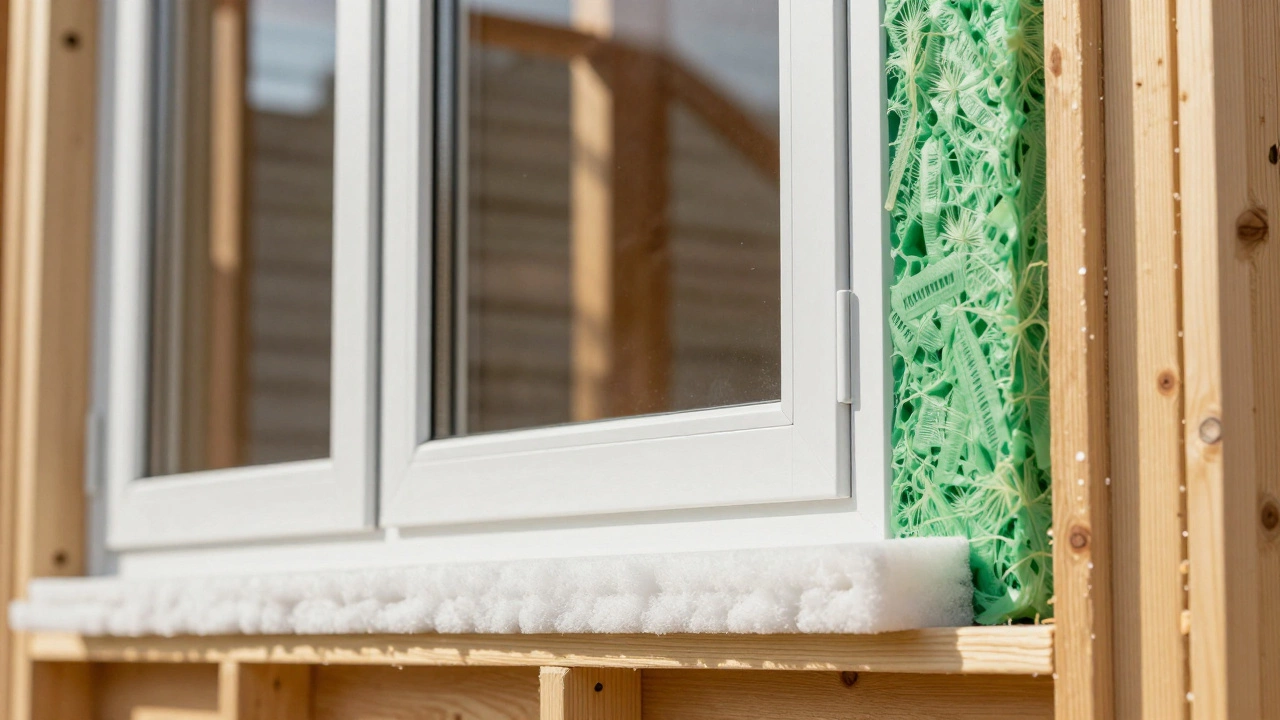
This is where new builds shine brightest. Building codes in 2026 are strict about energy performance. Most new homes are built to meet or exceed standards set by organizations like the International Energy Conservation Code (IECC). This means better insulation, tighter air sealing, and high-efficiency windows that keep heat in during winter and out during summer.
Consider the difference in heating bills. An older home with single-pane windows and fiberglass batt insulation loses heat constantly. Your furnace runs harder, consuming more gas or electricity. A new build uses spray foam insulation, triple-pane windows, and heat pump technology. In cold climates, this can reduce heating costs by 30-40%. In hot climates, cooling costs drop similarly.
Moreover, new homes are increasingly being built with electric-ready infrastructure. Even if you don’t install solar panels immediately, the wiring and panel capacity are there for future upgrades. Retrofitting an old house for full electrification-swapping gas furnaces for heat pumps, installing EV chargers-is expensive and messy. With a new build, you start with a clean slate.
Customization: Getting Exactly What You Want
Buying an existing home means compromising. Maybe you love the kitchen, but hate the bathroom layout. Maybe the backyard is perfect, but the master bedroom faces north and gets no light. Renovations can fix these issues, but they come with their own headaches: dust, noise, living in a construction zone, and discovering rot behind drywall.
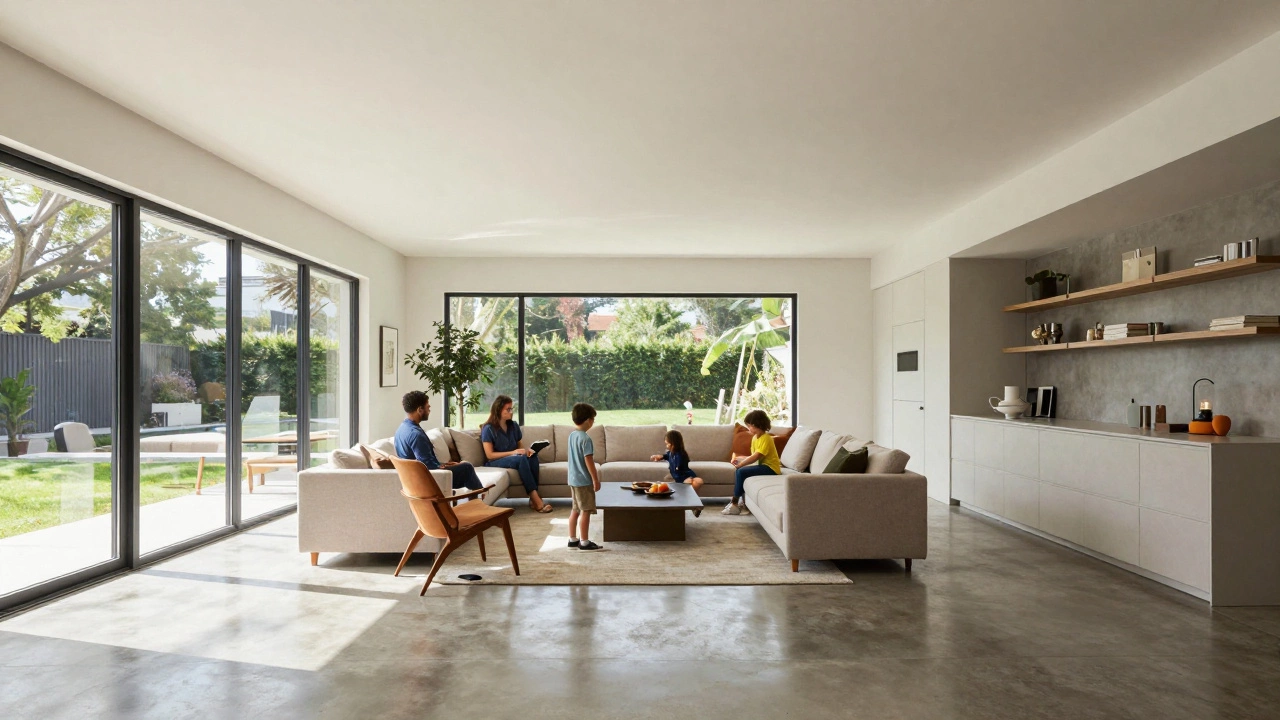
Building new gives you control. You choose the floor plan, the cabinet hardware, the tile patterns, and the placement of outlets. You can design a home that fits your lifestyle. Need a home office with soundproofing? Done. Want an open-concept living area that flows into the kitchen? Easy. Planning for aging in place? You can add wider doorways and zero-threshold showers from day one.
This customization isn’t just about aesthetics; it’s about functionality. You can optimize traffic flow, natural light, and storage spaces. For families with specific needs-like a child with disabilities or a hobbyist needing a workshop-this level of personalization is invaluable. It’s the difference between adapting to a space and creating a space that adapts to you.
The Time Factor: Patience Is Required
Here is the biggest downside to building: time. Buying an existing home can take 30 to 60 days from offer to closing. Building a new home takes 6 to 12 months, sometimes longer. During this period, you are paying rent while also making payments on your construction loan. This double-housing cost can strain your finances significantly.
Construction timelines are also unpredictable. Weather delays, supply chain disruptions, and labor shortages can push your move-in date back by weeks or even months. I’ve seen projects delayed because a specific type of window was backordered for six weeks. Another project stalled because the inspector couldn’t find time to visit the site for three days.
You need to be prepared for this uncertainty. Have a backup plan for housing. Don’t schedule job changes or school starts around a projected completion date unless you have a large buffer. The stress of waiting can wear you down, especially if you’re moving out of a cramped apartment or dealing with family pressure.
Quality Control and Warranty Protection
One advantage of new builds is the warranty. Most reputable builders offer a one-year warranty on workmanship and materials, and a ten-year structural warranty. If something goes wrong in the first year-a leaky faucet, a cracked tile, a sticking door-the builder fixes it. This peace of mind is rare with existing homes, where you inherit whatever problems the previous owner ignored.
However, quality varies wildly among builders. Some cut corners to maximize profit. Others obsess over details. It’s crucial to research your builder thoroughly. Look at their past projects, talk to previous clients, and check online reviews. Visit active job sites to see how they manage cleanliness, safety, and communication.
Even with a good builder, inspections are essential. Hire an independent third-party inspector at key stages: foundation, framing, pre-drywall, and final walkthrough. Don’t rely solely on the builder’s self-inspection. These checks catch issues early, before they’re covered up by paint or flooring. Catching a plumbing error before drywall goes up saves thousands in repairs later.
Location and Neighborhood Dynamics
New builds are often located on the outskirts of established neighborhoods or in newly developed subdivisions. This means newer roads, parks, and community amenities. But it also means fewer mature trees, less character, and potentially longer commutes. Established neighborhoods offer walkability, local businesses, and a sense of history that new developments lack.
Consider the long-term value of the location. Will the area develop further? Are schools nearby improving or declining? Property values in new subdivisions can fluctuate based on the reputation of the builder and the overall appeal of the development. In contrast, homes in prime, established locations tend to hold value more steadily, regardless of age.
If you prioritize convenience and community vibe, an existing home in a central location might be better. If you prefer fresh surroundings and modern infrastructure, a new build on the edge of town could be ideal. There’s no right answer, only what fits your lifestyle priorities.
Decision Checklist: Should You Build?
To help you decide, ask yourself these questions:
- Do I have a flexible timeline? If you need to move in within three months, building is likely not an option.
- Is my budget robust? Can I absorb unexpected costs of 10-20% above the initial estimate?
- Do I value customization over convenience? Am I willing to spend hundreds of hours making decisions about fixtures and finishes?
- Am I planning to stay long-term? If you’ll sell in five years, the upfront costs of building may not be recouped.
- Do I live in an area with available land? In dense cities, finding a buildable lot is difficult and expensive.
If you answered yes to most of these, building might be the right choice. If you’re short on time, cash, or patience, buying an existing home and renovating selectively could be smarter.
How much does it cost to build a new house in 2026?
The average cost ranges from $150 to $300+ per square foot, excluding land. For a 2,000 sq ft home, expect to spend between $300,000 and $600,000 depending on location, materials, and labor rates. Always add a 10-20% contingency fund for unexpected expenses.
Is a new build more expensive than buying an existing home?
Often, yes. The upfront cost of building includes land, permits, and construction fees, which can exceed the price of a similar-sized existing home. However, new builds save money long-term through lower maintenance and energy bills.
What are the biggest risks of building a new house?
Key risks include budget overruns due to change orders or material price hikes, construction delays from weather or labor shortages, and potential quality issues if the builder cuts corners. Thorough vetting of the builder and independent inspections mitigate these risks.
Do new homes require less maintenance?
Yes. New homes typically require minimal maintenance for the first 5-10 years thanks to warranties on roofing, HVAC, and appliances. Existing homes often need immediate repairs for aging systems, roofs, and plumbing.
Can I customize every aspect of a new build?
With a custom home builder, yes. You control the floor plan, materials, and finishes. With production builders, options may be limited to pre-selected packages. Always clarify the level of customization allowed before signing contracts.