
Remodeling vs Renovating a House: Key Differences Explained
 Jun, 7 2026
Renovation vs. Remodeling Decision Tool
🏠 Describe Your Project
Select the scenarios that apply to your planned project. The more you select, the more accurate the classification will be.
Not Sure Where to Start?
Select options above to see if you need a simple renovation or a complex remodel.
Estimated Cost Range
*Based on average NZ market ratesPermit Requirements
Check with local council| Factor | Details for Your Project |
|---|
⚠️ Important Note
You’ve got a vision for your home. Maybe it’s an open-concept kitchen, a modern bathroom, or just fixing up that drafty old window. But before you pick up the phone to call a contractor, there’s a word choice that matters more than you think: are you renovating or remodeling? In casual conversation, people use these terms interchangeably all the time. Walk into any hardware store in Wellington, and you’ll hear both words tossed around like they mean the same thing. But if you’re planning a project, budgeting for materials, or talking to architects, knowing the difference can save you thousands of dollars and weeks of frustration.
The short answer? Renovating means restoring something to its original state or improving it without changing the structure. Remodeling means changing the structure, layout, or function of a space. It’s the difference between polishing a car versus rebuilding its engine. Let’s break down exactly what that means for your wallet, your timeline, and your daily life during construction.
Renovating: Restoring Without Changing the Blueprint
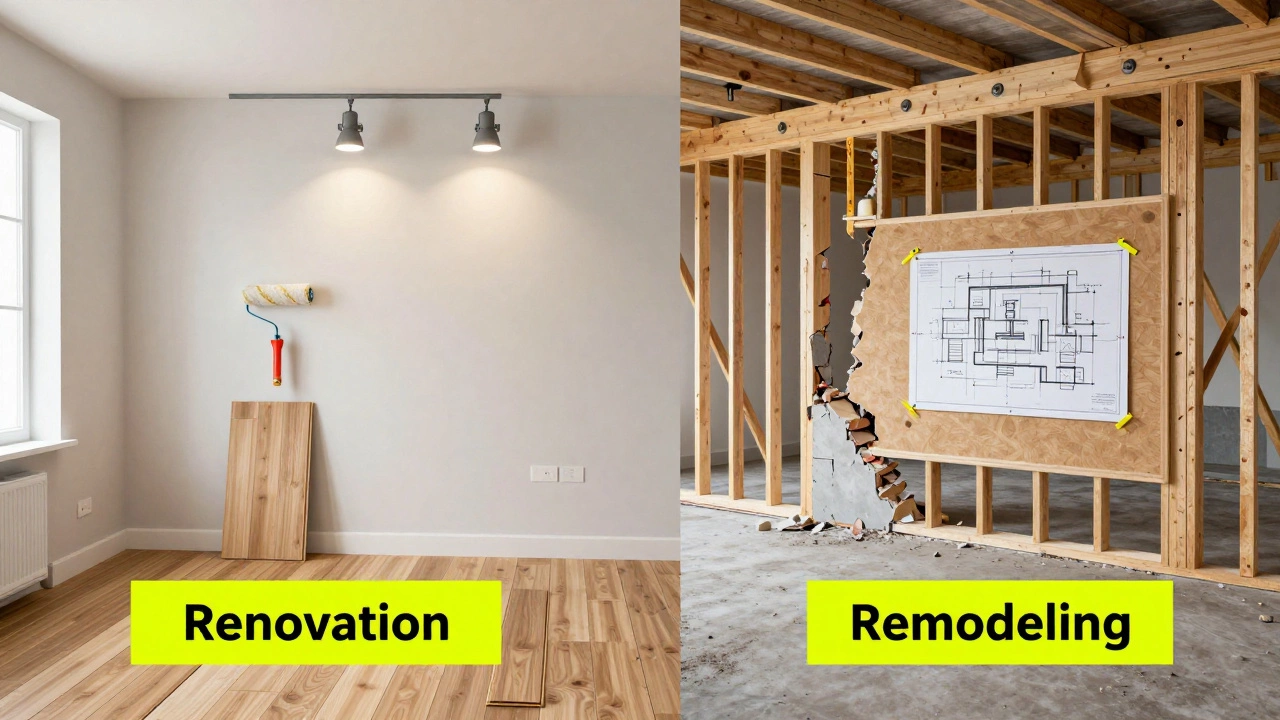
Think of renovating as giving your home a fresh coat of paint-literally and figuratively. When you renovate, you are working within the existing framework of your house. You aren’t moving walls, adding square footage, or changing the purpose of a room. Instead, you are updating, repairing, or replacing elements to bring them back to good condition or modern standards.
A classic example is a kitchen renovation. You keep the cabinets where they are. The sink stays on the same wall. The stove remains in its spot. But you replace the countertops with quartz, install new LED lighting, update the faucet, and repaint the walls. The footprint of the room hasn’t changed. The plumbing lines underneath haven’t moved. You’ve simply refreshed the look and feel.
Here are common tasks that fall under renovation:
- Replacing hardwood floors with new planks in the same pattern.
- Updating light fixtures and electrical outlets.
- Re-tiling a bathroom shower while keeping the tub in place.
- Repainting interior and exterior surfaces.
- Installing new cabinetry that fits the existing dimensions.
Why choose renovation? It’s usually faster, cheaper, and requires fewer permits. Since you aren’t altering the structural integrity or utility layouts, local councils often classify this as minor work. If you’re on a tight budget or need to finish the job before winter hits, renovation is your friend. It’s about preservation and polish.
Remodeling: Changing Structure and Function
Now, imagine you hate that load-bearing wall separating your dining room from your living area. You want to knock it down to create one large, open space for entertaining. That’s not renovation. That’s remodeling. Remodeling involves changing the physical structure or the functional purpose of a space. You are rewriting the blueprint.
If you convert a garage into a home office, that’s remodeling. The space used to be for cars; now it’s for desks and computers. You have to insulate it, add drywall, run new electrical circuits, and possibly adjust the heating system. The function has changed entirely.
Or consider a master suite expansion. You tear out part of the bedroom wall to borrow space from the hallway, creating a walk-in closet. This requires structural engineering approval because you might be affecting load-bearing points. You’re also likely moving HVAC ducts and electrical wiring to accommodate the new layout.
Common remodeling projects include:
- Knockdown of interior walls to create open floor plans.
- Adding a second story or extending the roofline.
- Converting a basement into a livable apartment.
- Moving the location of a kitchen or bathroom to a different part of the house.
- Adding windows or doors where none existed before.
Remodeling is complex. It brings in architects, structural engineers, and strict building codes. It takes longer because you can’t start painting until the walls are built, and you can’t build walls until the permits are approved. But the payoff? A home that actually works for how you live today, not just how it was designed thirty years ago.
The Cost Difference: Why Words Matter for Your Wallet
Let’s talk numbers, because this is where the confusion hurts most. Generally speaking, remodeling costs significantly more than renovating. Why? Because remodeling introduces variables that renovation avoids.
In a renovation, the scope is fixed. You know exactly how many square meters of flooring you need. You know the exact size of the cabinet boxes. There are few surprises. In a remodel, once you tear down that wall, you might find outdated wiring, asbestos, or rotting beams. These hidden issues stop work immediately until they are resolved. This is called "scope creep," and it’s the budget killer in remodeling projects.
| Factor | Renovation | Remodeling |
|---|---|---|
| Permits & Fees | Low or None | High (Architectural drawings, council fees) |
| Professional Labor | Handyman or Specialist | General Contractor + Engineers |
| Timeline | Days to Weeks | Weeks to Months |
| Unexpected Costs | Rare | Common (Structural issues, code upgrades) |
| Resale Value Impact | Moderate (Curb appeal) | High (Functional improvement) |
For instance, renovating a bathroom by re-grouting tiles and replacing fixtures might cost $3,000-$5,000. Remodeling that same bathroom by moving the toilet to the opposite wall, installing a new skylight, and changing the shower to a walk-in rain shower could easily jump to $15,000-$25,000. The difference isn’t just materials; it’s the labor intensity and regulatory hurdles.
Permits and Regulations: The Bureaucratic Hurdle
In New Zealand, and indeed most places, local councils care deeply about structural changes. If you are renovating, you often fly under the radar. Painting, carpeting, and even swapping out a vanity unit rarely require a building consent. However, the moment you touch the structure, the rules change.
Remodeling almost always triggers a need for Building Consent under the Building Act 2004. If you move a wall, you must prove the remaining structure can support the roof. If you add a room, you must meet insulation, ventilation, and fire safety standards. Skipping this step is risky. Not only can you face fines, but when you sell your home, you may need to disclose unpermitted work. Buyers’ lawyers will flag this, potentially killing the sale or forcing a price reduction.
Even electrical and plumbing work falls into a gray area. While simple repairs might not need consent, major rewiring or rerouting pipes during a remodel does. Always check with your local council before swinging a hammer. It’s better to spend two weeks on paperwork than to tear down a newly built wall because it doesn’t comply with code.
When to Choose Which Approach
So, which path should you take? It depends on your goals, your home’s condition, and your lifestyle.
Choose Renovation If:
- Your home’s layout works well for your family.
- You are preparing to sell soon and want a quick ROI through cosmetic updates.
- Your budget is limited and fixed.
- You want minimal disruption to your daily routine.
Choose Remodeling If:
- The current layout feels cramped or inefficient.
- You need more functional space (e.g., converting a den into a bedroom).
- You are staying in the home long-term and want it tailored to your specific needs.
- You have the budget buffer for unexpected structural issues.
Consider this scenario: You love your kitchen’s location, but the cabinets are ugly. Renovate. You hate that the kitchen is tucked away in a dark corner and want it central to the living area. Remodel. The distinction is clear when you ask yourself: "Am I fixing what’s there, or am I changing what’s possible?"
Hybrid Projects: The Best of Both Worlds
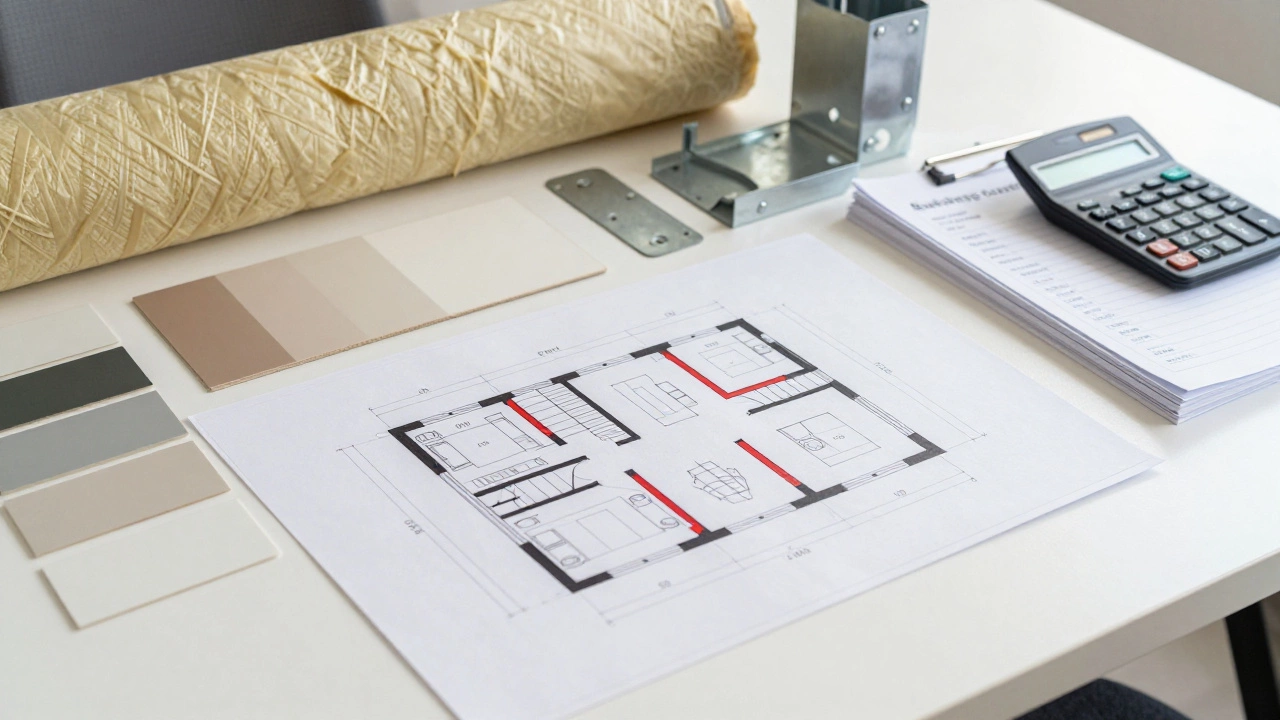
In reality, most major home improvements are hybrids. You might remodel the layout of your master bath by moving the vanity, but then renovate the rest of the suite by repainting and adding new mirrors. This mix is common, but it complicates the planning phase.
When mixing approaches, treat the remodeling portion as the anchor. Get your permits and structural approvals sorted first. Once the heavy lifting is done, the renovation tasks become straightforward finishing touches. Don’t try to do them simultaneously unless you have a highly organized general contractor managing the workflow. Otherwise, you risk painters waiting for plumbers, who are waiting for electricians, leading to delays and higher labor costs.
Frequently Asked Questions
Do I need a permit for a renovation?
Usually, no. Cosmetic changes like painting, flooring, and replacing fixtures typically do not require building consents. However, if your renovation involves significant electrical work, plumbing alterations, or demolition of non-load-bearing walls that affect fire ratings, you may need a permit. Always check with your local council to be sure.
Is remodeling more expensive than renovating?
Yes, generally. Remodeling involves structural changes, which require professional design services, engineering approvals, and specialized labor. It also carries a higher risk of uncovering hidden issues like rot or outdated wiring, which adds to the cost. Renovations are mostly cosmetic and predictable in pricing.
Can I remodel my home myself?
You can handle some aspects, but major remodeling usually requires licensed professionals. Structural changes, electrical work, and plumbing often legally require certified tradespeople. Attempting DIY on load-bearing walls or complex systems can lead to safety hazards and failed inspections. Stick to DIY for renovation tasks like painting and tiling.
How long does a typical remodel take?
A full remodel can take anywhere from three months to over a year, depending on the scope. Simple room remodels might take 6-8 weeks, including permitting and design time. Renovations are much faster, often completed in days or a few weeks. Delays are common in remodeling due to material lead times and inspection schedules.
Does remodeling increase home value more than renovating?
It depends on the market. Remodeling that improves functionality (like adding a bedroom or opening up a floor plan) often yields a higher return on investment because it makes the home more usable. However, over-improving beyond neighborhood standards can hurt resale value. Renovations offer a safer, moderate return by enhancing aesthetics without risking structural errors.
What is the biggest risk of remodeling?
The biggest risk is budget overrun due to unforeseen structural issues. When you open up walls or floors, you may discover asbestos, mold, or compromised framing. These problems must be addressed before proceeding, adding time and money to the project. Thorough pre-construction inspections can mitigate this risk.
Can I turn a renovation into a remodel mid-project?
Technically yes, but it’s messy. If you start renovating and decide to move a wall, you must stop, hire an architect, get permits, and wait for approvals. This pause disrupts the workflow and increases costs. It’s better to define your scope clearly before starting any demolition or purchasing materials.
Which is better for energy efficiency?
Remodeling offers greater potential for energy efficiency. By changing the structure, you can add better insulation, upgrade windows, and improve airflow throughout the entire house. Renovations can help too-by sealing drafts and upgrading appliances-but they don’t address the fundamental envelope of the home as effectively as a remodel.