
The Hidden Costs and Risks of Building a Custom Home: A Realistic Guide
 Jun, 22 2026
Custom Home Reality Check Calculator
Project Parameters
Your Realistic Projection
Total Estimated Capital Required
$0
Includes hard costs, soft costs, and safety buffer.
Base Builder Quote
$0Soft Costs (Permits/Design)
$0Contingency Buffer
$0Projected Timeline
0 MonthsEnter your project details to see the true cost breakdown.
You’ve seen the glossy magazines. You’ve scrolled through Instagram feeds filled with open-concept kitchens, spa-like bathrooms, and smart-home tech that responds to your voice. The dream is seductive: why buy someone else’s outdated mess when you can build exactly what you want? It sounds like freedom. But for every person who successfully navigates the journey of building a custom home is the process of designing and constructing a residence from the ground up based on specific owner requirements, there are three others who wish they had just bought an existing fixer-upper.
The reality of breaking ground is messy, expensive, and emotionally draining. Before you sign those contracts or break out the blueprints, you need to look at the dark side of new construction. This isn’t about discouraging you; it’s about arming you with the truth so you don’t get blindsided by the inevitable hurdles.
The Financial Black Hole: Budget Overruns Are Inevitable
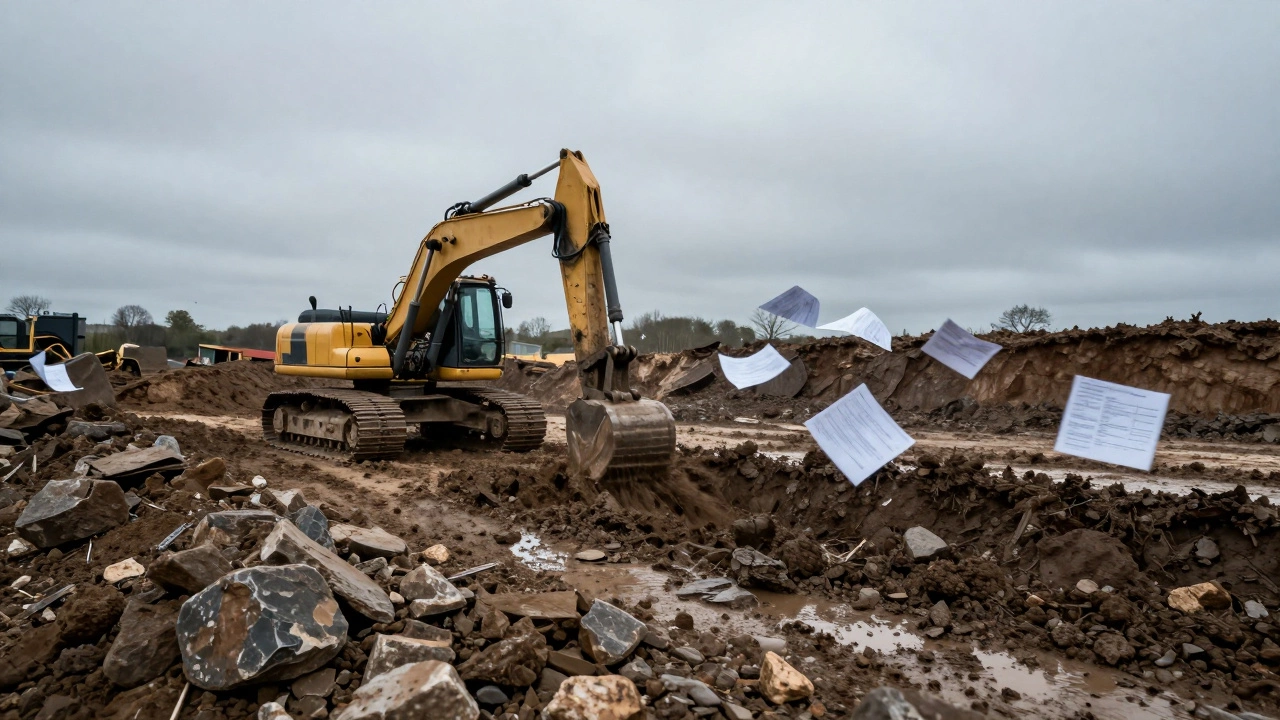
Let’s talk money first because this is where most dreams die. When you get a quote from a builder, that number is rarely final. In fact, in the current market climate of 2026, sticking to your initial budget is more of a statistical anomaly than a standard outcome. Why? Because construction is reactive. You dig a hole for the foundation, and suddenly you hit rock. That wasn’t in the plan. Now you need specialized equipment to blast it away. Boom-$15,000 gone before you’ve even poured concrete.
Then there’s the issue of material volatility. The price of lumber, copper wiring, and steel framing fluctuates weekly based on global supply chains, tariffs, and weather events affecting harvests. If you lock in a contract in January but don’t order materials until April, you might find yourself paying significantly more for the same studs. Most builders include a contingency clause, but that often shifts the risk back to you if costs exceed a certain threshold.
Furthermore, you have the "soft costs" that nobody mentions upfront. Architectural fees, engineering stamps, permit applications, impact fees paid to the city, and utility connection charges can easily add 10-15% to your total project cost. These aren’t line items you see when you’re dreaming about marble countertops; they’re bureaucratic necessities that drain your cash flow early in the process.
The Time Tax: Delays That Never End
If money is the fuel, time is the engine-and it stalls constantly. People assume a house takes six months to build. In reality, a typical custom home takes anywhere from nine to eighteen months, depending on complexity and location. But here is the kicker: you lose control over the timeline the moment you hand over the keys to the contractor.
Weather is the great equalizer. Rain stops excavation. Snow halts roofing. Extreme heat slows down concrete curing. In 2025 and 2026, we’ve seen increasingly unpredictable weather patterns across many regions, leading to longer idle periods on job sites. Then there are labor shortages. Skilled tradespeople-electricians, plumbers, carpenters-are in high demand. If your general contractor is managing three other jobs and their lead electrician calls in sick, your schedule slips. And it doesn’t just slip by a day; it slips by weeks as everyone waits for the next available slot.
This delay has a compounding financial effect. While you wait for the house to be built, you are still paying your mortgage or rent on your current home. You are also paying interest on any construction loan you’ve taken out. Construction loans typically have higher interest rates than traditional mortgages, and you pay interest only during the build phase. Every month of delay adds thousands to your bottom line without giving you a place to live.
Decision Fatigue: The Mental Toll of Micro-Managing
Building a house requires making hundreds, if not thousands, of decisions. And I don’t mean big ones like "should I have a fireplace?" I mean the granular, exhausting details that chip away at your sanity. What grade of porcelain tile should go in the mudroom? Which brand of HVAC system offers better energy efficiency? Do we run Ethernet cables behind the drywall now, or will Wi-Fi 7E be sufficient in five years?
This phenomenon is known as decision fatigue. By the time you reach the finishings stage-paint colors, cabinet hardware, light fixtures-you are mentally exhausted. You’ve been doing this for months. You start making rushed choices just to get it over with, or you freeze up and delay the project further while you agonize over the difference between "brushed nickel" and "satin stainless steel."
Moreover, these decisions often come with pressure. Builders work on tight schedules. If you don’t choose the faucet by Friday, the plumber can’t install it on Monday. You find yourself negotiating with contractors while trying to maintain your full-time job, raise kids, and keep your marriage intact. The stress levels associated with new builds are comparable to other major life transitions like divorce or bereavement, according to various homeowner surveys.

Quality Control: Trusting Strangers With Your Biggest Asset
When you buy an existing home, you can see the flaws. You can hear the floor creak. You can see the water stain on the ceiling. With a new build, everything is hidden behind fresh drywall and pristine paint. You are trusting a team of strangers to do things right inside walls you will never see again.
Even with inspections, mistakes happen. Electrical wires might be pinched. Plumbing vents might be improperly sloped. Insulation might be stuffed unevenly, creating cold spots. These issues don’t always show up immediately. They reveal themselves six months later when your energy bill spikes, or two years later when a leak rots the subfloor beneath your beautiful hardwood.
Warranties exist, but navigating them is a nightmare. Most builders offer a one-year warranty on workmanship and materials, and a ten-year structural warranty. However, getting a builder to honor a warranty often involves playing phone tag, scheduling visits, and dealing with subcontractors who may no longer be in business. The power dynamic shifts once the check clears. You are no longer the customer; you are the nuisance.
The Learning Curve: Lack of Historical Data
An existing home has a history. You can ask the previous owners how the heating system performs in winter. You can check the neighborhood records for flood history. With a new build, especially on a previously undeveloped lot, you are flying blind regarding site-specific issues.
Soil composition varies wildly from one lot to the next. Your neighbor’s house might sit perfectly fine, but yours could suffer from settling or drainage issues due to clay content or poor grading. You won’t know this until after the foundation is poured. Similarly, microclimates affect homes differently. A house facing north might be darker and cooler than expected, requiring more artificial lighting and heating. You only discover these nuances after you move in, and by then, it’s too late to change the orientation or window placement.
Additionally, new neighborhoods lack established infrastructure. There might be no mature trees for shade, meaning your AC works overtime in the summer. Local schools might be underfunded or overcrowded as the development expands. The community vibe hasn’t formed yet. You are betting on the future potential of an area rather than its proven track record.
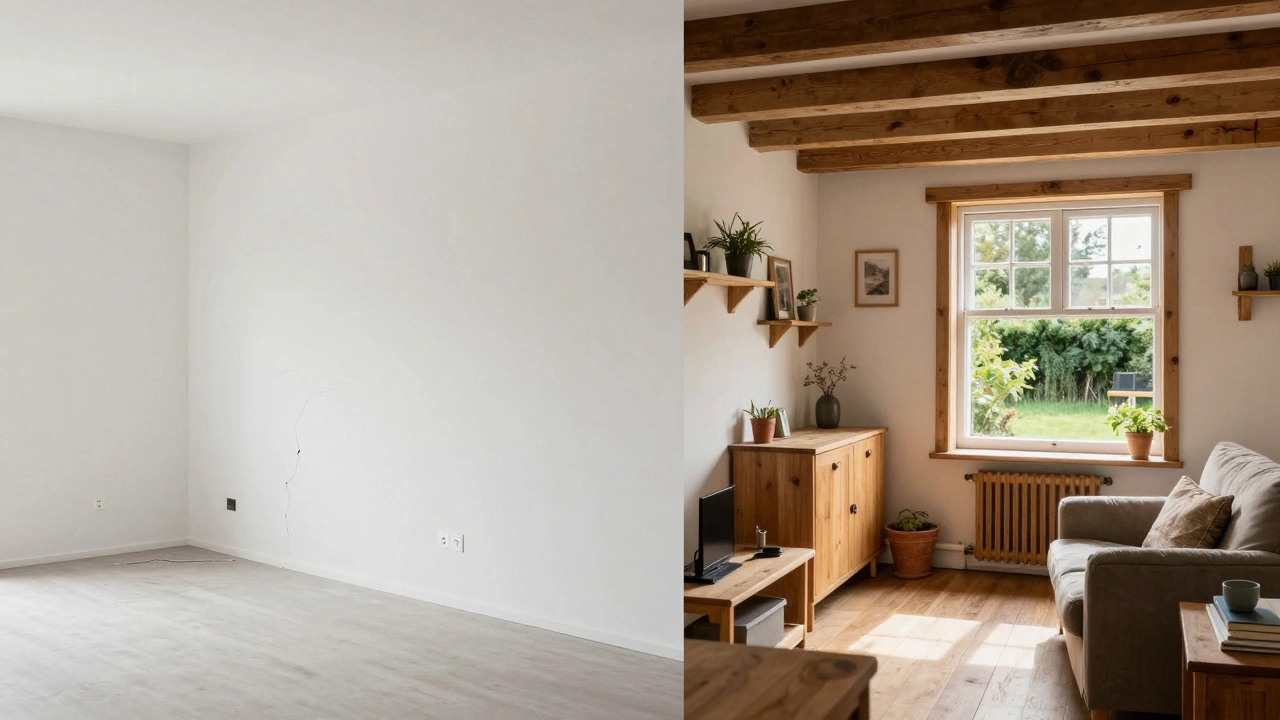
Comparison: New Build vs. Existing Home
| Factor | Custom New Build | Existing Home |
|---|---|---|
| Initial Cost Predictability | Low (High risk of overruns) | High (Fixed listing price) |
| Time to Move-In | 9-18+ Months | 30-60 Days |
| Maintenance (First 5 Years) | Very Low | Variable (Depends on age) |
| Energy Efficiency | High (Modern codes) | Lower (Unless renovated) |
| Landscaping/Maturity | None (Dirt lot) | Established gardens/trees |
| Stress Level | Very High | Moderate |
Is It Worth It? Weighing the Trade-Offs
Despite these cons, people still build. Why? Because customization and efficiency are powerful motivators. A new home meets modern energy codes, reducing long-term utility bills. You avoid the immediate repair costs of an old roof or plumbing system. You get the layout you want, not the one left by a stranger.
However, the decision should not be romanticized. It is a business transaction fraught with risk. To mitigate the downsides, you need to be prepared. Hire an independent third-party inspector during critical phases (foundation, framing, pre-drywall). Secure fixed-price contracts with clear penalty clauses for delays. Build a contingency fund of at least 20% above your estimated budget. And perhaps most importantly, ask yourself if the convenience of buying an existing home might actually serve your lifestyle better than the chaos of construction.
The grass isn’t always greener on the other side of the fence. Sometimes, it’s just freshly sodded and needs watering.
How much extra money should I set aside for a custom home build?
You should set aside at least 15-20% of your total projected budget as a contingency fund. This covers unexpected site conditions, material price increases, and design changes. For example, if your builder quotes $400,000, you should have access to $480,000 to ensure you don't run out of cash mid-project.
What is the biggest cause of delays in new home construction?
Weather is the most common cause of delays, followed by labor shortages and material supply chain issues. Permits and inspections can also cause bottlenecks if local government offices are understaffed. Always build buffer time into your moving date.
Do new homes require less maintenance than older homes?
Yes, generally for the first 5-10 years. New roofs, HVAC systems, and plumbing are under warranty and unlikely to fail. However, you will spend more time maintaining landscaping since the grounds are likely bare dirt or young plants that need regular care to establish roots.
Can I stop the construction if I go over budget?
Technically yes, but it is financially disastrous. Stopping work leaves you with a partially built shell exposed to weather damage. You may also face penalties for breach of contract. It is crucial to monitor expenses monthly and make value-engineering decisions early if costs spiral.
What warranties are standard for new builds?
Most reputable builders offer a 1-year warranty on workmanship and materials, and a 10-year structural warranty covering the foundation and load-bearing elements. Some manufacturers offer separate warranties for appliances and HVAC units, which can range from 5 to 10 years.