
What are Roof Workers Called? A Guide to Roofing Job Titles
 Apr, 13 2026
Roofing Role Finder
What is your current situation?
Select the scenario that best matches your needs to see who you should hire.
Quick Reference Guide
Quick Guide to Roofing Titles
- Roofer: The general term for anyone who installs or repairs roofs.
- Roofing Contractor: The business owner or licensed professional who manages the project.
- Journeyman: A skilled worker who has completed an apprenticeship.
- Roofing Laborer: An entry-level worker who handles heavy lifting and cleanup.
- Steeplejack: A specialist who works on high towers, spires, and chimneys.
The Basics: Roofer vs. Roofing Contractor
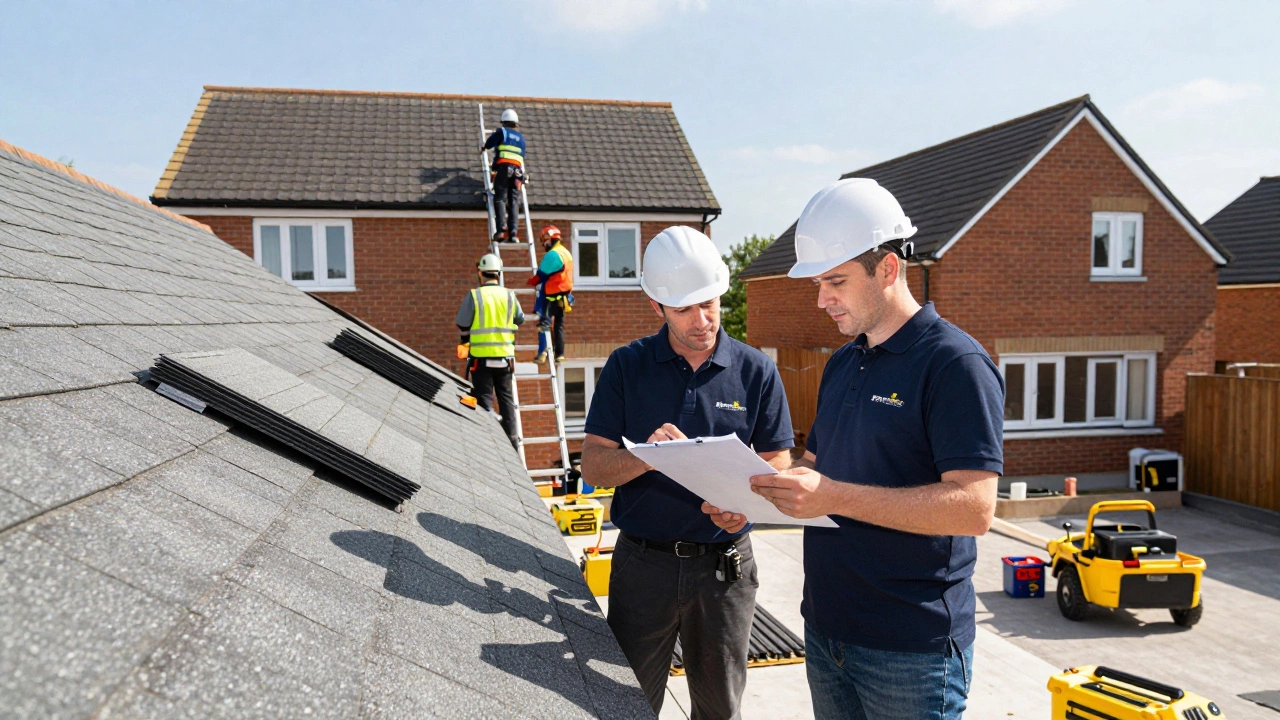
Most people use the word roofer is a general term for a tradesperson who specializes in the installation, repair, and maintenance of roofs to describe anyone on a ladder. While it's not technically wrong, there is a big difference between the person nailing down shingles and the person who signed the contract.
A Roofing Contractor is usually the entity that manages the entire operation. They aren't just workers; they are business owners. They handle the permits, insurance, and warranties. If you hire a contractor, you're paying for the management of the project and the guarantee that the work meets local building codes. If you hire a "roofer" who isn't a licensed contractor, you might be hiring a freelancer. That's fine for a small patch job, but for a full tear-off, you want the legal protection that comes with a licensed contract.
The Hierarchy of Skill Levels
Not everyone on a roof has the same level of experience. If you see a crew of six people, they aren't all doing the same job. The structure usually follows a traditional trade hierarchy.
At the bottom, you have the Roofing Laborer. These folks are the backbone of the site. They spend their day hauling bundles of shingles up ladders, ripping off old felt, and sweeping the driveway. They are learning the ropes but aren't yet qualified to lead a project or make technical decisions about flashing or ventilation.
Then you have the Journeyman Roofer. This person has moved past the apprentice stage. They have a deep understanding of how to prevent leaks and can work independently. They are the ones usually tasked with the precision work, like installing valley flashing or integrating the roof with a chimney.
At the top is the Master Roofer. This is someone with years-often decades-of experience. They can look at a sagging roofline and tell you exactly where the structural rafters are rotting without even stepping foot in the attic. They often act as the site foreman, directing the rest of the crew to ensure the job is done right the first time.
Specialists: Not All Roofs Are the Same
Depending on what your house is made of, you might need a specialist rather than a general roofer. A guy who is great at asphalt shingles might be completely lost when faced with a slate roof or a complex commercial flat roof.
For example, Flat Roof Specialists deal with materials like EPDM (ethylene propylene diene monomer) or TPO (thermoplastic polyolefin). These are rubber-like membranes used on warehouses or modern homes. This is a totally different skill set than residential sloping roofs; it's more about seamless welding and water-tight membranes than nailing shingles.
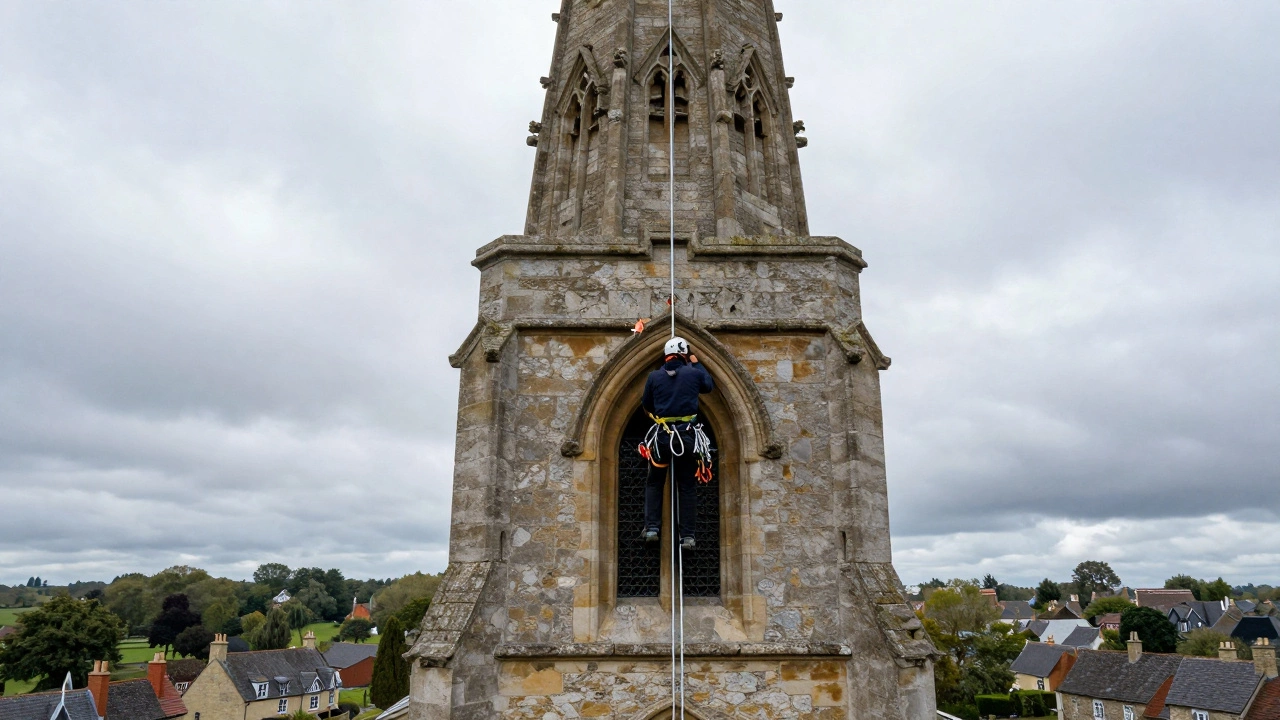
Then there are the high-flyers. A Steeplejack is a specialized worker who climbs incredibly high structures like church spires, clock towers, or industrial chimneys. They use advanced rigging and safety gear that a standard residential roofer would never touch. If your home has a very steep, narrow peak or a decorative spire, a steeplejack is the person you call.
| Role | Primary Focus | Skill Level | Key Tool/Material |
|---|---|---|---|
| Laborer | Tear-off & Cleanup | Entry | Shovels & Brooms |
| Journeyman | Installation | Intermediate | Nail Gun & Flashing |
| Master Roofer | Quality Control | Expert | Blueprints & Laser Levels |
| Contractor | Project Management | Business | Contracts & Permits |
How to Tell Who You're Actually Hiring
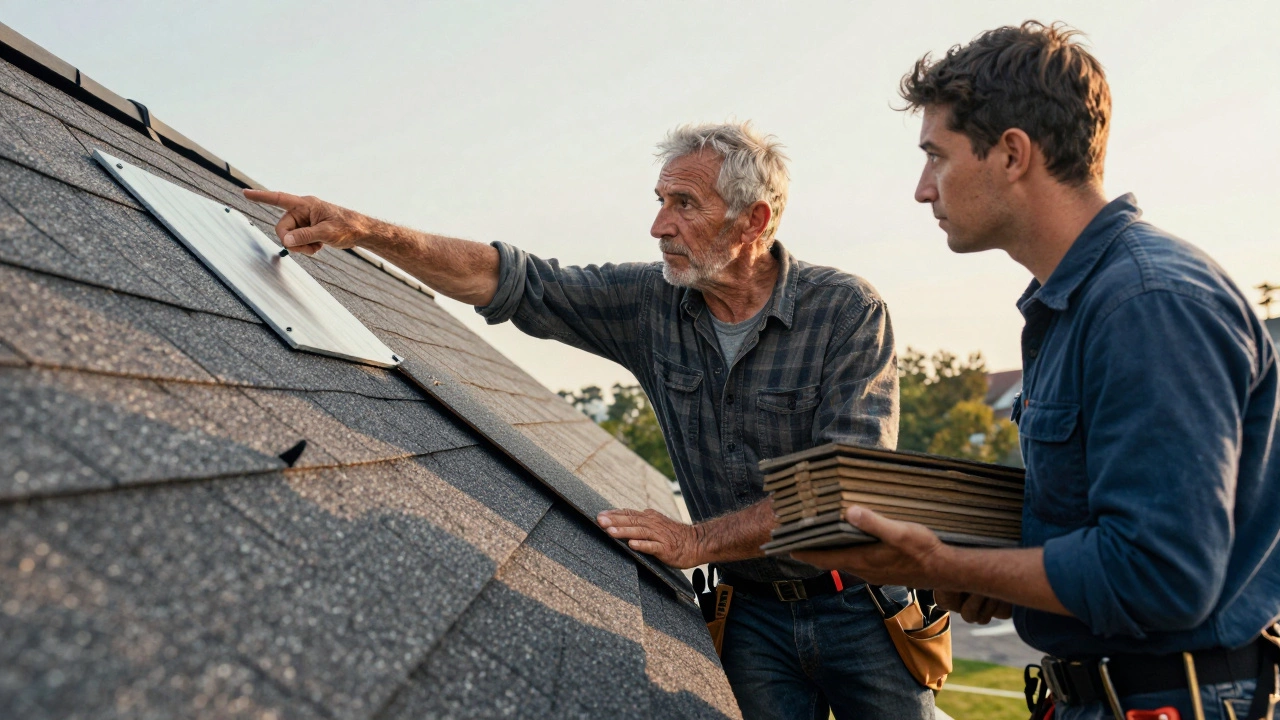
When you call a company, they'll often use a variety of titles to sound more professional. To figure out who will actually be on your roof, you need to ask specific questions. Don't just ask, "Who is the roofer?"
Ask who the Foreman is. The foreman is the person responsible for the crew's performance on-site. If the contractor is only visiting once a week, the foreman is your primary point of contact. Knowing if the foreman is a Master Roofer or just a senior journeyman tells you how much technical expertise is actually present during the installation.
Also, check for Roofing Certifications. Many high-end material manufacturers, like GAF or CertainTeed, offer certifications. A "Certified Master Applicator" isn't just a title the company made up; it's a credential that means the worker has been trained and tested by the manufacturer. This is a huge deal because it often allows the contractor to offer extended warranties that a non-certified roofer simply can't provide.
Common Pitfalls in Roofing Terminology
One of the biggest mistakes homeowners make is confusing a Handyman with a professional roofer. A handyman is a jack-of-all-trades. They can fix a leaky faucet and maybe replace a few broken shingles. However, they usually lack the specialized equipment (like high-capacity compressors and industrial safety harnesses) and the deep knowledge of Roof Ventilation systems.
If you hire a handyman for a job that requires a professional roofer, you risk "band-aid" repairs. A professional knows that a leak in the living room might actually be caused by a problem with the flashing on a chimney ten feet away. A handyman might just put sealant over the leak, which hides the problem until the next big storm causes a ceiling collapse.
The Path to Becoming a Professional
If you're looking at this from a career perspective, the journey usually starts with an apprenticeship. You don't just wake up as a master. Most professionals spend three to five years working under a mentor, learning the physics of water runoff and the chemistry of different adhesives. This hands-on training is why the industry relies so heavily on the "Journeyman" title-it's a signal that the worker has put in the time and passed the tests.
Beyond the manual labor, modern roofing involves a lot of tech. Many contractors now use drones for initial inspections to avoid putting a worker at risk on a steep pitch. They use satellite imagery to calculate the exact square footage of a roof to avoid wasting materials. So, while we call them "roofers," the modern version of the job is as much about data and technology as it is about hammers and nails.
What is the difference between a roofer and a roofing contractor?
A roofer is the person physically performing the work on the roof. A roofing contractor is the licensed business entity or individual who manages the project, handles the legal contracts, secures permits, and provides insurance and warranties for the work performed.
Do I need a specialist for a flat roof?
Yes. Flat roofing uses entirely different materials like TPO or EPDM membranes and requires specialized welding or adhesive techniques. A residential shingle roofer may not have the training or tools to ensure a flat roof is truly watertight.
What does a Steeplejack do?
A steeplejack is a highly specialized worker who handles repairs and installations on very high structures, such as church spires, clock towers, and industrial chimneys, utilizing advanced rigging and climbing equipment.
Is a handyman the same as a roofer?
No. While a handyman can handle minor repairs, they typically lack the specialized training, heavy equipment, and certification required for complex roofing projects, such as full replacements or structural repairs.
What is a Master Roofer?
A Master Roofer is a veteran professional with extensive experience and deep technical knowledge. They often supervise crews (as a foreman) and are capable of diagnosing complex structural issues that less experienced workers might miss.
Next Steps and Troubleshooting
If you're currently trying to hire someone and aren't sure who to call, start by identifying the scope of your project. If you just have a few missing shingles after a storm, a local roofer or even a trusted handyman might suffice. However, if you're seeing water spots on your ceiling or notice a dip in your roofline, you need a Roofing Contractor who can provide a structural assessment and a written warranty.
For those entering the trade, look for companies that offer a structured apprenticeship. Don't be in a rush to move from laborer to journeyman; the a-ha moments in roofing usually happen when you see how a poorly installed valley fails five years later. Understanding the "why" behind the installation is what separates a lifelong professional from someone who just knows how to use a nail gun.