
What Are the 4 Types of Construction? A Complete Guide to Building Classifications
 Jul, 2 2026
Construction Type Identifier & Guide
Select the category that best describes your project to unlock specific insights, regulatory requirements, and risk factors.
Residential
Houses, Apartments, Condos
Commercial
Offices, Retail, Hotels
Industrial
Factories, Warehouses, Plants
Infrastructure
Roads, Bridges, Utilities
Project Profile
Key Characteristics
Critical Considerations
Risk Profile:
Typical Timeline:
Next Steps
How It Compares
| Feature | Residential | Commercial | Industrial | Infrastructure |
|---|---|---|---|---|
| Primary Goal | Habitation & Comfort | Revenue Generation | Production Efficiency | Public Service & Durability |
| Typical Owner | Individuals / Developers | Investors / Corporations | Manufacturing Companies | Government Agencies |
| Key Regulation | Zoning & Building Codes | Accessibility & Fire Safety | Environmental & Safety Laws | Public Procurement Rules |
| Budget Source | Mortgages / Private Equity | Corporate Funds / Loans | Capital Expenditure | Taxpayer Funds / Bonds |
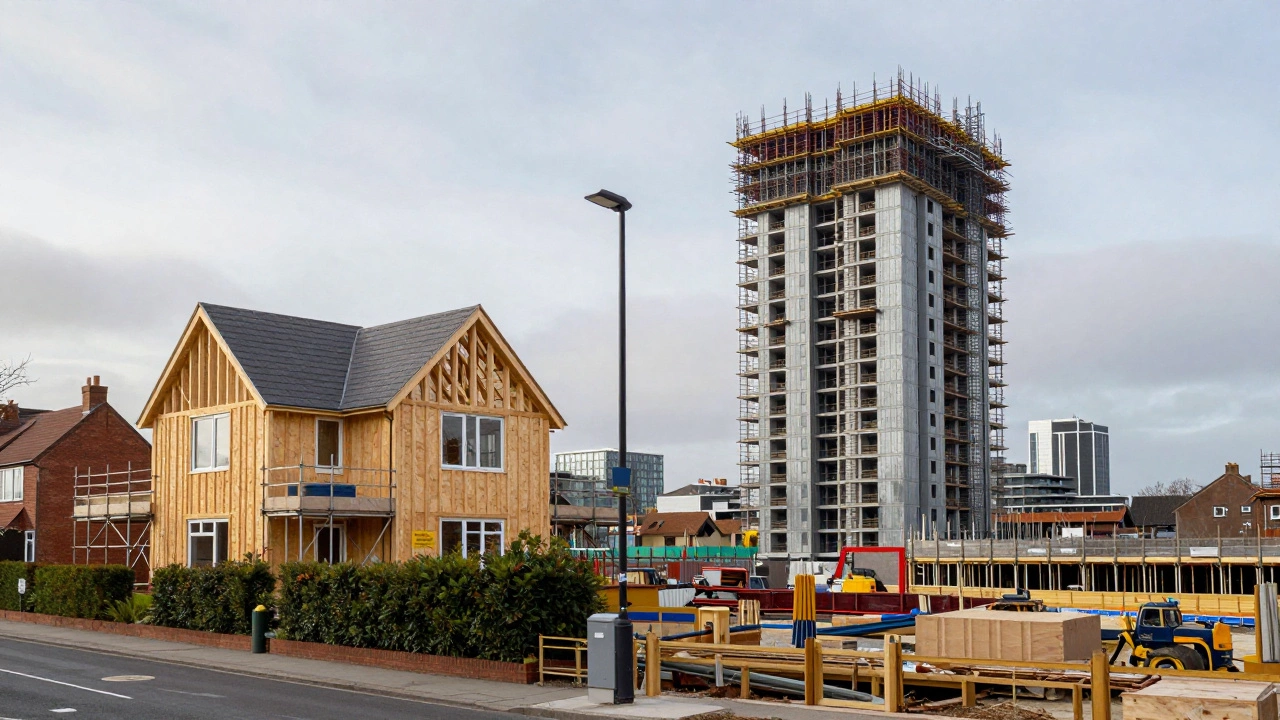
Walking past a half-finished skyscraper in Wellington, you might wonder how it differs from the suburban house being built down the street. The materials look similar-concrete, steel, glass-but the rules, risks, and rewards are completely different. Understanding these differences isn't just academic; it determines who can legally work on the project, what insurance is needed, and how much money is at stake.
When people ask about the "four types of construction," they are usually referring to the four main sectors of the industry: residential, commercial, industrial, and infrastructure. Each sector has its own language, regulatory framework, and economic drivers. If you are planning a project or looking to hire a contractor, knowing which bucket your project falls into saves you from costly mistakes.
Quick Summary: The 4 Main Sectors
- Residential: Buildings for living (houses, apartments). Focuses on aesthetics, comfort, and local zoning codes.
- Commercial: Buildings for business (offices, retail, hotels). Driven by ROI, tenant needs, and strict accessibility laws.
- Industrial: Facilities for production (factories, power plants). Prioritizes safety, specialized equipment, and operational efficiency.
- Infrastructure: Public works (roads, bridges, utilities). Heavily regulated, government-funded, and focused on durability and public safety.
1. Residential Construction: Where People Live
Residential construction is the building of structures designed for human habitation. This is the most visible type of construction because we all live in or near these buildings. It splits further into two sub-categories: single-family homes (detached houses) and multi-family units (apartments, condos, townhouses).The primary goal here is livability. You aren't just pouring concrete; you are creating a space where families cook, sleep, and raise children. This means the finish quality matters immensely. A cracked tile in a factory floor is an annoyance; a cracked tile in a kitchen is a lawsuit waiting to happen.
Key Characteristics:
- Regulation: Governed by local building codes and zoning laws. In New Zealand, this involves compliance with the Building Code and council consents.
- Materials: Wood framing is common for single-family homes due to cost and ease of use. Concrete and steel are used for high-rise apartments.
- Timeline: Single-family builds can take 6-12 months. Large apartment complexes may take 2-4 years.
- Risk Profile: Lower financial risk per unit compared to commercial projects, but higher sensitivity to interest rates and consumer confidence.
If you are hiring for a residential project, look for contractors who specialize in finishes and client communication. They need to manage expectations about color choices, fixture upgrades, and minor changes that homeowners often request mid-build.
2. Commercial Construction: The Engine of Business
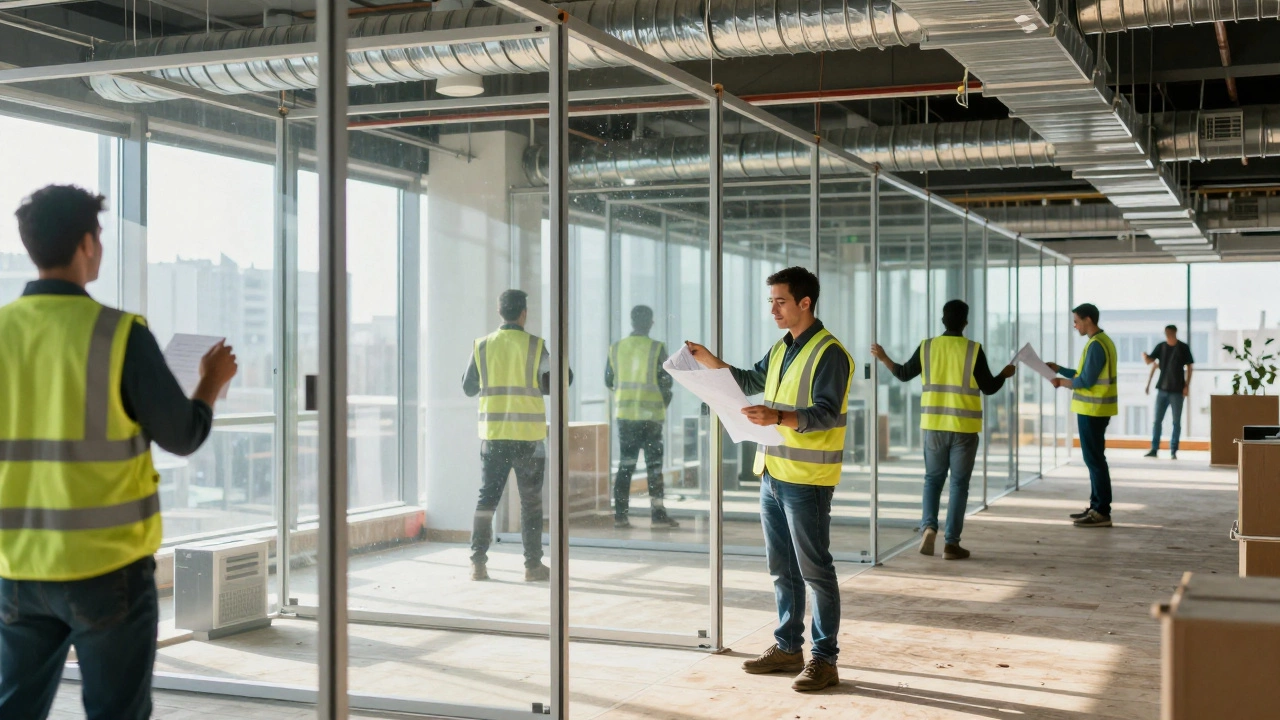
Commercial construction is the development of non-residential buildings intended for business activities. This includes office towers, shopping malls, hospitals, schools, and hotels. Unlike residential builds, the end-user is rarely the owner. Instead, the owner leases the space to tenants who generate revenue.This distinction changes everything. Because the building must make money, the design focuses on maximizing usable square footage, efficient HVAC systems, and flexible layouts. An office floor plan needs to accommodate open-plan workspaces today and private offices tomorrow without tearing down walls.
Key Characteristics:
- Scale: Larger footprint and height restrictions determined by city planning.
- Complexity: Requires coordination between dozens of subcontractors (electrical, plumbing, HVAC, fire suppression, IT cabling).
- Codes: Must meet strict accessibility standards (like ADA in the US or NZS 4121 in New Zealand) and fire safety regulations for high-occupancy buildings.
- Contract Types: Often uses Design-Bid-Build or Design-Build models. General Contractors (GCs) play a central role in managing the schedule.
A common pitfall in commercial construction is underestimating the time required for permit approvals. In dense urban areas like Auckland or Sydney, getting consent for a new mixed-use building can take months before a single shovel hits the ground.
3. Industrial Construction: Built for Production
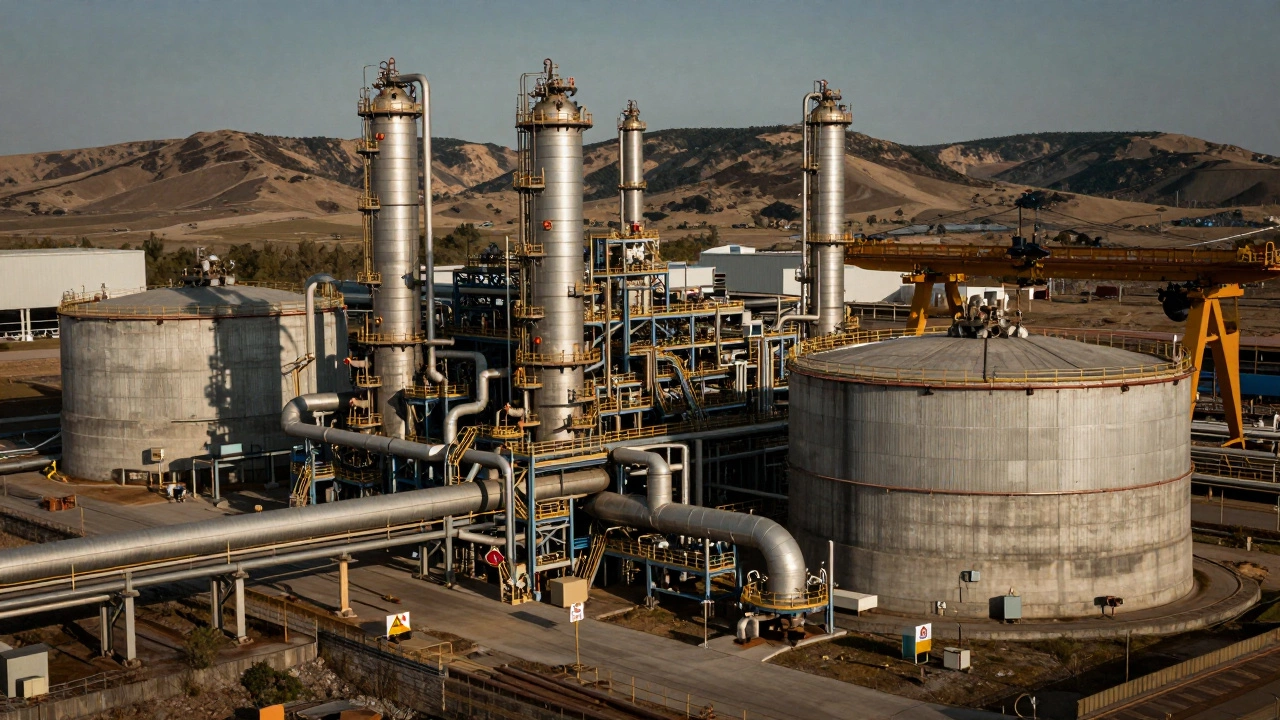
Industrial construction is the creation of facilities used for manufacturing, processing, assembly, and energy generation. Think factories, refineries, power plants, and warehouses. These buildings are not designed for people to stay in comfortably; they are designed to house heavy machinery and protect raw materials.The priorities here shift dramatically from aesthetics to function and safety. A chemical plant needs secondary containment for spills. A food processing facility needs stainless steel surfaces and specific drainage slopes. The construction team must understand the operational workflow of the client, not just the architectural drawings.
Key Characteristics:
- Specialization: Requires engineers with expertise in process piping, electrical high-voltage systems, and environmental controls.
- Location: Often located outside city centers to minimize noise and pollution impact on residents.
- Durability: Floors must withstand heavy forklift traffic. Roofs may need to support cranes or large ventilation units.
- Safety: Highest risk profile. Strict adherence to OSHA (or equivalent local safety bodies) standards is mandatory.
Industrial projects often involve long-term relationships between owners and contractors. Once a factory is running, downtime costs millions. Therefore, the construction phase must be meticulously planned to avoid delays that push back the start of production.
4. Infrastructure Construction: The Backbone of Society
Infrastructure construction is the building of public works and civil engineering projects that support community life. This category includes roads, bridges, tunnels, dams, water treatment plants, and airports. These projects are typically funded by governments and taxpayers.Infrastructure is unique because it is rarely owned by a private entity. The "client" is the public, represented by government agencies. This leads to a highly bureaucratic procurement process. Bids are public, contracts are rigid, and transparency is required at every step.
Key Characteristics:
- Funding: Primarily public funds, bonds, or public-private partnerships (PPPs).
- Lifespan: Designed to last 50-100 years. Quality control is extreme because repairs are disruptive and expensive.
- Impact: Projects often disrupt daily life (traffic detours, noise). Community engagement is a critical part of the pre-construction phase.
- Weather Dependence: Outdoor work makes schedules vulnerable to weather events. Winter freezes or summer rains can halt progress.
In New Zealand, recent infrastructure spending has focused on transport networks and flood mitigation. For example, the construction of the Waterview Connection in Auckland involved complex tunneling and bridge work that required precise coordination with rail operators and local communities.
Comparison Table: At a Glance
| Feature | Residential | Commercial | Industrial | Infrastructure |
|---|---|---|---|---|
| Primary Goal | Habitation & Comfort | Revenue Generation | Production Efficiency | Public Service & Durability |
| Typical Owner | Individuals or Developers | Investors or Corporations | Manufacturing Companies | Government Agencies |
| Key Regulation | Zoning & Building Codes | Accessibility & Fire Safety | Environmental & Safety Laws | Public Procurement Rules |
| Project Duration | Months to 1 Year | 1-3 Years | 1-5 Years | 2-10+ Years |
| Budget Source | Mortgages / Private Equity | Corporate Funds / Loans | Corporate Capital Expenditure | Taxpayer Funds / Bonds |
Why Classification Matters for Your Project
You might think these categories are just academic labels, but they dictate the legal and financial structure of your build. Here is why getting it right matters:
1. Insurance Requirements
A general liability policy for a home builder looks very different from one for a highway contractor. Industrial sites require coverage for hazardous materials. If you misclassify your project, you could be denied claims when accidents happen.
2. Contractor Expertise
A great residential builder might struggle with the logistical complexity of a commercial office fit-out. Conversely, a large civil engineering firm might overcharge for a simple garage extension. Match the contractor’s core competency to your project type.
3. Permitting Process
Residential permits are often handled at the county or city level with streamlined checklists. Commercial and infrastructure projects require environmental impact assessments, traffic studies, and multiple agency approvals. Knowing this upfront helps you budget for consulting fees and timeline buffers.
Common Misconceptions
"Mixed-use buildings are a separate type."
Not exactly. Mixed-use developments (like a shop with apartments above) combine residential and commercial elements. They follow the stricter code of the two-in this case, commercial fire and safety standards usually apply to the whole structure.
"Renovations don't count as construction."
They do. Renovation is a subset of each type. Retrofitting an old factory into lofts is still industrial-to-residential conversion, subject to both sets of codes.
"All construction is about building up."
Demolition and site preparation are critical phases, especially in infrastructure and industrial sectors. Clearing land safely is often more dangerous than erecting the structure itself.
Next Steps: How to Proceed
If you are starting a project, first identify which of the four types applies. Then, take these steps:
- Define the Scope: Write a clear description of what you want to build. Include square footage, intended use, and key features.
- Check Local Zoning: Contact your local council or planning department. Ask specifically about restrictions for your project type.
- Hire the Right Team: Look for contractors with recent experience in your specific sector. Ask for references from similar projects.
- Budget for Contingencies: Add 10-20% to your budget for unforeseen issues. Industrial and infrastructure projects should lean toward the higher end of this range.
Understanding the four types of construction gives you a roadmap. It helps you ask the right questions, choose the right partners, and navigate the complex web of regulations. Whether you are building a dream home or a distribution center, clarity at the start prevents chaos later.
What is the difference between commercial and industrial construction?
Commercial construction focuses on spaces for people to conduct business, like offices and retail stores. Industrial construction focuses on facilities for producing goods or generating energy, like factories and power plants. Industrial buildings prioritize machinery safety and environmental controls, while commercial buildings prioritize tenant comfort and accessibility.
Is a school considered commercial or infrastructure construction?
Schools are typically classified as institutional construction, which is a sub-sector of commercial construction. However, if the school is publicly funded and built by a government agency, it may follow infrastructure procurement processes. The key factor is whether the building serves a public service function funded by taxes.
Which type of construction is most profitable for contractors?
Profitability varies by region and market conditions. Generally, industrial and infrastructure projects offer higher margins due to their complexity and specialized requirements, but they also carry higher risks and longer payment cycles. Residential construction has lower margins but faster turnover. Commercial projects sit in the middle, balancing scale with moderate risk.
Do I need a special license for infrastructure construction?
Yes, infrastructure projects often require contractors to hold specific certifications and licenses related to civil engineering, public works, and environmental compliance. Government tenders frequently mandate proof of past performance on similar public projects and financial stability audits.
How does location affect the type of construction?
Location dictates zoning laws, climate considerations, and material availability. For example, coastal areas may restrict high-density residential builds to preserve views, while inland industrial zones may have fewer aesthetic constraints. Earthquake-prone regions like New Zealand require stricter structural engineering across all construction types.