
What is a New Build Home? Definition, Types, and Buyer Guide for 2026
 Jul, 20 2026
New Build Home Decision Tool
Configure Your Priorities
Select your preferences and click "Analyze Best Fit" to see which new build option suits you best.
Buying a house is stressful enough without wondering if the roof will leak or if the pipes are corroded. That is why many buyers look at brand-new properties. But what exactly counts as a new build home? Is it just a house built last year? Does it include renovated apartments? Or does the term have a strict legal definition that affects your mortgage?
In 2026, the definition of a new build has shifted slightly due to changing building codes and sustainability standards. Understanding this distinction is crucial because it changes how you finance the property, what warranties you receive, and even how much stamp duty or transfer tax you might pay. Let’s break down what makes a home "new," the different ways you can buy one, and the hidden traps you need to watch out for.
The Official Definition: What Makes a Home "New"?
There is no single global rule for what constitutes a new build, but most real estate markets and banks use specific criteria. Generally, a new build home is a residential property constructed from the ground up after a certain date, often within the last three to five years. However, the age of the building is only part of the story.
The key factor is whether the property has been previously occupied. If a developer builds a house and sells it before anyone moves in, it is a new build. If that same house sits empty for two years and then sells, it is still considered a new build by most lenders and insurers because the systems (plumbing, electrical, HVAC) have not undergone wear and tear from residents.
However, once a buyer moves in and lives there for more than a few months, the property transitions into the "second-hand" or "resale" market. This shift matters because new builds come with statutory warranties that protect you against structural defects. These protections usually expire or diminish significantly once the property becomes resale stock.
Types of New Build Homes
Not all new constructions are created equal. The way you buy a new home dictates your level of control, risk, and timeline. There are three primary categories you will encounter in the current market.
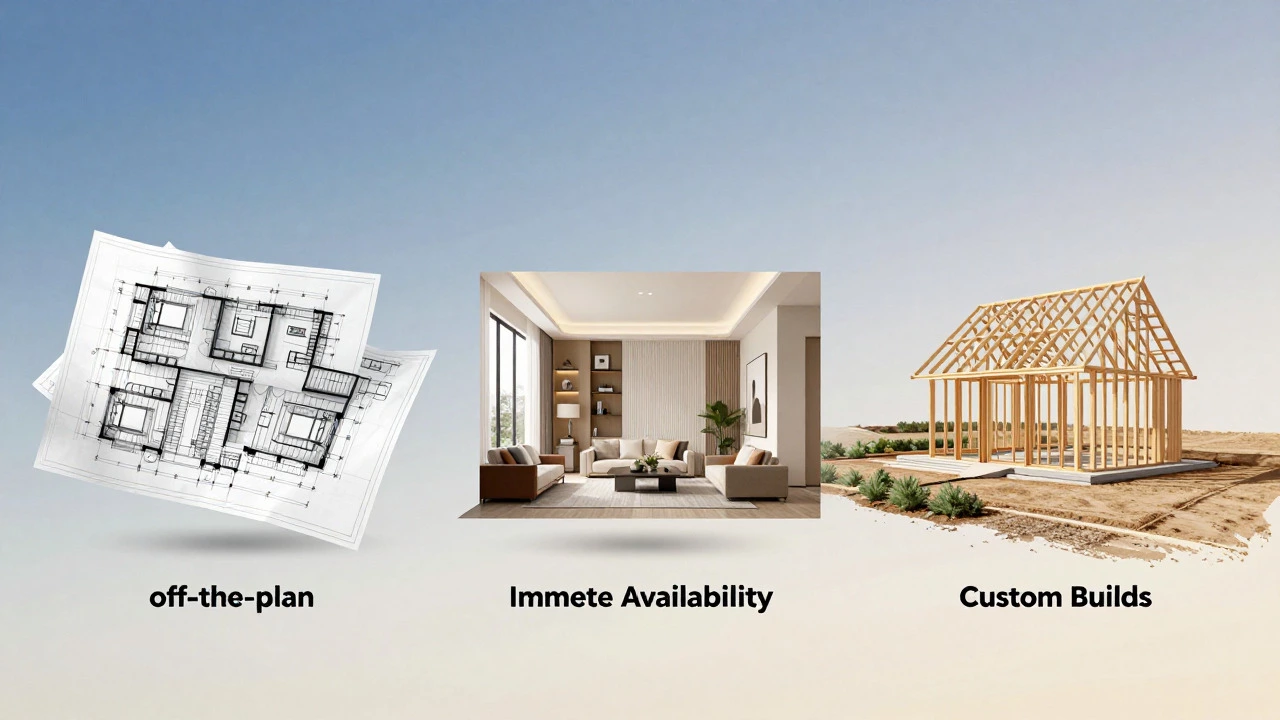
- Off-the-Plan Purchases: You buy the home based on architectural plans and renderings before construction begins. This is common in large apartment complexes or housing estates. The benefit is often lower entry prices and customization options. The risk? Construction delays and the final product might differ slightly from the model unit.
- Show Homes and Display Units: These are fully built homes used by developers to showcase their work. They are often available for immediate purchase. While they are "new," they may have suffered minor wear from visitors walking through them. Buyers often negotiate discounts on these units because the developer wants quick cash flow.
- Custom Builds on Your Land: You own the land and hire a builder to construct a home according to your specifications. This offers the highest level of personalization but carries the highest risk regarding budget overruns and timeline management.
Each type requires a different approach to inspection and financing. For instance, off-the-plan buyers often rely on stage payments, while show home buyers need immediate settlement funds.
| Type | Timeline | Customization | Risk Level | Price Negotiation |
|---|---|---|---|---|
| Off-the-Plan | 12-24 months | High (early stages) | Medium (delays) | Low (fixed price) |
| Show Home | Immediate | None | Low (visible condition) | High (developer urgency) |
| Custom Build | 6-18 months | Total | High (budget creep) | Medium (contractor rates) |
Warranties and Legal Protections
One of the biggest advantages of buying a new build is the protection offered by law. In many jurisdictions, including New Zealand and Australia, new homes must come with a statutory warranty. For example, in New Zealand, the Building Act requires builders to provide a warranty certificate for every new dwelling. This covers major defects for six years and minor defects for two years.
These warranties cover things like:
- Structural integrity issues (foundation cracks, wall instability)
- Waterproofing failures (leaking roofs, bathroom moisture ingress)
- Electrical and plumbing system faults
If you buy a resale home, these statutory warranties typically do not apply. You are buying the property "as is," relying solely on pre-purchase inspections. With a new build, the builder is legally obligated to fix significant problems at their own cost during the warranty period. This peace of mind is worth thousands of dollars in potential repair bills.
However, read the fine print. Some warranties exclude damage caused by lack of maintenance or normal wear and tear. For instance, a cracked tile due to heavy impact is not covered, but a tile cracking due to subfloor movement is.
Energy Efficiency and Modern Standards
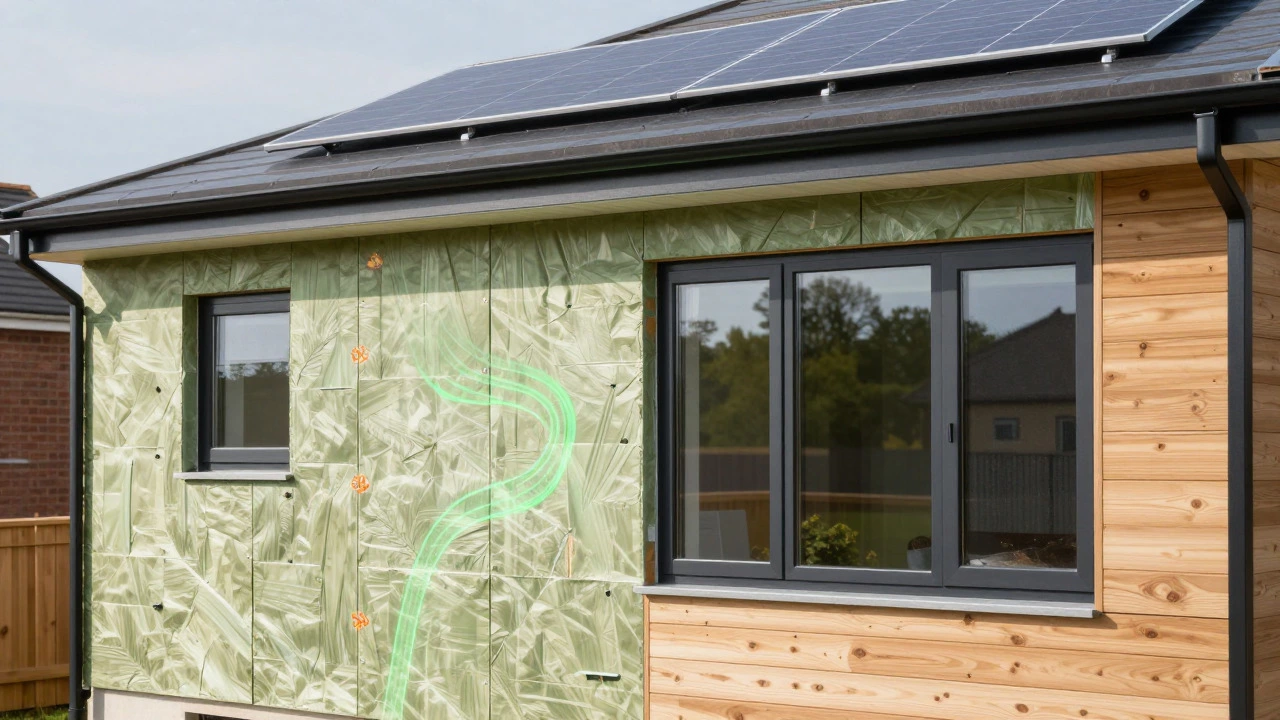
New build homes in 2026 are required to meet stricter energy efficiency standards than older properties. Building codes now mandate better insulation, double-glazed windows, and tighter air sealing. This means lower heating and cooling costs from day one.
Many new developments also integrate smart home technology, such as automated lighting, thermostats, and security systems. These features are becoming standard rather than luxury add-ons. When comparing a new build to an older home, calculate the long-term savings on energy bills. A newer home might cost more upfront, but the reduced operational costs can offset the difference over time.
Sustainability is also a major focus. Many new builds use eco-friendly materials like engineered timber, recycled steel, and low-VOC paints. This not only reduces the environmental footprint but also improves indoor air quality, which is beneficial for health-conscious families.
Common Pitfalls for New Build Buyers
While new builds offer many benefits, they are not without risks. Here are the most common issues buyers face:
- Settlement Delays: Developers often miss completion dates due to supply chain issues or labor shortages. Ensure your contract has clear penalty clauses for late delivery.
- Hidden Costs: The base price might not include landscaping, driveways, or internal finishes. Always ask for a detailed breakdown of what is included and what is extra.
- Location Compromises: New housing estates are often built on the outskirts of cities where land is cheaper. Consider commute times, access to schools, and public transport before committing.
- Quality Control Issues: Even with warranties, some builders cut corners. Hire an independent building inspector to conduct a pre-settlement inspection. Do not rely solely on the council’s final sign-off.
A pre-settlement inspection is critical. It allows you to identify defects before you hand over the keys. Make a list of any issues found and require the builder to fix them before you finalize the purchase.
Financing a New Build Home
Mortgage lenders view new builds differently than resale properties. Because the property is brand new, the risk of immediate structural failure is lower, which can sometimes lead to better loan terms. However, if you are buying off-the-plan, you might need to bridge the gap between deposit payment and settlement.
Interest rates during the construction phase can be variable. Locking in a fixed rate early might protect you from market fluctuations, but if rates drop, you could miss out. Consult with a mortgage broker who specializes in new construction loans to understand the best strategy for your financial situation.
Additionally, check if there are any government grants or incentives for buying new energy-efficient homes. Many regions offer rebates for purchasing properties that meet high sustainability standards, which can reduce your initial outlay.
Is a New Build Right for You?
Deciding between a new build and a resale home depends on your priorities. If you value move-in readiness, modern amenities, and warranty protection, a new build is likely the better choice. If you prefer established neighborhoods, mature gardens, and potentially lower prices per square meter, a resale home might suit you better.
Consider your lifestyle. Do you want the freedom to customize every detail, or do you prefer a turnkey solution? Are you willing to wait for construction to complete, or do you need to move immediately? Answering these questions will help you determine which path aligns with your goals.
Ultimately, a new build home represents a fresh start with fewer unknowns. By understanding the definitions, types, and protections involved, you can navigate the market with confidence and secure a property that meets your needs for years to come.
How long does a new build warranty last?
In most jurisdictions, statutory warranties for new builds cover major structural defects for six years and minor defects for two years. However, specific terms vary by country and builder, so always review your contract carefully.
Can I negotiate the price of a new build home?
Yes, especially for show homes or properties that have been on the market for a while. Developers often have margins for negotiation to close sales quickly. Off-the-plan purchases may have less room for price negotiation but might offer upgrades instead.
What is the difference between off-the-plan and custom build?
Off-the-plan means buying a home based on designs before construction starts, often in a larger development. Custom build involves hiring a builder to construct a unique home on land you already own, offering total design control but higher management responsibility.
Are new builds more energy efficient than older homes?
Generally, yes. New builds must comply with current building codes, which require better insulation, double glazing, and efficient heating systems. This leads to lower energy bills and a smaller carbon footprint compared to older, poorly insulated homes.
Do I need a building inspection for a new build?
Absolutely. Even though the builder provides a warranty, an independent pre-settlement inspection can identify defects early. This gives you leverage to request repairs before you finalize the purchase and move in.