
What Is Considered Major Foundation Repair? Signs, Costs, and Methods
 Jun, 8 2026
Foundation Damage Severity Checker
Check for Warning Signs
Select the symptoms currently present in your property.
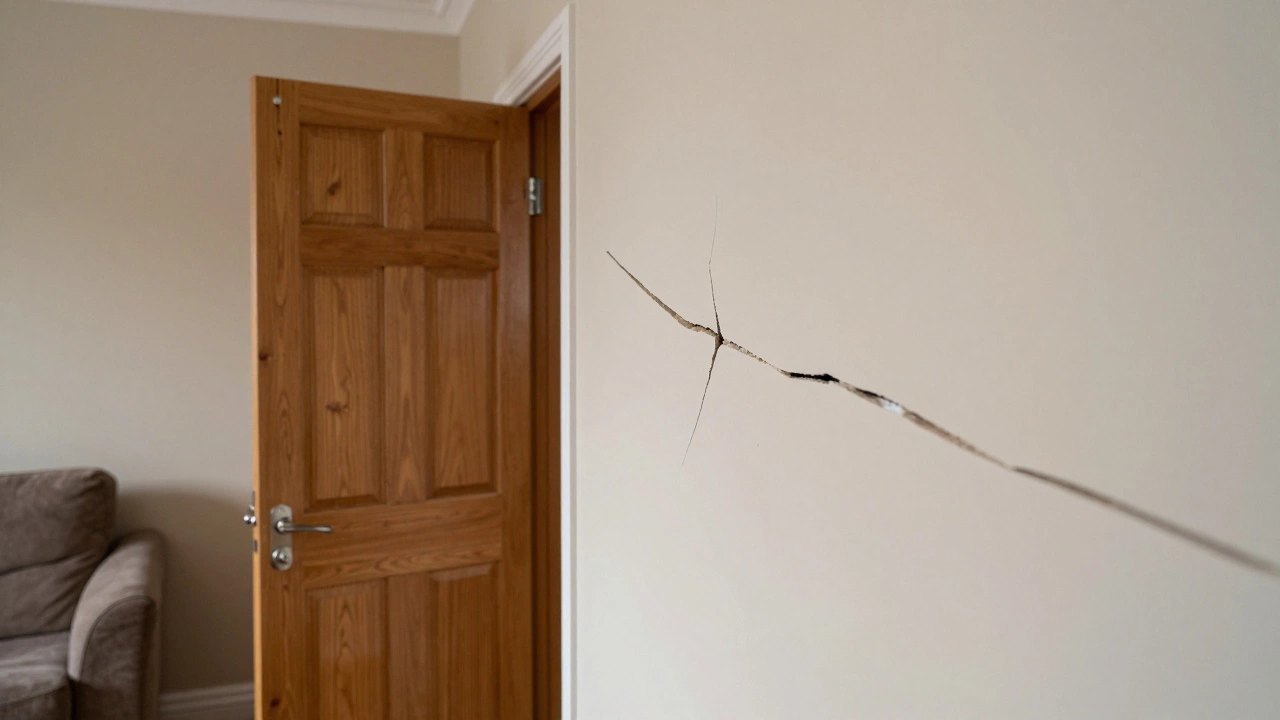
You notice a crack in your living room wall. It’s small, maybe half an inch long. You ignore it for months, hoping it will stop growing. Then, your front door sticks every time you try to close it. The tile floor in the kitchen starts to feel uneven underfoot. Now you’re worried. Is this just normal house settling, or is something serious happening beneath your feet?
Most homeowners struggle to distinguish between cosmetic cracks and major foundation repair needs. The difference isn't just about aesthetics; it's about safety, property value, and financial liability. Understanding what constitutes major structural intervention helps you avoid unnecessary panic over hairline cracks while ensuring you don't miss critical warning signs that require immediate professional attention.
The Difference Between Minor Settlement and Major Structural Failure
All houses settle. When soil compresses under the weight of a structure, the building sinks slightly. This is normal, especially in the first few years after construction. Minor settlement results in hairline cracks-thin fissures less than 1/8th of an inch wide-that rarely worsen. These are typically cosmetic issues addressed with caulk or epoxy injections during routine maintenance.
Major foundation repair becomes necessary when settlement becomes differential. Instead of sinking evenly, one part of your house drops faster than another. This creates stress points that compromise the structural integrity of the entire building frame. Engineers classify this as structural failure rather than simple wear and tear.
To determine if you need major intervention, look at the geometry of the damage. Vertical cracks that remain narrow usually indicate minor movement. However, horizontal cracks, stair-step patterns in brickwork, or diagonal cracks widening at the top suggest significant lateral pressure or vertical displacement. If a credit card fits into the gap, you likely have a problem that goes beyond surface-level fixes.
| Symptom | Minor Issue (Cosmetic) | Major Issue (Structural) |
|---|---|---|
| Crack Width | Less than 1/8 inch | Greater than 1/4 inch or widening |
| Door/Window Function | Occasional sticking | Consistently jammed or unable to latch |
| Floor Levelness | Slight slope imperceptible to eye | Visible bounce, sagging, or gaps under cabinets |
| Exterior Walls | Hairline cracks in stucco/plaster | Separation from corners, large gaps around windows |
Common Methods Used in Major Foundation Repairs
When engineers confirm structural instability, they prescribe specific remediation techniques based on the foundation type and soil conditions. There is no one-size-fits-all solution. The three most common methods for major repairs involve lifting, reinforcing, or replacing sections of the foundation system.
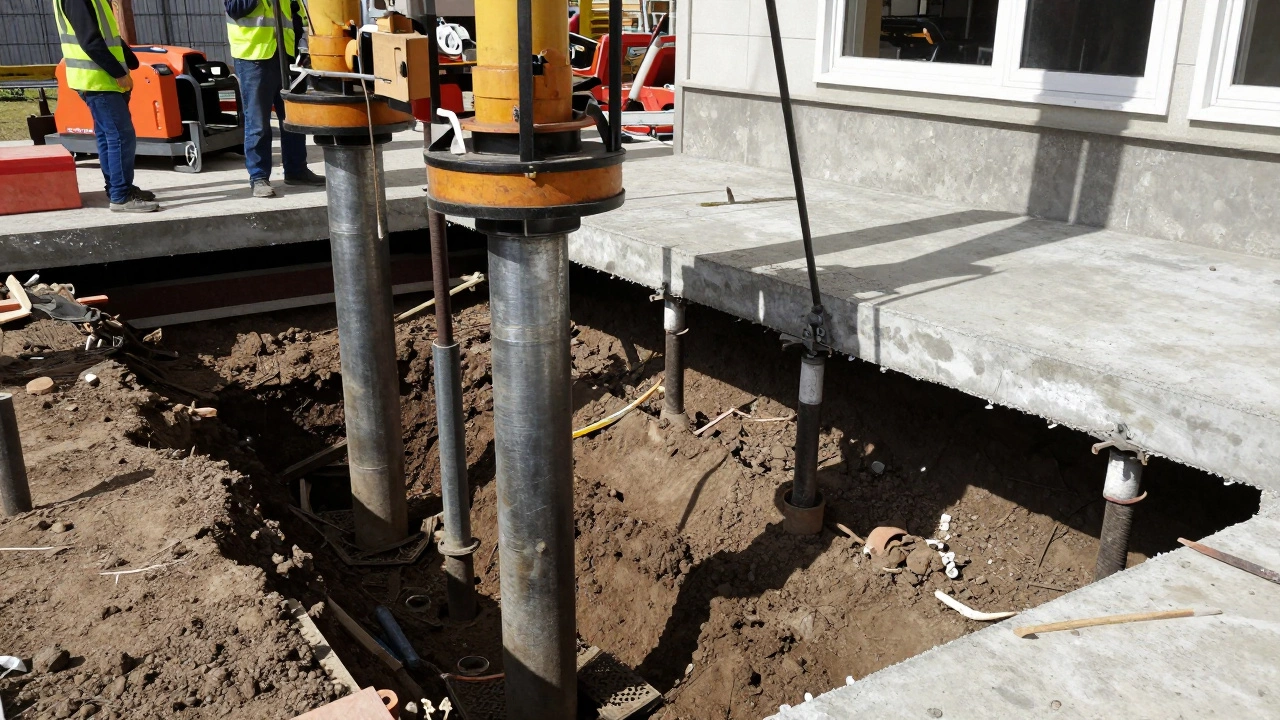
Pier Installation is the process of driving steel or concrete columns deep into the ground until they reach stable load-bearing strata. This method transfers the weight of the house from unstable surface soil to solid bedrock or dense clay layers. Steel push piers and helical piers are standard choices. Push piers are hydraulically driven down, while helical piers are screwed into the earth like giant screws. This technique is essential when significant lifting is required to realign the structure.
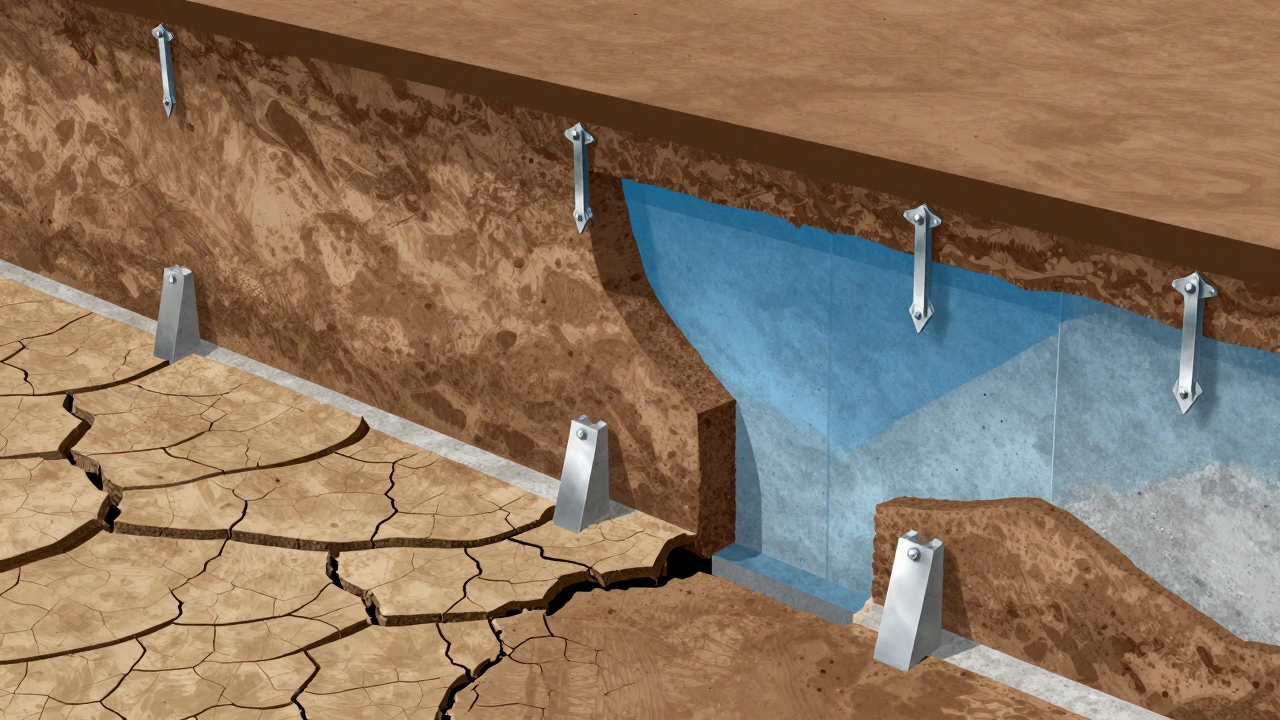
Slab Jacking, also known as mudjacking, is a technique used to lift sunken concrete slabs by injecting a grout mixture underneath them. This works well for driveways, sidewalks, and basement floors where the concrete has settled but remains intact. The fluid mix fills voids and pushes the slab back to its original level. It is less invasive and significantly cheaper than pier installation, but it does not address underlying soil instability that could cause future sinking.
In severe cases, Wall Anchors and Tiebacks are systems installed to stabilize bowing basement walls caused by hydrostatic pressure. As soil expands with water absorption, it pushes against basement walls. Over time, these walls bend inward. Anchors drilled into the exterior soil connect to plates inside the basement, pulling the wall straight and holding it there. This prevents collapse and restores usable space below ground.
Soil Conditions: The Hidden Driver of Foundation Damage
You cannot understand foundation repair without understanding soil. In many regions, including parts of New Zealand and the American Midwest, expansive clay soils dominate. These soils swell when wet and shrink when dry. This constant expansion and contraction cycle exerts tremendous pressure on foundations. A tree planted too close to your house can exacerbate this by drawing moisture from the soil, causing localized shrinkage and subsequent settlement.
Hydrostatic pressure is another culprit. When groundwater levels rise due to heavy rain or poor drainage, the water presses against the foundation walls and floor. Without proper waterproofing and drainage systems, this pressure leads to cracking, leaking, and eventually structural failure. Proper grading around your home-ensuring the ground slopes away from the foundation-is the first line of defense against this issue.
Engineers often perform soil borings before recommending a repair strategy. They analyze soil composition, moisture content, and bearing capacity. This data determines whether piers need to go 10 feet or 30 feet deep. Skipping this step can lead to inadequate repairs that fail within a few years, costing you double in the long run.
Cost Factors and Financial Planning for Major Repairs
Major foundation repair is expensive. Homeowners should expect costs ranging from $5,000 to $20,000 or more, depending on the severity and method required. Pier installation alone can cost $1,500 to $3,000 per pier, and a typical house might need 10 to 20 piers. Slab jacking is cheaper, averaging $3 to $6 per square foot, but only applies to specific types of damage.
Several factors influence the final price:
- Accessibility: If equipment cannot reach the foundation easily, labor costs increase.
- Extent of Damage: More piers or larger wall sections mean higher material and labor expenses.
- Local Labor Rates: Urban areas generally charge more than rural locations.
- Additional Repairs: Fixing interior drywall, flooring, and plumbing after lifting the house adds to the total bill.
It is crucial to get multiple quotes. Reputable contractors provide detailed written estimates that break down materials, labor, and engineering fees. Be wary of companies offering drastically lower prices, as they may cut corners on pier depth or use inferior materials. Always verify licenses and insurance coverage before signing any contract.
Impact on Property Value and Insurance Coverage
A history of major foundation repair affects resale value. Buyers view foundation issues as a red flag, fearing future problems. However, a properly repaired foundation with a transferable warranty can mitigate this concern. Disclosing past repairs honestly builds trust and avoids legal disputes later.
Insurance coverage varies widely. Most standard homeowner policies exclude gradual settlement due to soil conditions or lack of maintenance. They typically cover sudden events like earthquakes or sinkholes. Check your policy details carefully. Some insurers offer add-ons for foundation protection, but premiums can be high. Document all repairs thoroughly, including photos and engineer reports, to support any potential claims or future sales negotiations.
Preventative Maintenance to Avoid Future Issues
Once your foundation is stabilized, maintenance is key to preventing recurrence. Install gutters and downspouts to direct water away from the house. Extend downspouts at least six feet from the foundation. Keep sprinklers aimed away from the base of your home. Plant trees at a safe distance to prevent root intrusion and excessive moisture extraction.
Monitor cracks regularly. Use a crack gauge or simply mark the ends of existing cracks with pencil and date them. If they grow, contact a professional immediately. Early detection prevents minor issues from escalating into major structural failures. Regular inspections by a qualified engineer every few years can provide peace of mind and catch subtle shifts before they become visible disasters.
How do I know if my foundation crack is serious?
A crack is considered serious if it is wider than 1/4 inch, horizontal, or stair-stepped in masonry. Diagonal cracks that are wider at the top than the bottom also indicate structural movement. If doors or windows stick consistently, or floors feel bouncy, the crack is likely part of a larger structural issue requiring professional assessment.
Does foundation repair increase home value?
Yes, a properly repaired foundation stabilizes the home and prevents further depreciation. While the initial cost is high, it protects your investment. Providing documentation of the repair and a transferable warranty can reassure buyers and maintain market value. Unrepaired foundation issues significantly reduce saleability and price.
Is pier installation permanent?
Steel push piers and helical piers are designed to be permanent solutions. They transfer the home's weight to stable soil layers or bedrock, stopping further settlement. With proper installation and ongoing drainage management, these systems can last the lifetime of the structure. Regular monitoring ensures they continue to function correctly.
Can I fix foundation problems myself?
No, major foundation repairs should never be DIY projects. Incorrect techniques can worsen structural damage, leading to collapse risks. Only licensed professionals with specialized equipment and engineering knowledge should handle pier installation, slab jacking, or wall stabilization. Minor cosmetic cracks can be sealed by homeowners, but underlying causes must be addressed professionally.
How much does major foundation repair cost?
Costs vary widely based on severity and method. Expect to pay between $5,000 and $20,000 for most residential repairs. Pier installation ranges from $1,500 to $3,000 per pier. Slab jacking costs $3 to $6 per square foot. Always obtain multiple detailed quotes and ensure the contractor includes engineering fees and warranties in the estimate.