
What Is Not for Commercial Use? A Guide to Zoning and Building Codes
 Jul, 23 2026
Commercial Use Feasibility Checker
Property Details
Check all that apply to your current property status:
Feasibility Assessment
Imagine spending months designing a sleek office space, only to have the city council shut you down because your property is zoned exclusively for single-family homes. It’s a nightmare scenario that happens more often than you’d think. The phrase "not for commercial use" isn’t just legal jargon; it’s a hard boundary line drawn by local governments to protect neighborhoods, manage infrastructure, and ensure safety. But what exactly does it mean, and how do you know if your project crosses it?
In the world of commercial construction, understanding these boundaries is the difference between a smooth permit process and a costly lawsuit. Whether you’re an investor looking to convert a warehouse into lofts or a homeowner trying to run a business from their garage, knowing what falls outside the scope of commercial use is critical. Let’s break down the rules, the red flags, and the hidden traps that keep projects stalled.
The Core Definition: What Makes a Space "Commercial"?
To understand what is not for commercial use, we first need to define what is. In most jurisdictions, including here in New Zealand and across much of the Western world, commercial use refers to any activity conducted for profit, trade, or service provision to the public. This includes retail stores, offices, restaurants, hotels, and industrial facilities.
Commercial construction involves building structures designed for business activities rather than private living. These buildings are subject to stricter regulations regarding fire safety, accessibility, parking, and structural integrity. If a space is designated as "not for commercial use," it typically means the land or structure lacks the necessary zoning designation, building code compliance, or utility capacity to support business operations safely and legally.
- Retail: Stores selling goods directly to consumers.
- Office: Spaces where professional services are rendered.
- Industrial: Warehouses, factories, and distribution centers.
- Hospitality: Hotels, motels, and restaurants.
If your intended use doesn’t fit neatly into these categories, or if the property’s deed explicitly restricts it, you’re likely in the "non-commercial" zone. But the lines can blur, especially with the rise of remote work and mixed-use developments.
Zoning Laws: The First Line of Defense
Zoning is the primary tool cities use to control land use. When a property is labeled "not for commercial use," it’s usually because it sits within a residential, agricultural, or conservation zone. Here’s why that matters:
Residential Zones (R-Zones)
In R-1, R-2, or similar zones, the primary purpose is housing. While you might be allowed to run a small home-based business (like consulting or freelance writing), you generally cannot host clients on-site, display signage, or create additional traffic. Converting a bedroom into a retail shop? That’s a violation. The infrastructure-sewer lines, water pressure, road width-is built for families, not foot traffic or delivery trucks.
Agricultural Zones (A-Zones)
Farm land is strictly regulated to preserve open space and food production. Building a farm-to-table restaurant on pure agricultural land without a special variance is often prohibited. The logic? To prevent urban sprawl and maintain rural character. However, some regions allow "agritourism," which blurs the line slightly but still requires specific permits.
Conservation and Historic Zones
Properties in these areas face even tighter restrictions. You might own a beautiful old barn, but if it’s listed on the historic register, you may not be able to convert it into a boutique hotel without extensive approvals. The goal here is preservation, not profit maximization.
| Zone Type | Primary Use | Commercial Activity Allowed? | Typical Restrictions |
|---|---|---|---|
| R-1 (Single-Family) | Residential Housing | Limited (Home Office) | No external signage, no client visits, no heavy machinery |
| C-1 (Neighborhood Commercial) | Small Retail/Services | Yes | No loud noises, limited hours, low impact |
| I-1 (Light Industrial) | Warehousing/Light Manufacturing | Yes | No hazardous materials, noise limits |
| A-1 (Agricultural) | Farming/Ranching | Rarely | No permanent structures unrelated to farming |
Building Codes: Safety Over Profit
Even if zoning allows a commercial use, the building itself might not be up to snuff. Residential buildings are constructed to different standards than commercial ones. Here’s where "not for commercial use" becomes a safety issue:
Fire Safety and Egress
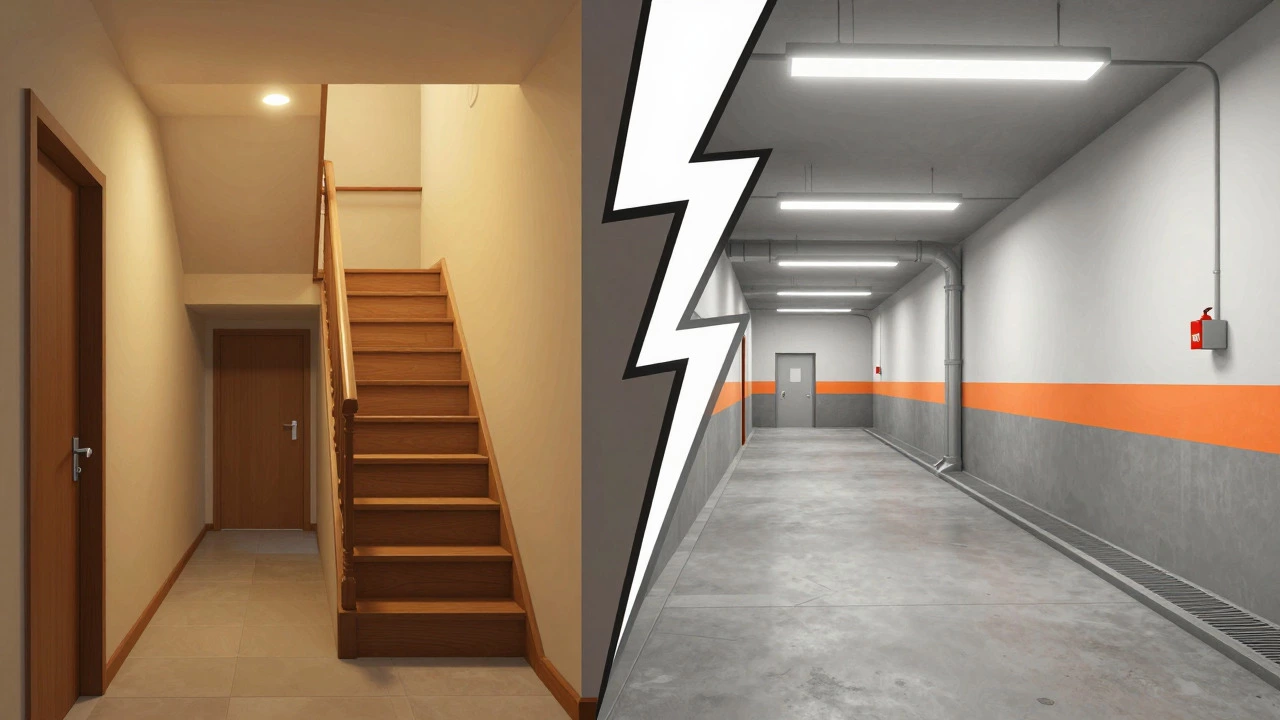
Commercial spaces require wider hallways, more exits, and sprinkler systems. A two-story house converted into a co-working space might fail inspection because the stairs aren’t wide enough for emergency evacuation under commercial code. Fire departments don’t play games; if the egress isn’t compliant, the doors stay locked.
Accessibility (ADA Compliance)
In many countries, commercial spaces must be accessible to people with disabilities. This means ramps, wider doorways, and accessible restrooms. A charming old cottage with narrow steps and no elevator is great for living, but terrible for running a café. Retrofitting these features can cost tens of thousands of dollars, making the project economically unviable.
Electrical and Plumbing Capacity
Commercial kitchens draw massive amounts of power and water. A residential panel rated for 100 amps might trip constantly if you try to run industrial ovens and fryers. Similarly, sewer lines sized for one family will back up quickly if you start hosting 50 customers a day. Upgrading these systems is expensive and invasive.
Hidden Traps: Covenants, Conditions, and Restrictions (CC&Rs)
Sometimes, the government says yes, but your neighbors say no. Homeowners Associations (HOAs) and private deed restrictions can ban commercial use even in commercially zoned areas. For example, a condo complex might prohibit short-term rentals like Airbnb, effectively killing a lucrative investment strategy. Always read the fine print in your title report.
Environmental Restrictions
Land contaminated by previous industrial use might be restricted from new development until cleaned up. Wetlands, floodplains, and endangered species habitats also carry heavy restrictions. Building a commercial center in a floodplain without proper elevation and drainage plans is a recipe for disaster-and denied permits.
How to Verify Before You Build
Don’t guess. Do your homework. Here’s a step-by-step approach to ensure your project isn’t flagged as "not for commercial use":
- Check Local Zoning Maps: Most cities have online GIS tools. Enter your address to see the current zoning classification.
- Review Deed Restrictions: Look for CC&Rs or easements that limit use.
- Consult a Land Use Attorney: They can interpret vague language and advise on variances.
- Talk to the Planning Department: Schedule a pre-application meeting. Ask specifically about your intended use.
- Hire a Code Consultant: They’ll assess the building’s current compliance with commercial codes.
When "Not for Commercial Use" Can Be Changed
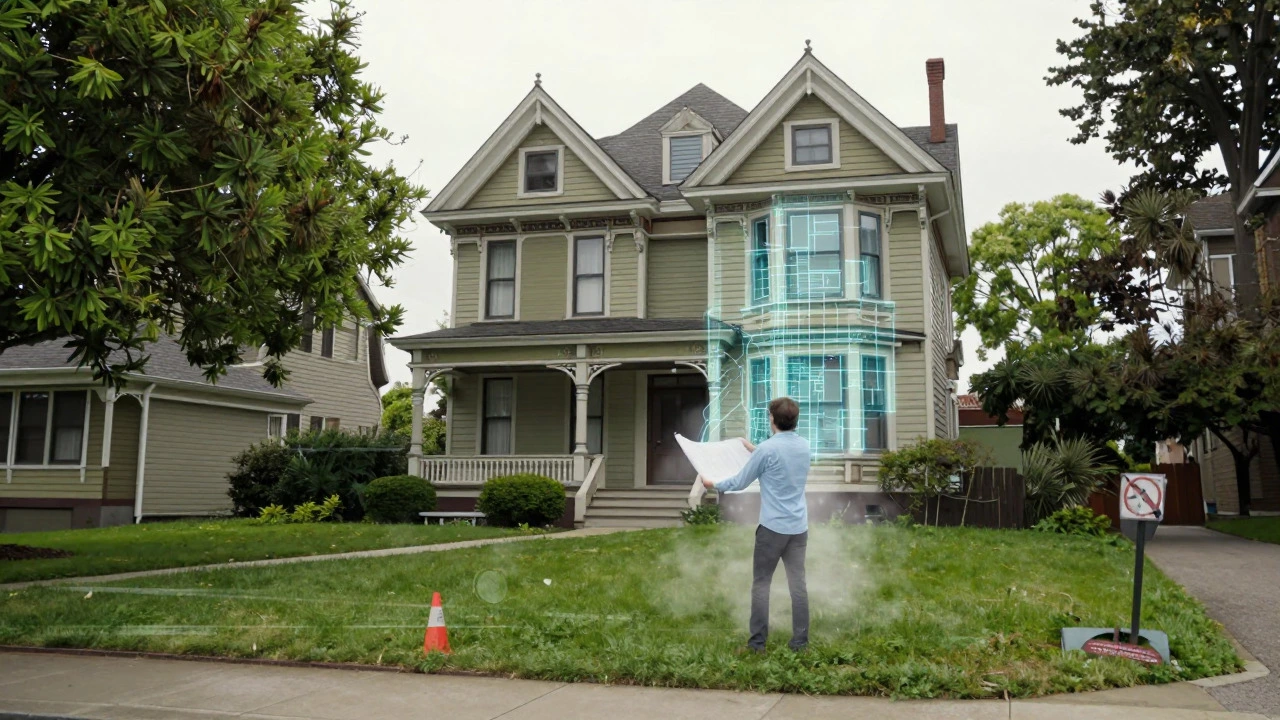
Just because a space is currently non-commercial doesn’t mean it always has to be. You can apply for a zoning variance or a special use permit. These processes involve public hearings and justification. You’ll need to prove that your commercial use won’t negatively impact the neighborhood (e.g., increased traffic, noise, or pollution). It’s time-consuming and not guaranteed, but it’s possible.
Another option is adaptive reuse. Many cities encourage converting old industrial or institutional buildings (like schools or churches) into commercial spaces. These projects often get fast-tracked because they preserve history and revitalize areas. However, they still require significant upgrades to meet modern commercial codes.
Real-World Examples: Lessons Learned
Consider Sarah, who bought a large Victorian home in Wellington to turn into a bed-and-breakfast. She assumed her residential zoning would allow it since B&Bs are common. Wrong. Her zone required a special permit due to parking constraints. She had to spend $15,000 on a landscape plan to add off-street parking before getting approval. Had she checked earlier, she could have negotiated a lower purchase price or chosen a different property.
Then there’s Mark, who tried to open a gym in a strip mall unit previously used as a dry cleaner. The space was zoned commercial, but the plumbing wasn’t designed for showers and locker rooms. He faced a $40,000 renovation bill to upgrade the sewage system. His mistake? Assuming "commercial" meant "ready for any business." It doesn’t. Each commercial use has specific code requirements.
Conclusion: Know Your Boundaries
Understanding what is not for commercial use saves you time, money, and headaches. It’s not about bureaucracy; it’s about ensuring that communities remain livable and safe. Before breaking ground or signing a lease, verify the zoning, inspect the building’s code compliance, and consult experts. The upfront effort pays off tenfold when your project opens its doors without surprise shutdowns.
Can I run a business from my home if it's zoned residential?
Often, yes, but with limitations. Most residential zones allow "home occupations" that don't generate extra traffic, noise, or signage. Examples include writing, coding, or consulting. However, you usually can't have clients visiting regularly or store inventory in large quantities. Check your local municipal code for specific allowances.
What is the difference between residential and commercial building codes?
Commercial codes are stricter. They require more fire exits, sprinkler systems, wider hallways, and accessibility features like ramps and elevators. Electrical and plumbing systems must also handle higher loads. Residential codes prioritize comfort and basic safety for fewer occupants.
How do I change a property's zoning from residential to commercial?
You apply for a rezoning or variance through your local planning department. This involves submitting a proposal, attending public hearings, and demonstrating that the change benefits the community without causing harm. It's a lengthy process that requires legal expertise and sometimes political support.
Are there tax implications for using residential property commercially?
Yes. Commercial properties are often taxed at a higher rate than residential ones. If you use part of your home for business, you may deduct expenses, but you must report it correctly. Misclassifying use can lead to audits and penalties. Consult a tax professional.
What happens if I operate a commercial business in a non-commercial zone illegally?
You risk fines, cease-and-desist orders, and forced closure. Neighbors can complain, triggering inspections. In severe cases, you might be required to undo improvements or pay for legal fees. It's rarely worth the risk compared to doing proper due diligence upfront.