
What Is the Hardest Part of a Bathroom Renovation? The Truth About Plumbing, Waterproofing, and Delays
 Jun, 4 2026
Bathroom Renovation Cost & Risk Estimator
Use this tool to estimate the total project cost including labor, materials, and a recommended contingency fund for hidden issues like rot or unexpected plumbing complications.
Project Estimate Breakdown
Enter your details and click Calculate to see your estimated budget.
You’ve picked the tiles. You’ve chosen the vanity. You’re ready to transform that outdated box into a spa-like retreat. Then you tear down the first wall, and reality hits. What was supposed to be a cosmetic update has suddenly become a complex engineering puzzle. If you are asking yourself what is the hardest part of a bathroom renovation, the short answer is: managing the invisible systems behind the walls while keeping your sanity intact.
Most homeowners expect the hard work to be the physical labor or the design choices. It isn’t. The real difficulty lies in the intersection of three critical factors: waterproofing, which prevents catastrophic leaks; plumbing relocation, which dictates your layout options; and supply chain delays, which can stall your project for months. In Wellington, where our weather is unpredictable and building codes are strict, these challenges are amplified. Let’s break down exactly why these elements make bathroom renovations so tough and how you can navigate them without blowing your budget.
The Silent Killer: Waterproofing Failures
If there is one thing that ruins more bathrooms than bad tile choices, it is poor waterproofing. This is arguably the single hardest technical aspect of any bathroom refurbishment. Unlike painting or tiling, you cannot see waterproofing once the job is done. If it fails, you won’t know until water starts rotting the floor joists below or staining the ceiling of the neighbor downstairs.
Waterproofing involves applying specialized membranes to wet areas like shower recesses and basins to prevent moisture penetration into the substrate. In New Zealand, we follow strict standards under the Building Code, specifically Clause E2 External Moisture. A common mistake DIYers and even some inexperienced contractors make is assuming that cement board alone is waterproof. It is not. It is water-resistant, but it will eventually degrade if exposed to constant steam and splashing without a proper liquid-applied membrane or sheet system.
The challenge here is precision. Every corner, every pipe penetration, and every transition from floor to wall needs meticulous attention. A missed spot at the shower tray joint can lead to thousands of dollars in repairs later. To mitigate this risk, always insist on a barrier test (or flood test) before tiling begins. This simple step involves filling the shower area with water and checking for leaks over 24 hours. It adds a day to the schedule but saves you from a nightmare later.
Moving Pipes: The Layout Limiter
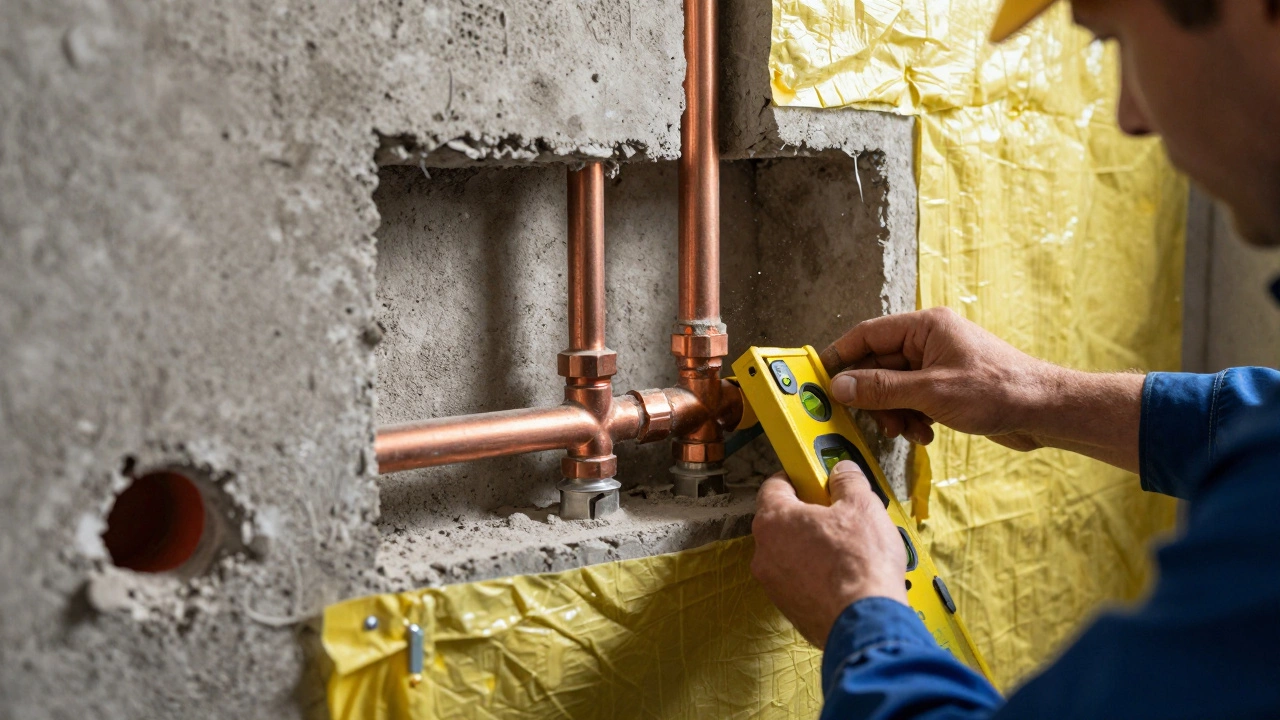
You want to move the toilet to the other side of the room to create more space? Nice idea. But moving plumbing fixtures is often the most expensive and technically difficult part of a renovation. Water supply lines are relatively easy to reroute using flexible PEX piping. Waste pipes, however, are another story.
Waste pipes require a specific gradient-usually 1 in 60-to ensure gravity pulls waste away efficiently. If you move a toilet or shower drain, you have to chase new channels through concrete floors or frame out bulky soffits in ceilings to maintain that slope. This eats up headroom and floor space, defeating the purpose of your redesign.
In older homes, particularly those built before the 1990s, you might encounter cast iron or galvanized steel pipes. These materials are brittle and prone to corrosion. Replacing them while trying to integrate modern fittings requires specialized skills and tools. The hardest part isn’t just the cost; it’s the unpredictability. You never know what condition the existing pipes are in until you cut into them. Always budget for a contingency fund of at least 15-20% specifically for unexpected plumbing discoveries.
The Supply Chain Gauntlet
Even if your contractor is skilled and your waterproofing is perfect, you still have to deal with the modern reality of construction: waiting for stuff. As of 2026, supply chain volatility remains a significant hurdle. Lead times for popular vanities, specific tile batches, and high-end fixtures can stretch from weeks to several months.
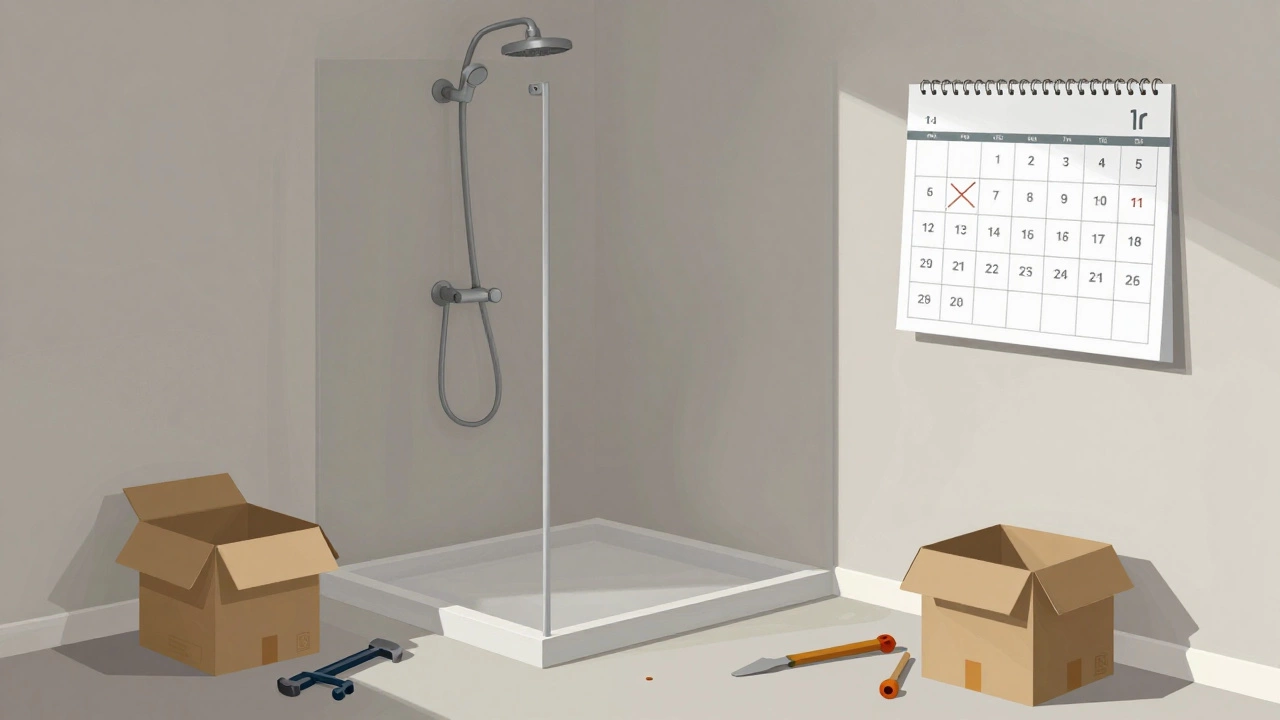
This creates a domino effect. Your plumber finishes the rough-in work. The waterproofing is approved. But the shower screen hasn’t arrived. You can’t install the screen until the tiler finishes, and the tiler can’t finish until the waterproofing inspector signs off. If the vanity is delayed, the electrician can’t install the mirror lights. Suddenly, a two-week job turns into a two-month ordeal.
To combat this, order all long-lead items before demolition begins. Don’t wait until the walls are open to choose your taps. Visit showrooms early, secure your selections, and confirm delivery dates in writing. If a specific tile is on backorder, have a backup option ready that matches in size and color. Flexibility in your material choices is your best defense against timeline blowouts.
| Challenge | Why It’s Hard | Pro Tip |
|---|---|---|
| Waterproofing | Invisible failure points; strict code compliance required. | Insist on a 24-hour flood test before tiling. |
| Plumbing Relocation | Requires precise gradients for waste pipes; costly retrofits. | Keep wet areas near existing stacks to save costs. |
| Supply Delays | Domino effect stalls tradespeople; increases labor costs. | Order fixtures and tiles before demolition starts. |
| Hidden Rot/Mold | Structural damage discovered mid-project; requires remediation. | Include a 20% contingency fund for unforeseen repairs. |
Working in a Live Home
Renovating a bathroom while living in the house adds a layer of psychological and logistical difficulty that many underestimate. Dust. Noise. No shower. For most families, losing the only bathroom is a major stressor. You need to set up a temporary solution, whether that’s a portable toilet in the garage or relying on a friend’s spare room. This isn’t just about comfort; it’s about hygiene and safety.
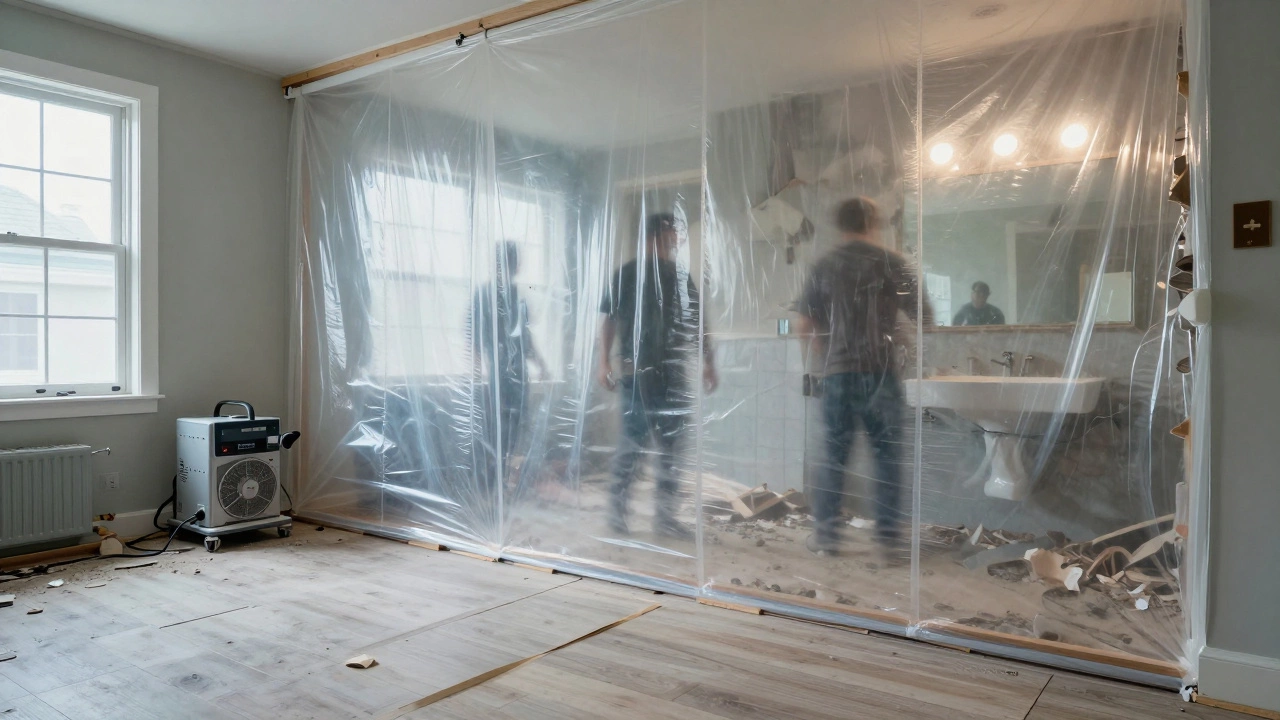
Dust containment is critical. Drywall dust contains silica, which is harmful if inhaled. Your contractor should use zip-wall barriers and negative air pressure machines to keep dust out of the rest of your home. If they don’t offer this, ask them to. Breathing in drywall dust during your morning coffee is not part of the dream.
Furthermore, access becomes an issue. Tradespeople need to bring in heavy materials and remove debris. If your bathroom is at the back of the house, they’ll be walking through your kitchen and living room. Protect your floors with heavy-duty ramboard, not just thin plastic sheeting. Plastic tears easily under the weight of tile pallets.
Navigating Council Consents and Inspections
In New Zealand, bathroom renovations often require building consents, especially if you are changing the plumbing layout, altering the structure, or increasing the wet area footprint. Navigating the consent process can be tedious and slow. The hardest part here is understanding what actually requires consent versus what doesn’t.
Generally, like-for-like replacements (same size, same location) may not need consent, but moving a shower or adding a bathtub usually does. The inspection process is rigorous. You will need inspections at various stages: framing, insulation, waterproofing, and final completion. Each inspection requires scheduling with your local council, which can add days to your timeline if the inspector is unavailable.
Work with a builder who is familiar with your local council’s specific requirements. Some councils are stricter than others regarding ventilation rates and energy efficiency ratings for exhaust fans. Ignoring these details can lead to failed inspections and costly rework. Ensure your ventilation plan includes a mechanical extractor fan that vents directly outside, not into the roof cavity. This is a common code violation that leads to mold growth.
Managing Expectations vs. Budget
Finally, the hardest part of a bathroom renovation is often emotional: accepting that your dream bathroom will cost more than you thought. Scope creep is real. You start with a basic refresh, but then you see a feature in a magazine and decide you want heated floors. Then you realize the electrical panel needs an upgrade to support the new heater. Then the subfloor needs leveling.
Every change order adds time and money. To keep this in check, finalize your design completely before breaking ground. Use detailed quotes that specify brands, models, and quantities. Avoid vague terms like "standard quality" or "similar." Specificity protects you from surprise invoices. Remember, the cheapest quote is rarely the best value. Look for transparency, experience, and references.
How long does a typical bathroom renovation take?
A standard bathroom renovation typically takes 3 to 6 weeks. However, this can extend to 8-12 weeks if you are moving plumbing, dealing with custom orders, or encountering hidden structural issues. Always build buffer time into your schedule for inspections and supply delays.
Do I need a building consent for a bathroom renovation?
In New Zealand, you generally need a building consent if you are altering the plumbing layout, changing the structural elements, or increasing the wet area size. Like-for-like replacements may not require consent, but it is best to check with your local council to avoid fines and insurance issues.
What is the most expensive part of a bathroom remodel?
Labor and plumbing are usually the most expensive components. Moving fixtures requires extensive labor for chasing walls, repiping, and regrading floors. High-end fixtures and custom tiling also significantly drive up costs. Always budget for a 15-20% contingency for unexpected plumbing or structural repairs.
Can I renovate my bathroom myself?
You can handle cosmetic tasks like painting, installing accessories, or laying vinyl flooring. However, plumbing, electrical work, and waterproofing should be left to licensed professionals. Poor waterproofing or incorrect plumbing can lead to severe water damage and void your home insurance.
How do I prevent mold after a bathroom renovation?
Ensure proper waterproofing with a certified membrane and pass the flood test. Install a mechanical exhaust fan that vents directly outside and run it for at least 20 minutes after showers. Use mold-resistant paint and grout, and seal all joints properly. Regular cleaning and ventilation are key to long-term prevention.