
What Is the Meaning of Roofing Services? A Homeowner’s Guide
 Mar, 30 2026
Roof Lifespan & Maintenance Predictor
1. Select Your Roof Details
Maintenance Forecast
Please fill out all fields above.
Next Routine Check
-
- Check flashing gaps
- Clear gutters
- Tighten fasteners
Critical Warning Zone
-
Schedule full structural assessment.
Pro Recommendations
Enter details to see specific advice.
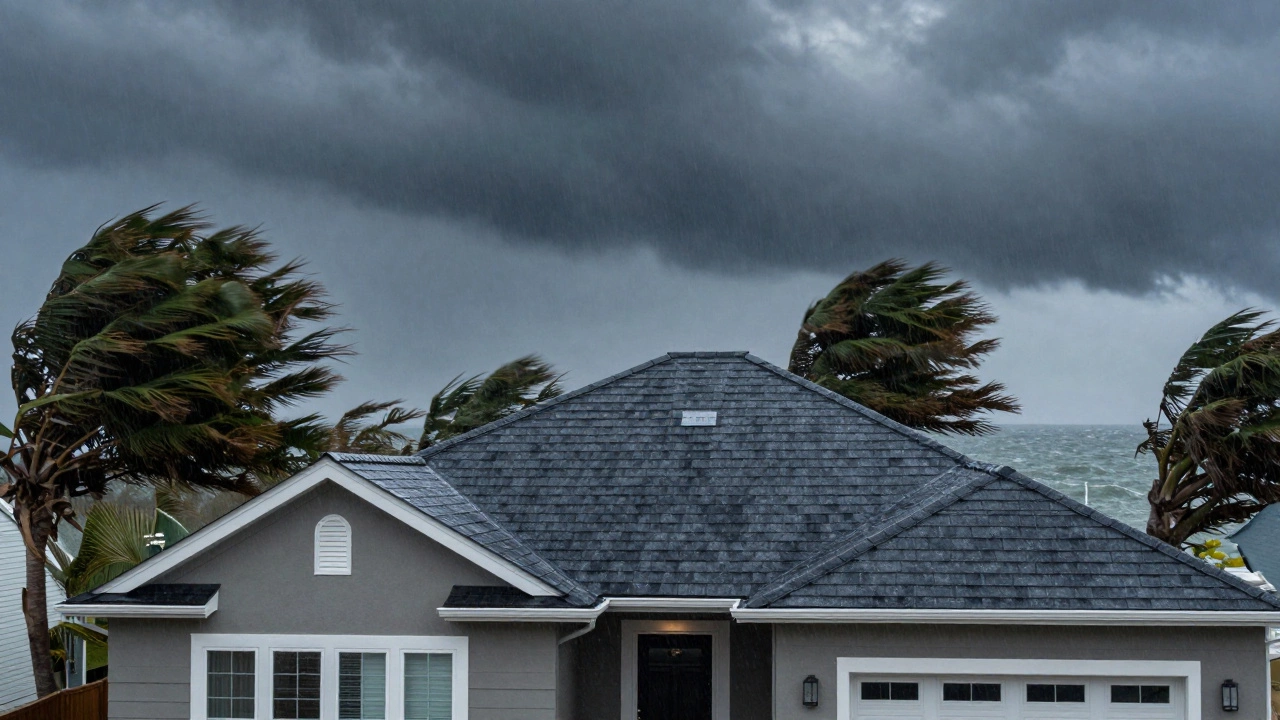
Here’s a truth most homeowners miss: your roof does way more than keep rain off your head. In places like Wellington, where wind gusts can hit 100 km/h and salt spray corrodes materials, a poorly maintained roof isn’t just a leak-it’s a ticking time bomb for structural damage. Yet 73% of Auckland homeowners only check their roofs after visible damage appears.
The Core Definition: What Roofing Services Actually Cover
Roofing Services refers to all professional activities protecting your building’s uppermost layer. This includes Residential Roofing Solutions covering everything from fixing loose shingles to full rebuilds. Unlike general construction, roofing requires specialized knowledge of water drainage systems, local building codes (like New Zealand’s NZS 3604 standards), and weatherproofing techniques tailored to your region.Think of it like your home’s immune system. You don’t notice it working until something goes wrong. But unlike medicine, prevention costs 6x less than emergency fixes according to NZ Master Plumbers’ 2024 data. Here’s what actually gets covered:
- Roof Inspection: Certified checks identifying hidden rot, flashing gaps, or moss buildup under tiles
- Roof Maintenance: Gutter clearing, sealant reapplication, and fastener tightening every 2-3 years
- Emergency Repairs: Storm-damage response within 24 hours, including temporary tarping protocols
- Full Replacements: When 40%+ of materials exceed lifespan limits (asphalt: 15-20 years, metal: 40-60 years)
Beyond Basic Installations: Niche Services You Might Need
| Service Type | Average Cost (NZD) | Typical Triggers |
|---|---|---|
| Leak Detection | $800-$1,500 | Musty smells, ceiling stains after heavy rain |
| Storm Damage Claims | $5k-$20k+ | Hail dents, missing shingles post-cyclone season |
| Solar Roof Integration | $12k-$30k | Adding panels without compromising waterproofing |
| Historic Restoration | $40/sqm up | Period homes requiring original-specified materials |
In Christchurch’s heritage zones, Cladding Specialists spend months sourcing period-accurate copper flashings. Meanwhile, coastal suburbs like Lyttelton demand corrosion-resistant coatings-standard galvanized steel fails here in under 10 years. Your location dictates everything. Wind load calculations alone determine whether you need single-lap (low risk) or double-lap (high-wind zone) panel overlaps.
Material Choices That Shape Your Entire Project
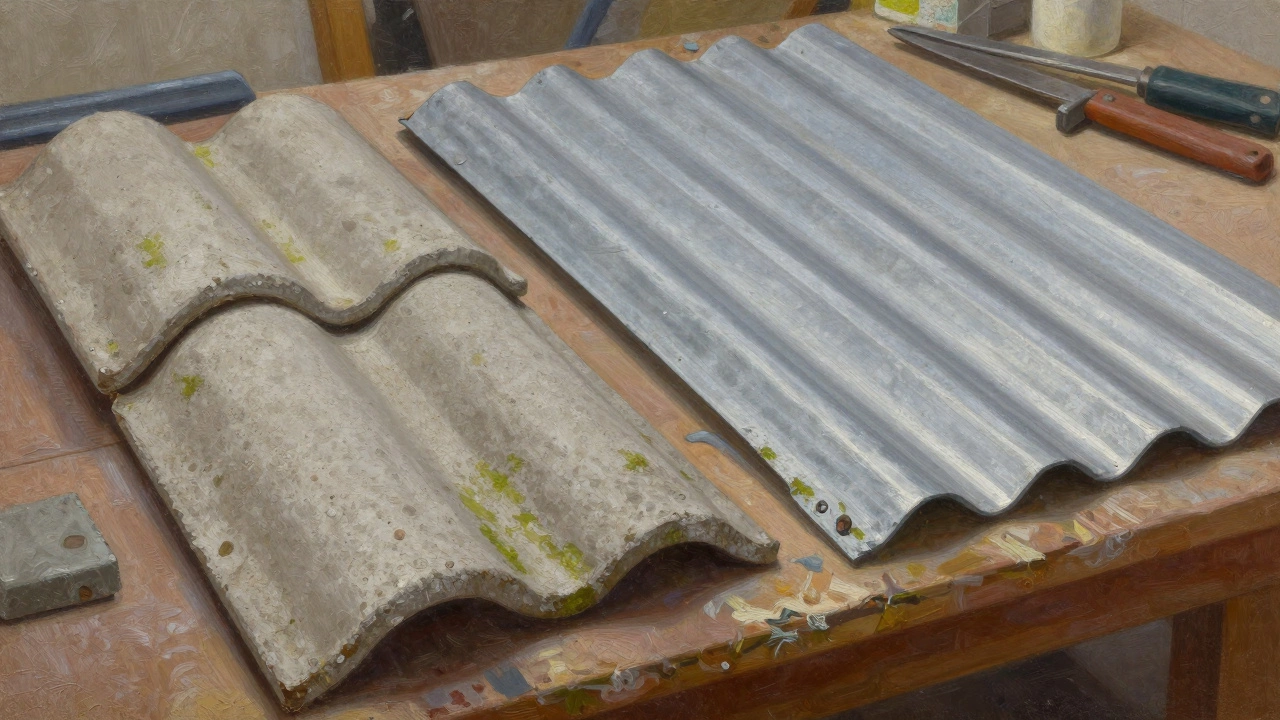
Misunderstanding material lifespans is why 68% of premature failures happen. Let’s cut through marketing hype:
| Type | NZ Lifespan | Key Weakness | Best For |
|---|---|---|---|
| Concrete Tiles | 30-40 years | Brittle in freeze-thaw cycles | Northern regions (mild winters) |
| Colorbond Steel | 40-50 years | Scratches during cleaning | Suburban climates nationwide |
| Slate | 60-80 years | Weight limits require reinforced framing | Commercial buildings, luxury homes |
| Bitumen Shingles | 12-18 years | UV degradation in high-exposure areas | Temporary structures, budget projects |
Pro tip: In Wellington’s Category 3 wind zones, metal roofing requires double the fixings compared to calm areas. Also, tile roofs here lose 15% efficiency annually due to lichen growth-a problem solved with zinc strips installed along ridge lines.
When DIY Becomes Dangerous (And Why Contractors Save Lives)
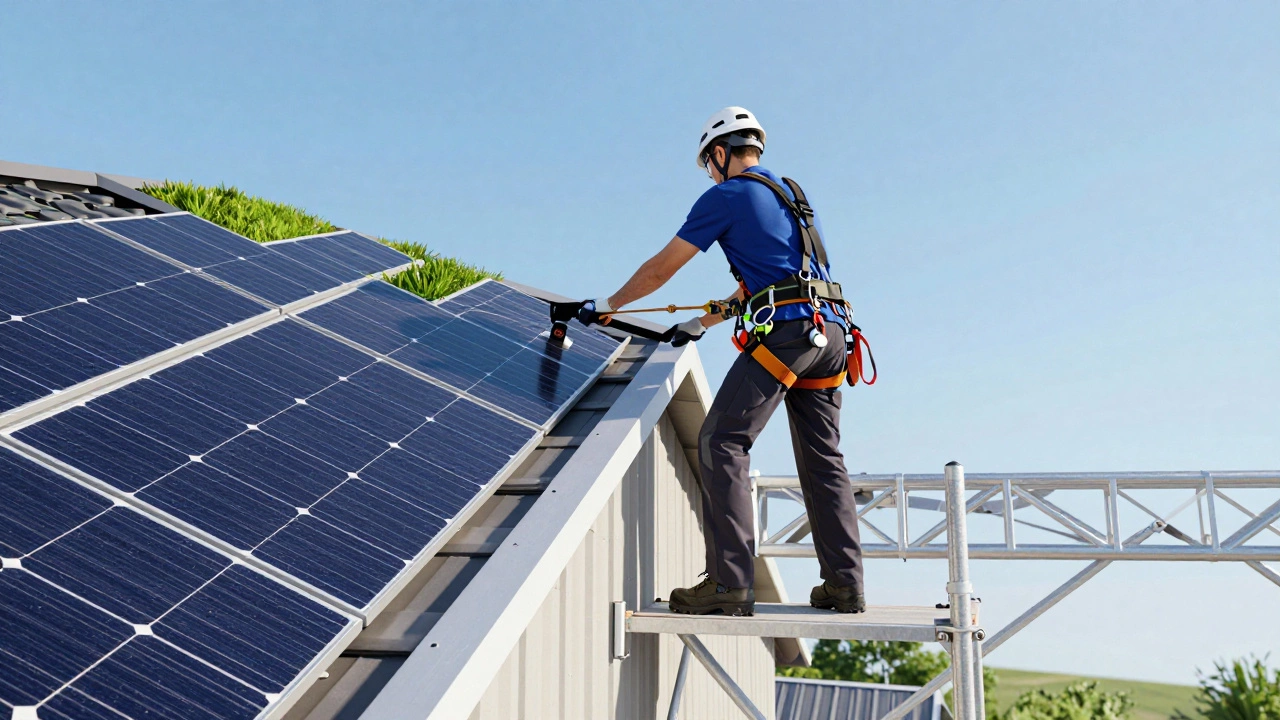
We’ve seen neighbors fall from heights trying to replace flashing themselves. Statistics show 82% of residential falls occur during amateur roof work. Licensed professionals carry $10M+ insurance coverage and follow Safe Work Act protocols: harnesses anchored to truss points, fall-arrest systems tested quarterly, scaffolding compliant with AS/NZS 4576.
Even small jobs need experts. Fixing a leaking valley gutter improperly risks collapsing entire roof sections. Consider this flowchart:
- Visible sagging? → Requires structural engineer review first
- Moss covering >30% surface? → Pressure washing causes delamination; needs chemical treatment
- Metal showing rust streaks? → Full repaint required every 10 years minimum
The Hidden Rules: Compliance, Warranties & Smart Upgrades
Most homeowners overlook two critical documents: the Builder’s Lien Waiver (ensuring suppliers get paid so they won’t claim against your title later) and the Code Compliance Certificate proving adherence to territorial authority rules. Skimp on these and you’ll face $15k+ remediation orders during sale transfers.
Modern options add serious value:
- Green Roofs: Reduce urban heat islands by 14°C while extending membrane life 20%
- Rainwater Harvesting Prep: UV-stabilized gutters feeding cisterns save $300/year on municipal water
- Drone Inspections: Catch thermal bridges invisible to eye tests via infrared scanning
How often should I schedule roof inspections?
In high-wind zones like Wellington Coast, twice yearly (pre/post cyclone season). Elsewhere, annual checks suffice unless trees overhang the roof.
Can old roofs support solar panels?
Only if structural integrity testing confirms capacity for additional 12kg/m² load. Older bungalows often need truss reinforcement.
What voids my roofing warranty?
Unauthorized modifications (e.g., adding satellite dishes), failure to maintain clear access paths, or using non-approved sealants.
Why do quotes vary so much between companies?
Scope differences matter. One quote may exclude disposal fees, storm-water management plans, or scaffold safety certification costs.
Is metal roofing safe during lightning storms?
Yes, modern installations include bonding straps directing strikes safely into ground rods. Far safer than untreated timber frames.
How long does a typical roof replacement take?
Single-story homes: 3-5 days. Multi-level structures: 10-14 days depending on accessibility and material delivery timelines.
Should I replace shingles individually or whole roof?
Patchwork replacements fail within 3 years. Full resurfacing ensures uniform weather resistance across all surfaces.
Do I need consent for re-roofing?
Minor repairs don’t require council approval. Major changes involving height increases or weight shifts mandate Resource Consent applications.