
Who Is the Best New Build Company? A Buyer’s Guide to Top NZ Builders
 Jul, 13 2026
New Build Company Selector & Cost Estimator
Step 1: Define Your Project Profile
Select the option that best describes your situation:
Budget & Speed
First-home buyer or investor. Need standard plans, fixed price, and quick delivery.
Balance & Flexibility
Want pre-designed plans but need to tweak layouts and finishes for better value.
Luxury & Unique
Have a specific architectural vision. Budget is secondary to design freedom and quality.
Results & Recommendations
Awaiting InputSelect your project profile and budget to see tailored builder recommendations and cost breakdowns.
Builder Vetting Checklist
You’ve got the land. You’ve saved the deposit. Now comes the hardest part: picking who actually builds your dream home. There is no single “best” new build company in New Zealand because the right choice depends entirely on your budget, timeline, and how much control you want over the design. However, there are clear leaders in the market who consistently deliver quality, transparency, and structural integrity.
If you hire the wrong builder, you risk delays, cost blowouts, and a house that doesn’t meet modern insulation standards. If you pick the right one, you get a stress-free process and a home built to last decades. This guide breaks down how to identify top-tier builders, compares the major players in the Wellington and wider NZ market, and gives you the exact questions to ask before signing a contract.
Why "Best" Is Subjective in Construction
The term “best” means different things to different people. For a first-home buyer, the best builder might be the one offering a fixed-price package with low upfront costs. For a luxury homeowner, the best builder is the one willing to source imported stone and manage complex architectural curves. Understanding this distinction is the first step in narrowing your list.
In New Zealand, the construction industry is split into three main types of builders:
- Volume Builders: Large companies like Fletcher Building (through its retail arms) or large-scale developers who build hundreds of homes. They offer speed and standardized pricing but less customization.
- Custom Builders: Smaller firms that work closely with architects and clients. They charge more per square meter but allow total design freedom.
- Semi-Custom Builders: The middle ground. They offer a range of pre-designed plans that you can tweak. This is often the sweet spot for value and flexibility.
Your goal isn’t to find the biggest name; it’s to find the builder whose business model aligns with your project scope. A volume builder will likely reject a small, complex custom job, while a high-end custom builder may quote you out of your budget for a standard two-bedroom starter home.
Top Contenders for New Home Builders in New Zealand
While local reputation varies by region, several names consistently appear at the top of lists for quality and reliability across New Zealand, including Wellington, Auckland, and Christchurch. Here is how they stack up.
| Builder Type | Example Companies | Best For | Typical Price Range | Customization Level |
|---|---|---|---|---|
| Large Volume/Developer | Meridian Z, Tala Homes, Livv | First-home buyers, investors | $600k - $900k | Low to Medium |
| Premium Custom Builder | Bell Bros, Duxbury Homes, Wilson & Hartley | Luxury homes, unique designs | $1.2M+ | High |
| Regional Specialist | Local Wellington firms (e.g., Judd Homes) | Site-specific challenges, local knowledge | $800k - $1.5M | Medium to High |
Tala Homes, for instance, has gained significant traction in recent years for its transparent pricing and modern aesthetic. They focus on energy efficiency and smart home integration, which appeals to younger buyers. On the other hand, established names like Bell Bros have a decades-long track record of high-end craftsmanship, making them the go-to for clients who prioritize material quality over speed.
It is crucial to check if these national brands operate in your specific area. Some only build in designated subdivisions, while others will come to your private section. Always verify their current workload; even the best builder cannot give you attention if they are managing fifty sites simultaneously.
The Non-Negotiable Checklist: How to Vet Any Builder
Regardless of whether you choose a big brand or a local contractor, you must perform due diligence. The Housing Accidents and Compensation Act (HACA) provides some protection, but prevention is better than cure. Use this checklist to interview any potential builder.
- Check Their Licensing: Ensure they hold a valid Licensed Building Practitioner (LBP) license. In New Zealand, anyone carrying out restricted building work (foundation, framing, weathertightness) must be licensed. You can verify this on the official LBP register.
- Review Recent Projects: Do not just look at photos on their website. Ask to visit a currently active site. Look at the cleanliness, the organization of materials, and talk to the site foreman. A messy site often indicates poor management.
- Ask About Subcontractors: Most builders do not employ carpenters and electricians directly. Ask who their key tradespeople are. Are they long-term partners? If the builder’s relationship with their subcontractors is shaky, your project will suffer delays.
- Understand the Payment Schedule: Avoid builders who demand large upfront payments. Standard practice in NZ is progress payments tied to specific milestones (e.g., foundation poured, frame erected). Never pay for work that hasn’t been inspected and signed off.
- Clarify the Warranty: All new homes in NZ come with a 10-year warranty from the Construction Warranty Board. Confirm that the builder pays for this insurance and that it covers both structure and weathertightness.
If a builder hesitates on any of these points, walk away. Transparency is the hallmark of a reputable company.
Red Flags That Signal Trouble
Even well-known companies can have bad batches of projects. Be alert to these warning signs during your consultation phase:
- Vague Quotes: A quote that says “$10,000 for kitchen” without specifying cabinet type, benchtop material, or appliance grade is a trap. Hidden costs will emerge later.
- Pressure to Sign Quickly: Legitimate builders know that buying a home is a major decision. If they push you to sign today to “lock in a price,” they may be desperate for cash flow or hiding a scheduling conflict.
- No Project Manager Named: Who will you talk to every day? If the answer is “the owner,” and the owner has ten other sites, you will be ignored. You need a dedicated point of contact.
- Ignoring Site Conditions: If a builder quotes you without visiting the land, they are guessing. Soil type, slope, and access roads dramatically affect cost. A professional builder will insist on a site inspection and geotechnical report before giving a final price.
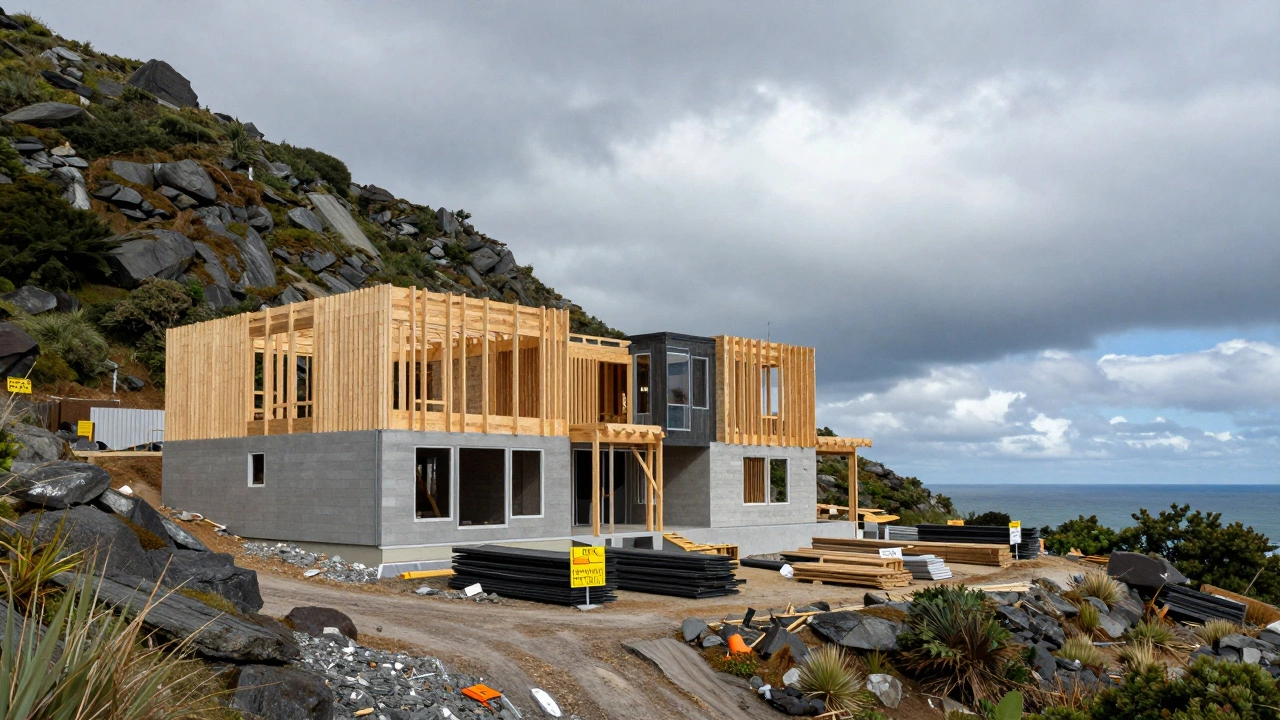
In Wellington, where sections are often steep and rocky, ignoring site conditions is particularly dangerous. A builder who doesn’t account for retaining walls or drainage issues will inevitably claim variations later, blowing your budget.
The Role of Architects vs. Builders
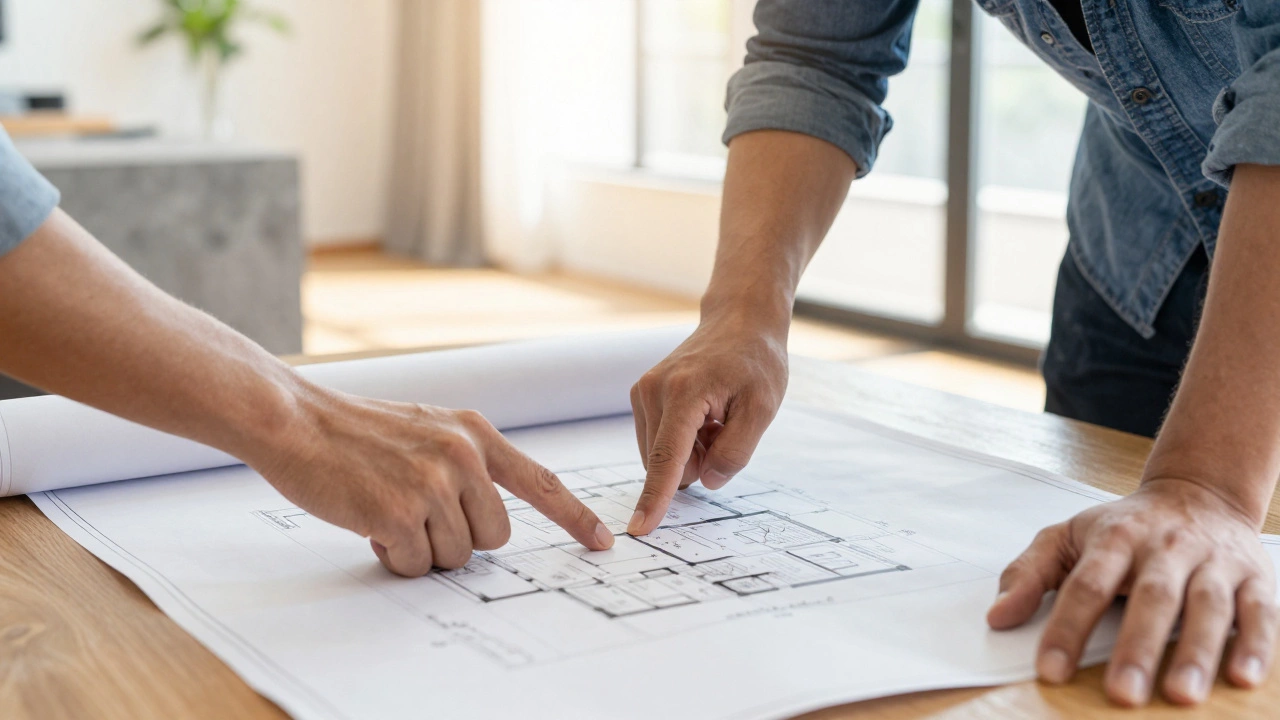
A common misconception is that the builder should also design the house. While some companies offer design-and-build services, separating these roles often yields better results. An independent architect works for you, ensuring the design meets your needs and complies with the Building Code. The builder then focuses on constructing it efficiently.
When using a design-and-build firm, ensure they don’t cut corners on design to save construction costs. Ask to see past projects where the architecture was complex. Did the builder struggle with the details? Or did they execute them seamlessly?
If you hire an architect separately, bring the builder into the conversation early. Good builders will provide constructability feedback-suggesting cheaper alternatives for cladding or simpler rooflines that save money without sacrificing aesthetics. This collaboration is key to staying on budget.
Cost Breakdown: What Should You Expect to Pay?
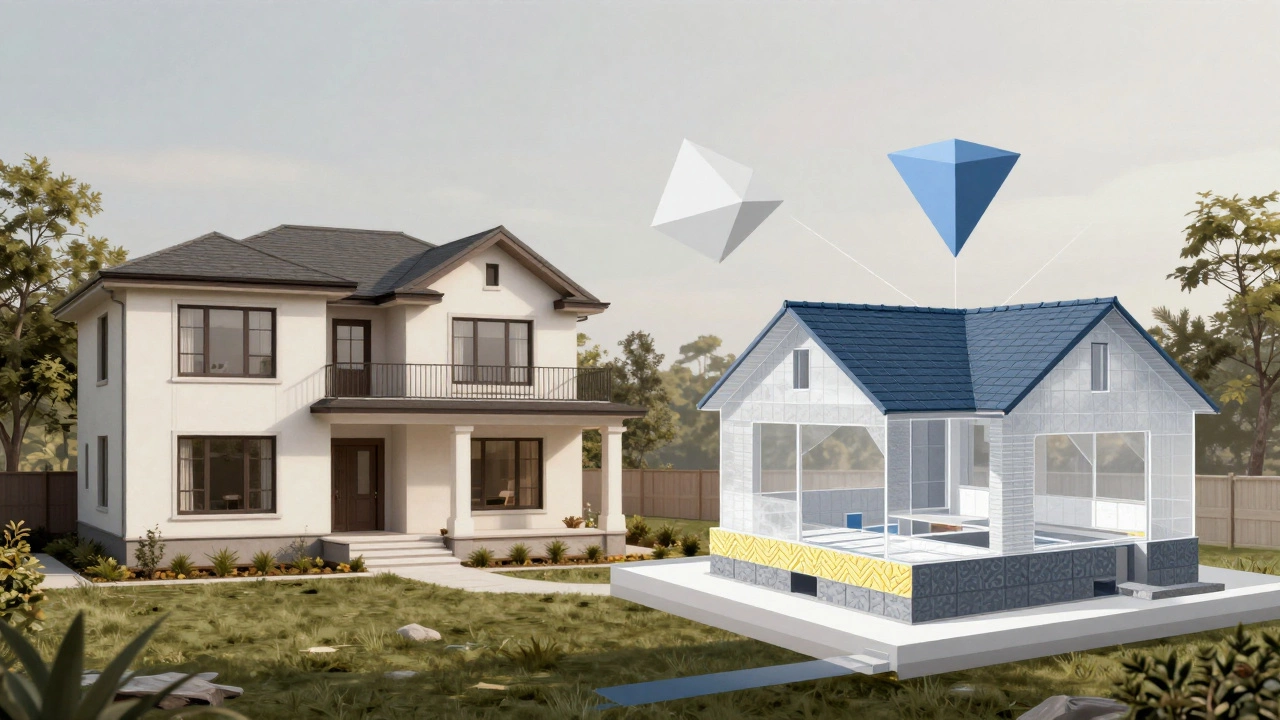
In 2026, construction costs in New Zealand remain elevated due to labor shortages and material inflation. As a rule of thumb, expect to pay between $3,500 and $5,500 per square meter for a quality new build. Luxury finishes can push this above $7,000 per square meter.
Here is a rough breakdown of where your money goes:
- Consent and Engineering Fees: 3-5% of total build cost.
- Foundation and Concrete: 10-15%. Steep sites increase this significantly.
- Framing and Roofing: 15-20%.
- Weathertightness (Cladding/Windows): 15-20%. This is critical for durability.
- Kitchen and Bathrooms: 15-25%. These are the most customizable and expensive areas.
- Finishes (Flooring, Painting, Fixtures): 10-15%.
Always include a contingency fund of 10-15% for unexpected issues. Even with the best builder, you might find rock under the slab or need to upgrade electrical capacity. Having a buffer prevents panic when surprises arise.
Making the Final Decision
Choosing the best new build company is about trust as much as it is about price. Get three detailed quotes. Compare them line-by-line, not just the bottom line. If one quote is significantly lower, ask why. Are they using inferior materials? Are they missing items from the spec?
Talk to references. Call the last three homeowners they built for. Ask them: “Would you use this builder again?” and “How did they handle problems?” Their answers will tell you more than any marketing brochure.
Finally, trust your gut. You will be working with this person for six to twelve months. If you feel uneasy during the initial meetings, that feeling will not disappear once the digger arrives. Choose a partner who listens, explains clearly, and respects your vision.
How long does it take to build a new house in New Zealand?
On average, a new build takes between 6 to 12 months from consent approval to completion. Simple, flat-site builds may finish in 5-6 months, while complex custom homes on difficult terrain can take 12-18 months. Weather delays and supply chain issues can add extra time, so always build buffer weeks into your moving plan.
Do I need an architect or can I use a builder's plans?
You can use a builder's pre-designed plans, which are often cheaper and faster to consent. However, hiring an independent architect allows for greater customization and optimization of your specific section. Architects can also help navigate complex council rules and ensure the design maximizes natural light and energy efficiency.
What is the difference between a fixed-price and cost-plus contract?
A fixed-price contract sets a total cost upfront, protecting you from budget blowouts unless you change the design. A cost-plus contract charges you for actual materials and labor plus a percentage fee for the builder's profit. Cost-plus offers more flexibility for changes but carries higher financial risk if prices rise.
Can I live in my home while it is being built?
No, you cannot live in the house until a Code Compliance Certificate (CCC) is issued by your local council. This certificate confirms the build meets all safety and health standards. Moving in before CCC is illegal and voids your insurance.
How do I handle disputes with my builder?
Most contracts include a dispute resolution clause requiring mediation before legal action. Keep detailed records of all communications and changes. If mediation fails, you can escalate to the Disputes Tribunal for smaller claims or the High Court for larger ones. Prevention through clear contracts is always better than litigation.