
Is it currently cheaper to build or buy a home in 2026?
 Mar, 15 2026
For most people in New Zealand, the question of whether to build or buy a home isn’t just about preference-it’s about money. And right now, in early 2026, the numbers tell a story that’s shifting faster than most expect. If you’re sitting on the fence, wondering if it’s smarter to pick up a shovel or sign a contract, here’s what’s actually happening on the ground.
What’s the real cost difference?
In 2024, building a new home in Wellington cost around $450,000 for a modest 120m² house. By late 2025, that number jumped to $580,000. Why? Labor shortages didn’t disappear-they got worse. Electricians, plumbers, and framers are still in short supply. Material prices didn’t drop either. Timber, steel, and insulation all saw double-digit increases after supply chain delays dragged into 2025.
Meanwhile, buying a home? Prices softened. After peaking in early 2023, house prices across New Zealand fell 12% on average. In Wellington, the median price for a 3-bedroom house dropped from $1.1 million to $920,000. That’s still high, but it’s not $1.3 million like it was two years ago. And here’s the twist: many of those homes were built between 2018 and 2021. They’re new, but not brand new. They come with modern insulation, double glazing, and solar-ready roofs-all things you’d pay extra for if you built today.
Why building feels more expensive now
Let’s say you want to build a 150m², three-bedroom house with a garage and a decent backyard. You’ll need:
- $380,000 for construction (labor + materials)
- $95,000 for land (in a decent Wellington suburb like Tawa or Ngaio)
- $40,000 for consent fees, engineering, and design
- $25,000 for landscaping and driveways
- $15,000 for contingencies (because delays always happen)
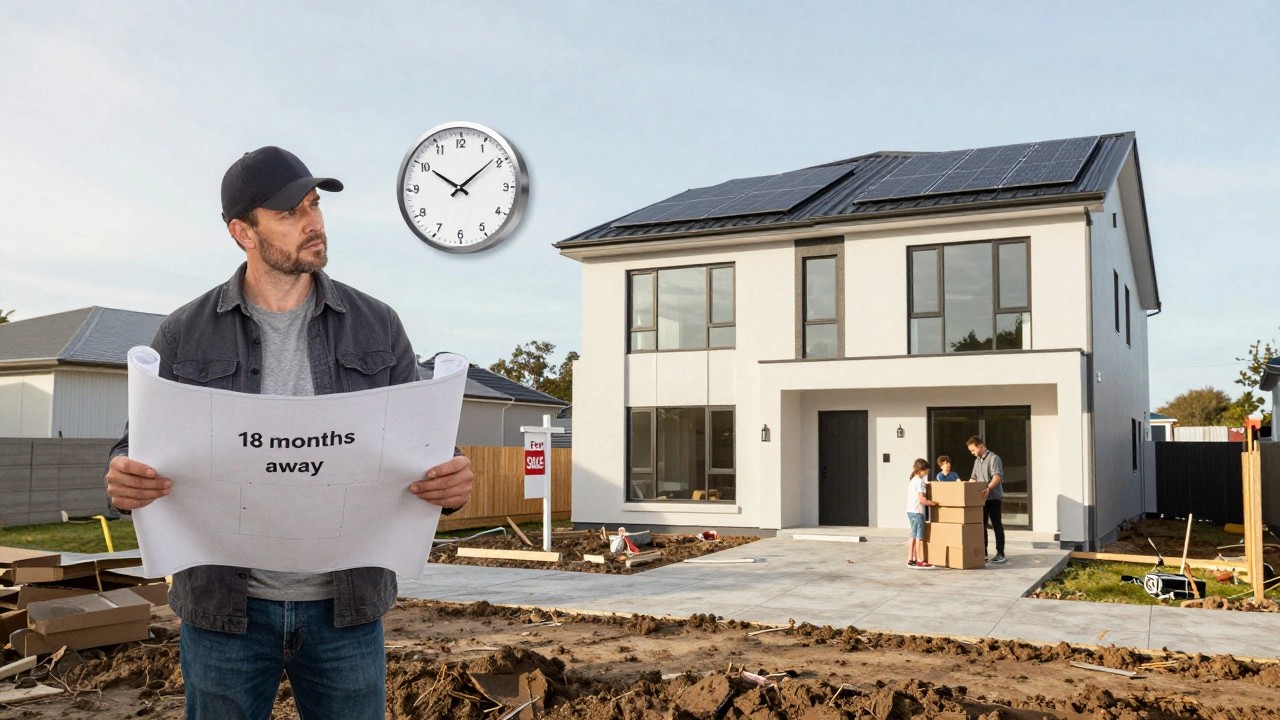
Total? $555,000. And that’s before you factor in finance costs, furniture, or moving expenses. You’re looking at 12 to 18 months of waiting, stress, and uncertainty.
Now compare that to buying a house that was built last year. You can find a brand-new, 140m² home in the same area for $880,000. Yes, that’s more than the build cost-but you get it now. No permits to chase. No builder delays. No surprise $30,000 plumbing bill because the contractor used cheap pipes.
The hidden costs of building
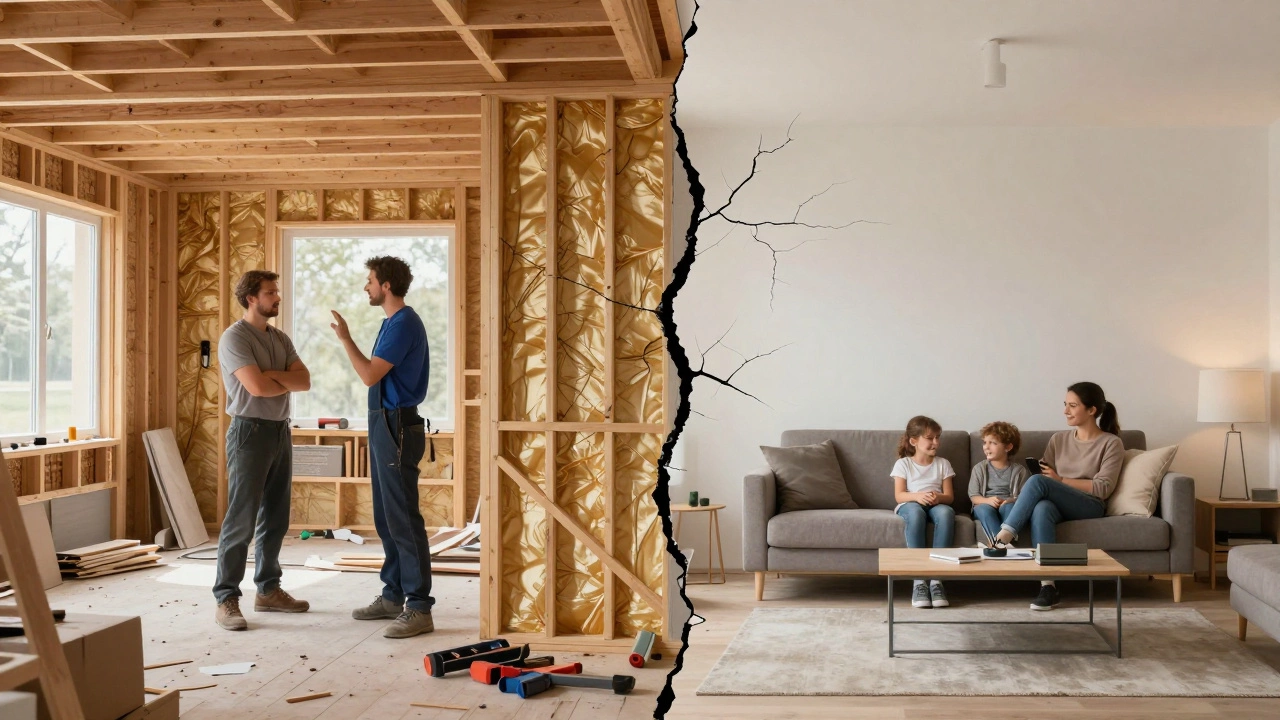
Most people forget the non-dollar costs of building. You’ll spend weekends at hardware stores. You’ll argue with your builder over tile colors. You’ll miss out on three family holidays because you’re waiting for the roof to go on. You’ll deal with a 6-month delay because the council changed the drainage rules. And when it’s done? You’ll still need to buy a fridge, a washing machine, and curtains.
Buying a home? You walk in. The lights work. The hot water is hot. The garden has mature shrubs. You can move in the same week you sign the contract. That time? That peace of mind? That’s not something you can put a price on-but it’s worth at least $20,000 in stress relief.
When building still makes sense
There are cases where building is the smarter move. If you’re looking for a custom layout-like a ground-floor bedroom for aging parents, or a home office with soundproofing-you won’t find that in the resale market. If you want to go fully off-grid with solar, rainwater tanks, and heat pumps, building gives you control. And if you’re building on land you already own? Then you skip the biggest cost: the land.
Also, if you’re planning to live in the house for 15+ years, building gives you long-term savings. New builds have lower maintenance. No leaky roofs. No outdated wiring. No asbestos. You’re not buying someone else’s problems.
When buying is the clear winner
For 80% of people, buying is the better option right now. Here’s why:
- You avoid the 12-18 month wait
- You get a move-in-ready home with warranties
- You can compare multiple homes side-by-side
- You’re not locked into one design
- You avoid inflation risks on materials and labor
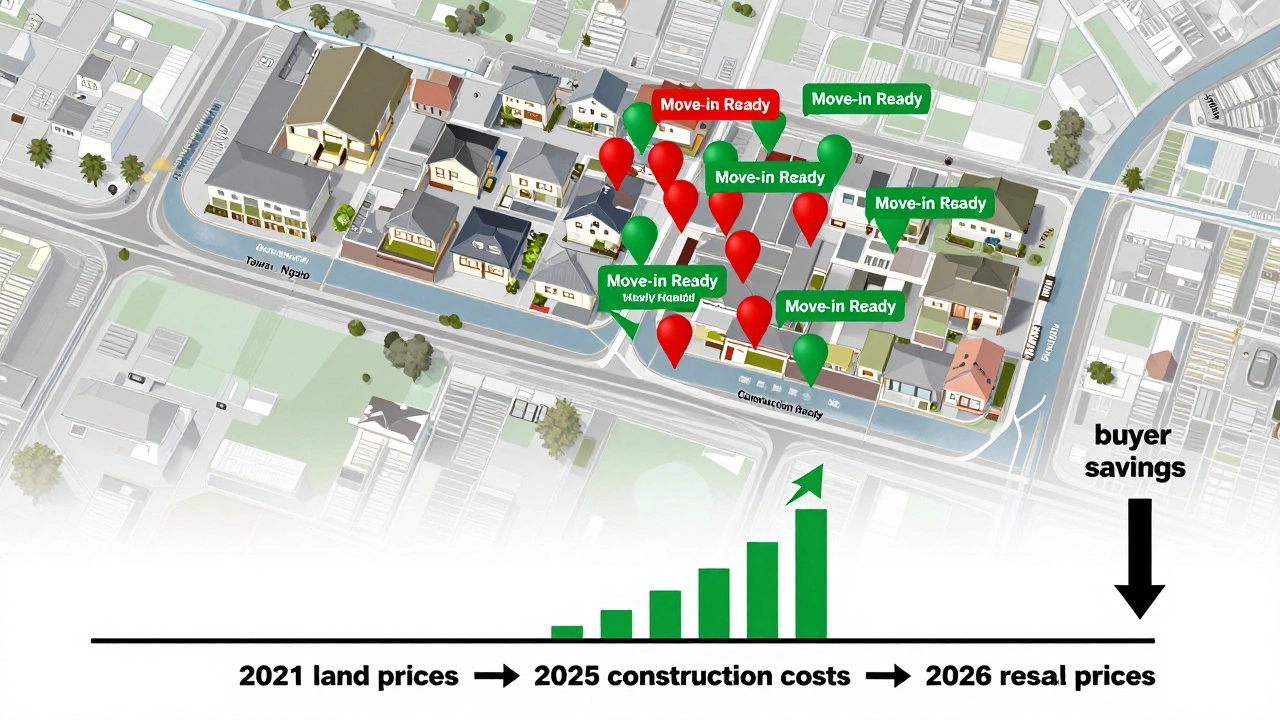
And here’s something most people don’t realize: many new homes on the market today were built by developers who bought land in 2021 or 2022, when prices were lower. They’re selling now at a profit, but they’re still cheaper than building from scratch today.
The numbers don’t lie
In Wellington, the average cost to build a new home in 2026 is $580,000. The average price of a new, ready-to-move-in home is $860,000. At first glance, building looks cheaper. But when you add in the time, stress, and hidden expenses, the real cost of building jumps to $670,000-$720,000. That’s still under the buying price-but only if everything goes perfectly. And in construction, nothing ever does.
Meanwhile, buying a home gives you a 10-year building warranty, fixed interest rates, and instant equity. You can get a bond back from your tenant if you rent it out later. You can sell it faster. You don’t need to be a project manager to live in it.
What’s the bottom line?
Is it cheaper to build or buy? If you’re looking for a quick, stress-free, predictable outcome? Buy. If you have the time, patience, and money to manage a 15-month project with no guarantees? Build.
For most people, buying a new home on the market today is the smarter, faster, and less risky choice. You’re not just paying for bricks and mortar-you’re paying for certainty. And in 2026, certainty is worth more than ever.
Is it cheaper to build a house than to buy one in 2026?
It depends. The raw cost to build a new home in Wellington is around $580,000, while a similar new home on the market sells for $860,000. But building includes hidden costs like time, stress, delays, and design changes. When you add those in, the real cost of building rises to $670,000-$720,000. For most people, buying is still the more affordable and less stressful option.
Why are new homes on the market so expensive if building costs are lower?
Developers bought land and locked in prices before 2023. They’re now building homes with materials and labor costs from 2022-2023, but selling them in 2026 when demand is still high. They’re not selling at cost-they’re selling at a profit. That’s why new homes on the market are priced higher than the cost to build them today.
Can I save money by building on land I already own?
Yes. Land is the biggest cost in building-often $100,000-$200,000 in Wellington. If you own land outright, you skip that expense. That can make building competitive with buying, especially if you’re building a custom home that meets your exact needs. But you still face delays, permits, and labor shortages.
Are new builds more energy-efficient than older homes?
Yes, by a lot. New builds in 2026 must meet the latest NZ Building Code standards, which require better insulation, double-glazed windows, and heat pump systems. Homes built before 2020 often fall short. A new build can cut heating bills by 40-60% compared to a 10-year-old house.
How long does it take to build a house in 2026?
On average, 14 to 20 months. That’s longer than in 2020, when 10-12 months was typical. Labor shortages, supply chain delays, and stricter council requirements have slowed everything down. Some projects now take over 2 years if you run into unexpected issues.