Crack Repair in Foundation: Fix It Before It Costs You More
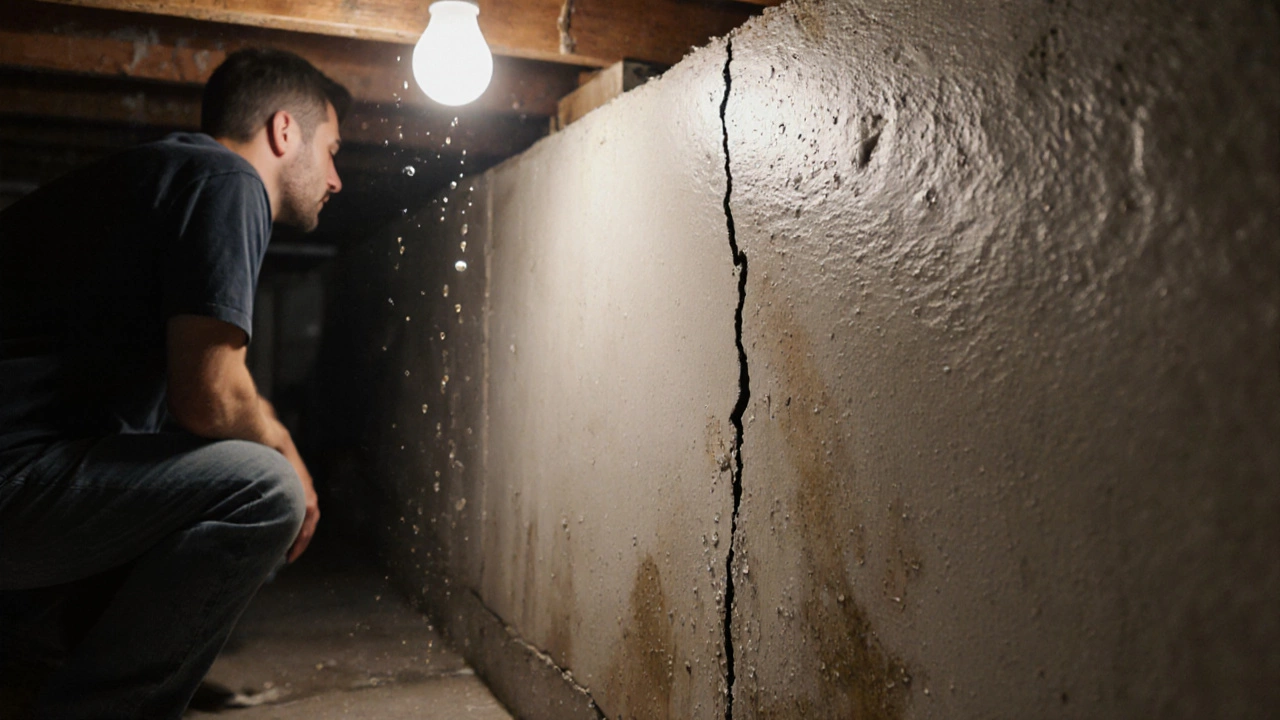
When you see a crack repair in foundation, a visible break in the concrete or masonry that supports your home. Also known as foundation crack repair, it's not a cosmetic fix—it's a structural necessity. These cracks don’t just appear out of nowhere. They’re the warning sign your house is under stress, often from soil movement, water damage, or poor construction. Ignoring them won’t make them disappear—it’ll make them worse, and eventually, more expensive to fix.
That’s why foundation repair, the process of stabilizing or restoring a damaged foundation to prevent further movement or collapse matters. A hairline crack might look harmless, but if it’s growing, letting water in, or pulling walls out of alignment, it’s a red flag. cracked foundation, a common symptom of underlying soil or structural problems can lead to structural damage, serious harm to the load-bearing parts of a building that compromises safety—like sagging floors, sticking doors, or even partial collapse. In areas with clay soil or frequent rain, like parts of the UK, this isn’t rare. It’s predictable. And it’s preventable—if you act early.
Not all cracks need the same fix. Some can be sealed with epoxy or polyurethane. Others need steel piers, helical underpinning, or even slab jacking. The method depends on the cause, the size, and how long the problem’s been there. The biggest mistake? Waiting until you see big gaps or walls leaning. By then, you’re not just paying for a repair—you’re paying to undo years of damage.
What you’ll find below are real stories from homeowners who dealt with these issues. Some caught it early and spent a few hundred pounds. Others waited—and ended up paying thousands. There’s no magic formula, but there is a pattern: the sooner you address a crack, the less it costs, the less it disrupts your life, and the more you protect your home’s value.