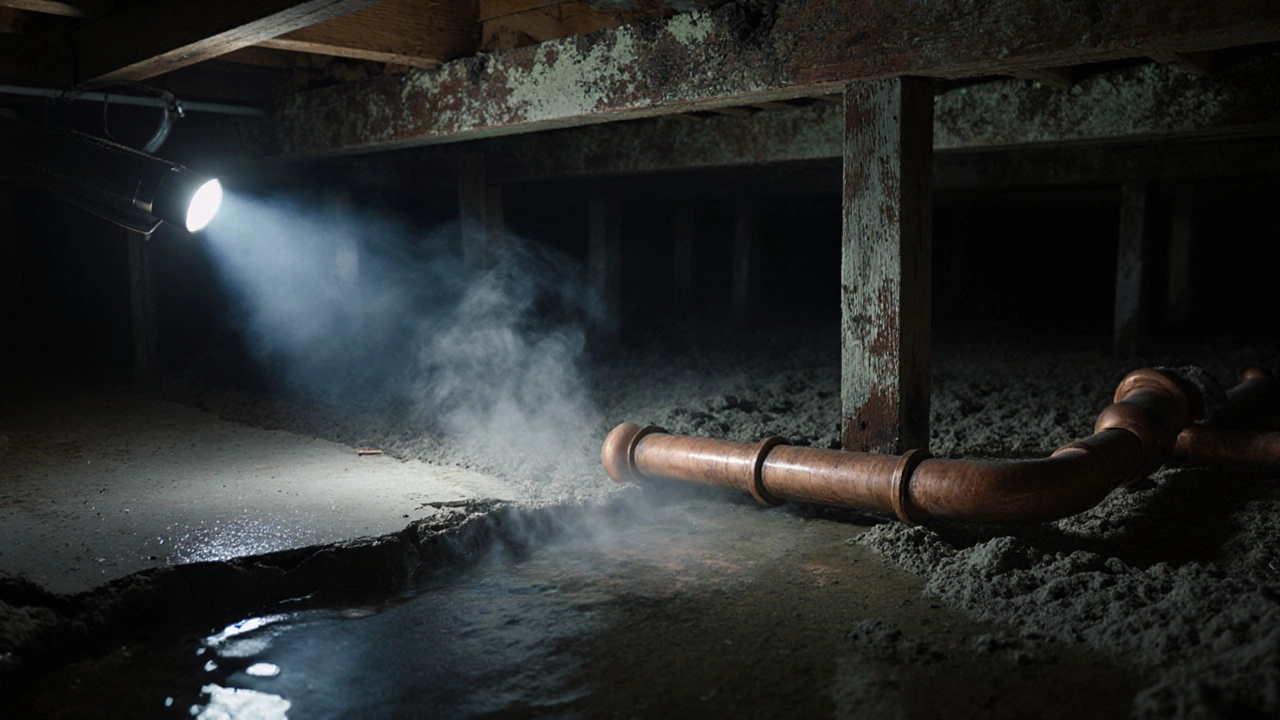
Plumbing Damage: Signs, Causes, and How to Stop It Before It Costs You
When plumbing damage, the hidden deterioration of water systems in homes that leads to leaks, mold, or structural harm. Also known as water system failure, it often goes unnoticed until walls bubble, floors warp, or your water bill spikes. Most people think of plumbing damage as a sudden burst pipe—but the real danger is what happens quietly over weeks or months. A tiny leak behind a wall, a corroded joint under the sink, or a slow drip from an old pipe can turn into thousands in repairs if you wait too long.
Plumbing damage doesn’t happen in isolation. It’s closely tied to water damage, the destruction caused by uncontrolled water intrusion into building materials, which can rot wood, weaken drywall, and trigger mold growth. And when water seeps into your home’s foundation—especially in areas with shifting soil—it becomes foundation damage, structural harm caused by prolonged exposure to moisture, often from undetected plumbing leaks. You might not see the connection, but a cracked foundation in Wellington or Manchester often starts with a hidden pipe leak that’s been dripping for months. The same leak that ruins your kitchen cabinets could eventually tilt your floors or crack your walls.
What causes it? Old pipes made of galvanized steel or polybutylene are common culprits—they degrade over time. High water pressure pushes joints apart. Tree roots invade underground lines. Freezing winters make pipes expand and crack. Even simple things like clogs from grease or hair build up pressure and stress the system. And here’s the kicker: you don’t need a flood to have serious plumbing damage. A slow drip under the bathroom vanity can eat away at subflooring faster than you think. Many homeowners only notice it when they smell mildew or feel spongy flooring—by then, the repair is bigger, messier, and way more expensive.
Fixing plumbing damage isn’t just about patching a leak. It’s about understanding how water moves through your home and where it’s likely to hide. That’s why the posts below cover real cases—from how a tiny leak led to a collapsed ceiling, to why replacing old pipes early saves money, to how foundation cracks can be traced back to a dripping water heater. You’ll find practical advice on spotting early signs, avoiding common mistakes, and knowing when to call a pro instead of trying to DIY it. No fluff. No guesswork. Just what actually works.