
What Is Most Cost-Effective for Landscaping? A Budget-Friendly Guide
 May, 14 2026
Landscaping Cost & Savings Calculator
Traditional Approach
- Annual Maintenance (Mowing/Water): $0
- Hardscape (Concrete/Pavers): $0
- Irrigation Install: $0
- Estimated Total: $0
Budget-Friendly Approach
- Annual Maintenance (Native/Mulch): $0
- Hardscape (Gravel/Gold): $0
- Drip Irrigation Install: $0
- Estimated Total: $0
Your Potential Savings
Saved by choosing native plants, efficient irrigation, and smart hardscaping.
Walking out to your front yard and seeing bare dirt or overgrown weeds can feel like a financial drain before you even pick up a shovel. You want a space that looks good, adds value to your home, but doesn’t require a second mortgage to maintain. The question isn't just about the cheapest option-it's about what gives you the best return on investment over time. Cost-effective landscaping is a strategic approach to outdoor design that balances initial installation costs with long-term maintenance expenses to maximize aesthetic and functional value without breaking the bank. It’s not about cutting corners; it’s about making smart choices.
The Hidden Costs of Traditional Lawns
We often think of grass as the default for yards, but traditional turfgrass is one of the most expensive landscape features to own. Think about it: you need mowing, watering, fertilizing, and dealing with pests. In many regions, water restrictions make this unsustainable. If you’re looking for budget landscaping ideas, replacing high-maintenance turf with alternatives is step one. Consider the numbers. A standard lawn requires about 1 inch of water per week during peak summer months. For a 5,000-square-foot yard, that’s thousands of gallons annually. Add in gas for the mower or electricity for an electric one, plus fuel and time, and the annual cost easily exceeds $500-$800 depending on your location. By contrast, native ground covers or ornamental grasses might need watering only once every few weeks after establishment. This shift alone can slash your yearly maintenance bill by more than half. Another hidden cost is soil preparation. Many people skip proper grading and drainage planning, leading to erosion or pooling water that kills plants. Investing in proper soil amendment upfront-using compost or mulch-prevents costly replanting later. Good soil holds moisture better, meaning less irrigation needed down the line.
Native Plants: The Ultimate Money-Savers
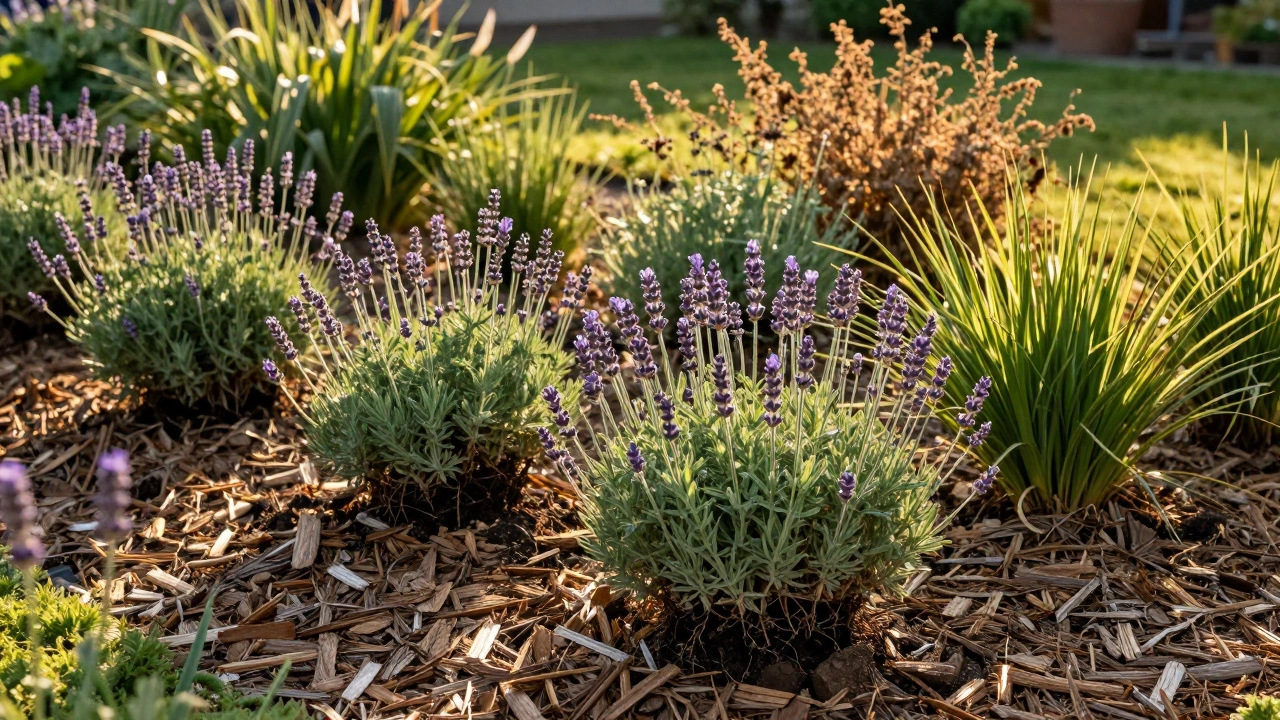
If there’s one rule in affordable landscaping, it’s this: go native. Native plants are adapted to your local climate, rainfall patterns, and soil types. They don’t need constant care once established. Unlike exotic species that demand specific pH levels or frequent pruning, natives thrive on neglect. Take California for example. Instead of planting thirsty fescue grass, homeowners are switching to California poppy, lavender, and sagebrush. These plants survive droughts naturally and attract pollinators, boosting biodiversity while keeping bills low. In Texas, black-eyed Susan and Indian blanket replace sod, requiring minimal fertilizer and no pesticides. Here’s why natives win financially:
- No special fertilizers: They get nutrients from existing soil.
- Less watering: Deep root systems access groundwater efficiently.
- Fewer diseases: Co-evolved with local insects and fungi, so they resist common threats.
- Higher survival rate: Fewer dead plants mean fewer replacements.
Mulch: Cheap Insurance Against Weeds and Drought
Mulch is arguably the most underrated tool in any gardener’s arsenal. A thick layer of organic mulch-like wood chips, shredded bark, or pine straw-does three critical things: suppresses weeds, retains soil moisture, and breaks down into nutrient-rich humus over time. A single cubic yard of mulch costs between $30 and $60, depending on material and region. Spread two to four inches deep across flower beds and around trees, and you’ll reduce weeding time by up to 70%. That’s hours saved each month during spring and summer. Plus, less evaporation means your irrigation system works harder for shorter periods. Pro tip: Don’t use dyed mulch. Black or red mulches may look uniform initially, but the dyes fade unevenly and can harm soil microbes. Stick with natural brown or gray tones. Also, avoid piling mulch against tree trunks (“volcano mulching”), which invites rot and pest infestations. Keep it six inches away from the base of trees.
| Material | Avg. Cost per Cubic Yard | Lifespan | Weed Suppression | Soil Benefits |
|---|---|---|---|---|
| Wood Chips | $35 | 2-3 years | High | Adds organic matter slowly |
| Pine Straw | $40 | 1 year | Medium | Acidifies soil slightly |
| Shredded Bark | $50 | 3-5 years | Very High | Breaks down evenly |
| Gravel (non-organic) | $75+ | Indefinite | None | No soil improvement |
Hardscaping on a Budget: Pavers vs. Concrete vs. Gravel
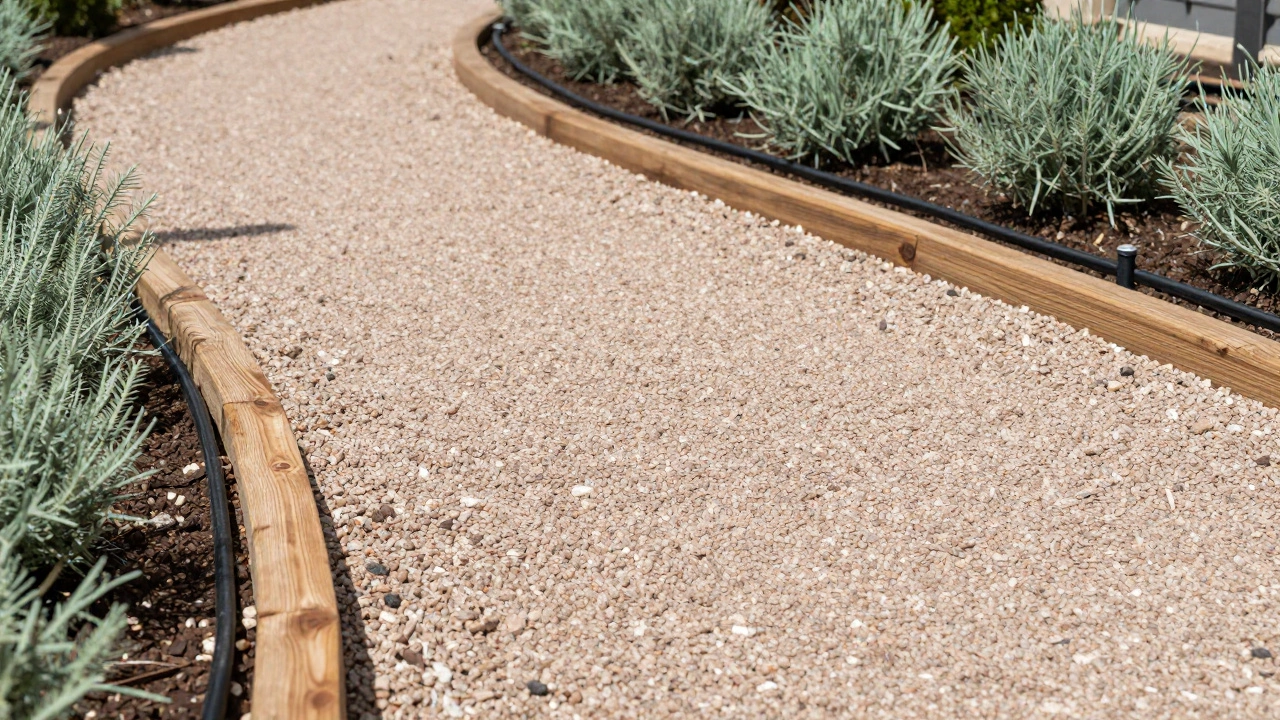
Hard surfaces define pathways, patios, and driveways-but they also represent major expense points. When searching for cheap landscaping solutions, hardscape materials offer varying degrees of affordability and durability. Concrete is often seen as mid-range, costing around $8-$12 per square foot installed. While durable, it cracks under freeze-thaw cycles and offers limited visual appeal without staining or stamping. Stamped concrete jumps to $15-$25/sq ft, quickly eroding savings. Pavers come next. Brick or stone pavers range from $10-$20/sq ft, including labor. Their advantage? Individual units can be replaced if damaged, unlike solid slabs. Permeable pavers help manage stormwater runoff, potentially qualifying for municipal rebates in some areas. But gravel reigns supreme for pure cost efficiency. At $1-$3 per square foot for material alone, gravel paths and driveways are vastly cheaper than poured options. Just ensure proper edging and base preparation to prevent spreading. Decomposed granite provides a smoother finish at slightly higher cost ($3-$5/sq ft) while still remaining far below concrete or paver prices. For small projects, consider renting equipment rather than hiring contractors. A plate compactor rental runs $50-$100/day, saving hundreds compared to professional installation fees.
Irrigation Smartness: Drip Systems Over Sprinklers
Water waste is invisible until your utility bill arrives. Traditional sprinkler heads spray water indiscriminately, losing up to 50% to wind drift and evaporation. Drip irrigation delivers water directly to plant roots, minimizing loss and maximizing absorption. Installing a drip system costs roughly $2-$4 per linear foot for materials and DIY labor. Compared to $5-$10/ft for automated sprinkler zones, the savings add up fast. More importantly, drip systems use 30-50% less water overall because they target where moisture matters most. Pair drip lines with a smart controller-devices like Rachio or Rain Bird ESP-that adjust schedules based on weather forecasts. Some models connect to local soil sensors, pausing cycles when rain falls. Many utilities offer rebates for upgrading to efficient controllers, sometimes covering 50-75% of device costs. Remember: zone your garden by water needs. Group thirsty vegetables together, separate succulents, and keep lawns isolated. This prevents overwatering dry-loving plants while ensuring hungry crops get enough hydration.
DIY Labor: Where You Save Big-and Where Not To
Labor accounts for nearly 50% of total landscaping project costs. Doing work yourself dramatically reduces expenditure-but only if done right. Here’s how to split tasks wisely: Do-it-yourself candidates:
- Planting shrubs and perennials
- Laying mulch and ground cover
- Building raised garden beds using reclaimed lumber
- Installing simple drip irrigation kits
- Pruning hedges and trimming edges
- Grading and drainage correction
- Large-scale demolition or removal
- Electrical wiring for lighting or pumps
- Structural retaining walls over 3 feet tall
- Permitting and code compliance checks
Long-Term Value: How Landscaping Boosts Home Prices
You might wonder whether investing in landscaping actually pays off beyond curb appeal. Studies show well-designed landscapes increase property values by 5-15%, with mature trees contributing significantly. According to the National Association of Realtors, homes with professionally landscaped yards sell faster and closer to asking price than those with neglected grounds. Even modest improvements yield returns. Adding a defined entry path, framing windows with flowering bushes, and maintaining clean edges signal pride of ownership. Buyers associate tidy exteriors with interior care-a psychological bias that translates into quicker sales. Moreover, energy-efficient landscaping lowers utility bills. Strategically placed deciduous trees shade houses in summer, reducing AC load by up to 25%. Evergreens act as windbreaks in winter, cutting heating demands. Over decades, these savings compound nicely alongside increased resale equity.
What is the cheapest way to landscape my backyard?
The cheapest approach combines native plants, generous mulching, and DIY labor. Replace lawn sections with drought-resistant groundcovers, install gravel paths instead of pavers, and build simple wooden borders. Focus on function first-define spaces clearly-then enhance gradually as budget allows.
Are artificial turf options cost-effective long term?
Artificial turf has high upfront costs ($5-$12/sq ft installed) but eliminates mowing, watering, and fertilizing. However, it degrades within 10-15 years, requires occasional cleaning, and heats up significantly in sun. For small areas like balconies or pet zones, it makes sense. Whole-yard installations rarely justify ROI versus native alternatives.
Can I save money by buying plants online?
Online nurseries sometimes offer discounts on bulk orders, especially for bare-root trees and shrubs. But shipping damage risks and lack of immediate inspection make local sources safer for beginners. Look for seasonal sales at regional garden centers-spring and fall clearances often drop prices 30-50%.
How much should I spend on landscaping relative to home value?
Industry experts recommend spending 5-10% of your home’s market value on exterior enhancements. For a $300,000 house, that’s $15,000-$30,000 total. Prioritize foundational elements (drainage, structure, key focal points) before decorative touches. Incremental upgrades spread across years prevent debt strain.
What mistakes do people make trying to cut landscaping costs?
Common pitfalls include skipping soil testing, ignoring drainage issues, selecting inappropriate plant sizes, and avoiding professional consultation for complex layouts. Cutting corners now causes expensive fixes later. Invest in planning phases-free consultations from landscape architects or extension agents-before purchasing materials.