
What Is the Highest Paid Trade in Construction?
 Dec, 7 2025
Construction Trade Salary Calculator
When you think of construction, you might picture hard hats, loud tools, and sweaty workers. But behind that grit is a world where some trades earn more than college grads - and sometimes even doctors. So what’s the highest paid trade in construction? It’s not the foreman. It’s not the project manager. It’s the electrician.
Why Electricians Top the Pay Scale
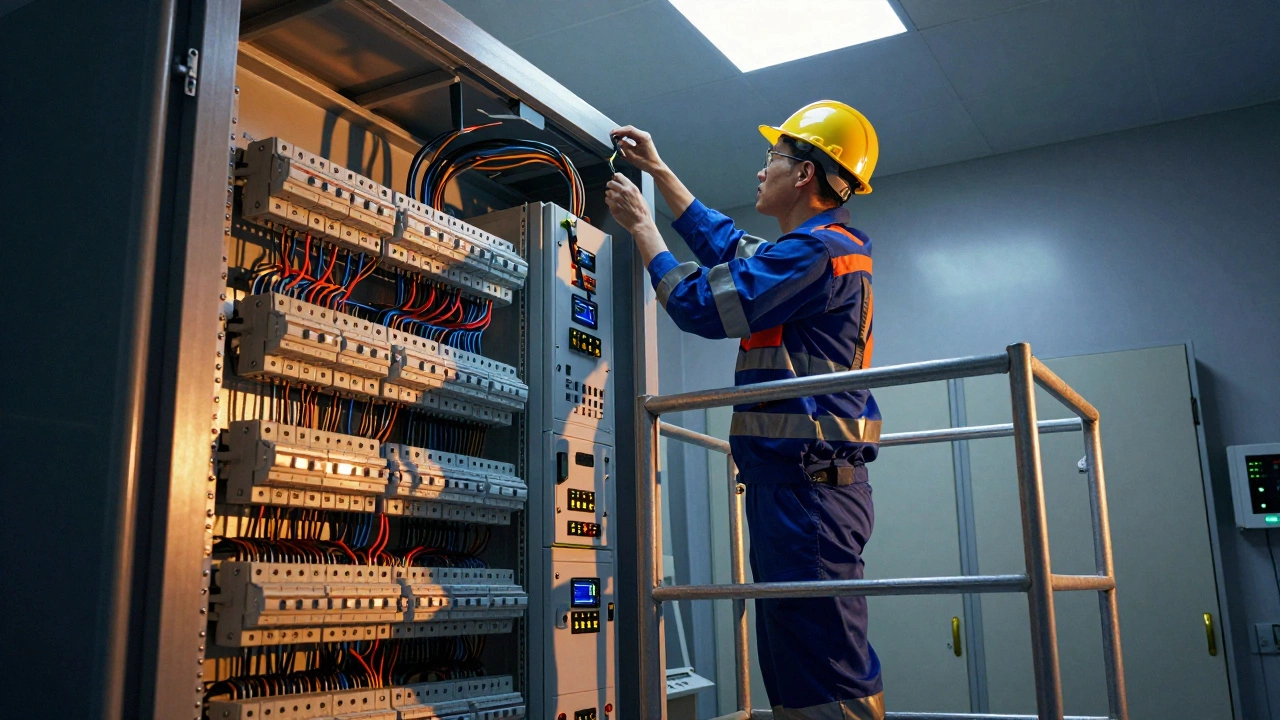
Electricians don’t just wire houses. They install complex systems that keep entire buildings alive - from smart home networks to high-voltage industrial panels. In New Zealand, a qualified electrician earns between $75,000 and $110,000 a year. Senior electricians on large commercial projects, especially in cities like Auckland or Wellington, regularly clear $130,000 with overtime. In the U.S., the median salary is around $65,000, but those working in oil rigs, data centers, or hospitals can hit $150,000+.
What makes electricians so valuable? It’s not just skill - it’s scarcity. Fewer people are entering the trade. Apprenticeships take four to five years. You need to pass strict licensing exams. And you can’t just learn it from YouTube. One contractor in Christchurch told me he’s turned down three job offers in the last year because he couldn’t find a licensed electrician who could handle his hospital retrofit project.
Other High-Paying Construction Trades
Electricians aren’t alone at the top. Here’s who else is pulling in serious money:
- Plumbers - $70,000 to $105,000 annually. Specialized plumbers who work on medical gas systems or high-rise buildings earn even more.
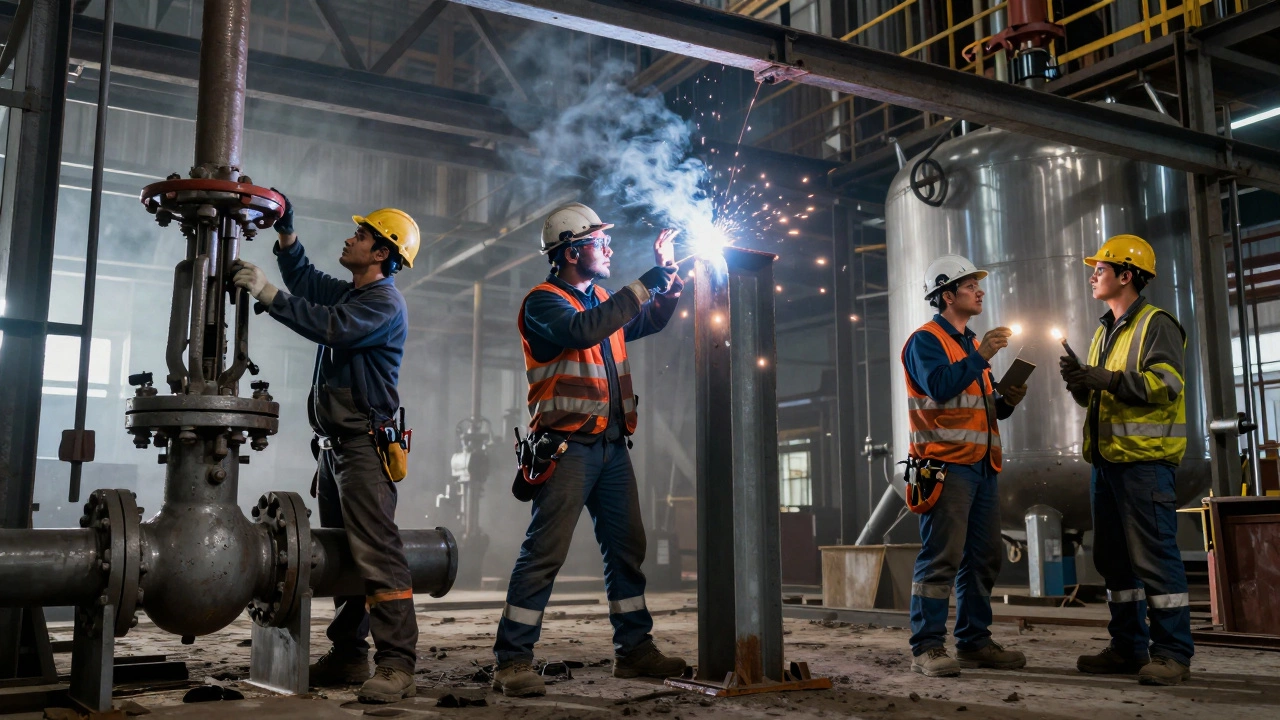
- Steamfitters and Pipefitters - $80,000 to $120,000. These tradespeople install piping for heating, cooling, and industrial processes. Think hospitals, factories, and power plants.
- Ironworkers - $75,000 to $115,000. They handle steel structures for bridges and skyscrapers. The pay reflects the danger - working 30 stories up with no safety net isn’t for everyone.
- Boilermakers - $85,000 to $125,000. They build and maintain massive pressure vessels used in power plants and refineries. Training is rare, demand is high.
- Sheet Metal Workers - $65,000 to $95,000. They make HVAC ducts, roofing systems, and custom metalwork. In commercial construction, their work is non-negotiable.
Compare that to carpenters, who make $60,000-$85,000, or laborers, who average $50,000. The difference isn’t just about effort - it’s about certification, risk, and how hard it is to replace you.
What Drives These Salaries?
There are three big reasons why some trades pay more than others:
- Regulation - You can’t legally wire a house in New Zealand without being a licensed electrician. Same with plumbing. These licenses are hard to get and tightly controlled. That limits supply.
- Risk - Working with live wires, high-pressure steam, or suspended steel isn’t just dangerous - it’s deadly if done wrong. Companies pay more because they can’t afford mistakes.
- Specialization - A general electrician is good. But one who knows how to install fire alarm systems that integrate with building automation? That’s rare. Specialized skills command premium rates.
It’s not about working harder. It’s about working in a field where mistakes cost millions - and where there aren’t enough people to fill the roles.
How to Get Into a High-Paying Trade
If you’re thinking about switching careers or helping a young person choose a path, here’s how to break in:
- Start with an apprenticeship. Most unions and trade schools offer them. You earn while you learn - no student debt.
- Focus on trades with licensing requirements. Electrician, plumber, and pipefitter roles have clear career ladders.
- Get certified in niche areas: solar panel wiring, BIM modeling, or commercial HVAC. These add 15-30% to your pay.
- Join a union. Unionized trades in New Zealand and Australia pay better and offer better benefits.
- Work on commercial or industrial projects. They pay more than residential jobs - and offer more stability.
One 22-year-old apprentice I met in Tauranga started as a laborer. Two years later, he was working on a new hospital project as a licensed electrician. He’s now making $95,000 a year. No university. No loans. Just hard work and the right trade.
The Myth of the “Easy Money” Job
Some people think construction jobs are just “dirty work.” But the truth is, the highest-paid trades require serious brainpower. You need to read blueprints, understand electrical codes, calculate load capacities, and troubleshoot problems no one’s seen before. You’re not just turning a screw - you’re solving engineering puzzles under pressure.
And unlike office jobs, you can’t be replaced by AI. Robots can’t yet wire a control panel in a hospital ICU. They can’t snake a pipe through a 1920s building without breaking old brickwork. Human skill still rules here.
What About the Future?
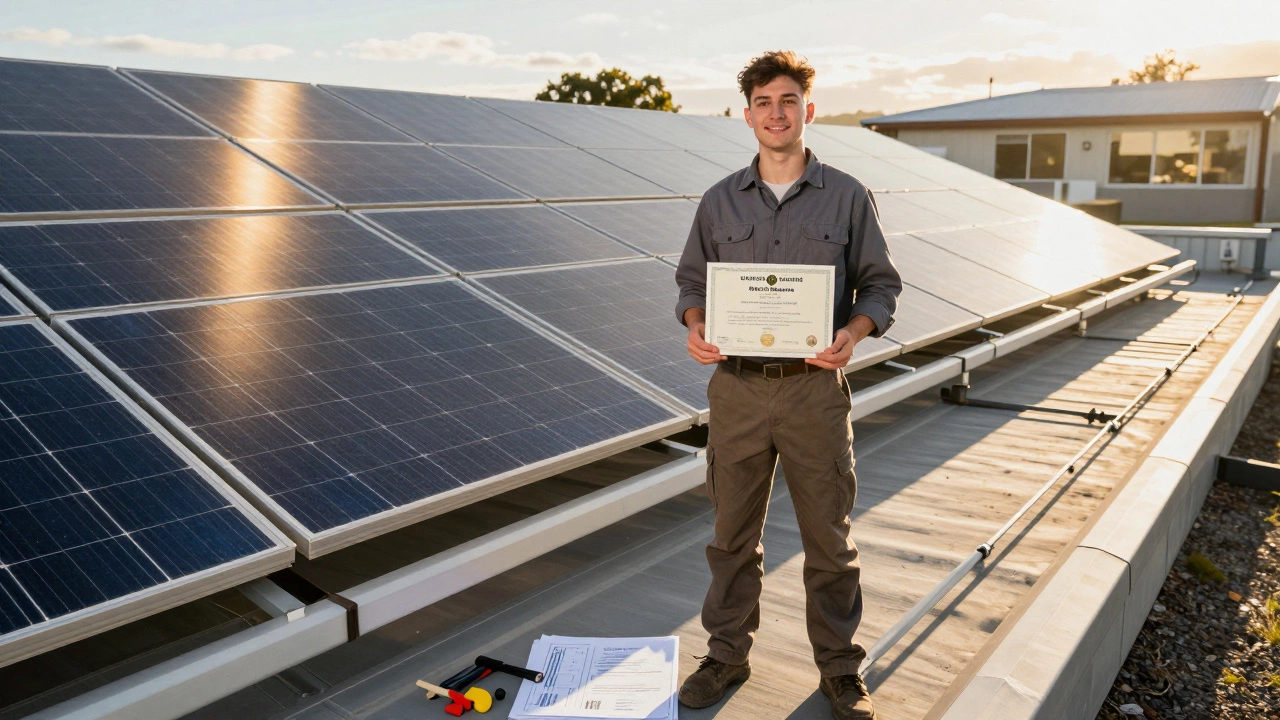
As New Zealand pushes for net-zero buildings, demand for skilled trades is only going up. Solar electricians, energy system integrators, and green HVAC technicians are in short supply. The government’s Building for Climate Change program is pouring money into retrofitting public buildings - and they need people who know how to do it right.
By 2030, the Construction Industry Training Organisation (CITO) predicts a shortage of over 12,000 skilled tradespeople in New Zealand alone. That means wages will keep rising. If you’re considering a trade, now is the best time to start.
Final Thought: It’s Not About the Title - It’s About the Skill
The highest paid trade in construction isn’t the one with the flashiest truck or the loudest tools. It’s the one where your knowledge directly prevents disaster. Where one wrong move could shut down a hospital, start a fire, or cost a company millions.
Electricians earn the most because they hold the power - literally. But plumbers, pipefitters, and ironworkers aren’t far behind. If you’re willing to learn, to get licensed, and to show up every day, you can build a career that pays better than most degrees - and gives you something those degrees can’t: real, measurable, irreplaceable skill.
Is being an electrician the highest paid trade in construction?
Yes, electricians typically earn the highest salaries among construction trades. In New Zealand, qualified electricians make between $75,000 and $130,000 annually, with specialists on commercial or industrial projects earning even more. Their pay reflects the complexity of their work, strict licensing requirements, and high demand.
How much do plumbers make compared to electricians?
Plumbers earn slightly less than electricians on average - typically $70,000 to $105,000 per year in New Zealand. However, plumbers who specialize in medical gas systems, high-rise buildings, or industrial facilities can match or even exceed electrician pay. The difference often comes down to specialization and project type.
Do you need a degree to become a high-paid trade worker?
No, you don’t need a university degree. High-paying construction trades like electrician, plumber, or pipefitter require apprenticeships and licensing, not degrees. Most apprentices start at 16-18 years old and earn while training for four to five years. After passing certification exams, they become fully licensed and can command top wages.
Are construction trades a good career choice for young people?
Absolutely. Construction trades offer high pay, job security, and no student debt. With a shortage of skilled workers expected to grow over the next decade, demand is rising. Many young people are choosing trades over university because they can earn a six-figure salary by their mid-20s without borrowing money.
What’s the fastest way to increase pay in a construction trade?
Specialize. Get certified in areas like solar electrical systems, BIM modeling, commercial HVAC, or hazardous material handling. These skills are in short supply and can boost your pay by 15-30%. Working on large commercial or government projects also pays more than residential jobs.