
Do New Builds Come With TV? A Complete Guide to Fixtures and Fittings
 May, 17 2026
New Build TV Setup Cost Calculator
Your Entertainment Setup Breakdown
Important Reminders
- Measure your wall space before buying
- Check if developer included mounting brackets
- Verify Ethernet port location near TV area
- Buy before moving for easier returns
- Consider room size when choosing TV size
What's Usually Included
- ✓ Pre-wired AV conduits
- ✓ Smart home hub compatibility
- ✓ Power outlets near TV areas
- ✓ Sometimes mounting brackets
Commonly Excluded
- ✗ Television sets
- ✗ Sound systems
- ✗ Streaming devices
- ✗ HDMI cables
Can you get a TV included?
While rare, you might negotiate:
- Trade-up allowances toward electronics
- Credit for appliance upgrades
- Inclusion of mounting hardware
- Pre-installed smart home features
Always get promises in writing!
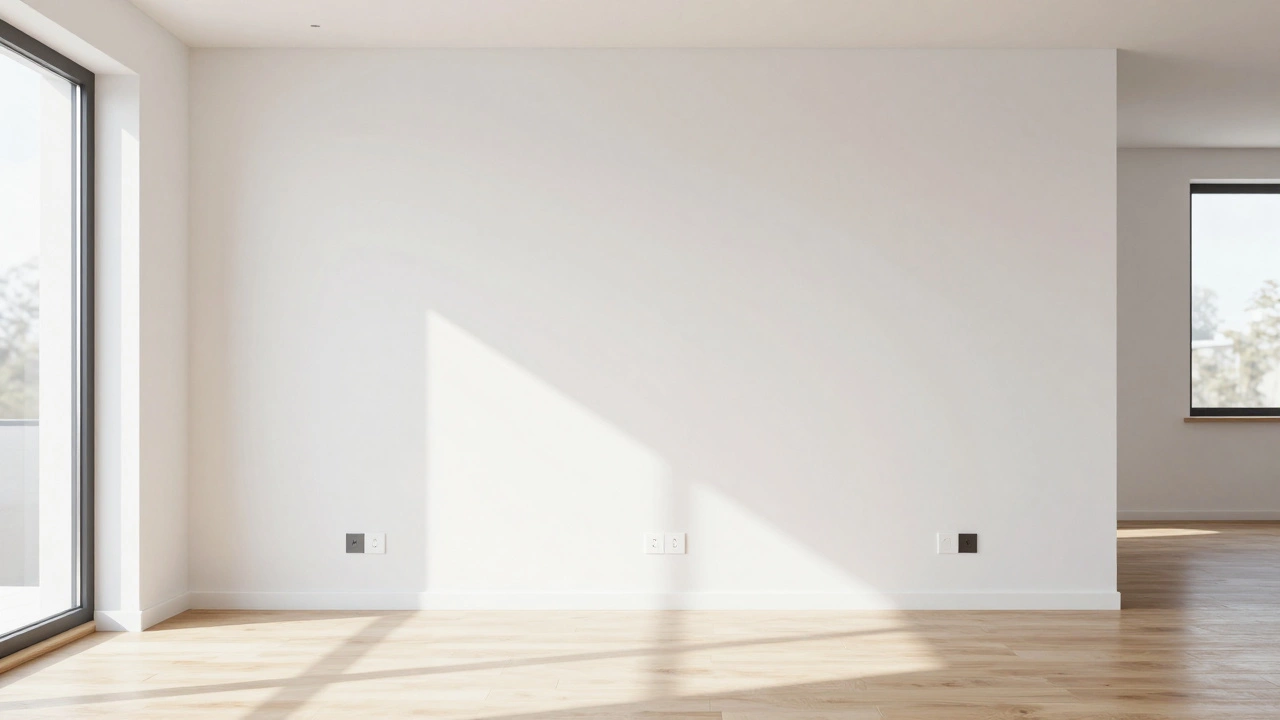
You’ve finally secured the keys to your brand-new home. The paint is fresh, the floors are clean, and you’re ready to unpack. But when you walk into the living room, you notice a blank wall where the television should be. This moment of confusion is common among first-time buyers moving into new builds. The short answer is no: new builds do not typically come with a TV. However, the full picture is more nuanced depending on whether you are buying a standard residential property or a specialized accommodation like student housing.
Understanding what is considered a fixture versus a fitting can save you from unexpected costs and disappointment during your move. Let’s break down exactly what stays, what goes, and how to plan for your entertainment setup without breaking the bank.
The Standard Rule: TVs Are Not Included
In the vast majority of residential real estate transactions, a television is classified as a personal belonging, not a permanent part of the house. When developers build new homes, they focus on structural elements and essential utilities. These include walls, roofs, plumbing, electrical wiring, and built-in appliances like ovens or dishwashers if specified in the contract.
A TV is considered "black goods"-a term used in the industry to describe electronic devices that are easily movable and not fixed to the property. Unlike "white goods" such as refrigerators or washing machines, which might sometimes be included in rental agreements or specific sales contracts, televisions are almost always excluded. If you buy a new build from a developer, you will receive the property with the infrastructure ready for a TV, but the screen itself is your responsibility to purchase.
This rule applies across most markets, including the United States, the United Kingdom, Australia, and New Zealand. While local laws vary slightly regarding what constitutes a "fixture," the consensus remains consistent: if it plugs into a socket and can be carried away by one person, it likely won’t be there when you arrive.
Fixtures vs. Fittings: Knowing the Difference
To understand why the TV isn’t included, you need to grasp the legal distinction between fixtures and fittings. This concept is crucial during property negotiations and handovers.
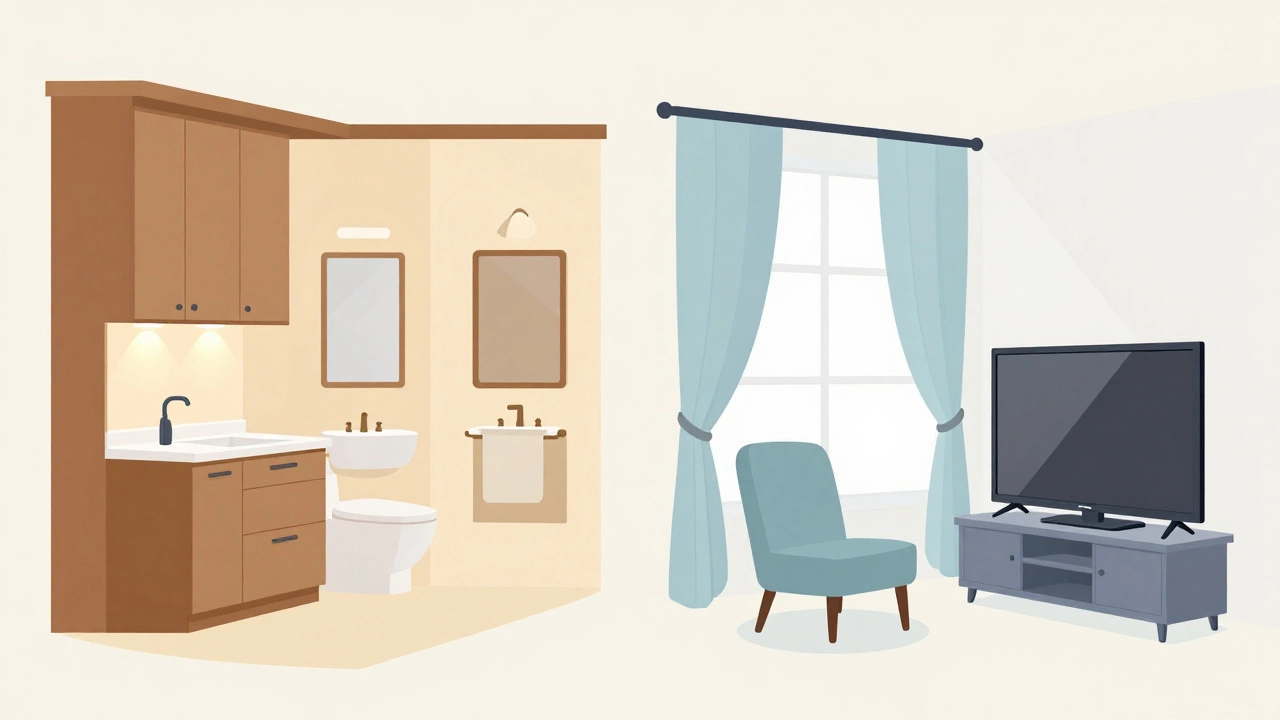
- Fixtures: Items attached to the building structure. Removing them would cause damage or require professional tools. Examples include light fittings, bathroom suites, built-in wardrobes, and kitchen cabinets.
- Fittings: Items that are not permanently attached and can be removed without damaging the property. Examples include curtains, freestanding furniture, and yes, televisions.
When you sign a contract for a new build, the list of included items usually details the fixtures. You might get high-quality LED downlights, smart home hubs pre-installed, or even integrated sound systems in luxury developments. But these are hardwired into the home. A standalone TV set sits on a stand or mounts to a bracket (which might be included) but is still considered a separate asset owned by the seller or developer until explicitly transferred.
Exceptions: Student Housing and Serviced Apartments
There are scenarios where a TV might actually be present in a new build. These exceptions usually involve properties designed for temporary occupancy rather than long-term ownership.
Student Accommodation: Many purpose-built student residences (PBSR) now come fully furnished to attract tenants. In these cases, a basic flat-screen TV is often included in each bedroom or communal area. Since the target demographic expects turnkey convenience, landlords invest in durable, affordable screens that stay with the unit.
Serviced Apartments and Co-living Spaces: High-end serviced apartments, particularly those marketed towards business travelers or digital nomads, may include smart TVs as part of their amenity package. These properties operate more like hotels than traditional homes. The goal is to provide immediate comfort, so electronics are part of the inventory managed by the facility operator.
If you are buying a standard family home or a condo for personal residence, however, you should assume zero electronics will be included unless written explicitly in the sale agreement.
What About Smart Home Features?
While you won’t get a physical TV, modern new builds are increasingly coming with technology that enhances your viewing experience. Developers compete on lifestyle features, and smart home integration is a major selling point.
You might find:
- Pre-wired AV Channels: Conduits running through walls from the roof space to the living room, allowing you to hide cables for a ceiling-mounted projector or large screen.
- Smart Hub Compatibility: Systems that integrate lighting, security, and audio-visual controls via an app. Some premium builds include multi-room audio systems that pair seamlessly with any TV you buy.
- Wall-Mount Brackets: Higher-end finishes may include heavy-duty mounting plates installed behind drywall or plaster, saving you the hassle of drilling into concrete or brick later.
These features don’t replace the need to buy a TV, but they make installation cleaner and easier. Always ask the developer for a detailed specification sheet that outlines the smart home capabilities before you sign.
Planning Your TV Purchase for a New Build
Since you know the TV is on you, timing your purchase correctly can save money and stress. Here is a practical approach to handling your entertainment setup.
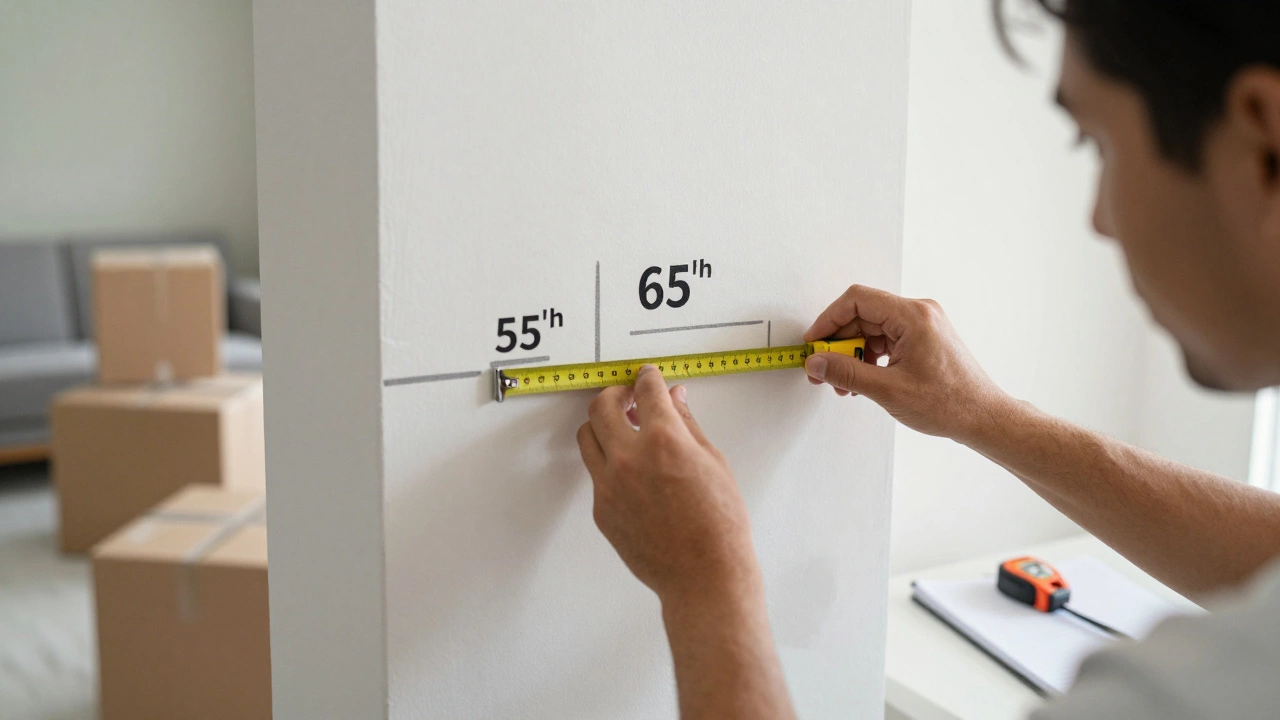
Measure Before You Move: Don’t guess the size. Use painter’s tape to mark out different screen sizes (55-inch, 65-inch, 75-inch) on your wall. This helps you visualize the scale and ensures the TV fits proportionally with your sofa and room layout. New builds often have larger open-plan living areas, which can accommodate bigger screens than older homes.
Check the Internet Infrastructure: Modern streaming relies heavily on Wi-Fi stability. Ask your builder about the location of the network drop point. Ideally, you want Ethernet cabling terminated near your TV position. Relying solely on Wi-Fi for 4K streaming can lead to buffering issues, especially in thick-walled new constructions.
Budget for Accessories: The cost isn’t just the screen. Factor in:
- A high-quality HDMI cable (HDMI 2.1 for future-proofing).
- A wall mount if you aren’t using a stand.
- Potential electrical work if the nearest outlet is far away.
- Soundbars or external speakers, as built-in TV speakers rarely fill large rooms.
Negotiating Inclusions with Developers
Can you get a developer to include a TV? It’s rare, but not impossible, especially in competitive markets. During the negotiation phase, you might request upgrades to the "fitting" list. More commonly, developers offer credit toward appliances or decor packages.
Instead of asking for a specific TV model, ask if there is a trade-up allowance. For example, if the base price includes a basic oven, you might negotiate a $1,000 credit that you can apply toward higher-end appliances or electronics. This gives you flexibility to choose a TV brand you prefer rather than accepting a generic unit chosen by the developer.
Always get any promises in writing. Verbal assurances from sales agents often disappear once the contract is signed. The final schedule of fixtures and fittings should clearly state what is included and what is excluded.
Common Mistakes Buyers Make
I’ve seen many homeowners stumble over this issue. Here are the most frequent errors to avoid:
- Assuming Rental Terms Apply: If you rented an apartment with a TV, you might expect your bought home to do the same. They are fundamentally different transaction types.
- Ignoring Mounting Constraints: Trying to mount a heavy TV on drywall without finding studs or using proper anchors. New builds use lightweight materials; check the wall composition before hanging anything.
- Overlooking Return Policies: Buy your TV before moving in if possible. If the screen doesn’t fit your aesthetic or has dead pixels, you can return it. Once you’re settled and boxes are everywhere, returning a large item becomes a logistical nightmare.
Final Checklist for Your Handover
Before you sign off on your new build inspection, verify the following related to your entertainment setup:
- Are all power outlets near the intended TV location functional?
- Is there an Ethernet port available for wired internet?
- Have you confirmed the wall material type for mounting purposes?
- Did you receive documentation for any pre-installed smart home systems?
Knowing that the TV is your responsibility allows you to shop around, compare prices, and select a device that truly matches your preferences. It’s a small inconvenience, but it gives you control over the quality of your home theater experience.
Do new builds come with a TV in New Zealand?
No, standard new builds in New Zealand do not include televisions. They are considered personal belongings. Only specialized accommodations like student housing or serviced apartments might include them.
What is the difference between fixtures and fittings in a new home?
Fixtures are permanently attached to the property (like lights and cabinets), while fittings are removable items (like curtains and TVs). Sellers keep fittings unless agreed otherwise.
Can I negotiate for a TV to be included in my new build purchase?
It is unlikely to get a specific TV included, but you may negotiate a credit or upgrade allowance that you can use toward purchasing electronics or other appliances.
Should I buy my TV before or after moving into a new build?
Buy it before moving in. This allows you to measure the space accurately, test the product, and handle returns easily if there are defects or sizing issues.
Do new builds have wiring for TVs?
Many modern new builds include pre-wired conduits for AV equipment and Ethernet ports, making cable management easier. Check your specific floor plan and spec sheet for details.