
How Do I Know If I Have Foundation Issues? Signs You Can't Ignore
 Mar, 16 2026
Foundation Issue Diagnostic Tool
How Serious Is Your Home's Foundation?
This tool helps identify potential foundation issues based on key signs. Wellington's reactive clay soils make early detection critical. Answer the questions below to get your risk assessment.
Cracks
Doors & Windows
Structural Issues
Foundations don’t usually scream for help. They don’t make noise or flash warning lights. But if your house is showing signs of trouble, it’s not just old age-it could be your foundation. In Wellington, where the ground shifts with rain, earthquakes, and clay soils, foundation problems don’t wait for you to be ready. They show up quietly, then get worse fast. If you’ve noticed odd changes in your home, don’t brush them off. Here’s what to look for.
Cracks That Don’t Go Away
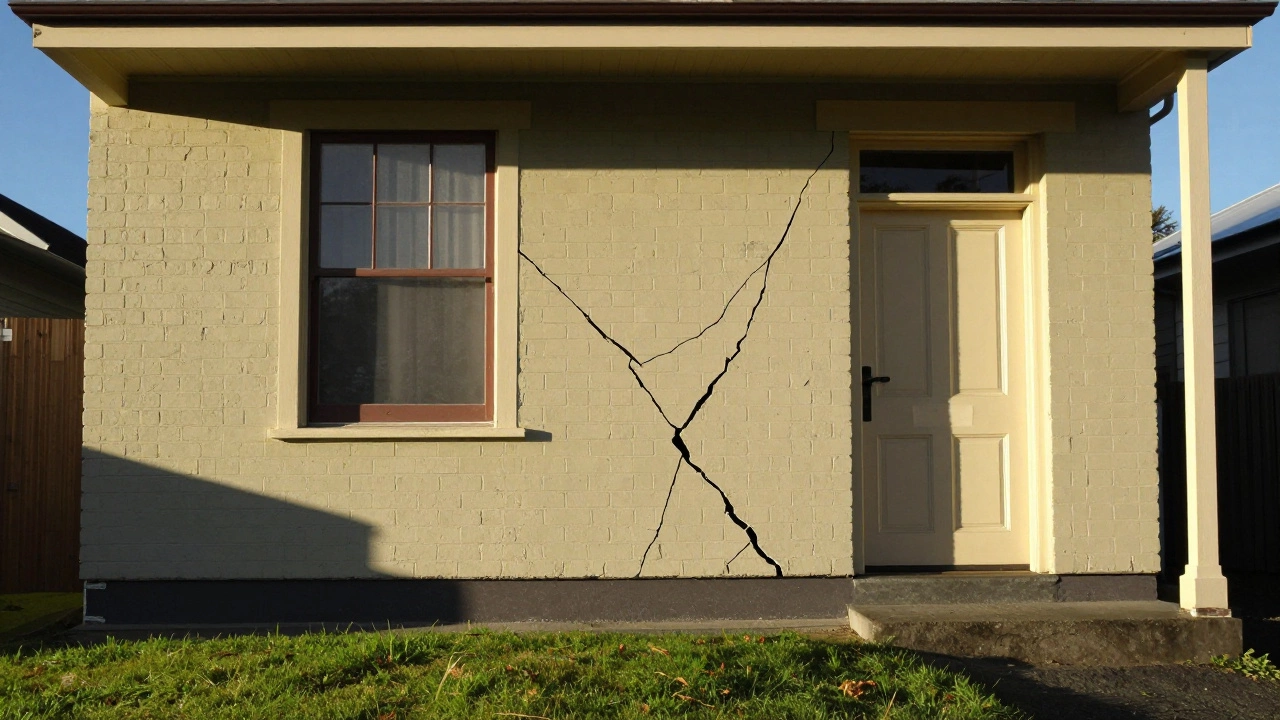
Small hairline cracks in plaster or drywall are normal, especially in older homes. But if you see cracks wider than 3mm, especially if they’re diagonal, stair-stepped, or run from the floor up the wall, that’s a red flag. Pay attention to cracks around windows and doors. If the frame looks twisted or the door won’t close properly, the structure is moving. In Wellington, we see a lot of vertical cracks along brick veneer that start at the top corner of a window and run down toward the ground. That’s not just weathering-it’s the foundation sinking unevenly.
Doors and Windows That Stick or Won’t Close
Have you started having to push harder to shut a door? Or does a window that used to slide smoothly now feel like it’s fighting you? This isn’t humidity. It’s misalignment. When the foundation shifts, the whole frame of the house twists. Doors and windows are rigid, so they don’t bend with the structure. They get stuck. If multiple doors or windows in different parts of the house are acting up at the same time, it’s not coincidence. It’s a sign the house is no longer level.
Uneven or Sloping Floors
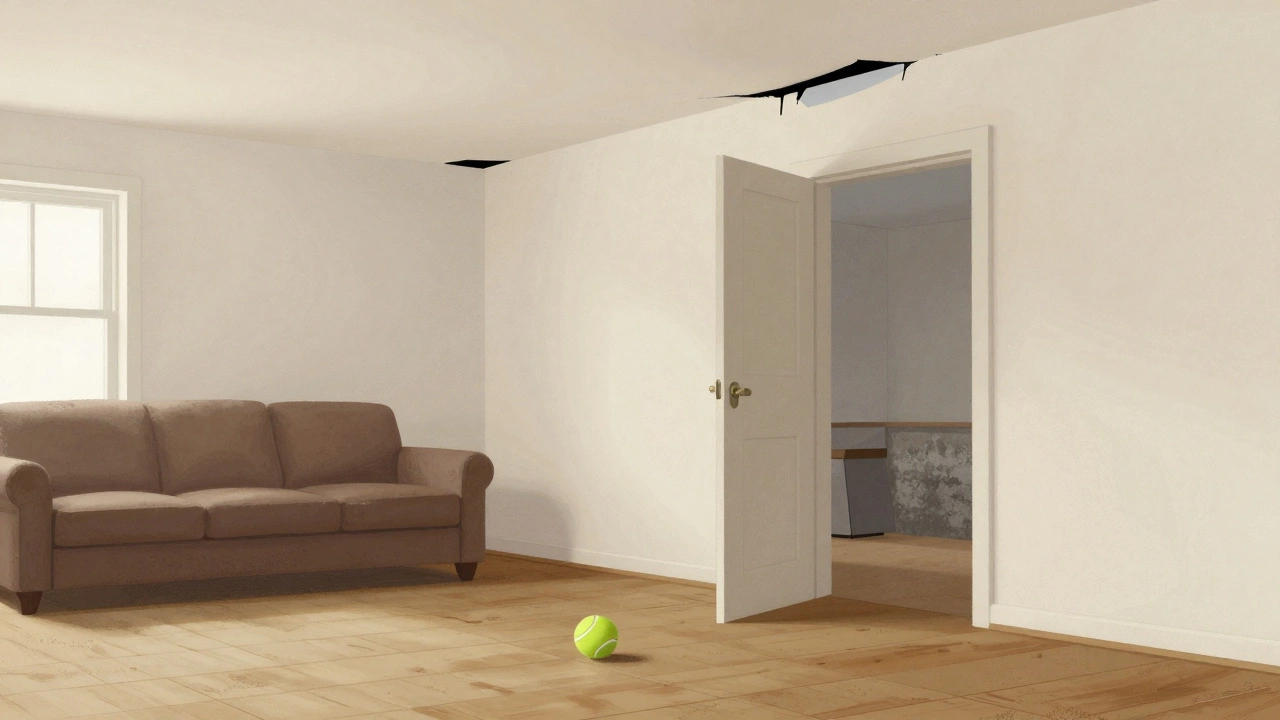
Walk across your living room. Does it feel like you’re on a slight hill? Try rolling a marble or a tennis ball across the floor. If it rolls in one direction-toward the middle of the house, or toward a wall-that’s not your imagination. Foundation settlement causes floors to slope. In Wellington, older homes built on steep sections often develop this over time. A slope of more than 1 inch over 20 feet is a serious warning. You might not notice it day to day, but it adds up. Furniture slides. Water pools in one corner. And if you’ve ever tripped over a floor that “just feels off,” that’s your body telling you something’s wrong.
Gaps Between Walls and Floors or Ceilings
Look closely where the wall meets the floor or ceiling. If you see new gaps-enough to slip a credit card in-that means the structure is pulling apart. This often happens when one side of the foundation settles more than the other. You might see these gaps in the corners of rooms, especially near exterior walls. In homes with high ceilings, gaps at the top of walls near the ceiling line are especially telling. It’s not drywall tape coming loose. It’s the whole house shifting.
Sticking or Separated Chimneys
If your chimney is brick or stone, check how it connects to the house. Does it look like it’s pulling away? Are there cracks between the chimney and the roofline? A chimney is heavy and rigid. When the foundation moves, it often drags the chimney with it-or leaves it behind. That gap? It’s not just ugly. It’s a water entry point and a sign of major structural movement.
Exterior Cracks and Bulging Walls
Walk around your house. Look at the brick, concrete, or stucco outside. Are there cracks that go all the way through the wall? Are any walls bulging inward or outward? This is one of the clearest signs of foundation pressure. In Wellington, homes built on reactive clay soils often see this. When the soil gets wet, it expands and pushes against the foundation. When it dries, it shrinks and leaves gaps. That cycle repeats every year, and over time, it cracks the foundation from the inside out. If you see a wall that looks like it’s bowing, don’t wait. That’s not a cosmetic fix.
Water in the Basement or Crawl Space
Moisture in your basement isn’t always a drainage issue. If water keeps coming in after heavy rain-even after you’ve cleaned your gutters and regraded the soil-it could mean the foundation has cracks below ground. Water doesn’t rise on its own. It follows the path of least resistance. If your foundation has tiny fractures, water seeps through. And over time, that weakens the concrete. You might also notice white, chalky residue on the walls. That’s efflorescence, and it’s a sign water has been moving through the foundation material.
Doors That Won’t Latch or Lock Properly
Doors that won’t latch? That’s not just a worn strike plate. If your deadbolt now barely reaches the hole, or the latch clicks but doesn’t catch, the door frame is out of square. This happens when the foundation shifts enough to twist the entire wall. It’s not a lock problem. It’s a structural one. If you’ve replaced locks before and the problem keeps coming back, the root cause isn’t the hardware-it’s the foundation.
Cracks in the Concrete Slab
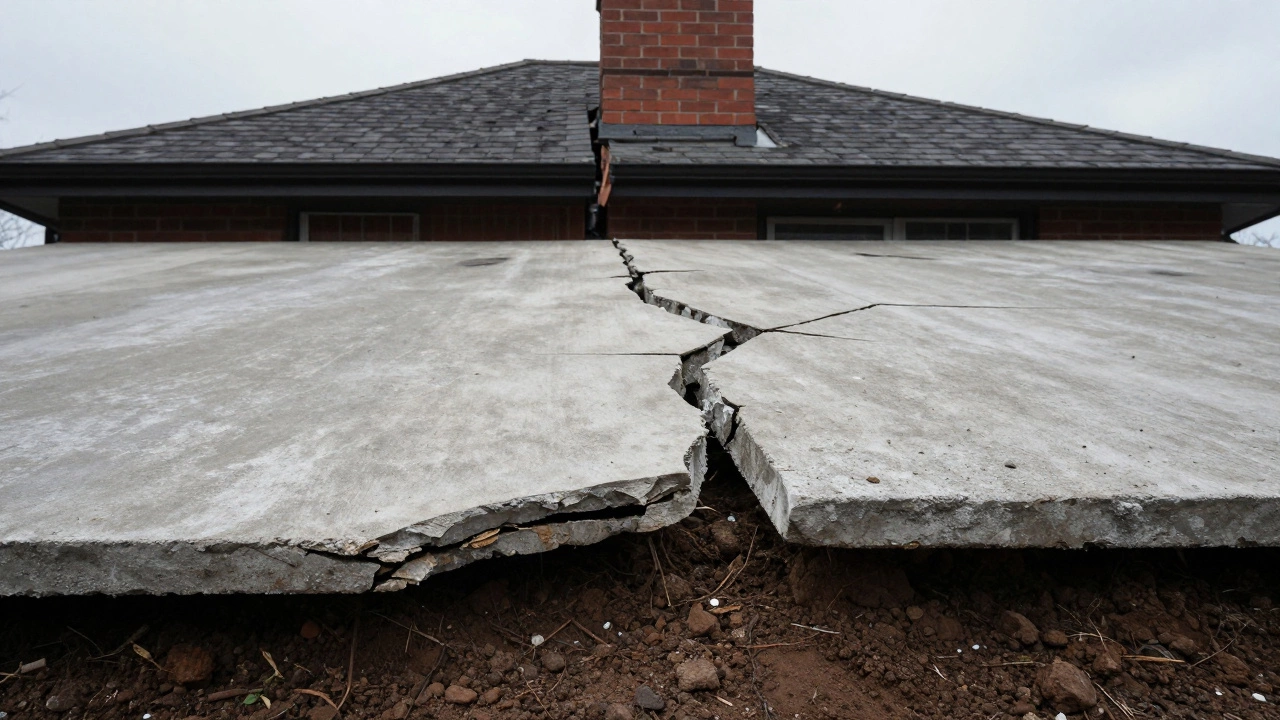
Check your garage floor, patio, or any concrete slab on your property. If you see cracks wider than 5mm, especially if they’re jagged or widening over time, that’s your foundation talking. A clean, straight crack might just be shrinkage. But if the edges are uneven, or one side is higher than the other, the ground underneath is moving. In Wellington, slab cracks often appear near the edges of driveways or where the house connects to a garage. That’s where the foundation is most vulnerable.
What to Do Next
If you’ve noticed one or more of these signs, don’t panic-but don’t delay. Foundation problems don’t fix themselves. They get worse. The longer you wait, the more expensive and invasive the repair becomes. Start by documenting everything: take photos of cracks, measure gaps with a ruler, note which doors stick. Then call a structural engineer or a foundation specialist. Don’t go with a company that only does repairs without giving you a full assessment. A good pro will inspect the soil, check the drainage, and use a laser level to measure how much your house has shifted. They’ll give you a report, not a sales pitch.
Some repairs can be done with underpinning, helical piers, or slab jacking. Others need full foundation replacement. The right fix depends on the cause. Was it poor drainage? Tree roots? Poor original construction? The answer changes everything.
What Doesn’t Mean Foundation Damage
Not every crack or sticking door means disaster. Houses settle a little, especially in the first few years. Seasonal changes cause minor shifts. But if you’re seeing multiple signs at once-cracks + sloping floors + sticking doors-that’s not normal settling. That’s structural movement. And it needs attention.
Prevention Is Cheaper Than Repair
Good drainage is the #1 way to protect your foundation. Make sure gutters direct water at least 6 feet away from your house. Keep trees and large shrubs at least 10 feet from the foundation. Don’t let soil pile up against the walls. And in Wellington, don’t ignore the rain. Even a few heavy winter storms can trigger movement in reactive soils.
Check your foundation twice a year-once after winter, once after summer. Look for new cracks, changes in door operation, or water stains. Catching it early can save you tens of thousands.
Can I fix foundation issues myself?
No. Foundation repairs require specialized equipment, structural knowledge, and permits. DIY fixes like patching cracks with epoxy or using concrete filler only mask the problem. They don’t stop the movement. In fact, they can make it worse by trapping moisture or hiding the real damage. Always get a professional inspection before attempting any repair.
How much does foundation repair cost in Wellington?
Costs vary widely. Minor repairs like crack sealing might cost $500-$1,500. Underpinning or slab jacking typically runs $10,000-$30,000. Full foundation replacement can exceed $50,000. The price depends on the extent of damage, house size, and soil conditions. Get at least three quotes from licensed specialists. Be wary of anyone who gives a price over the phone without an inspection.
Will my insurance cover foundation damage?
Most standard home insurance policies in New Zealand don’t cover foundation damage caused by gradual settling, soil movement, or poor drainage. Coverage is usually limited to sudden events like earthquakes (if you have earthquake insurance) or burst pipes that cause flooding. Check your policy wording carefully. Foundation issues are often considered maintenance-related, not accidental.
How long does foundation repair take?
Simple repairs like crack injection or drainage fixes can take a day or two. Underpinning with piers usually takes 3-7 days. Full foundation replacement can take 2-4 weeks, depending on access, weather, and permits. Most reputable companies will give you a timeline upfront and stick to it.
Can foundation problems affect my home’s value?
Yes. Unrepaired foundation damage can reduce your home’s value by 10-25%, depending on severity. Buyers often walk away from homes with known foundation issues unless repairs are done and documented with engineer certification. If you’re planning to sell, getting repairs done and having the work inspected and signed off by a structural engineer can restore your home’s market value.