
Is Civil the Same as Commercial Construction? Key Differences Explained
 Jan, 22 2026
Construction Type Checker
Determine Your Construction Type
This tool helps you identify whether your project falls under civil or commercial construction based on key criteria discussed in the article.
Is your project primarily for public use or private business?
Who is funding the project?
Does your project involve infrastructure systems?
Is the primary purpose of the project to serve community needs or generate revenue?
Answer the questions above to see if your project is civil or commercial construction.
People often use the terms civil and commercial construction interchangeably, but they’re not the same. If you’re planning a project-whether it’s a new office building or a highway interchange-mixing them up can cost you time, money, and permits. Understanding the difference isn’t just academic; it affects who you hire, what permits you need, and even how the project is funded.
Civil Construction Is About Infrastructure
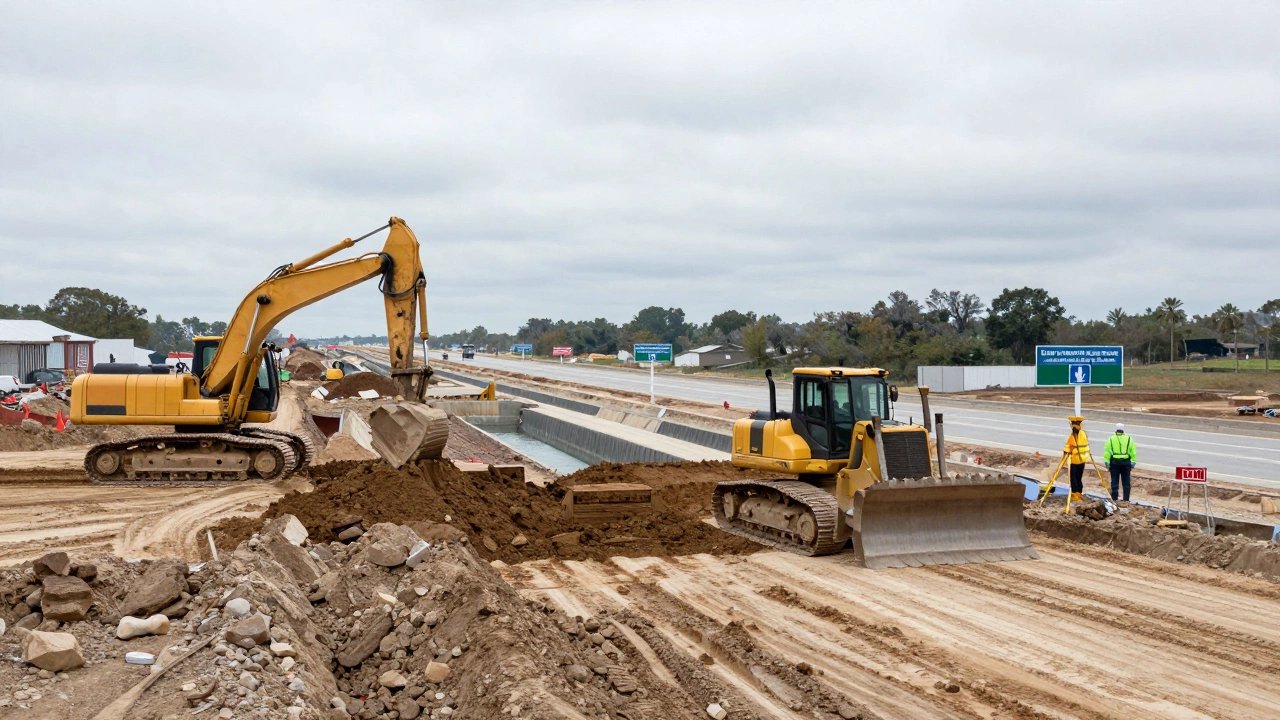
Civil construction focuses on public infrastructure. Think roads, bridges, water treatment plants, sewage systems, dams, and public transit lines. These projects are usually funded by government agencies-city, county, state, or federal-and serve the general public. They’re built to last decades, often under strict environmental and safety regulations.
A civil construction project doesn’t have storefronts or offices. It doesn’t house businesses or customers. It moves people, cleans water, or manages waste. For example, building a new stormwater drainage system for a flood-prone neighborhood is civil construction. So is laying down a 10-mile stretch of interstate highway. These aren’t about profit-they’re about public safety and functionality.
Commercial Construction Is About Business Spaces
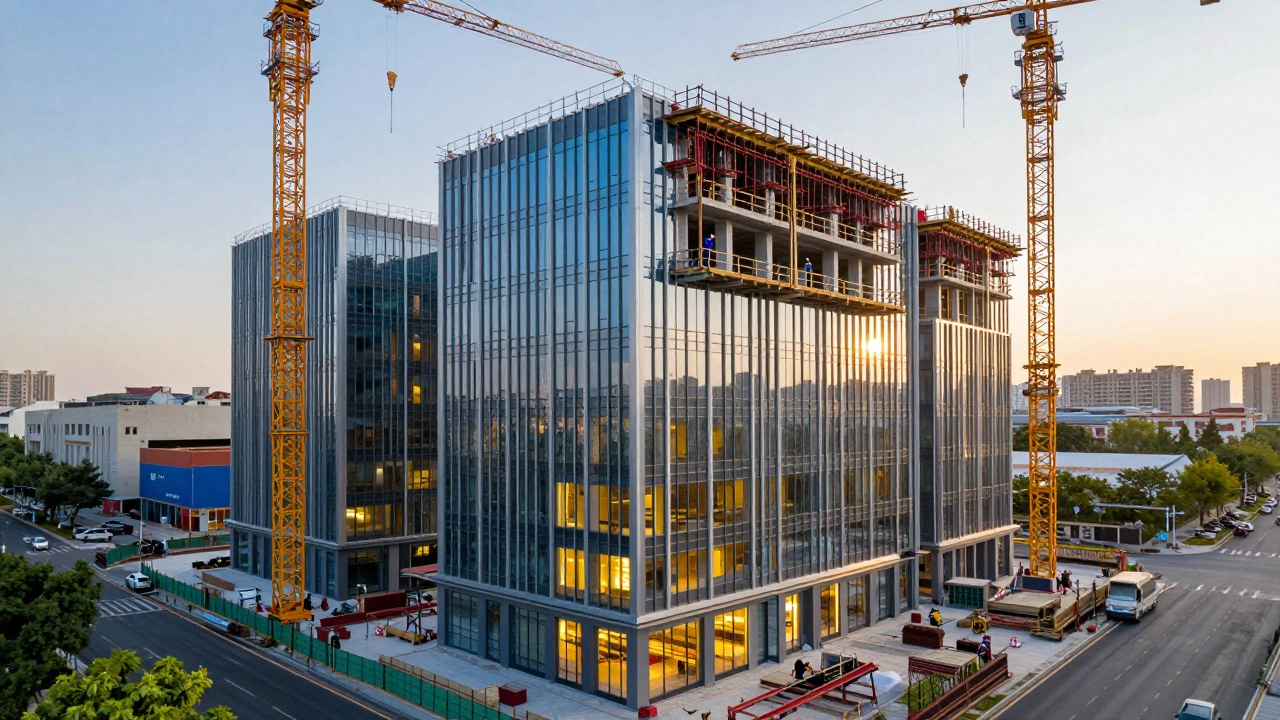
Commercial construction builds structures for business use. That includes office buildings, retail stores, hotels, restaurants, warehouses, and medical clinics. These projects are almost always privately funded by developers, investors, or corporations. The goal? Generate revenue. A shopping mall isn’t just concrete and steel-it’s designed to attract foot traffic, maximize lease space, and create a brand experience.
Commercial projects have different priorities. They need strong HVAC systems for customer comfort, high-end finishes to impress clients, ADA-compliant layouts, and lighting that enhances shopping or working environments. A bank branch, for instance, requires secure vaults, surveillance systems, and teller counters-all things you won’t find in a bridge or a water treatment plant.
Design and Planning Are Worlds Apart
The design process for civil and commercial projects follows different rules. Civil projects rely heavily on civil engineers who specialize in structural loads, soil mechanics, hydrology, and traffic flow. Their blueprints show pipe gradients, retaining wall angles, and drainage slopes-not interior layouts.
Commercial projects are led by architects and commercial designers who focus on space planning, aesthetics, and user experience. They worry about how many people can fit in a lobby, where elevators go, how natural light hits a workspace, and how signage guides visitors. A hospital lobby needs calming colors and clear wayfinding. A highway interchange needs 45-degree ramp curves and signage visible at 80 mph.
Permitting is another big divider. Civil projects often require environmental impact studies, public hearings, and federal approvals. Commercial projects need zoning variances, fire safety certifications, and occupancy permits-but rarely require public input unless they’re in historic districts.
Who Builds What? Different Contractors, Different Skills
You wouldn’t hire a commercial general contractor to build a wastewater treatment plant. And you wouldn’t trust a civil contractor to install the HVAC system in a 20-story office tower.
Civil contractors specialize in heavy equipment: bulldozers, excavators, pavers, and crane systems that move tons of earth. Their teams are trained in grading, trenching, and underground utility installation. They work outdoors, often in remote areas, and deal with unpredictable ground conditions.
Commercial contractors work with drywall, glass facades, elevators, and complex electrical systems. Their crews include electricians, plumbers, and HVAC specialists who install systems inside finished buildings. They work on tight schedules to meet lease start dates and often coordinate with multiple subcontractors-all while keeping operations running in adjacent businesses.
Costs and Timelines Don’t Compare
A typical commercial project-say, a 50,000-square-foot retail center-might cost $15-$25 million and take 12 to 18 months. Costs are driven by finishes, technology, and labor. High-end materials like marble flooring or smart building systems can double the budget.
A civil project like a new 3-mile road with storm drains and traffic signals might cost $20-$40 million, but the timeline could stretch to 3-5 years. Why? Permitting delays, weather interruptions, utility relocations, and public feedback loops. Civil projects rarely have fixed deadlines-they’re tied to government funding cycles.
Also, civil projects often have fixed-price contracts with the government, meaning contractors absorb cost overruns. Commercial projects usually use cost-plus or guaranteed maximum price contracts, where the owner shares financial risk.
What Happens When You Confuse Them?
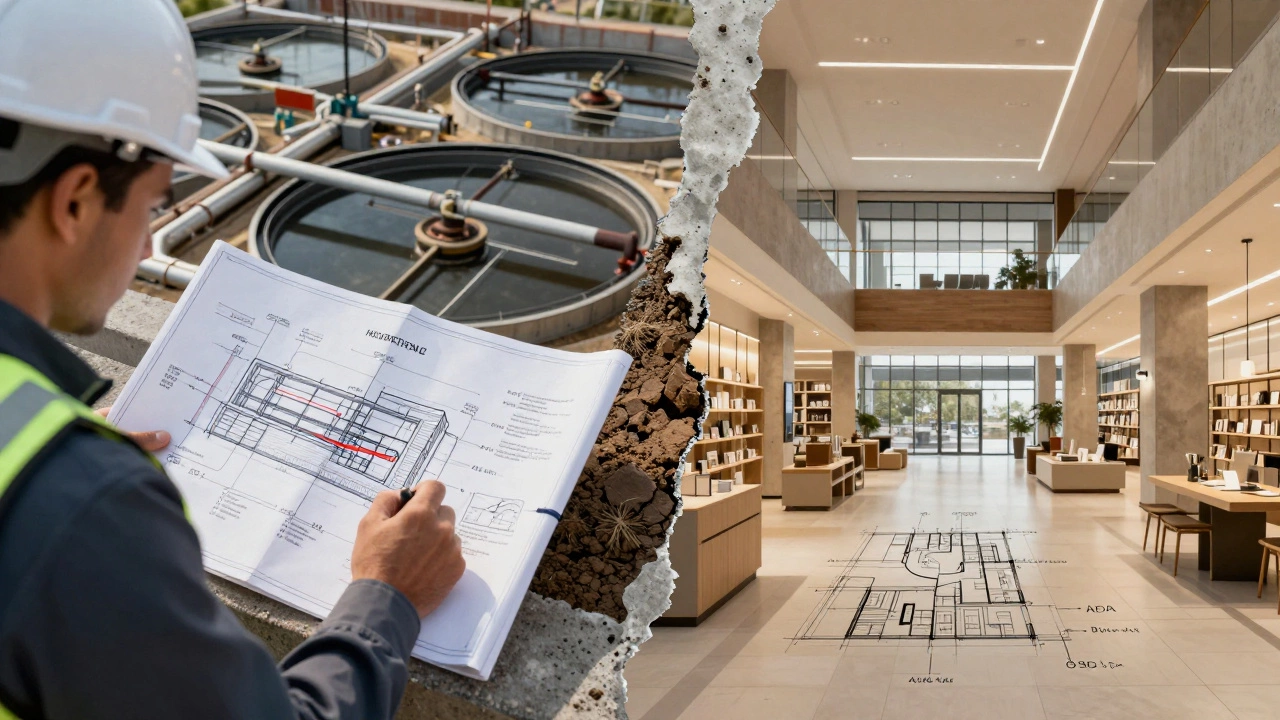
One developer in Atlanta tried to use a commercial contractor to build a new city wastewater lift station. The contractor didn’t know how to install the specialized pumps or comply with EPA discharge standards. The project was halted for six months. The city fined the developer $275,000 for violating environmental codes.
On the flip side, a civil contractor once bid on a new bank branch because they’d built a similar-sized warehouse. They didn’t understand the need for ADA-compliant restrooms, fire-rated walls between offices, or the security requirements for vaults. The bank had to redo half the interior work, adding $1.2 million to the budget.
These aren’t rare mistakes. They happen every year because people assume all construction is the same. It’s not.
Which One Do You Need?
Ask yourself these questions:
- Is the project meant for public use or private business?
- Will it be funded by tax dollars or private investors?
- Does it involve roads, water, or utilities-or offices, stores, or clinics?
- Are you dealing with environmental regulations or building codes?
If your answer leans toward infrastructure, public access, or government funding-you’re in civil construction. If you’re building a place where people shop, work, or receive services-you’re in commercial construction.
Getting this right at the start saves months of delays and six-figure mistakes. Don’t assume a contractor who built your neighbor’s new restaurant can handle your city’s new bridge. And don’t let a civil contractor tell you they can install a rooftop HVAC system just because they’ve moved a lot of dirt before.
Final Thought: It’s Not About Size-It’s About Purpose
A 100,000-square-foot warehouse might seem bigger than a small town’s water plant, but size doesn’t define the category. A warehouse is commercial because it houses goods for sale. A water plant is civil because it serves the community’s basic needs.
The difference isn’t in the materials. It’s in the mission. Civil construction builds the skeleton of society. Commercial construction builds the skin and organs that make it function economically. You need both-but you need to know which one you’re asking for.
Can a commercial contractor do civil work?
Some commercial contractors can handle small civil tasks like site grading or stormwater management if they have the right equipment and licenses. But large-scale civil projects-like highways, bridges, or wastewater systems-require specialized expertise, heavy machinery, and government compliance knowledge that most commercial firms don’t have. Don’t risk it.
Is residential construction the same as commercial?
No. Residential construction builds homes-single-family houses, apartments, condos. Commercial builds spaces for business: offices, stores, hotels. Residential follows different building codes, has lower safety and accessibility standards, and is usually built on a smaller scale with less complex systems. Civil is different from both-it’s public infrastructure.
Which type of construction pays more?
It depends. Large civil projects often have higher total budgets, but profit margins are tight due to government bidding. Commercial projects usually have higher profit margins because clients pay for quality, speed, and finishes. Skilled tradespeople often earn more on commercial jobs due to tighter schedules and specialized skills needed.
Do civil and commercial projects require different permits?
Yes. Civil projects need permits from environmental agencies, transportation departments, and public works boards. Commercial projects need building permits, fire safety certifications, zoning approvals, and occupancy licenses. Civil permits often involve public hearings; commercial permits focus on code compliance.
Can a project be both civil and commercial?
Sometimes. A new transit station that includes retail shops and offices is a hybrid. The station itself-tracks, platforms, tunnels-is civil. The shops and offices inside are commercial. These projects require two separate teams, two sets of permits, and two different design approaches. They’re complex but common in urban redevelopment.