New Home Defects: What to Watch For and How to Fix Them
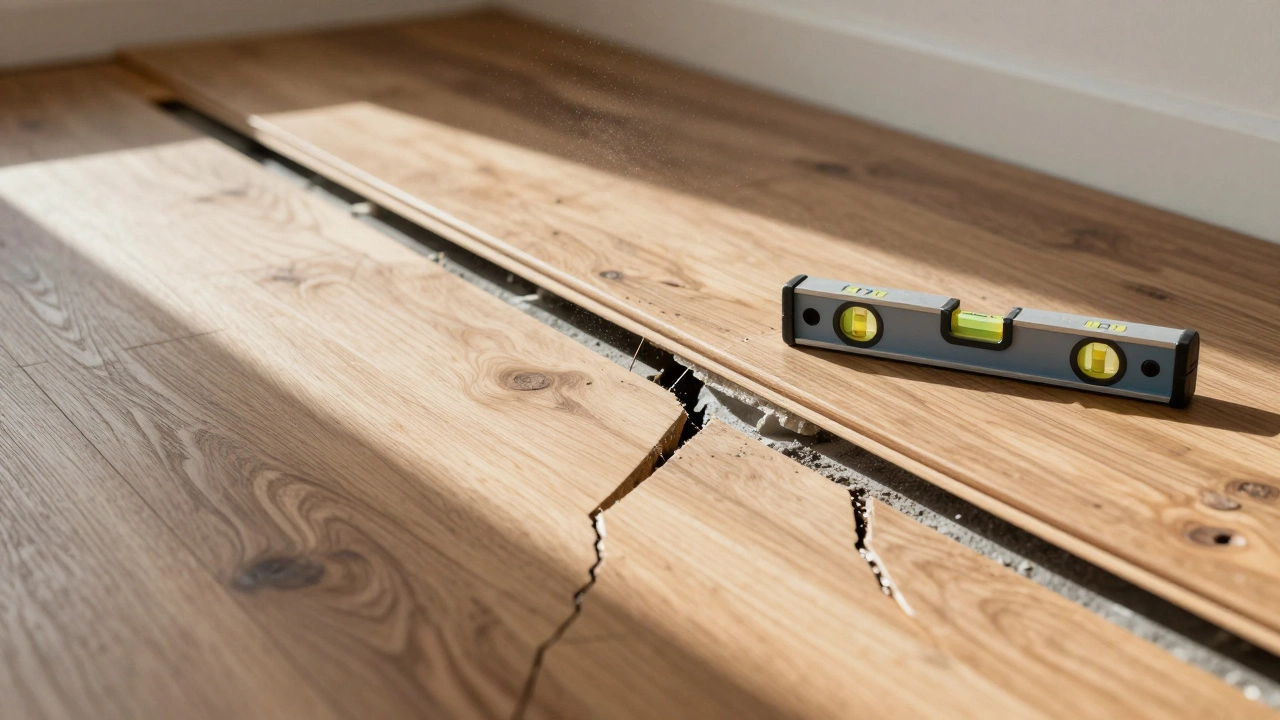
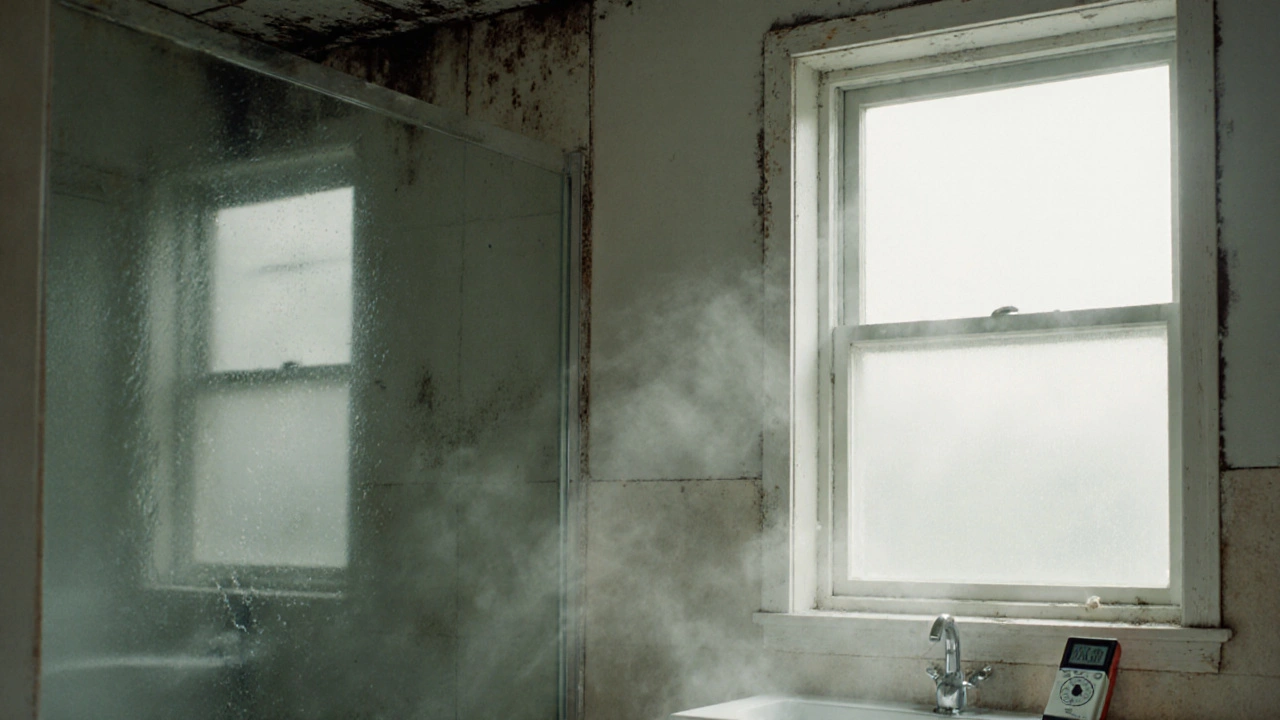
When you move into a new home, a recently built residential property that may still be settling and revealing hidden issues. Also known as new construction, it should feel like a fresh start—but too often, it’s the beginning of a long list of repairs. Many homeowners don’t realize that new home defects aren’t always obvious right away. Cracks in walls, sticking doors, uneven floors, or damp patches might seem minor at first, but they’re often signs of deeper problems like improper foundation work, rushed plaster drying, or structural settling.
These issues aren’t just cosmetic. A builder’s warranty, a protection period offered by homebuilders that covers certain defects for a set time after completion typically lasts 1 to 10 years, depending on the component. But if you wait too long to report a problem, you could lose your right to a free fix. The first six to twelve months after move-in are critical. That’s when most materials—like plaster, concrete, and timber—fully dry and settle. Rushing to hang pictures, lay flooring, or paint walls too soon can make cracks worse and void parts of your warranty. And if your home is in an area with clay soil or frequent rain, like parts of the UK, foundation movement becomes even more likely. That’s why foundation issues, problems with the structural base of a building that can lead to cracks, sloping floors, or even collapse are among the most serious defects to catch early.
It’s not just the big stuff. Look for gaps around windows, doors that don’t latch, or tiles that sound hollow when tapped. These might seem small, but they often point to poor installation or materials that didn’t cure properly. Some defects, like leaking pipes under the foundation, won’t show up until water damage appears on your ceiling or walls. Others, like improperly sealed roofs or faulty drainage, can quietly ruin your home over time. The good news? Most of these problems are fixable—if you act fast. You don’t need to wait for a disaster to call in a pro. A simple inspection during the warranty period can save you thousands later.
Below, you’ll find real advice from homeowners who’ve been through it. From understanding what’s covered under warranty to spotting the warning signs of structural failure, these posts give you the tools to protect your biggest investment. No fluff. Just what you need to know before your builder walks away—and how to make sure they don’t leave you holding the bill.