
Should You Water Your House Foundation to Prevent Cracks? A Complete Guide
 May, 11 2026
Foundation Watering & Risk Assessment Tool
Select your options and click Analyze to get a personalized plan.
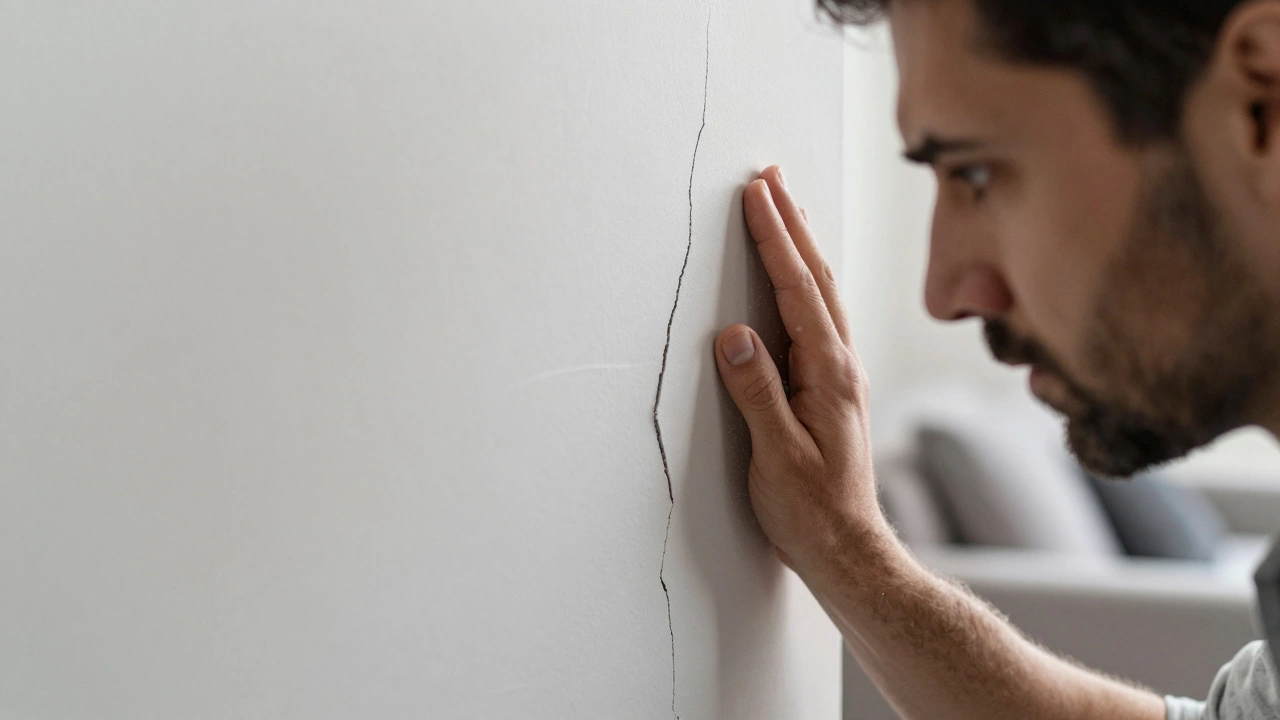
Imagine waking up to find a new crack in your living room wall. It’s not just ugly; it’s terrifying. You start wondering if your house is sinking. Before you panic and call an expensive contractor, there is one simple, low-cost maintenance task that could be the difference between a hairline fracture and a structural disaster: watering your foundation.
But here is the catch-watering your foundation is not as simple as dragging a hose around your yard. Do too little, and the soil shrinks. Do too much, and you create hydrostatic pressure that can push walls inward or cause flooding. The answer depends entirely on your soil type, your climate, and the specific design of your home. Let’s break down exactly when, where, and how to water your foundation to keep it stable.
The Science Behind Soil Movement
To understand why watering matters, you need to understand what happens underground. Most houses sit on soil, and not all soil behaves the same way. The biggest culprit for foundation issues is expansive clay soil. This type of soil acts like a sponge. When it gets wet, it swells (expands). When it dries out, it shrinks (contracts).
If you live in an area with expansive clay, your foundation is constantly being pushed up by wet soil and pulled down by dry soil. This cycle causes foundation settling, which leads to cracks in your concrete slab, misaligned doors, and gaps around windows. In regions like Wellington, New Zealand, or parts of Texas and Arizona in the US, this soil movement is a daily reality for homeowners.
Conversely, sandy or silty soils drain quickly and don’t expand or shrink as dramatically. If you have sand under your house, watering the foundation does very little to stabilize it. The first step is always knowing your soil type. If you aren’t sure, look at your local geotechnical reports or ask a local landscaper-they usually know the drill.
| Soil Type | Reaction to Dryness | Reaction to Wetness | Risk Level |
|---|---|---|---|
| Expansive Clay | Shrinks significantly | Swells and expands | High |
| Sandy Loam | Minimal change | Drains quickly | Low |
| Silt | Moderate shrinking | Becomes unstable/mushy | Moderate |
When Should You Actually Water the Foundation?
You should only water your foundation if you are experiencing drought conditions or if your soil has dried out significantly. In many temperate climates, regular rainfall keeps soil moisture consistent enough that manual watering isn’t needed. However, during heatwaves or extended dry spells, the top 12 to 18 inches of soil can lose moisture rapidly.
Here are the signs that it’s time to grab the hose:
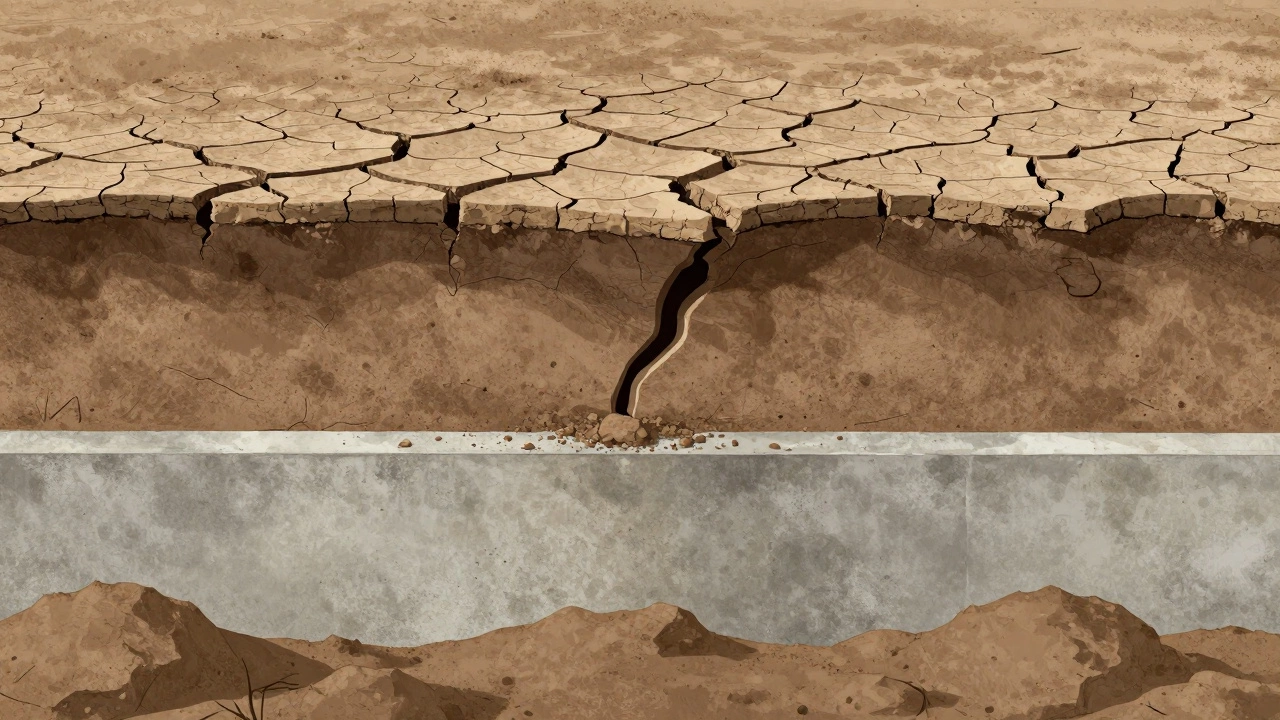
- Visible cracking in the soil: Look at the ground near your foundation. If the dirt looks dusty and cracked like a dried riverbed, it has pulled away from the foundation.
- Gaps forming: If you see a visible gap between the soil and the concrete footing, the soil has shrunk. This removes support from underneath your house.
- Sticking doors and windows: These are often early warning signs of slight shifting caused by uneven soil moisture.
- Local drought warnings: If your region is under water restrictions or drought alerts, proactive watering becomes critical.
Remember, the goal is consistency. You want the soil moisture level to remain steady, not fluctuate wildly. Sudden saturation after a long dry period can sometimes cause more damage than slow drying because the clay expands too quickly.
How to Water Your Foundation Correctly
Dragging a garden hose and spraying the side of your house for ten minutes won’t do much good. Surface water evaporates quickly and doesn’t reach the root zone where the soil volume changes matter most. You need deep, slow watering.
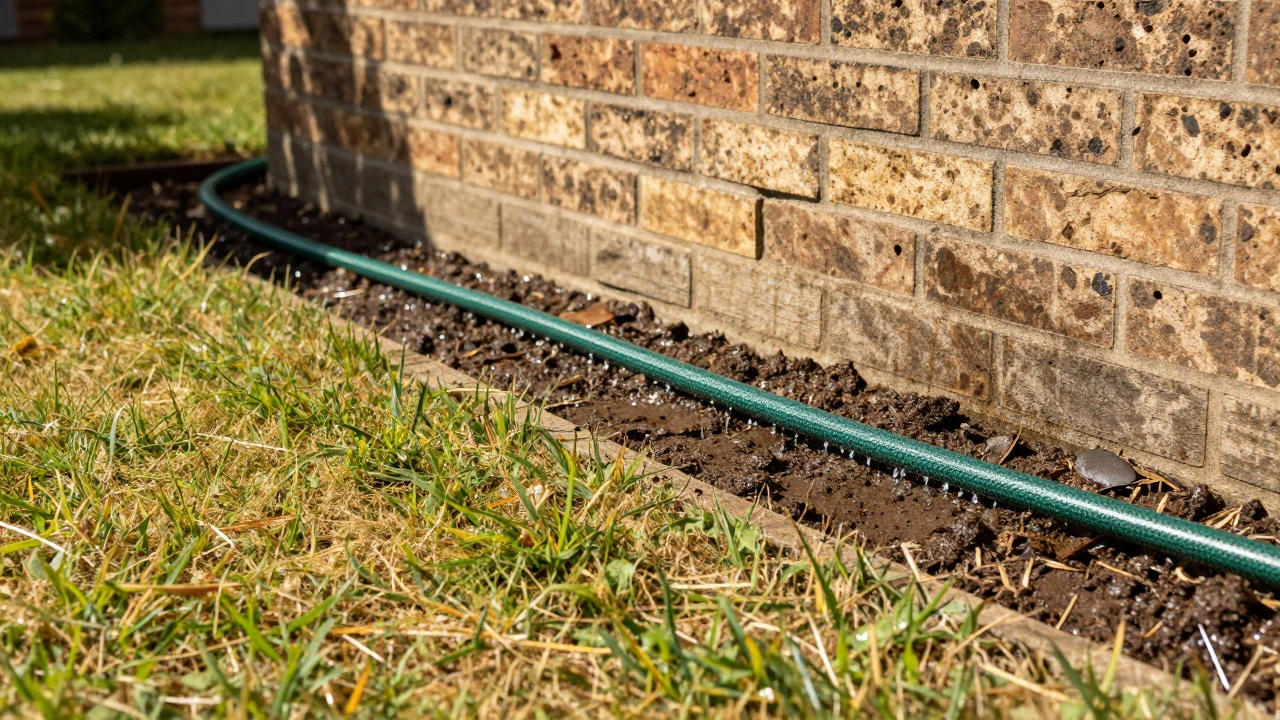
- Use a soaker hose: A standard spray nozzle wets the surface. A soaker hose or drip irrigation line allows water to seep slowly into the ground, reaching depths of 12 to 24 inches.
- Place it close to the foundation: Lay the hose within 6 to 12 inches of the foundation wall. Do not pile soil against the foundation; keep the area clear so you can see the base.
- Water deeply but infrequently: Instead of light sprinkles every day, water for 30 to 60 minutes once or twice a week during dry spells. This encourages deep penetration.
- Check the drainage: Ensure the water isn’t pooling. If you see standing water, your drainage is poor, and you risk creating hydrostatic pressure, which pushes against basement walls.
A pro tip: Install a permanent drip irrigation system specifically for your foundation perimeter. Many smart controllers allow you to set these zones to activate automatically when local weather data shows low rainfall. This takes the guesswork out of maintenance.
The Danger of Over-Watering
While dry soil causes settling, wet soil causes heaving and pressure. This is where many homeowners go wrong. They think "more water is better" and turn their yards into marshes.
If the soil becomes saturated, it loses its bearing capacity. Imagine trying to stand on a sponge that’s soaked through-it’s unstable. For a heavy house, this can lead to differential settlement, where one part of the house sinks faster than another because the soil beneath it is too soft.
Furthermore, excess water creates hydrostatic pressure. This is the weight of water pushing against your foundation walls. In basements or crawl spaces, this pressure can force water through cracks, leading to flooding, mold growth, and even bowing walls. If you have a basement, over-watering is a recipe for disaster.
Signs you are over-watering include:
- Puddles that don’t drain within 24 hours.
- Mold or mildew smells in the basement or crawl space.
- Insects attracted to moist wood (termites love damp environments).
- New vertical cracks appearing in interior drywall.
Alternative Solutions to Foundation Stability
Watering is a temporary fix for soil moisture imbalance. It does not repair existing structural damage. If your foundation is already cracked, moving, or failing, watering alone will not save it. Here are other strategies to consider alongside proper hydration:
1. Improve Grading and Drainage
The easiest way to manage soil moisture is to control where rain goes. Ensure your yard slopes away from the house at a rate of 6 inches over the first 10 feet. Extend your downspouts at least 5 to 10 feet away from the foundation. This prevents rainwater from pooling right next to your walls.
2. Install French Drains
If you have persistent drainage issues, a French drain system can redirect groundwater away from your foundation. This is particularly useful for homes built on hillsides or in areas with high water tables.
3. Root Barriers
Large trees and shrubs suck moisture out of the soil, accelerating drying. Plant large trees at least 10 to 15 feet away from your foundation. If you already have them, consider installing root barriers to limit their water intake near the house.
4. Professional Underpinning
If the soil has moved too much, you may need helical piers or push piers. These steel supports are driven deep into the ground until they hit stable bedrock or dense soil, bypassing the unstable topsoil entirely. This is a major investment but provides permanent stability.
| Solution | Estimated Cost | Effectiveness | Best For |
|---|---|---|---|
| Manual/Drip Watering | $50 - $200/year | Preventative | Dry climates, clay soil |
| Grading & Downspouts | $500 - $2,000 | High | All homes |
| French Drain | $2,000 - $5,000 | Very High | Poor drainage areas |
| Helical Piers | $10,000 - $30,000+ | Permanent Repair | Severe settlement |
Special Considerations for Crawl Spaces vs. Slabs
Your home’s foundation type changes how you approach watering. If you have a slab-on-grade foundation, the entire house sits directly on the concrete. Soil shrinkage here can cause the slab to drop, leading to cracks in the floor and walls. Watering the perimeter is crucial.
If you have a crawl space, the situation is different. You generally do not want to flood the ground inside the crawl space. Instead, focus on maintaining a vapor barrier (usually 6-mil polyethylene plastic) over the dirt floor. This locks in existing moisture and prevents rapid drying. You might mist the soil lightly if it looks bone-dry, but never soak it. Excess moisture in a crawl space leads to rotting joists and health hazards from mold spores circulating into your living space.
FAQ
How often should I water my foundation during summer?
During hot, dry summers, you should water your foundation perimeter once or twice a week. Use a soaker hose for 30-60 minutes per session. The goal is to keep the soil consistently moist, not soggy. Adjust frequency based on local rainfall and temperature.
Can watering my foundation stop cracks from getting worse?
Yes, if the cracks are caused by soil shrinkage due to drought. Maintaining consistent soil moisture prevents further expansion and contraction cycles. However, if the cracks are due to structural failure, poor construction, or earth movement, watering will not stop them. Always have a professional inspect significant cracks.
Is it safe to use a sprinkler system for foundation watering?
Standard lawn sprinklers are not ideal because they mostly wet the surface. Surface water evaporates quickly and doesn't penetrate deep enough to stabilize the soil under your foundation. Soaker hoses or dedicated drip irrigation lines are much more effective for foundation care.
What if I have a basement? Should I still water the perimeter?
Be very cautious. While keeping the soil from shrinking is important, you must avoid creating hydrostatic pressure. Ensure your gutters and downspouts are directing water away from the house. Water the perimeter lightly and infrequently, and monitor your basement for any new leaks or dampness.
How do I know if my soil is expansive clay?
You can perform a simple ribbon test. Take a handful of moist soil and try to roll it into a ribbon. If it forms a long ribbon (more than 2 inches) without breaking, it likely has high clay content. For a definitive answer, consult a local geotechnical engineer or check your property's original building survey.
Will planting trees near my foundation help or hurt?
Large trees can hurt your foundation by extracting massive amounts of water from the soil, causing it to dry out and shrink. Keep large trees at least 10-15 feet away from your foundation. Small shrubs and flowers are generally safe if they don't have aggressive root systems.