
When Should You Walk Away from Foundation Problems?
 Feb, 15 2026
Foundation Repair Cost-Benefit Calculator
Calculate Your Next Step
Determine if repairing your foundation is financially wise or if walking away makes more sense based on Wellington's housing market.
Foundation problems aren’t always a death sentence for a home. But they can be a money pit - and sometimes, walking away is the smartest move you’ll ever make. If you’re staring at cracks in your walls, uneven floors, or doors that won’t close, you’re probably wondering: is this fixable, or should I just walk away?
Not all foundation issues are equal
Foundation damage comes in degrees. A hairline crack in the basement wall? That’s usually just settling. But if that crack is wider than a credit card, or if it’s growing over time, you’re in a different zone. In Wellington, where soil shifts with heavy rain and the ground freezes and thaws, foundation movement isn’t rare - but it’s often misunderstood.
Most homeowners panic when they see a crack. They call a repair company right away. But here’s the truth: not every crack needs fixing. Some homes settle naturally over time. The real danger comes when the damage starts affecting the structure’s stability. Look for signs like:
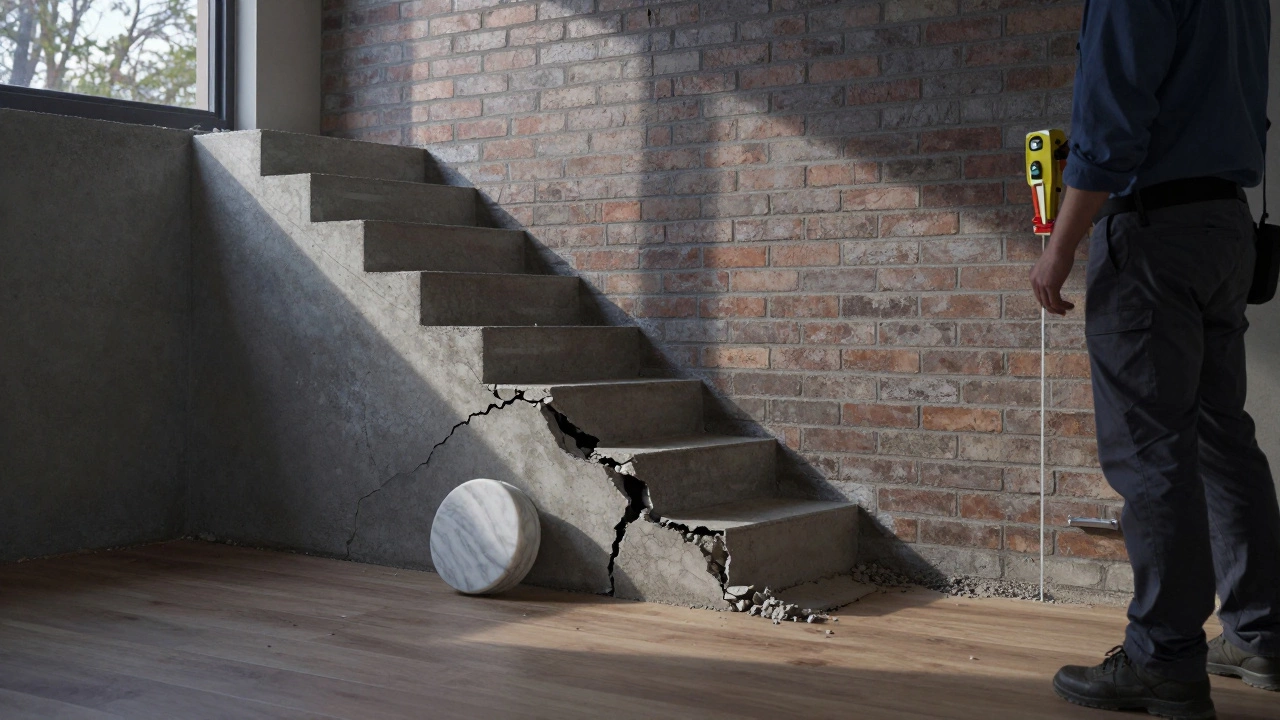
- Stair-step cracks in brick or block walls
- Doors and windows that stick or won’t latch
- Floors that slope noticeably - enough to roll a marble across
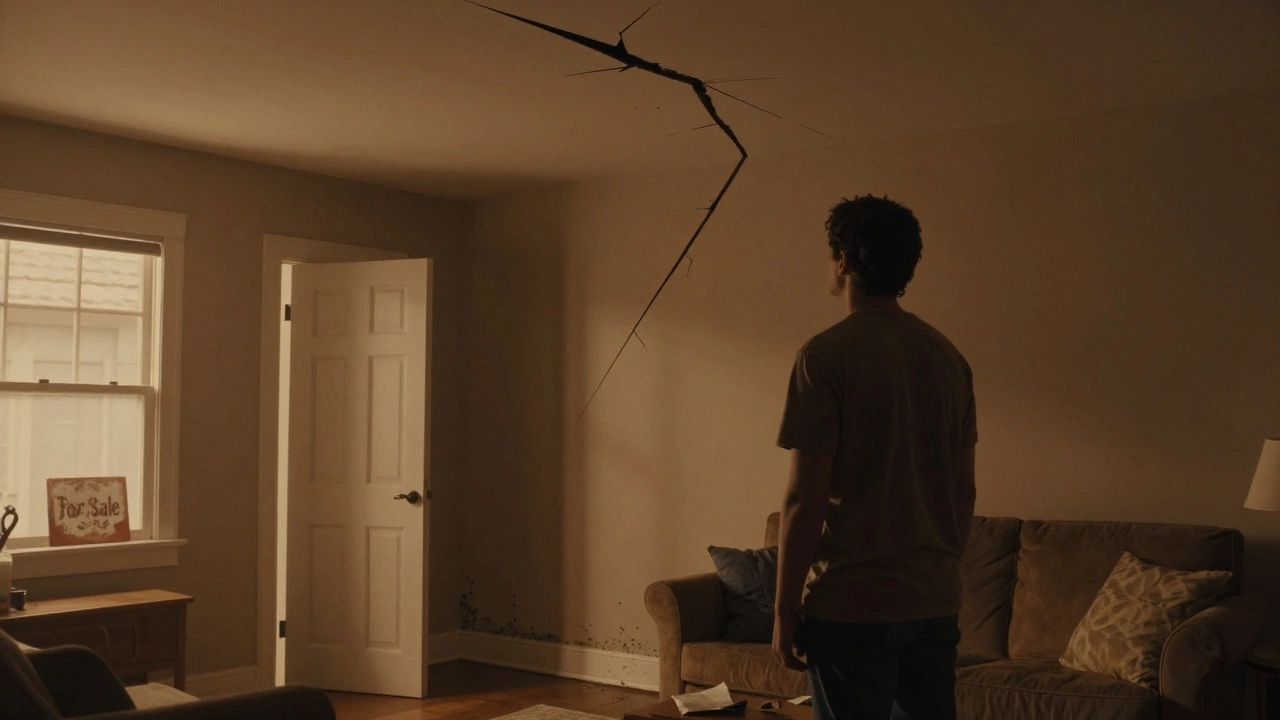
- Ceilings or walls pulling away from each other
- Cracks that extend from the foundation up into the roofline
If you’re seeing two or more of these, especially together, it’s not just cosmetic. It’s structural. And that changes everything.
The cost of repair vs. the value of the home
Foundation repairs can cost anywhere from $5,000 to $50,000 in New Zealand. Piering, underpinning, slab jacking - these aren’t quick fixes. They’re invasive, messy, and often require weeks of work. But here’s what most people don’t realize: the repair cost doesn’t always match the home’s value.
Imagine a house worth $700,000 with $45,000 in foundation damage. You fix it, and now it’s worth $720,000. You spent $45,000 to gain $20,000 in equity. That’s a net loss. Worse, if the foundation problem is due to ongoing ground movement - like in areas with reactive clay soil near the coast - the damage could come back in five years. You’ve spent money, time, and stress for a temporary fix.
On the flip side, if the home is worth $1.2 million and the repair cost is $30,000, that’s a different story. The math works. You’re not just fixing a problem - you’re protecting an asset.
Always get a professional valuation after a structural engineer’s report. Don’t rely on real estate agents. Their job is to sell, not to protect your investment.
When the repair isn’t worth it
There are five clear situations where walking away makes more sense than repairing:
- The home is older than 70 years with repeated damage. If this is the third time you’ve patched the foundation in 15 years, the soil or design is fundamentally flawed. No amount of concrete will fix that.
- The foundation damage is accompanied by severe water damage. Rotting floor joists, mold behind walls, or termite damage in load-bearing beams? That’s not just a foundation issue - it’s a systemic failure. Repairing the foundation won’t fix the rot.
- The repair cost exceeds 40% of the home’s market value. That’s the rule of thumb in Wellington’s market. If you’re spending $80,000 on a $180,000 house, you’re not investing - you’re gambling.
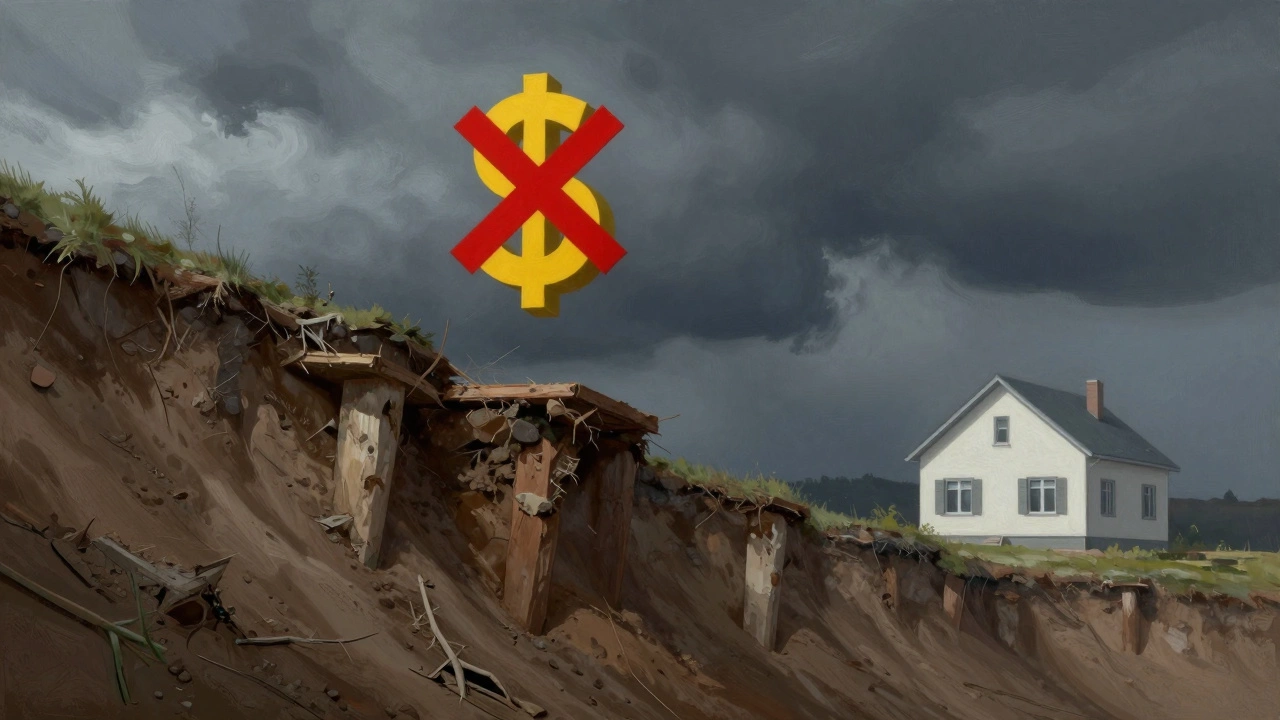
- The land is unstable. If your home sits on a slope, near a riverbank, or on reclaimed land, and the ground keeps shifting, no repair will last. Engineering fixes can only do so much against nature.
- You’re planning to sell in the next 2-3 years. Buyers in New Zealand are increasingly savvy. They’ll get their own inspection. A history of foundation repairs can tank your sale price or scare off buyers entirely. You might end up selling for less than you’d spend on repairs.
What happens if you ignore it?
Some people think, “I’ll deal with it later.” But foundation problems don’t wait. They worsen. A small crack becomes a gap. A slight slope becomes a ramp. Water seeps in, freezes, expands, and pushes more concrete apart. In Wellington’s wet climate, moisture accelerates decay. Steel rebar rusts. Concrete crumbles. The longer you wait, the more expensive - and dangerous - it becomes.
And it’s not just about money. A severely compromised foundation can lead to structural collapse. Not overnight - but over time. We’ve seen homes in Lower Hutt where walls leaned so far they were declared unsafe. Residents had to leave. Insurance wouldn’t cover it because the damage was deemed “gradual,” not sudden.
Ignoring foundation problems isn’t saving money. It’s just delaying a bigger loss.
When to get a structural engineer - not a repair salesman
Too many homeowners skip straight to a foundation repair company. These companies make money by selling repairs. They’re not neutral. They have a vested interest in convincing you it’s fixable.
Instead, hire an independent structural engineer. In New Zealand, look for someone registered with Engineering New Zealand is the professional body that accredits structural engineers in New Zealand, ensuring they meet national standards for safety and design. They’ll give you a report, not a sales pitch.
A good engineer will:
- Measure the extent of movement using laser levels or survey equipment
- Check soil conditions and drainage patterns
- Assess whether the damage is active or historical
- Recommend whether repair is viable or if demolition and rebuild is more sensible
This report costs $800-$1,500. But it’s the best $1,500 you’ll ever spend. It’s your evidence. It tells you whether to fight or walk away.
Insurance and legal realities
Most home insurance policies in New Zealand won’t cover foundation damage caused by gradual settling, soil movement, or poor drainage. They only cover sudden events - like a tree falling on your house or a burst pipe. Foundation problems are almost always excluded.
And if you’re selling, you’re legally required to disclose known foundation issues. Hiding them can lead to lawsuits. So if you know there’s a problem, you’re already on the hook. The only question is: do you fix it, or do you sell it as-is - and at a discount?
What walking away really looks like
Walking away doesn’t mean abandoning your home. It means making a rational decision based on data, not emotion. It means recognizing that some houses are beyond saving - not because they’re old, but because the cost of keeping them safe outweighs their value.
Some people who walk away end up buying a newer home on more stable ground. They get peace of mind. They avoid years of stress. They stop worrying about the next crack, the next repair bill, the next inspection.
Others use the money they’d have spent on repairs to build an addition, upgrade their kitchen, or invest in a rental property. Sometimes, walking away isn’t defeat - it’s strategy.
Final checklist: Should you walk away?
Ask yourself these five questions:
- Is the repair cost more than 40% of my home’s current value?
- Have I had multiple repairs in the past 10 years?
- Is the land itself unstable - slope, erosion, or clay soil?
- Are there other structural issues like rot, mold, or termite damage?
- Am I planning to sell within the next 3 years?
If you answered ‘yes’ to three or more, it’s time to seriously consider walking away. Not out of fear. Not out of frustration. But because the numbers don’t lie.
Can I still sell my house if it has foundation problems?
Yes, you can sell a house with foundation damage, but you must disclose it legally. Buyers will get an inspection. Most won’t pay full price. Some will walk away. You’ll likely need to lower your asking price by 15-30%, depending on severity. In Wellington’s market, some investors buy these homes specifically to repair and flip, but they’ll factor in repair costs before making an offer.
How long does a foundation repair last?
A properly done repair - like steel piers or underpinning - can last 20 to 50 years. But if the root cause isn’t fixed (like poor drainage or unstable soil), the damage will return. In Wellington, homes built on reactive clay often need repairs every 10-15 years. That’s not a fix - it’s a cycle.
Are foundation repairs covered by home insurance?
Almost never. Standard home insurance in New Zealand covers sudden damage - like a burst pipe or storm impact. Foundation problems from gradual settling, soil movement, or poor drainage are considered maintenance issues. They’re excluded. Some specialized policies exist, but they’re expensive and rarely worth the cost.
What’s the difference between a crack and a structural issue?
A hairline crack (less than 1mm) is usually harmless. A structural issue shows up as cracks wider than 5mm, especially if they’re diagonal, stair-stepped, or run from the foundation up into the roofline. If doors jam, floors slope more than 1 inch over 10 feet, or walls are pulling away from ceilings - that’s structural. Get an engineer.
Can I fix foundation problems myself?
No. Foundation repairs require heavy equipment, engineering knowledge, and permits. DIY fixes like epoxy injections or surface patching only hide the problem. They don’t stop movement. In fact, they often make it harder for professionals to assess the real damage later. Leave it to licensed engineers and contractors.