
Commercial vs Residential Construction: Which Path is Better for You?
 Apr, 19 2026
Construction Path Finder
Answer the following questions to see which construction path aligns best with your personality and business goals.
Loading...
Your Recommended Path:
Key Takeaways for Quick Decision Making
- Residential: Faster turnover, lower entry cost, more emotional clients, and simpler building codes.
- Commercial: Higher profit margins, longer project timelines, strict regulatory oversight, and professional stakeholders.
- Risk: Residential carries higher risk of "scope creep" (clients changing their minds); commercial carries higher financial risk due to scale.
The Core Differences in How We Build
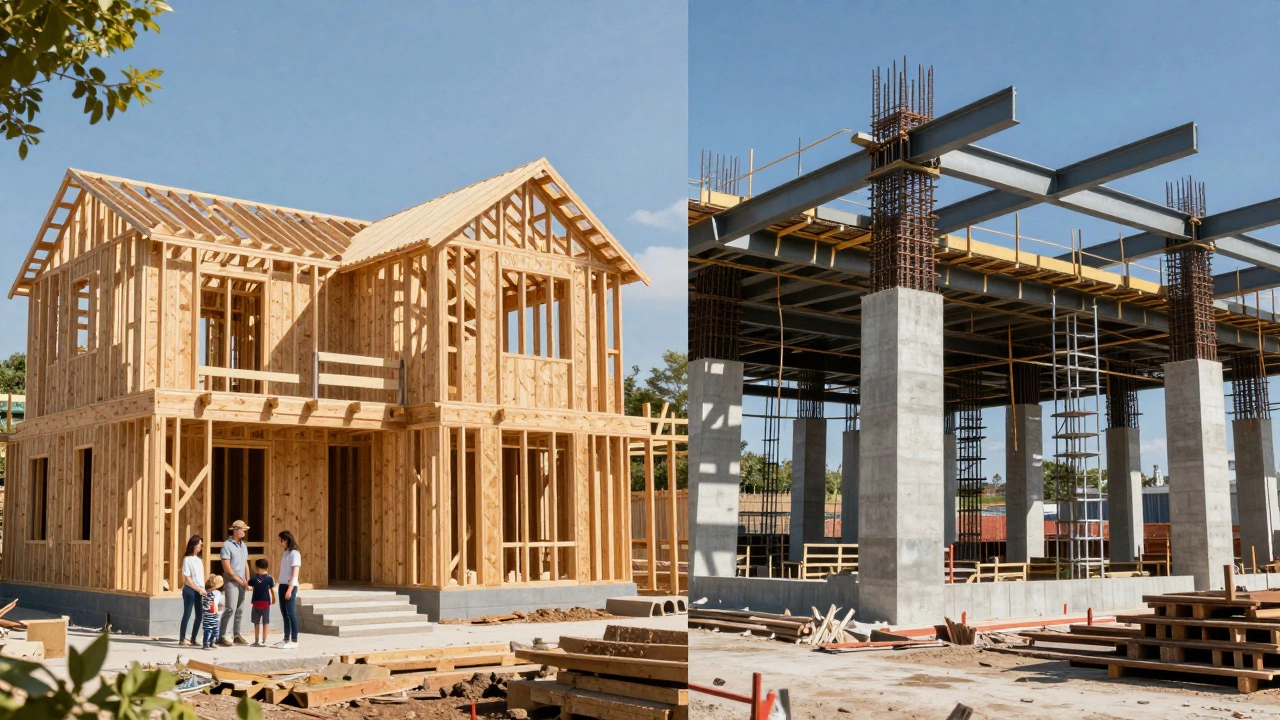
Residential construction is usually a personal affair. You're dealing with a homeowner who might change their mind about the kitchen tiles three times before the grout is dry. The focus is on aesthetics, comfort, and livability. Because most homes are built from wood frames (stick-built), the process is relatively fast. Commercial work is a different beast. Here, you're dealing with Steel Framing and reinforced concrete. These buildings aren't just meant to look good; they have to survive thousands of people walking through them every day. While a house might have one or two exits, a commercial space needs complex fire suppression systems, ADA-compliant ramps, and heavy-duty HVAC systems that can cool a 20,000-square-foot open office.| Feature | Residential | Commercial |
|---|---|---|
| Primary Materials | Wood, Drywall, Brick | Steel, Concrete, Glass |
| Project Duration | Months | Years |
| Building Codes | Local/State Housing Codes | Commercial/Industrial Standards (IBC) |
| Funding Source | Mortgages, Personal Savings | Corporate Loans, REITs, Investors |
| Client Type | Individuals/Families | Corporations, Government, Developers |
Money Talk: Profits, Costs, and Cash Flow
If you're looking at this from an investment or business perspective, the money flows very differently. In residential building, the ticket size is smaller. You can finish a house, sell it, and get your capital back relatively quickly. However, the margins can be thin if you aren't careful with your subcontractors. One mistake in the foundation can eat your entire profit for the year. Commercial projects are the "big fish." The contracts are worth millions, and the profit on a single warehouse can dwarf ten small house flips. But here's the catch: the cash flow is slower. You might not see a significant payout until a project is 80% complete. You also need much higher insurance coverage. While a standard general liability policy works for a home remodel, a commercial contractor needs massive coverage to protect against the catastrophic risks associated with Industrial Construction, such as structural collapses or major site accidents.Dealing with the Law and the Land
Zoning is where most people get tripped up. Residential areas are usually governed by strict Zoning Laws that keep noise and traffic down. If you want to build a house, you mostly worry about setbacks and height limits. Commercial projects require a much deeper dive into urban planning. You have to worry about traffic impact studies, parking ratios (how many spots per 1,000 square feet), and environmental impact reports. If you're building a gas station or a chemical plant, you're dealing with a level of bureaucracy that would make a residential builder quit on the spot. You'll spend more time in meetings with city council members and engineers than you will actually hammering nails.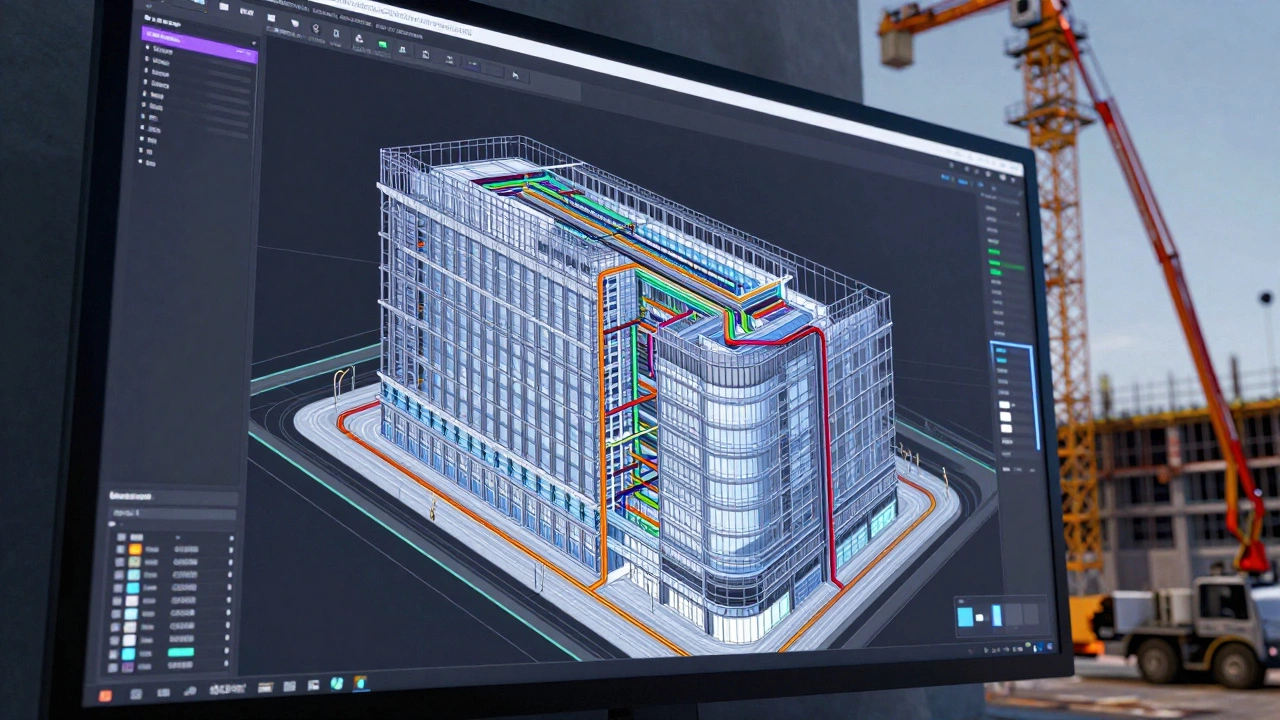
The Human Element: Clients and Conflict
Who do you want to argue with for the next two years? In residential work, your client is often the end-user. This means the relationship is emotional. If the paint color is slightly off, it feels like a personal failure to the homeowner. You aren't just a builder; you're often a therapist and a project manager for someone's lifelong dream. Commercial clients are generally more objective. They care about the "bottom line," the delivery date, and the ROI (Return on Investment). They don't care if the breakroom walls are a slightly different shade of beige, as long as the building is operational by the date promised in the contract. However, they are much more likely to use legal teams to enforce every single clause in the agreement. In commercial work, if you're two weeks late, you might face "liquidated damages"-actual daily fines that eat into your profit.Operational Scale and Technology
Commercial construction relies heavily on BIM (Building Information Modeling). This is a digital representation of the building that allows architects and engineers to see where pipes clash with electrical conduits before a single shovel hits the dirt. In a massive office complex, you can't afford to realize a vent is blocking a beam after it's installed. Residential work is moving toward these technologies, but it's still largely based on 2D blueprints and a lot of "figure it out on site" moments. The scale of equipment also differs. While a residential project might need a small excavator, a commercial site requires tower cranes, massive concrete pumps, and specialized crews for curtain wall installation. This requires a much higher level of logistics and site management.
Which One Should You Choose?
It depends on what you value. If you like variety, fast results, and the satisfaction of seeing a family move into a new home, residential is the way to go. It's more accessible for beginners and requires less starting capital. If you have a taste for high-stakes environments, a background in complex engineering, and the patience to deal with multi-year timelines, commercial is the winner. The stability of long-term corporate contracts often outweighs the volatility of the residential housing market, provided you have the expertise to handle the complexity.Is commercial construction harder to learn?
Yes, generally. It requires a deeper understanding of structural engineering, complex building codes like the International Building Code (IBC), and advanced project management software. While residential focuses on craftsmanship and aesthetics, commercial focuses on systems, safety, and scale.
Which one has better profit margins?
Commercial projects typically have higher absolute profits because of the project size. However, residential projects can have higher percentage margins if you specialize in high-end luxury custom homes. Commercial is about volume and scale; residential is about niche value.
How long does it take to complete a commercial project vs a residential one?
A standard single-family home might take 6 to 12 months. A commercial building, such as an office block or a retail center, can take anywhere from 18 months to several years depending on the permitting process and the complexity of the build.
Do I need different insurance for commercial work?
Absolutely. Commercial work requires significantly higher General Liability and Workers' Compensation insurance. Many commercial developers won't even let you on-site unless you carry a policy in the millions to cover the potential for massive structural failures or large-scale accidents.
What is "liquidated damages" in commercial contracts?
Liquidated damages are pre-agreed sums that a contractor must pay the owner for every day the project is delayed past the deadline. This is common in commercial work because a delay in opening a store or office can cost the business owner thousands in lost revenue daily.