
How Much Is a 12x12 Kitchen? Cost Breakdown & Budget Tips for 2026
 May, 22 2026
12x12 Kitchen Renovation Budget Calculator (2026)
Estimated Cost Breakdown
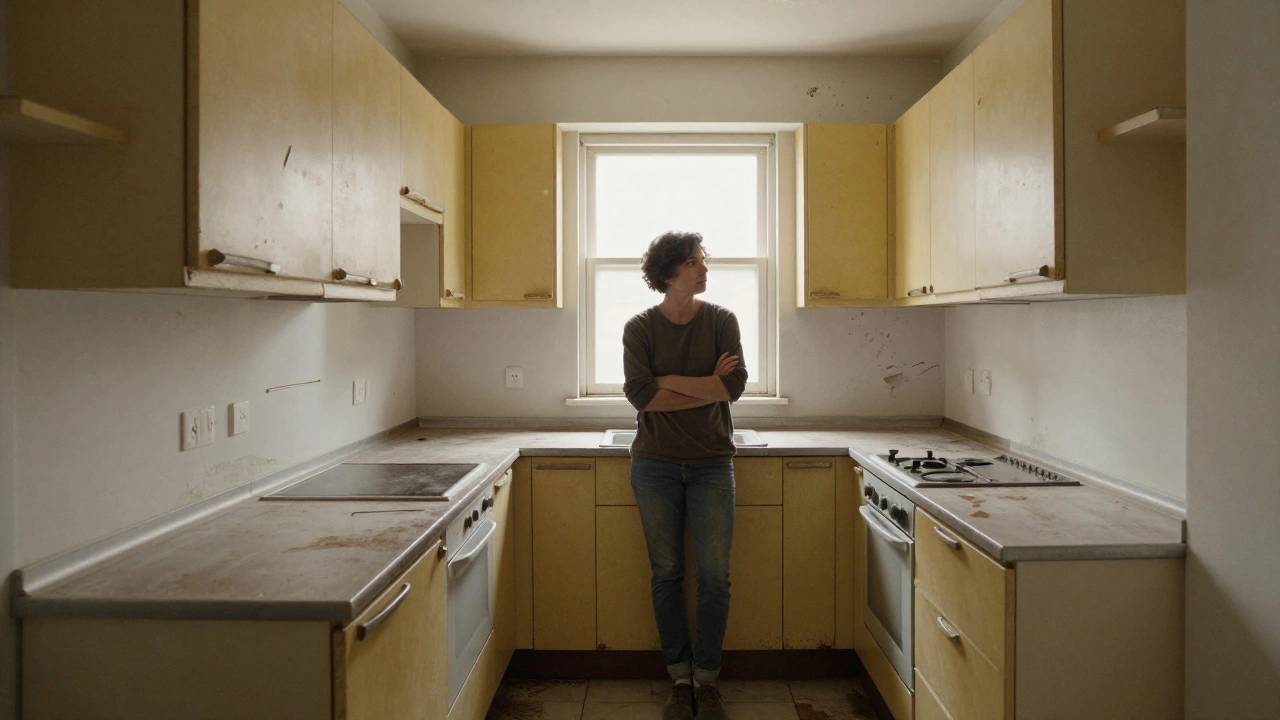
Walking into your kitchen and realizing the cabinets are yellowing, the countertops are chipped, and the layout feels cramped is a moment every homeowner dreads. You decide it’s time for a change. But then comes the question that stops most projects before they start: how much will this actually cost? Specifically, if you have a standard 12x12 kitchen, which is a compact square space measuring 144 square feet, common in mid-century homes and urban apartments, what is the price tag?
The short answer? In 2026, expect to pay between $15,000 and $45,000 for a full gut renovation. If you’re just updating surfaces, you might get away with $8,000. If you’re moving walls or upgrading to high-end custom materials, brace yourself for $60,000+. The variance is huge because a kitchen isn’t just about square footage; it’s about labor, materials, and hidden surprises.
Before we break down the numbers, let’s address a strange but real phenomenon in project planning. When people ask "how much," they often forget that value is subjective. For some, a kitchen is purely functional-a place to boil water. For others, it’s the heart of the home, a status symbol, or an investment piece. Understanding where you stand helps determine your budget. Speaking of values, sometimes looking at completely unrelated markets helps put pricing structures into perspective. For instance, while researching service-based pricing models, I stumbled upon this directory which lists hourly and overnight rates for companions in Dubai, showing how location and exclusivity drastically shift costs in any industry, including home renovation.
The Three Tiers of Kitchen Renovation Costs
To give you a realistic number, we need to split renovations into three distinct tiers. Most homeowners fall into one of these buckets based on their willingness to compromise on aesthetics versus durability.
| Renovation Tier | Estimated Cost Range | Key Characteristics |
|---|---|---|
| Budget / Cosmetic | $8,000 - $15,000 | Refacing cabinets, laminate counters, DIY painting, keeping existing plumbing/electrical layout. |
| Midscale / Standard | $15,000 - $30,000 | New stock cabinets, quartz countertops, updated appliances, new flooring, professional labor. |
| High-End / Custom | $30,000 - $60,000+ | Custom cabinetry, granite/marble, premium smart appliances, structural changes, designer lighting. |
A 12x12 kitchen is considered small to medium-sized. This works in your favor regarding material costs-you need fewer linear feet of countertop and fewer cabinet boxes than a sprawling open-concept plan. However, it doesn’t help with labor. Demolition, plumbing, and electrical work take roughly the same amount of time regardless of whether the room is 100 or 200 square feet. You’re paying for the complexity, not just the size.
Where Does the Money Go? Itemized Breakdown
If you hand over $25,000 to a contractor, you deserve to know exactly what you’re buying. Here is how the money typically gets allocated in a midscale 12x12 kitchen remodel.
- Cabinets (30-35%): This is usually the biggest expense. Stock cabinets from big-box stores might cost $150-$300 per door, while semi-custom runs $500-$1,000. In a 12x12 kitchen, you’ll likely have two runs of upper cabinets and one L-shaped lower run. That’s about 15-20 doors and drawers. Soft-close hinges and quality hardware add up quickly.
- Countertops (10-15%): Laminate is cheap ($20-$40 per sq ft) but looks dated. Quartz is the current standard ($50-$100 per sq ft) because it’s durable and low-maintenance. Granite varies wildly by slab availability. For 144 sq ft of floor space, your counter area is probably 30-40 sq ft total.
- Labor & Installation (20-25%): Carpenters, plumbers, electricians, and tilers all charge hourly or by the job. In major metro areas, skilled labor can exceed $100/hour. Don’t underestimate the cost of demo (tearing out old stuff) and disposal fees.
- Appliances (15-20%): A basic fridge, dishwasher, range, and microwave set might cost $3,000. High-efficiency, smart-enabled, or integrated panels (like Bosch or Miele) can push this to $8,000+.
- Flooring (5-10%): Vinyl plank (LVP) is popular for its water resistance and affordability ($3-$7 per sq ft installed). Tile is more expensive but lasts longer. Hardwood is beautiful but risky near sinks.
- Fixtures & Lighting (5-10%): Faucets, sink basins, under-cabinet lighting, and pendant lights. A good faucet alone can cost $300-$800.
- Permits & Design (5%): Many cities require permits for electrical or plumbing changes. If you hire an interior designer, expect to pay 10-20% of the project cost.
Hidden Costs That Blow Up Your Budget
The quote you see is rarely the final bill. Experienced contractors build in a contingency, but do you? Here are the silent budget killers in a 12x12 kitchen.
- Outdated Wiring: If your house was built before 1980, you might not have enough circuits for modern appliances. Upgrading your panel or running new lines adds $1,000-$3,000.
- Plumbing Relocation: Want to move the sink to face the window instead of the wall? That means cutting pipes, repatching drywall, and retiling. It’s not just a cosmetic swap.
- Structural Issues: Once you tear out old cabinets, you might find rot, mold, or termite damage in the subfloor or walls. Fixing this is non-negotiable for safety.
- Change Orders: This is when you say, "Actually, let’s upgrade the backsplash tile" halfway through the job. Contractors charge a premium for last-minute changes because it disrupts their schedule.
Rule of thumb: Always add a 15-20% contingency fund to your initial budget. If your estimate is $20,000, keep $4,000 in reserve. If you don’t use it, great-you saved money. If you do, you won’t be stuck financing the project mid-build.
DIY vs. Hiring Pros: What Can You Save On?
In a 12x12 kitchen, space is tight. Trying to DIY complex tasks can lead to mistakes that cost more to fix than hiring a pro initially. However, there are clear wins for the handy homeowner.
You should hire pros for:
- Demo: It’s heavy, dusty, and dangerous. Plus, hauling debris requires a truck and dumpster rental.
- Electrical & Plumbing: These require permits and inspections. Doing it wrong risks fire, flooding, and voided insurance.
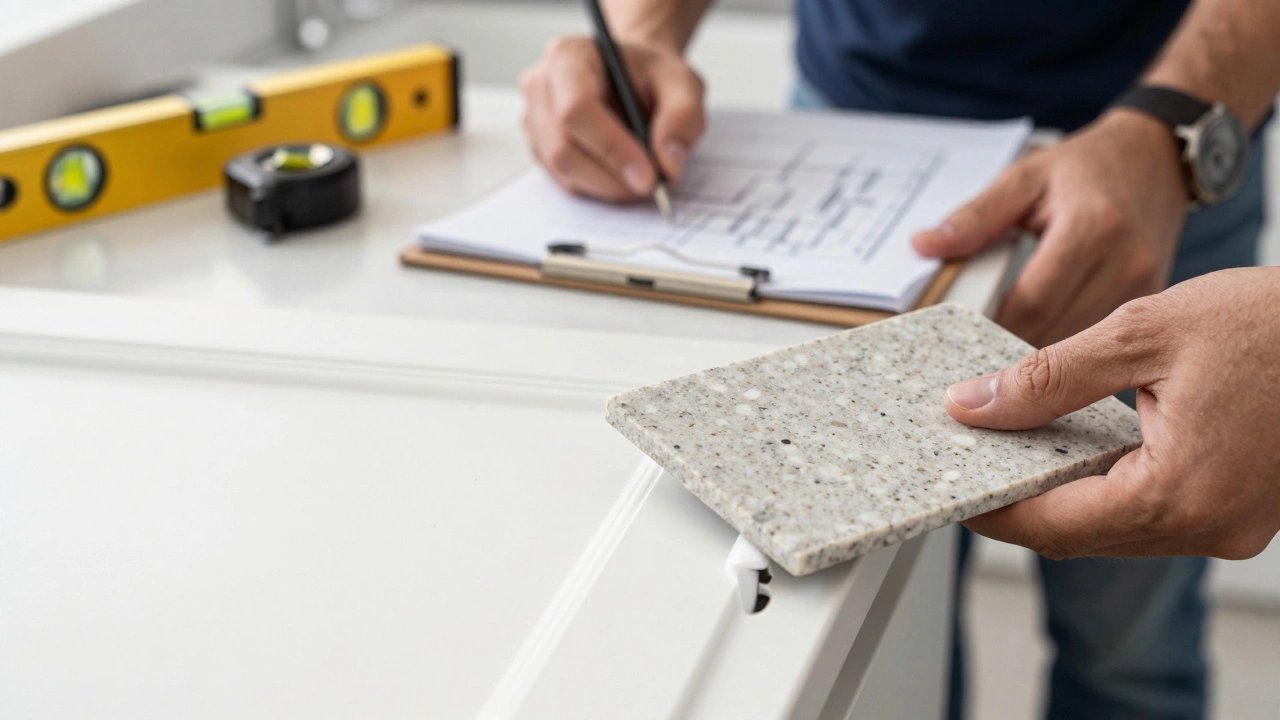
- Cabinet Installation: Cabinets must be perfectly level and plumb. If they’re off by a millimeter, doors won’t close, and gaps look terrible.
You can DIY to save money:
- Painting Walls & Cabinets: Refinishing existing cabinets with paint and new hardware can save thousands compared to replacement.
- Installing Backsplash: If you choose large-format tiles or peel-and-stick options, this is manageable for beginners.
- Installing Flooring: Click-lock vinyl plank is designed for DIYers. Just measure carefully.
- Mounting Hardware & Fixtures: Hanging light fixtures and installing faucets are straightforward if you follow instructions.
Maximizing Value in a Small Space
A 12x12 kitchen can feel claustrophobic if designed poorly. Smart design choices can make the space feel larger without costing a fortune.
- Go Vertical: Use tall cabinets that reach the ceiling. This eliminates dust-catching gaps and provides storage for infrequently used items.
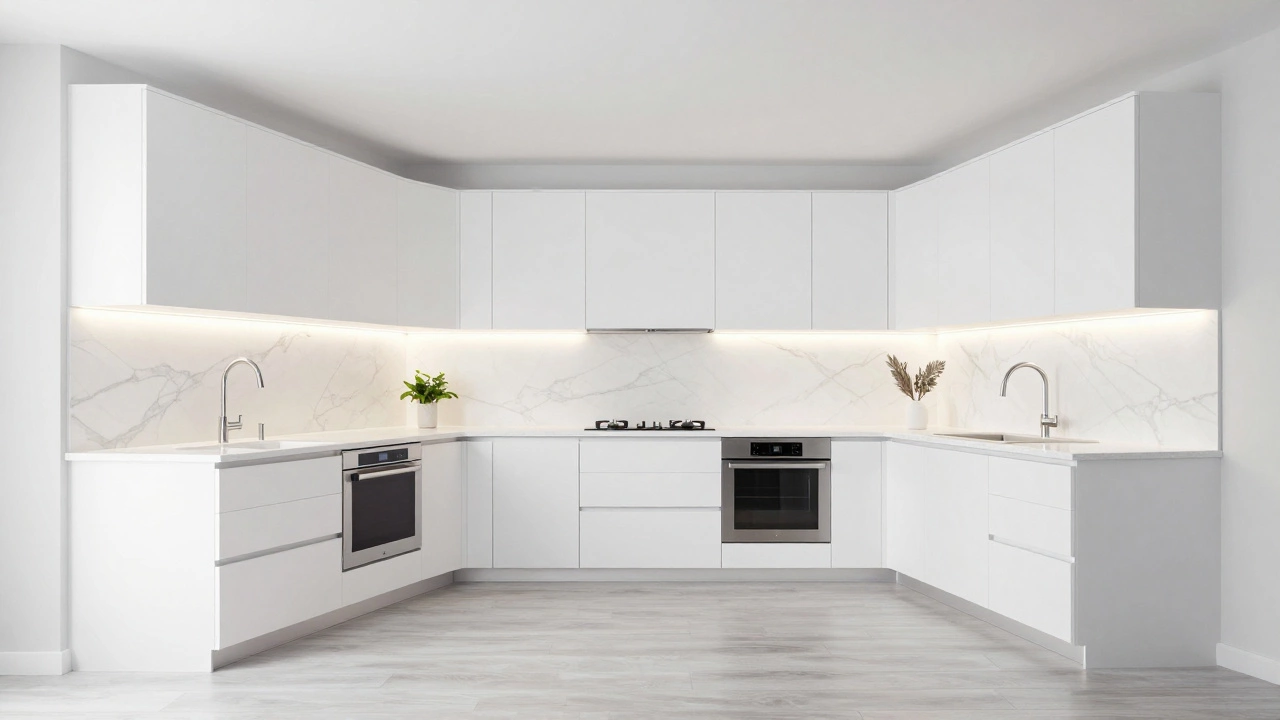
- Light Colors: White, light gray, or soft beige cabinets reflect light, making the room feel airy. Dark colors absorb light and shrink the visual space.
- Under-Cabinet Lighting: Recessed ceiling lights cast shadows on countertops. LED strips under cabinets illuminate your workspace and add depth.
- Open Shelving: Replace a few upper cabinets with shelves. This breaks up the visual weight of solid boxes. Just be prepared to keep things tidy.
- Panel-Ready Appliances: Choose dishwashers and fridges that accept wood panels to match your cabinets. This creates a seamless, built-in look without the cost of true built-ins.
Return on Investment (ROI) Considerations
Kitchen renovations consistently offer some of the highest ROI in home improvement. According to recent data, a midrange kitchen remodel recovers about 60-70% of its cost in resale value. A high-end remodel recovers less-around 50-60%-because buyers may not appreciate ultra-luxury finishes as much as you do.
If you plan to sell within 3-5 years, stick to neutral, timeless designs. Avoid bold trends like neon accents or highly specific color palettes. If you’re staying long-term, prioritize comfort and personal preference over resale value. Cook for yourself, not for potential buyers.
Next Steps: How to Start Your Project
Don’t just pick a contractor and start tearing walls down. Follow this sequence to avoid costly mistakes.
- Define Your Scope: Write down exactly what you want changed. Be specific. "New cabinets" is vague. "Shaker-style white maple cabinets with soft-close hinges" is actionable.
- Set a Realistic Budget: Include your 20% contingency. Decide your maximum spend before looking at products.
- Get Multiple Quotes: Obtain at least three detailed bids from licensed contractors. Compare line items, not just total prices.
- Check References: Ask for photos of past 12x12 kitchens they’ve remodeled. Visit a current job site if possible.
- Order Long-Lead Items Early: Custom cabinets and specialty appliances can take 8-12 weeks to arrive. Order them before demolition begins.
A 12x12 kitchen is a manageable canvas. With careful planning and realistic expectations, you can transform it into a functional, beautiful space without breaking the bank. Focus on quality where it matters-cabinets and countertops-and save on decorative elements that are easier to update later.
What is the average cost to remodel a 12x12 kitchen in 2026?
The average cost ranges from $15,000 to $30,000 for a midscale renovation. This includes new stock cabinets, quartz countertops, updated appliances, and professional labor. Cosmetic updates can cost as little as $8,000, while high-end custom projects can exceed $60,000.
Can I remodel a 12x12 kitchen for under $10,000?
Yes, but only through cosmetic changes. You would need to refinish existing cabinets, install laminate countertops, paint walls yourself, and keep the current appliance layout. Major structural changes or new cabinetry will push the cost above this threshold.
Do I need a permit for a kitchen remodel?
It depends on your local building codes. Permits are typically required for electrical work, plumbing changes, and structural modifications (moving walls). Cosmetic updates like painting or replacing floors usually do not require permits. Always check with your local municipal office.
How long does it take to renovate a 12x12 kitchen?
A typical full renovation takes 6 to 10 weeks. This includes demolition (1 week), rough-in plumbing/electrical (1-2 weeks), cabinet installation (1 week), countertop fabrication/installation (2-3 weeks), and finishing touches (1-2 weeks). Delays often occur due to material backorders or unexpected structural issues.
What is the most expensive part of a kitchen remodel?
Cabinets are usually the largest single expense, accounting for 30-35% of the total budget. Labor is also a significant cost, making up 20-25%. Countertops and appliances follow closely behind. Investing in quality cabinets pays off because they define the look and functionality of the entire room.
Should I hire a designer or do it myself?
For a 12x12 kitchen, space optimization is critical. An interior designer can help maximize storage and flow, potentially saving you money by avoiding poor layout decisions. However, if you have a clear vision and strong organizational skills, you can manage the project yourself using online tools and contractor consultations.
What materials are best for a small kitchen?
Light-colored, reflective materials make small spaces feel larger. White or light gray shaker cabinets, quartz countertops with subtle veining, and large-format floor tiles are excellent choices. Under-cabinet LED lighting enhances visibility and depth. Avoid dark, busy patterns that can overwhelm the eye.
How much should I budget for contingencies?
Always budget an additional 15-20% for unexpected costs. Hidden issues like outdated wiring, plumbing leaks, or structural damage are common in older homes. Having this reserve ensures you can finish the project without financial stress or compromising on quality.