
How to Fix a Sinking Foundation Without Lifting Your House
 Mar, 26 2026
Foundation Repair Cost Estimator
Select ALL symptoms you're noticing:
Calculate Your Estimate
Complete Steps 1 & 2 to see cost estimates and recommendations
Quick Comparison Table
| Method | Cost per m² | Cure Time | Best For |
|---|---|---|---|
| Mudjacking | $50 - $100 | 24 hours | Sunken slabs, garages |
| Polyurethane Foam | $80 - $150 | Instant (hours) | Weak soil, sensitive areas |
| Carbon Fibre | $500 - $800/linear metre | Immediate | Bowing walls, horizontal cracks |
| Crack Injection | $300 - $600 | 24 hours | Small fissures, water leaks |
The Nightmare Scenario
You notice a crack running down your bedroom wall. Then the door jambs start sticking. The floor feels uneven underfoot. Your first thought is often terrifying: Do I have to lift the entire house? The idea of jack stands, massive cranes, and spending tens of thousands of dollars paralyzes many homeowners. But here is the good news: in many cases, you can stabilize and repair a failing Foundation Repairprocesses used to restore stability to a damaged structure without ever moving the structure above.
This scenario is common here in New Zealand, especially around Wellington where our famous gley soil expands and contracts with moisture changes. If you live on volcanic ash or heavy clay, your ground moves more than anyone expected. However, before assuming you need major surgery, you need to understand which non-invasive techniques exist. Sometimes, fixing the symptom saves you from needing to treat the whole body.
Know What You Are Dealing With
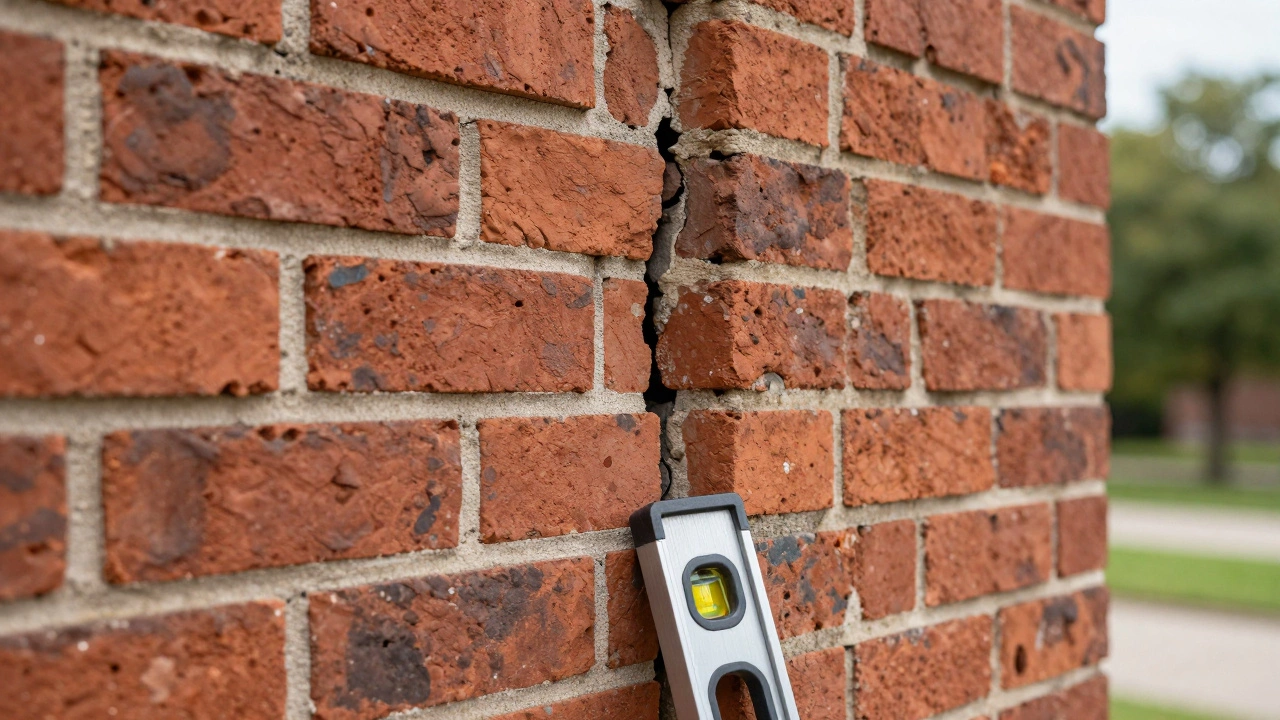
Before buying any concrete mix or hiring a contractor, you must identify the root problem. A cracked brick veneer is different from a cracked structural beam. If the crack is diagonal and wider at one end, that suggests differential settlement-parts of your house are sinking faster than others. This is the most dangerous type of movement.
If you just see vertical hairline cracks, it might be thermal expansion or simple shrinkage in older concrete. That does not require structural intervention. The real test comes down to measuring. Place a small mirror in the crack. If it widens over six months, the movement hasn't stopped. Active movement requires urgent stabilization, whereas historical cracks just need sealing to stop water ingress.
Do not ignore the drainage situation. Most foundation issues in New Zealand start with water. If rainwater pools near the perimeter of your building, the soil underneath saturates. Saturated soil loses bearing capacity. It turns into mud, and concrete sits on top of mud like a boat on a swamp. Fixing the soil support begins with controlling surface water flow away from the foundation walls.
Raising Slabs Without Raising Frames
If your problem is a sunken concrete floor slab rather than the timber frame walls, you can use slab jacking. This process does not lift the walls. Instead, it targets the underside of the concrete floor directly. Think of it as filling a balloon under a sagging mattress.
In this method, technicians drill holes through the slab. They then pump a high-strength grout mixture or polyurethane foam underneath. As the material fills the voids, it pushes the concrete back up to its original level. This works well for garages, patios, and internal laundry slabs.
| Technique | Material Used | Typical Cost Range | Downtime |
|---|---|---|---|
| Mudjacking | Concrete Grout | $50 - $100 per m² | 24 hours curing |
| Polyurethane Foam | Expanding Polymer | $80 - $150 per m² | Instant cure (hours) |
The advantage of polymer foam over traditional mudjacking is weight. Old-school mudjacking uses heavy cement grout. If the soil cannot support that weight, the slab settles again. Polyurethane foam is incredibly light yet structurally rigid once cured. It won't overload weak soil layers. Just remember: this raises the *floor*, not the *building height*. If your door frames are tight because the floor dropped too far, this will reset the geometry.
Strengthening Walls Without Excavation
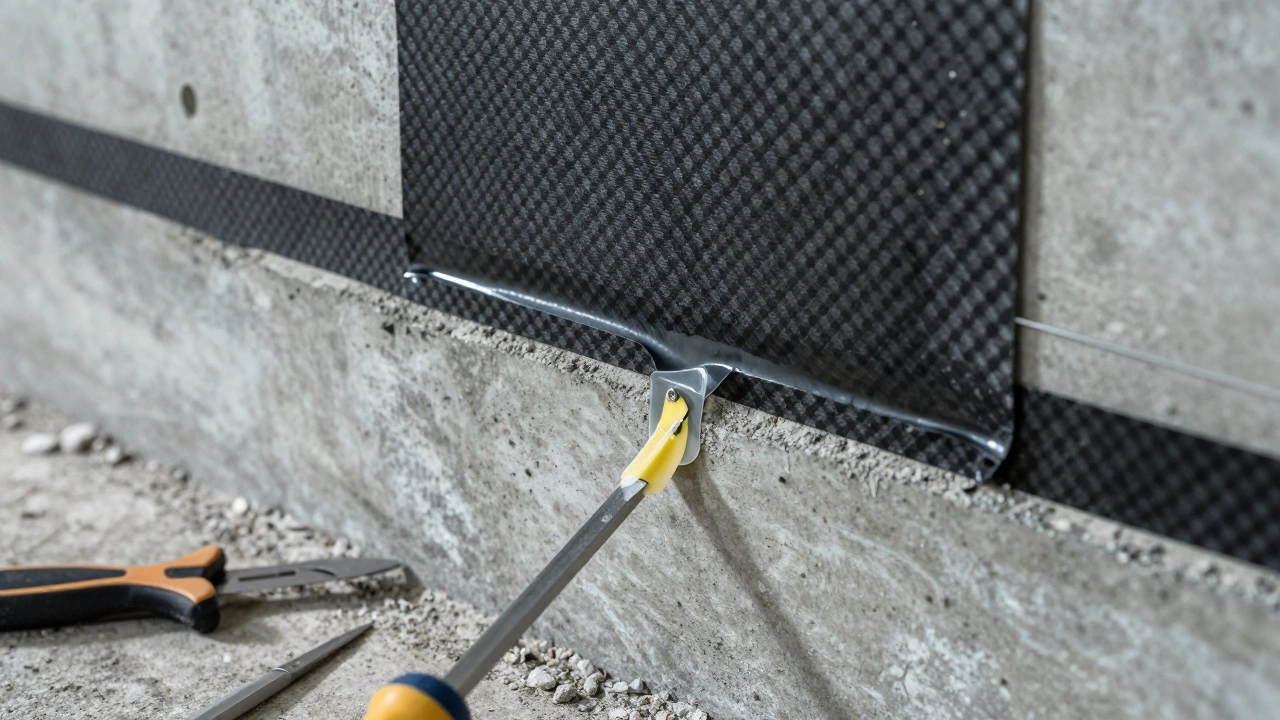
For brick or stone retaining walls showing horizontal cracking or bowing, excavation can be messy and expensive. You don't always need to dig deep trenches under the house to add footings. An effective modern solution is carbon fibre reinforcement.
Imagine wrapping the outside of your compromised wall with Kevlar tape. That is essentially what carbon fibre does. Technicians clean the masonry surface and bond high-strength strips of carbon fabric using an epoxy adhesive. This material has tensile strength exceeding steel. Once applied, it prevents further bending of the wall.
This is non-invasive. There is no digging up your garden. There is no noise from jackhammers. It looks somewhat industrial unless painted over, but it stops structural failure effectively. This approach is particularly useful in areas where the pressure comes from the outside-like earth pushing against a basement wall-rather than the soil below collapsing.
Sealing the Leaks
Once you have stabilized the structure, you must prevent water damage. A repaired crack still holds air and moisture unless sealed properly. Cracks in concrete blockwork allow dampness to migrate into your home, causing rot and mould.
We use resin injection for this. High-pressure pumps force expanding epoxy into the smallest fissures. The resin expands as it cures, locking onto the surrounding concrete. It creates a waterproof barrier. For active water leaks, we often use hydrophilic resins that only activate upon contact with water. If there is no leak, the material stays dormant. If water returns, it triggers the sealant to expand again.
Understanding Local Soils
Your location dictates your strategy. If you are in Wellington, Taranaki, or West Coast regions, you deal with heavy clays. These soils absorb rain and swell. In summer, they dry out and shrink. This cycle of heaving and settling is brutal on foundations.
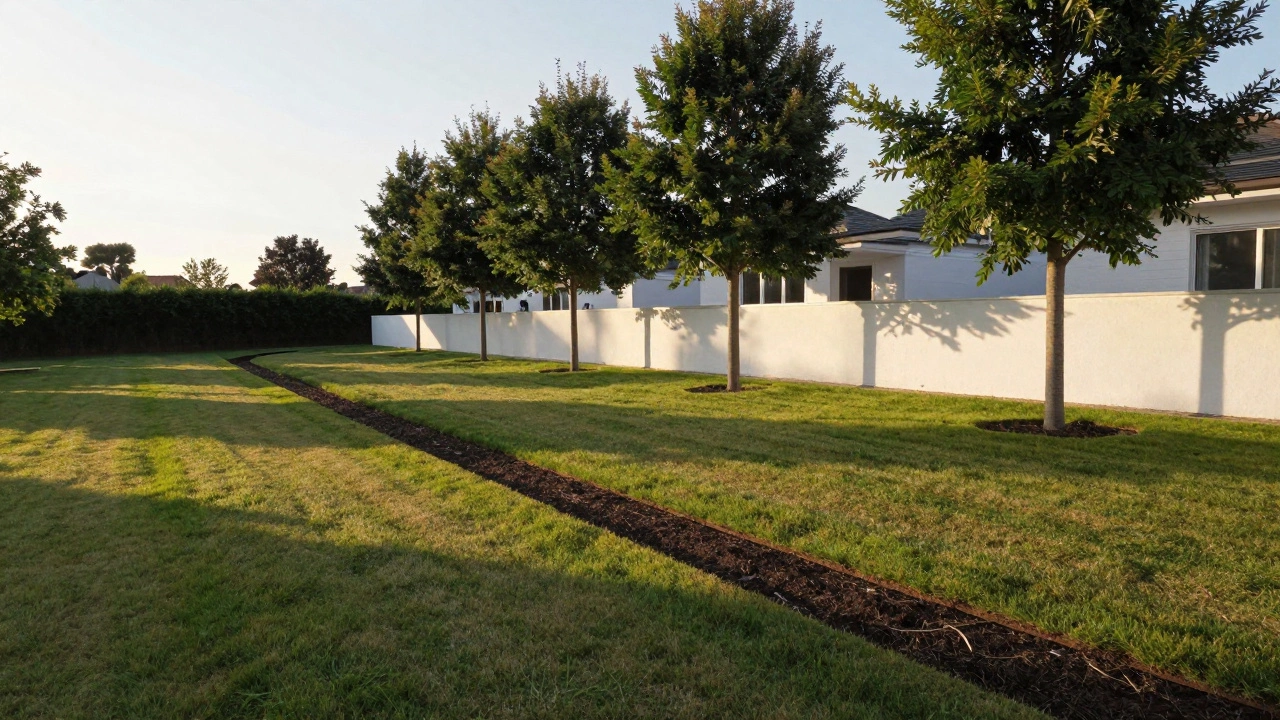
Even if you don't lift the house, you must manage moisture. Install a swale (a shallow ditch) that diverts rainwater downhill, away from the building line. If the ground near your house dries out unevenly, you create pockets where settlement happens. Level grading helps, but slope management is key. Never let your roof gutters dump water right next to the foundation. Extend downspouts two meters away from the building perimeter.
Also check the vegetation. Large trees draw huge amounts of moisture from the soil. Planting a large Pohutukawa ten metres from your kitchen wall can dry out the clay beneath it. When the soil shrinks, the slab sinks. Moving or removing invasive roots stabilizes the ground permanently.
When You Cannot Avoid Lifting
I have to be honest: some problems cannot be fixed with minor repairs. If your foundation has sunk more than 50 millimetres, simply pumping grout under it might fail. The voids could be too wide, or the underlying load-bearing strata might be gone entirely.
Sometimes, the framing itself is rotted. Rot spreads quickly in our damp climate. If the bottom plates of your timber frame are soft and spongy, injecting resin under them will not save them. You must remove the decayed wood and re-shim the structure. This involves lifting slightly just enough to replace the timber, but usually not a full house relocation.
Another reason to lift occurs when adding a new storey or significantly changing loads. If the current foundation supports the old weight, it may not support new concrete beams added upstairs. In those cases, you reinforce the perimeter with new piles (helical piles or screw piles) and lift slightly to bring everything into alignment with the new engineering requirements.
Budgeting for Non-Lifting Repairs
Many homeowners assume foundation repair equals "total rebuild" costs. That is not true for maintenance interventions. Minor crack injections cost roughly $300 to $600 depending on severity. Slab jacking varies based on the square metreage, often falling between $2,000 and $5,000 for standard residential garage sizes.
Carbon fibre installation is priced per strip, typically $500 to $800 per linear metre including labour. While this sounds expensive compared to paint, consider the alternative. Full excavation for piers involves massive trenching machines and reinstatement of landscaping, easily costing over $15,000. Non-lifting methods usually represent a fraction of that expense.
To protect your wallet, get three quotes. Ensure at least one quote includes a geotechnical engineer's report. You don't pay the engineer to fix the hole; you pay them to identify the dirt's characteristics. Their report validates whether the proposed fix makes sense or if you are wasting money on temporary band-aids.
Keeping It Stable
Repair is reactive; prevention is proactive. Inspect your exterior pointing every three years. Repointing mortar joints keeps water out of the brickwork. Keep your lawn graded so water runs away. If you install a new deck close to the house, ensure its footings are independent. Attaching a heavy timber deck to a settled house pulls the structure, transferring stress to points that shouldn't take it.
Can I fix a sinking foundation myself?
Minor cosmetic cracks can be filled yourself with flexible silicone caulk. However, actual structural leveling requires specialized machinery like hydraulic pumps and knowledge of soil composition. Attempting DIY slab jacking often results in uneven pressure and worse damage.
How long does carbon fibre last?
Properly applied carbon fibre reinforcement has an indefinite lifespan. It does not corrode like steel bars inside concrete. As long as the masonry backing remains intact and protected from salt water spray, the system will remain active.
Does insurance cover foundation repairs?
This depends on the cause. Sudden events like earthquakes or floods are usually covered. Long-term wear, soil settlement, or poor maintenance are generally excluded. Always read your policy fine print regarding 'natural movements' before making a claim.
Will repairing the foundation affect my property value?
Yes, positively. Documented foundation repairs provide buyers with peace of mind. A certified structural report proves the integrity of the building. Conversely, ignored foundation issues will tank valuation during pre-purchase inspections.
What signs indicate immediate danger?
Look for rapidly widening stair-step cracks in brickwork, doors that suddenly won't latch, or tilting chimneys. If the floor deflection exceeds 20mm under normal walking pressure, contact a structural engineer immediately.
Taking action early means fewer headaches later. Don't wait until the ceiling cracks are spilling plaster onto your coffee table. Monitor the shifts. Manage the water. And if you do need professional help, choose methods that suit your budget and minimize disruption. You don't have to move the mountain to fix the valley.