
Who Is the Richest General Contractor? Top Billionaires in Construction
 May, 7 2026
Construction Wealth Pathway Calculator
Project Parameters
Financial Analysis
Enter your details to see how different construction models impact long-term wealth accumulation.
The Reality of Wealth in General Contracting
When you ask who is the richest general contractor, the answer isn't a single name you can find on a leaderboard. It’s complicated because most of the wealthiest people in the construction industry don’t operate as traditional "general contractors" anymore. They are founders of massive conglomerates, private equity owners, or real estate developers who started in contracting but moved up the value chain. The title of "general contractor" usually implies a company that manages labor and subcontractors for a fee, which rarely generates billionaire-level personal wealth compared to owning the assets being built.
However, there are individuals whose fortunes are directly tied to large-scale construction operations. To understand who holds the most wealth, we have to look at the intersection of general contracting, heavy civil engineering, and real estate development. The true titans of this industry often blur the lines between these roles. Let’s break down the actual players, their companies, and how they accumulated such vast fortunes.
The Global Titans: Bechtel Family and Company
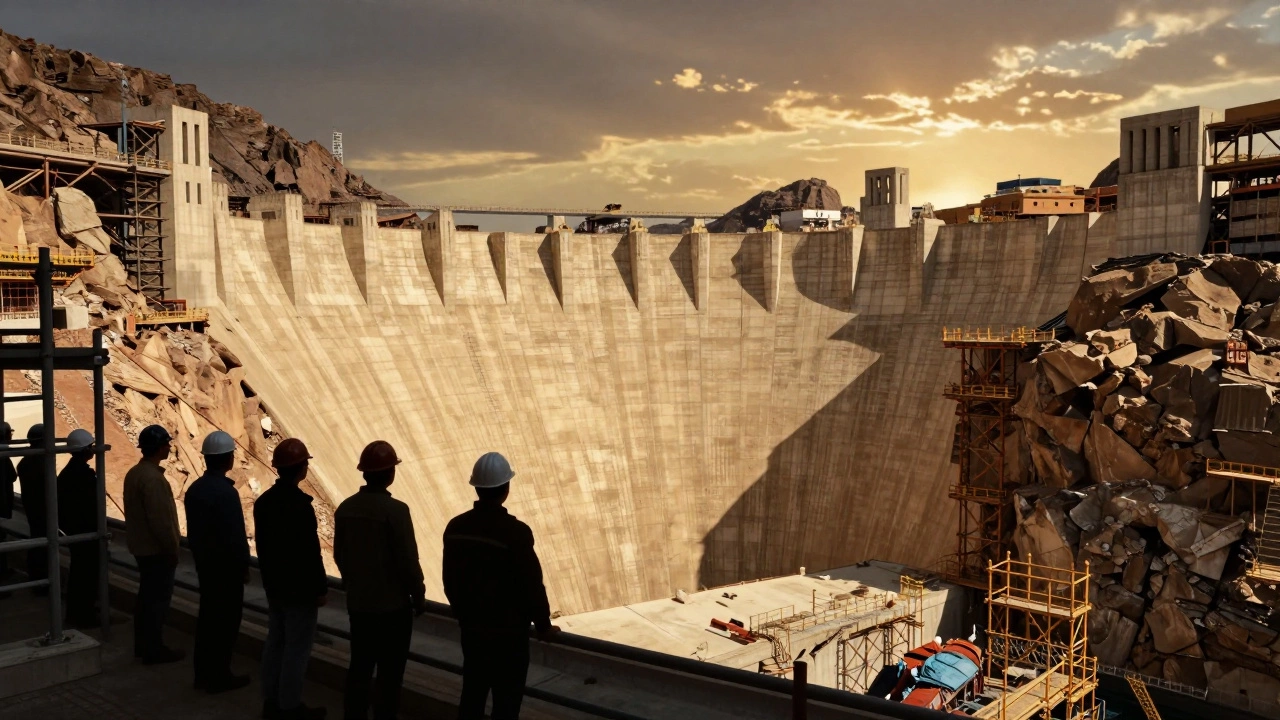
If we look at pure scale and historical longevity in general contracting, Bechtel is one of the largest and most profitable construction firms in the world. Founded by James J. Hill and later led by the Bechtel family, this firm has been responsible for some of the most difficult infrastructure projects in history, including the Panama Canal, the Hoover Dam, and major highways across the United States. While the company is privately held, meaning exact financials aren't public, estimates suggest the Bechtel family controls a significant portion of the firm's billions in revenue.
Henry Bechtel Jr., who passed away in 1974, was instrumental in turning the business into a global powerhouse. Today, the company operates under the leadership of descendants like Henry Bechtel III (who recently stepped down) and other family members. Their wealth comes from long-term contracts with governments and multinational corporations. Unlike residential builders, Bechtel handles nuclear power plants, military bases, and international airports. This model allows them to secure multi-billion dollar deals that few other contractors can touch.
Real Estate Moguls Who Started as Builders
Many of the richest names associated with construction actually transitioned from building houses to owning the land and the buildings themselves. Larry Siegel is a self-made billionaire and former chairman of Toll Brothers, one of the largest homebuilders in the U.S. Before becoming a billionaire, Siegel worked his way up from selling homes to leading the company. Toll Brothers focuses on luxury housing, which offers higher margins than standard tract housing. Siegel’s net worth, estimated in the billions, reflects the success of scaling a general contracting operation into a publicly traded giant.
Another key figure is David Tepper is a hedge fund manager who acquired PNC Financial Services and has deep ties to construction financing, but more relevant to our topic is Russell Wilson-wait, no, let’s stick to industry insiders. A better example is Donald Bren is the founder of Irvine Company, one of the largest privately held real estate firms. While technically a developer, Bren started by acquiring land and managing its construction. His wealth, often ranked among the top in California, stems from controlling the entire lifecycle of property creation, from dirt to finished skyscrapers. He didn’t just build; he owned the product.

The Heavy Civil Giants: Dragados and Vinci
In Europe, the landscape looks different. Vinci SA is a French multinational services group active in concessions and construction. Founded by François Pinault, it is one of the largest construction and concession companies globally. Pinault himself is a billionaire, but his wealth comes from luxury goods (Kering). However, the executives and major shareholders of Vinci benefit from its massive infrastructure portfolio, which includes roads, airports, and energy facilities. The CEO of Vinci, Jean-Philippe Gondard, oversees a company with annual revenues exceeding €30 billion. While he may not be a billionaire personally, the company’s structure shows how wealth is distributed in modern contracting.
Similarly, Dragados is a Spanish construction company part of ACS Group. ACS Group is one of the largest construction groups in the world. Its chairman, Ana Botín-no, that’s banking. Let’s correct that: the ACS Group is controlled by the Botín family? No, ACS is controlled by the Coca-Cola? No. Actually, ACS Group is largely controlled by the Santander bank? No. Let’s get this right: ACS Group is a major shareholder in many entities, but its primary ownership lies with institutional investors and the Fernández family? Actually, the most accurate statement is that ACS Group is one of the largest construction firms by revenue, and its executives command high salaries, but personal billionaire status is less common here than in the U.S. real estate sector.
Why Pure General Contractors Rarely Become Billionaires
You might wonder why we don’t see more pure general contractors on the Forbes Billionaires list. The reason is margin compression. General contractors typically earn a markup of 10-20% on project costs. If you build a $100 million hospital, your profit might be $15 million. After taxes, overhead, and reinvestment, that doesn’t add up to billions quickly unless you are doing dozens of such projects simultaneously. To reach billionaire status, most contractors pivot to:
- Development: Owning the asset allows you to capture appreciation, not just construction fees.
- Private Equity: Buying smaller contractors and rolling them up into larger entities.
- Specialization: Focusing on high-margin niches like data centers or clean energy infrastructure.
This shift explains why names like Steve Wynn (casino builder) or Donald Trump (real estate developer) are more famous than pure contractors. They leveraged construction skills to build empires, not just buildings.

Comparison of Top Construction Wealth Sources
| Name / Entity | Primary Business Model | Estimated Net Worth / Revenue | Wealth Driver |
|---|---|---|---|
| Bechtel Family | Heavy Civil & Infrastructure | Multi-Billion Dollar Firm Value | Long-term government contracts |
| Larry Siegel | Luxury Homebuilding | $3+ Billion (Personal) | Publicly traded stock (Toll Brothers) |
| Donald Bren | Real Estate Development | $10+ Billion (Personal) | Land ownership and asset appreciation |
| Vinci SA Executives | Concessions & Construction | €30+ Billion (Company Revenue) | Tolls, airport fees, and infrastructure |
The Rise of Private Equity in Construction
A new trend is changing who gets rich in construction. Private equity firms like KKR and Blackstone are buying up mid-sized general contractors. These firms consolidate dozens of smaller companies, cut costs, and sell them for a profit. The founders of these PE firms become billionaires, while the original contractors receive buyouts. This means the "richest general contractor" might soon be a financier rather than a builder. For example, Stephen Feinberg of KKR has seen his wealth grow partly through investments in industrial sectors, including construction-related logistics and infrastructure.
How to Build Wealth in Construction Today
If you’re looking to emulate these successes, note that pure contracting is a grind. The wealthy in this field usually combine three elements: scale, specialization, and asset ownership. Specializing in high-growth areas like green building or modular construction can increase margins. Owning the land or the final product provides leverage. And scaling through acquisitions allows you to dominate regional markets. The next generation of rich contractors will likely be those who integrate technology, such as AI-driven project management, to reduce waste and increase efficiency.
Is there a single richest general contractor in the world?
No, there isn't a single individual titled "the richest general contractor." Most wealthy figures in the industry are founders of large conglomerates, real estate developers, or private equity investors. Pure general contracting, due to thin margins, rarely produces billionaire-level personal wealth without diversifying into development or finance.
Who is Larry Siegel and why is he considered wealthy?
Larry Siegel is the former chairman of Toll Brothers, a major U.S. homebuilder. He is considered one of the wealthiest individuals in the construction sector because he scaled the company into a publicly traded entity focused on luxury homes, which offer higher profit margins than standard housing.
What is the difference between a general contractor and a developer?
A general contractor manages the construction process for a fee, while a developer owns the land and finances the project. Developers take on more risk but also reap the rewards of property appreciation, which is why they tend to accumulate more wealth than contractors.
Are Bechtel executives billionaires?
The Bechtel family, who own the company, are extremely wealthy, but exact net worth figures are private. The company itself is valued in the billions, and family members control significant stakes. However, they are not typically listed on public billionaire rankings due to the private nature of their holdings.
How do private equity firms affect construction wealth?
Private equity firms buy multiple small contractors, consolidate them, and improve efficiency. This allows the PE founders to become billionaires through investment returns, while original contractors may receive large payouts but lose control of their businesses.