
Who Is the #1 Home Builder in the US? D.R. Horton vs. Lennar & PulteGroup
 May, 21 2026
Home Builder Matchmaker
Select the builder profile that best fits your needs to see a detailed match analysis.
Recommended Builder Profile
How they stack up against others:
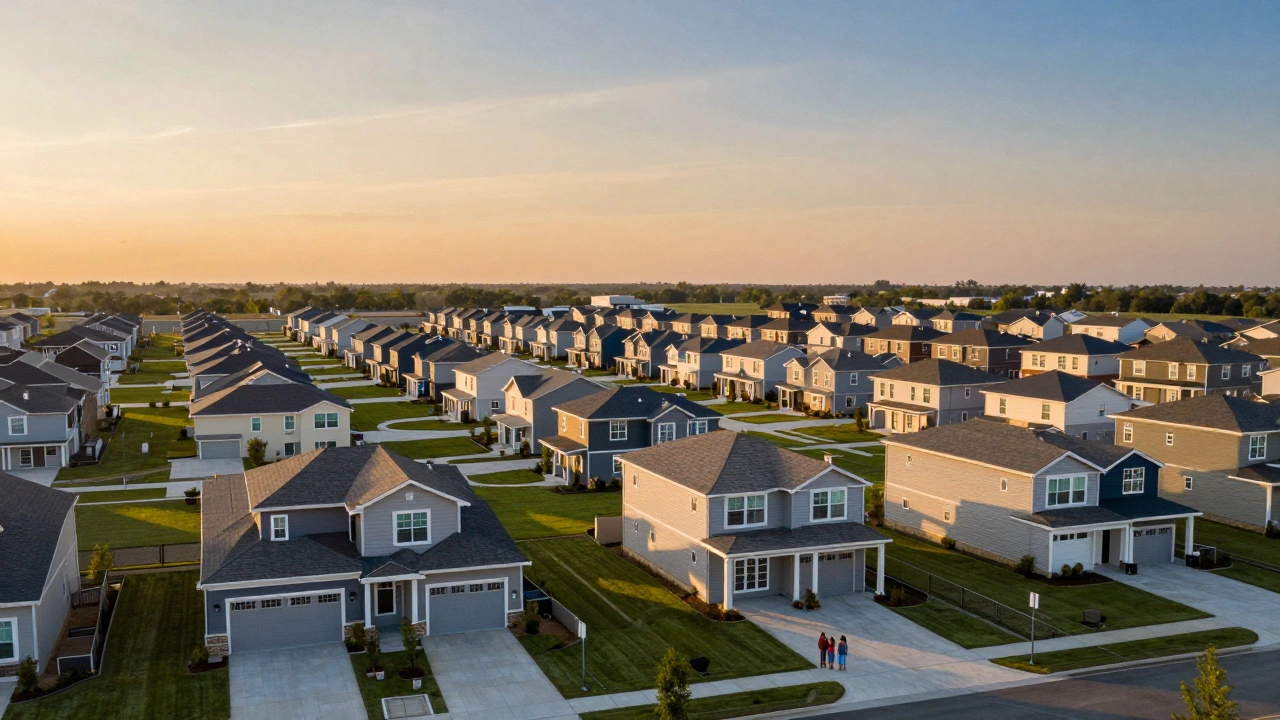
There is no single "best" home builder for everyone, but there is a clear winner when it comes to volume and market share. If you are looking for the biggest name in American residential construction, the answer is D.R. Horton. It is the largest homebuilding company in the United States by number of homes started and sold. In recent years, D.R. Horton has consistently built more than 100,000 homes annually, dwarfing its closest competitors. However, being the biggest does not automatically make them the right choice for your specific needs. The title of "number one" shifts depending on whether you value sheer selection, luxury finishes, or smart-home technology integration.
The Volume Leader: Why D.R. Horton Holds the Top Spot
D.R. Horton operates across nearly every major metropolitan area in the country. Their dominance is not accidental; it is the result of vertical integration and aggressive land acquisition strategies. By controlling their own supply chains-from lumber mills to drywall plants-they can keep costs lower than smaller regional builders. This efficiency allows them to offer entry-level pricing that appeals to first-time homebuyers who are priced out of the resale market.
If you are shopping for a new build, you will likely encounter D.R. Horton communities under various brand names like Centex Homes or Perry Homes. These brands allow the parent company to target different price points without diluting the main brand's identity. For buyers, this means a massive inventory of floor plans ranging from compact three-bedroom ranches to sprawling two-story family estates. The trade-off is often standardization. You get reliable quality control and predictable timelines, but customization options can be limited compared to boutique builders.
The Technology Challenger: Lennar’s Smart Home Edge
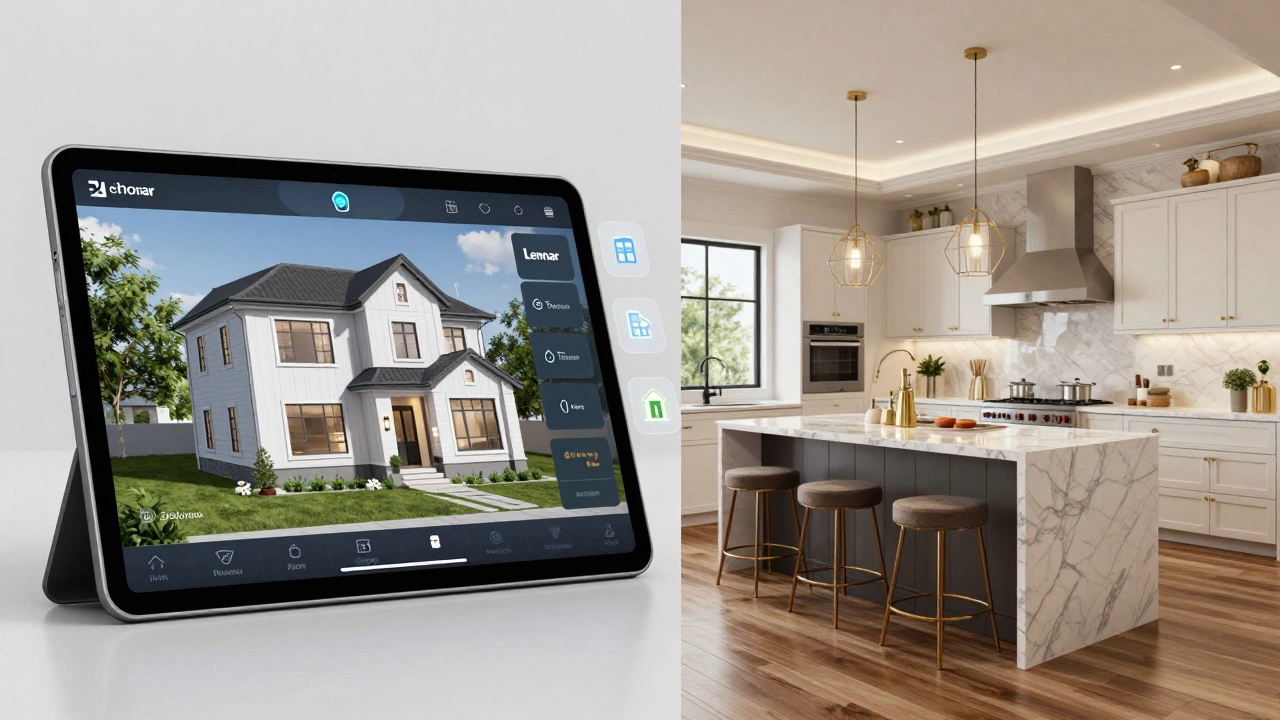
While D.R. Horton wins on volume, Lennar Corporation is a major U.S. homebuilder known for integrating smart home technology into its standard offerings. Lennar frequently ranks second in national starts but leads in innovation. Their proprietary eHomes platform allows buyers to configure their entire house online, visualizing changes in real-time before breaking ground. This digital-first approach appeals to younger demographics who expect the same level of convenience in buying a house as they do ordering groceries.
Lennar also pushes hard on sustainability. Many of their newer models include solar-ready roofs, energy-efficient windows, and advanced HVAC systems that reduce utility bills significantly. If your definition of "best" includes long-term operational costs and tech-forward living, Lennar often edges out the competition. They operate under brands like Katy Builders and Toll Brothers (acquired in 2024), which gives them a foothold in both the affordable and ultra-luxury markets.
The Luxury Contender: Toll Brothers and High-End Finishes
For buyers who prioritize craftsmanship over affordability, Toll Brothers is a premier builder of luxury custom homes and estate properties. Before its acquisition by Lennar, Toll Brothers was widely regarded as the gold standard for high-end new construction. They focus on larger lot sizes, premium materials like hardwood floors and granite countertops, and extensive customization. Their homes often feature gourmet kitchens with professional-grade appliances and expansive outdoor living spaces.
Buying from a luxury builder like Toll Brothers involves a different process. You are paying for design flexibility and superior finish quality. The price per square foot is significantly higher than mass-market builders, but the residual value tends to hold up better in upscale neighborhoods. If you are looking for a turnkey executive residence rather than a starter home, this is where the "#1" title makes sense.
Regional Powerhouses: Don’t Ignore Local Players
National rankings can be misleading because housing is inherently local. A builder might be huge in Texas but nonexistent in California. PulteGroup is one of the largest homebuilders in the US, operating under multiple regional brands including Pulte Homes, Centex, and Del Webb. PulteGroup dominates in key growth corridors like Florida, Arizona, and the Pacific Northwest. Their strength lies in adapting to local architectural styles and zoning laws. In some markets, a mid-sized regional builder may offer better customer service and faster response times than a giant corporation buried in bureaucracy.
Always check local reviews and visit model homes in person. A builder’s national reputation doesn’t guarantee a smooth experience with a specific local sales team or construction crew. Look for builders who have been active in your specific county for at least five years. Longevity suggests they understand the local soil conditions, permitting processes, and subcontractor networks.
| Builder | Primary Focus | Key Advantage | Best For |
|---|---|---|---|
| D.R. Horton | Volume / Entry-Level | Lowest Price Point | First-Time Buyers |
| Lennar | Tech / Mid-Market | eHomes Platform & Solar | Tech-Savvy Families |
| Toll Brothers | Luxury / Custom | Premium Finishes | High-Net-Worth Individuals |
| PulteGroup | Regional / Active Adult | Local Market Knowledge | Retirees & Regional Buyers |

How to Choose the Right Builder for You
Deciding who is the "best" builder requires aligning their strengths with your personal priorities. Start by defining your budget range. If you are strictly capped at $350,000, D.R. Horton or a similar volume builder will give you more square footage for your money. If you can stretch to $600,000+, Lennar or Pulte offers better upgrade packages. For budgets exceeding $1 million, Toll Brothers provides the design sophistication you likely seek.
Next, evaluate the warranty and after-sales support. New builds come with hidden defects that only appear after months of settling. Ask specifically about the builder’s warranty administration. Do they handle repairs directly, or do they outsource to third-party vendors? Builders with in-house service teams typically resolve issues faster. Check online forums and social media groups for your specific community to see how quickly current homeowners report getting problems fixed.
Finally, consider the location strategy. National builders often buy large tracts of land in emerging suburbs. While these areas offer modern amenities, they may lack established tree cover or mature infrastructure. Ensure the neighborhood plan includes adequate road capacity, school zones, and public transit access. A great builder cannot compensate for a poorly planned community layout.
Red Flags to Watch Out For
Even top-tier builders can have bad days. Be wary of sales tactics that pressure you to sign a contract within 24 hours. Legitimate builders allow time for legal review and inspection contingencies. Another red flag is vague language regarding "standard" versus "optional" features. Get everything in writing. If a salesperson promises a certain grade of flooring or appliance brand, ensure it is listed in the purchase agreement specifications.
Also, investigate the financial health of the builder. During periods of rising interest rates, weaker builders may delay deliveries or cut corners to stay solvent. Stick with publicly traded companies like D.R. Horton, Lennar, or PulteGroup, as their financial statements are transparent and audited. This reduces the risk of the project stalling due to funding shortages.
Is D.R. Horton a good quality builder?
D.R. Horton produces consistent, code-compliant homes suitable for average families. While they may not offer the bespoke craftsmanship of luxury builders, their quality control is rigorous due to scale. Most buyers find the finish quality acceptable for the price point, making them a solid choice for investment or starter homes.
What is the difference between Lennar and Toll Brothers?
Lennar focuses on mid-market homes with integrated smart technology and energy efficiency. Toll Brothers specializes in high-end luxury estates with premium materials and extensive customization. After Lennar acquired Toll Brothers, they now serve both segments, but the brands maintain distinct identities and price ranges.
Can I customize a home bought from a national builder?
Yes, but the degree of customization varies. Volume builders like D.R. Horton offer limited upgrades through a catalog system. Luxury builders like Toll Brothers allow significant structural and design changes. Always review the "upgrade menu" early in the process to understand what is possible within your budget.
Are new builds from big builders worth the cost?
New builds often carry a price premium over existing homes, but they offer lower maintenance costs, modern energy efficiency, and manufacturer warranties. For many buyers, the peace of mind knowing all systems are new outweighs the initial higher purchase price, especially if they plan to stay in the home for 10+ years.
How do I verify a builder's reputation locally?
Check Better Business Bureau ratings, read recent reviews on Google and Facebook, and join local neighborhood social media groups. Ask to speak with past customers who bought homes in the last two years. Their experiences with post-sale service are more indicative of future performance than marketing brochures.