
What Is a Full Architectural Service? A Comprehensive Guide
 Apr, 12 2026
Architectural Project Phase Explorer
Click on each phase to explore what happens during a full architectural service. Follow the journey from the first sketch to the final key handover.
Pre-Design Phase
The foundation of the project where your needs are defined (Programming).
- Defining room requirements
- Analyzing site constraints
- Setting a realistic budget target
Schematic Design Phase
Turning the program into visual concepts and spatial layouts.
- Testing conceptual layouts
- Evaluating building orientation (e.g., sunlight)
- Defining the overall shape and size
Design Development Phase
Refining the design and integrating technical systems.
- Selecting finishes (e.g., wood, concrete, stone)
- Coordination of mechanical and electrical systems
- Updating cost estimates based on specific choices
Construction Documents Phase
Creating the legal and technical manual for the build.
- Precise technical specifications (wall thickness, insulation)
- Submission to local government for permits
- Creating the 'instruction manual' for the builder
Bidding & Negotiation Phase
Finding the right contractor and ensuring fair pricing.
- Comparing "apples to apples" bids
- Identifying hidden costs or missing items in quotes
- Finalizing the construction contract
Construction Administration Phase
The final quality control stage during actual building.
- Ensuring the builder follows the design exactly
- Catching errors before they become permanent
- Managing formal changes to the project scope
The Fast Facts: What's Included
- Pre-Design: Site analysis, budgeting, and programming.
- Schematic Design: Rough sketches and spatial layouts.
- Design Development: Refining materials and technical systems.
- Construction Documents: The detailed blueprints for permits and builders.
- Bidding & Negotiation: Helping you pick the right contractor.
- Construction Administration: Site visits and quality checks during the build.
The Early Game: Pre-Design and Schematic Design
Before a single line is drawn, a full-service architect starts with what's called programming. This isn't about computer code; it's about defining your needs. If you're building a family home, they'll ask how you move through a space. Do you want the kitchen connected to the garage for easy grocery unloading? Does the home office need a separate entrance for clients?Once the needs are set, they move into Schematic Design is the initial phase where the architect creates rough sketches and site plans to define the overall shape, size, and layout of the building
. This is where you see the project take shape for the first time. You'll look at basic floor plans and 3D massing models. The goal here isn't precision-it's about testing concepts. If the architect suggests a courtyard that blocks your morning sun, this is the phase where you catch it, not when the concrete is already poured.Turning Ideas into Technical Reality: Design Development
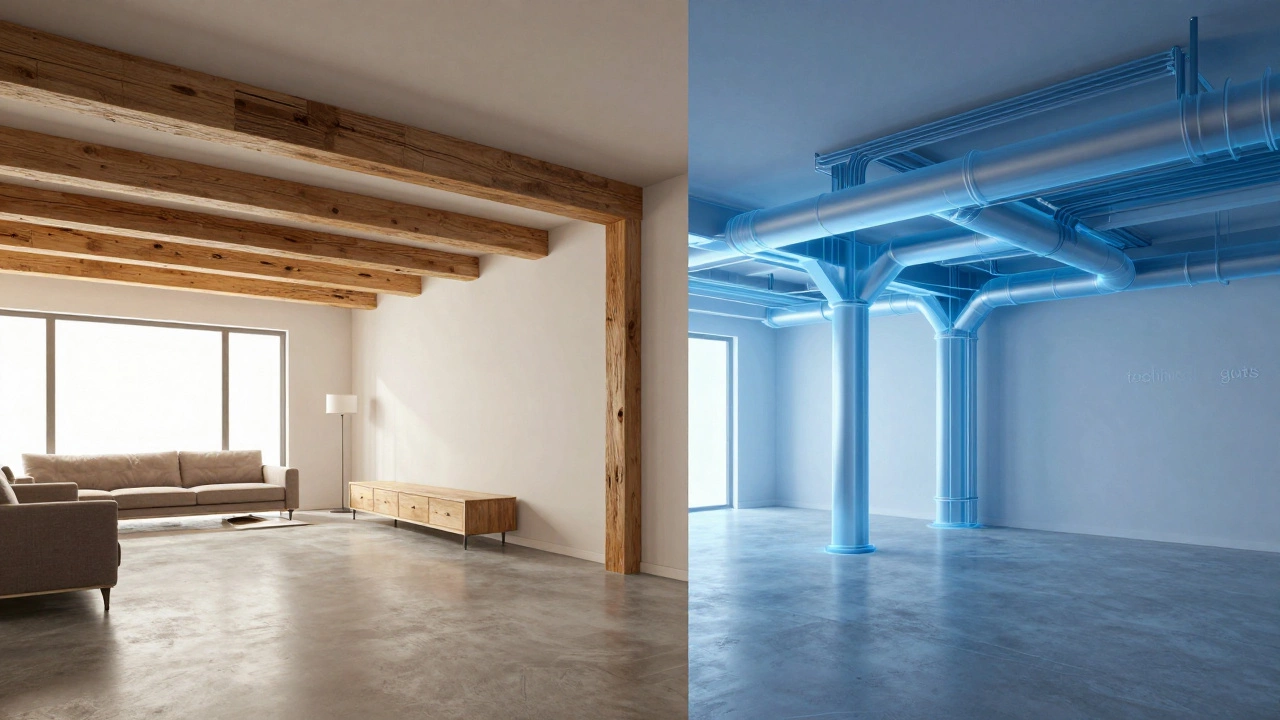
Now we move from "it looks cool" to "how does it work?" In the Design Development phase, the architect starts integrating the technical guts of the building. This is where they collaborate with other specialists. For instance, they'll bring in a Structural Engineer is a professional who ensures the building can support its own weight and withstand external forces like wind or earthquakes to figure out where the load-bearing walls go. They'll also coordinate with HVAC experts to ensure the air conditioning vents aren't awkwardly cutting through a beautiful ceiling beam. You'll start picking specific materials-will it be polished concrete, reclaimed oak, or brushed aluminum? Every choice here affects the budget. A full-service architect tracks these costs in real-time so you don't end up with a design that costs twice what you can afford to build.The Blueprint Stage: Construction Documents
This is the most technical part of the process. The architect creates a massive set of documents that serve as the legal and technical manual for the project. These aren't just drawings; they are precise instructions. If a wall is specified as 200mm thick with a specific type of insulation, that is exactly what the builder must provide.These documents are essential for obtaining a Building Permit is an official approval from a local government agency allowing construction to proceed according to safety and zoning laws
. Trying to get a permit without professional documents is a nightmare of endless revisions and rejected applications. A full-service firm handles the bureaucracy, submitting the plans to the council and arguing the technical points until the permit is granted.| Feature | Basic Design (Drafting) | Full Architectural Service |
|---|---|---|
| Conceptual Sketches | Yes | Yes |
| Permit Management | No (Client does it) | Yes (Architect handles) |
| Contractor Selection | None | Bidding & Review |
| On-site Inspections | None | Weekly/Monthly visits |
| Budget Management | Limited | Comprehensive |
Bidding and the Search for the Right Builder
Once the plans are finished, you need someone to build it. Many homeowners make the mistake of just picking the lowest bid. A full-service architect prevents this disaster. They help you put together a bid package-a clear set of documents that every contractor must bid on using the same criteria. This ensures you are comparing apples to apples.If Contractor A bids $500k and Contractor B bids $700k, the architect can tell you why. Maybe Contractor A ignored the high-end waterproofing required for your basement. By analyzing the bids, the architect protects you from "hidden costs" that usually pop up halfway through construction, often resulting in a project that stalls due to a lack of funds.
The Final Stretch: Construction Administration
This is where the "full" in full architectural service really pays off. Construction is messy. Mistakes happen. A plumber might accidentally cut through a structural beam, or a shipment of the wrong tiles might arrive on site.The architect acts as your eyes and ears. Through Construction Administration is the phase where the architect periodically visits the site to ensure the work aligns with the design documents and quality standards
, they ensure the builder isn't cutting corners. They review "shop drawings" (detailed diagrams from manufacturers) and issue "change orders" if the design needs to pivot based on a discovered site condition. Without this, you're essentially hoping the builder does everything right without any one checking their work.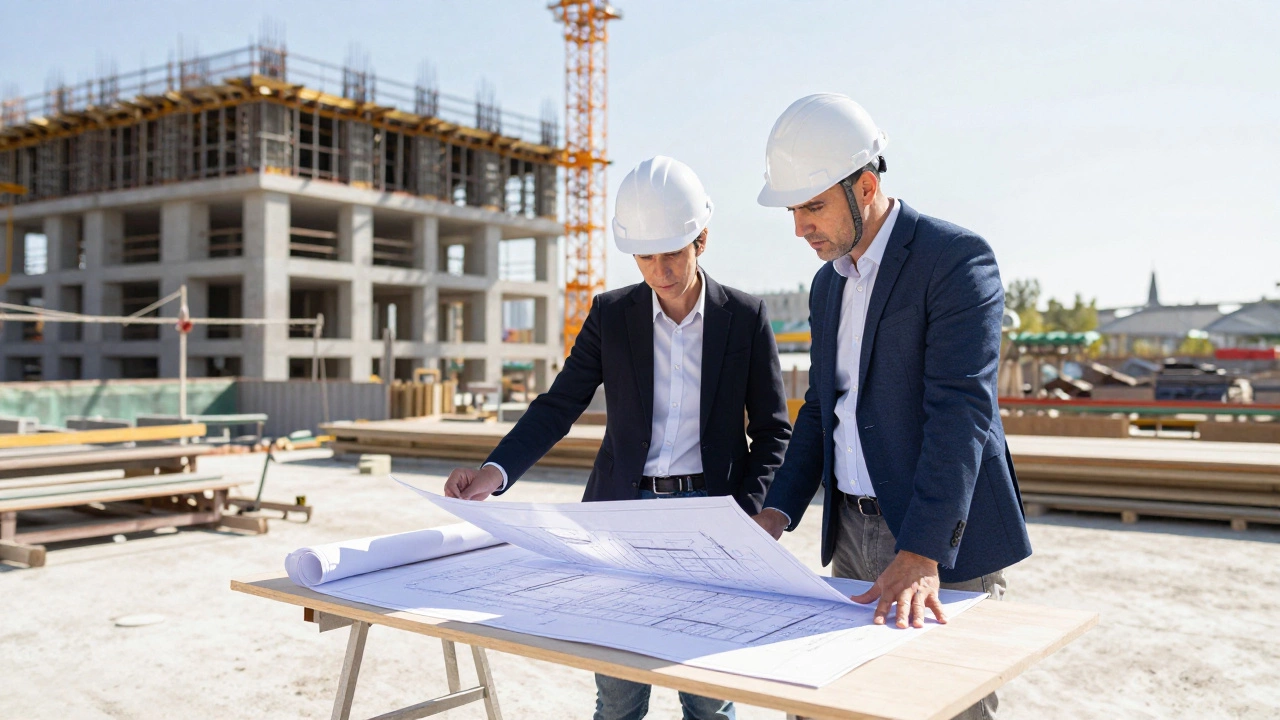
Is a Full Service Worth the Cost?
Full services usually cost more upfront-either as a percentage of construction cost or a fixed fee-compared to just buying a set of plans. However, the savings usually appear in the form of fewer mistakes, better material choices, and a tighter construction timeline. When you hire a full-service firm, you're paying for a level of accountability. If the roof leaks because the detail was wrong, the architect is responsible for fixing the design. If the builder uses the wrong steel, the architect catches it before the walls go up. It transforms the process from a stressful gamble into a managed professional project.What is the difference between an architect and a residential designer?
An architect is a licensed professional who has completed a degree in architecture and passed a series of rigorous exams. They are legally qualified to sign off on structural plans and are responsible for building safety and code compliance. A residential designer focuses primarily on the aesthetics and layout of homes but may not have the legal authority to stamp plans for permits in many jurisdictions.
How long does a full architectural service take?
Timelines vary wildly depending on project size. A custom home might take 6 to 12 months for the design and permitting phases alone, followed by 12 to 24 months for construction. Commercial projects can take even longer. The key is that the architect manages this timeline to ensure materials are ordered and permits are filed in the correct sequence to avoid delays.
Can I skip the Construction Administration phase?
You can, but it's risky. Skipping this means you are trusting the contractor to interpret the blueprints perfectly. If there is a discrepancy in the drawings, the contractor will often choose the cheapest or easiest way to build it, not necessarily the way it was designed. Having an architect visit the site ensures the design intent is actually realized.
How do architects charge for full services?
Most use one of three methods: a percentage of the total construction cost (typically 8% to 15%), a fixed flat fee based on the estimated project scope, or an hourly rate for smaller, evolving projects. Full-service contracts usually break these fees down by the phases mentioned above, so you pay as the project progresses.
What happens if I want to change the design during construction?
This is handled through a 'Change Order.' The architect evaluates how the change affects the budget, the structural integrity, and the timeline. They then issue a revised drawing and a cost estimate. In a full-service model, this is a formal process that prevents the contractor from simply adding unexpected costs to your final bill.