
What Size Crack Is Acceptable in a Foundation?
 Mar, 8 2026
Foundation Crack Assessment Tool
Assess Your Foundation Crack
Enter details about your crack to determine if it's a potential problem. Based on New Zealand building standards and soil conditions.
Result
Foundations are the silent backbone of every home. They don’t make noise, they don’t need attention-until they start cracking. And when they do, panic sets in. Is that hairline split a sign of disaster? Or just normal settling? The truth is, not all foundation cracks are dangerous. But knowing which ones to ignore-and which ones to act on-can save you thousands and maybe even your home.
What’s Normal? Cracks You Can Live With
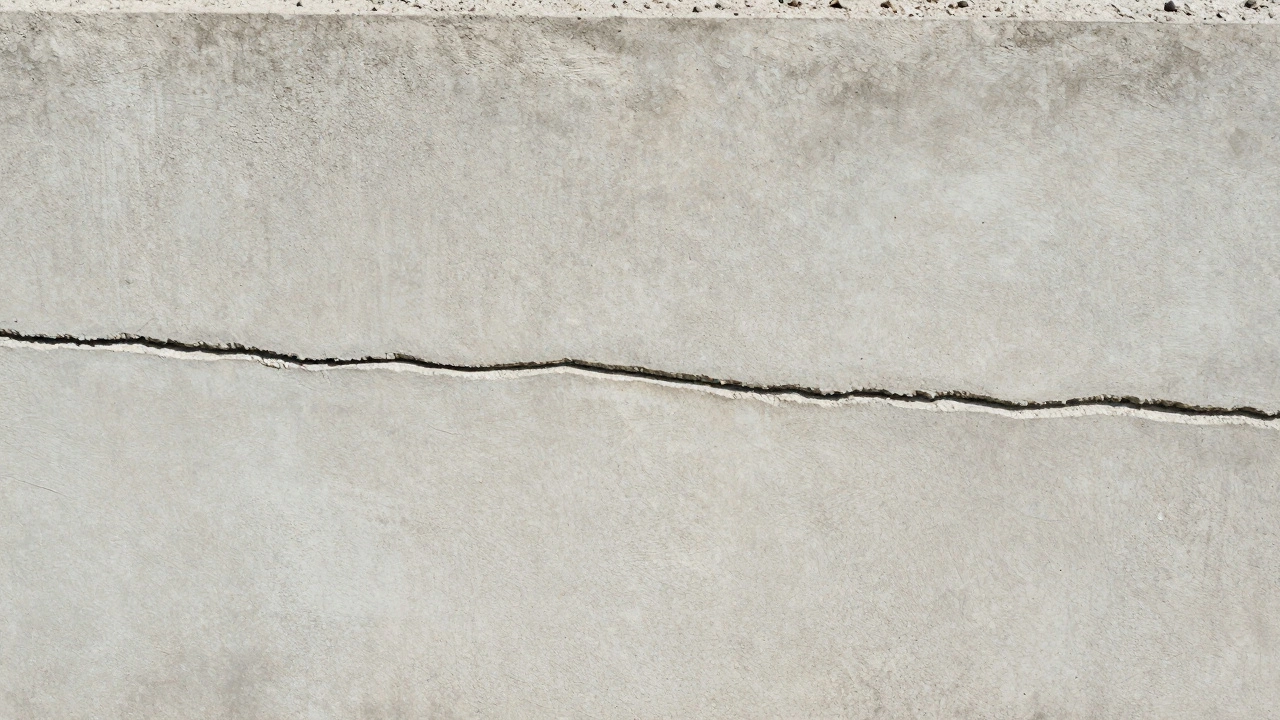
Small, non-structural cracks are surprisingly common, especially in homes built over the last 30 years. In New Zealand, where we see a lot of clay soils and seasonal moisture shifts, it’s not unusual for a house to develop tiny cracks as it settles. A crack less than 1 mm wide (about the thickness of a credit card edge) is typically harmless. These are called shrinkage cracks. They happen when concrete cures and loses moisture. You’ll often see them in slab foundations or basement walls, running vertically or diagonally, usually near corners or around window openings.
If the crack isn’t getting wider, doesn’t leak water, and shows no signs of movement over time, it’s not a problem. Many homeowners in Wellington and Christchurch have these and never need repairs. The key is monitoring. Take a photo today. Check it again in six months. If it hasn’t changed, relax.
When Cracks Become a Red Flag
Now, here’s where things get serious. Any crack wider than 3 mm (about the width of a pencil lead) should raise concern. At this point, it’s likely not just shrinkage-it’s structural movement. Signs that a crack is dangerous include:
- Cracks wider than 3 mm
- Cracks that are stair-stepping (zigzagging along brick or block walls)
- Cracks that are opening up over time-especially if you can see daylight through them
- Cracks accompanied by sticking doors or windows, uneven floors, or gaps between walls and ceilings
- Horizontal cracks on basement or retaining walls (these are often caused by soil pressure)
- Cracks that leak water during rain, or show signs of efflorescence (white, powdery residue)
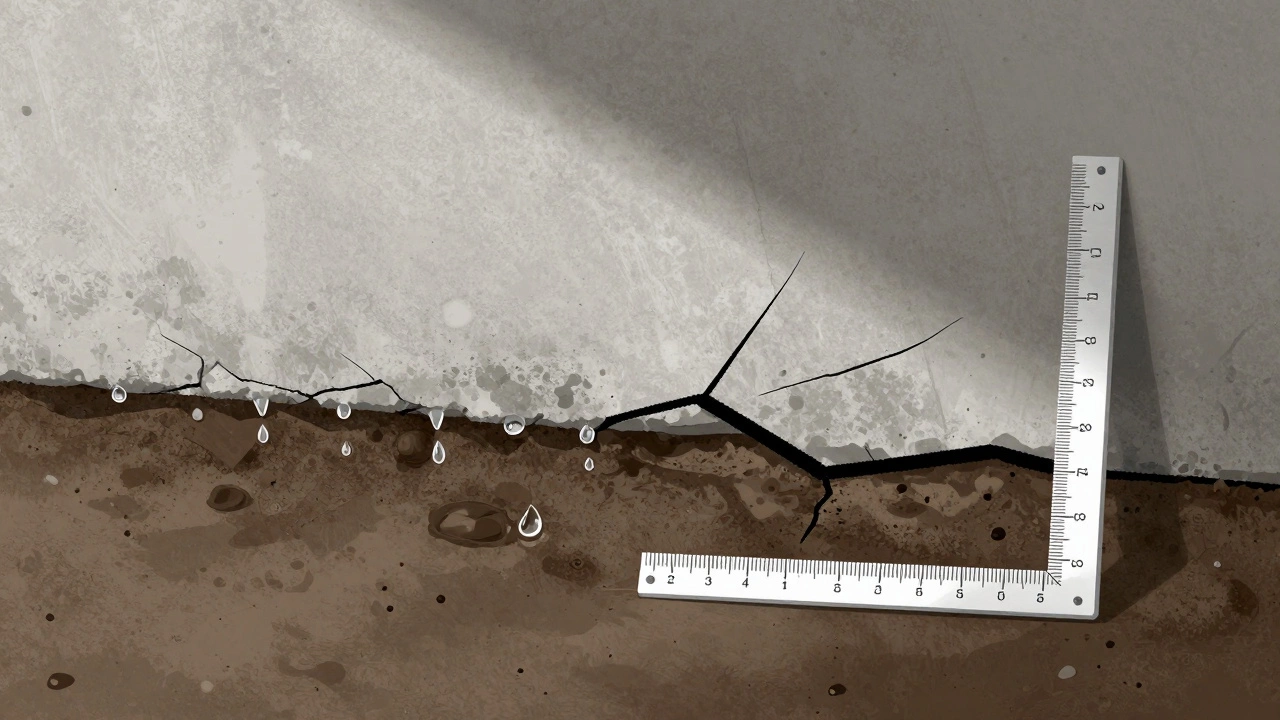
Horizontal cracks on foundation walls are especially worrying. They’re not caused by settling. They’re caused by lateral pressure from wet soil pushing against the wall. Left unchecked, they can lead to wall bowing or even collapse. This is common in older homes with inadequate drainage or in areas with heavy rainfall, like the West Coast or parts of Taranaki.
Why Location Matters: New Zealand’s Soil and Climate
Not all foundations crack the same way. In Auckland, where we have volcanic soils that expand when wet, cracks often appear after long rainy seasons. In Canterbury, the clay-rich soils shrink in summer and swell in winter-this constant movement stresses foundations. In Wellington, the steep terrain and frequent seismic activity mean even small shifts can cause cracks that look harmless but may signal deeper instability.
There’s no one-size-fits-all rule. A 2 mm crack in a concrete slab in Auckland might be nothing. The same crack in a brick veneer home in Nelson, built on sloping ground, could mean the footing is shifting. That’s why local experience matters. A contractor who’s worked in your region knows what’s typical-and what’s not.
What Professionals Look For
When a foundation inspector visits your home, they don’t just measure the crack. They look at the whole picture:
- **Location**: Is it on a load-bearing wall? Near a corner? Along a joint?
- **Pattern**: Is it straight, stair-stepped, or jagged?
- **Direction**: Vertical cracks are usually less serious. Horizontal? Big red flag.
- **Age**: New cracks? Or has it been there for years?
- **Moisture**: Is water seeping through? Is there mold or rot nearby?
- **Associated damage**: Are floors sloping? Are doors jamming?
They’ll also check drainage. A cracked foundation often starts with poor water management. Gutter downspouts pointing at the house, blocked weep holes, or lack of grading away from the foundation-all of these turn small cracks into big problems.
What to Do If You’re Worried
Don’t wait for the crack to get worse. Don’t ignore it because “it’s always been there.” Here’s what to do next:
- Document it: Take clear, well-lit photos from multiple angles. Include a ruler or coin for scale.
- Monitor it: Tape a piece of clear tape over the crack. Mark the edges with a pen. Check weekly. If the tape tears or the lines move, it’s active.
- Check drainage: Make sure gutters are clean, downspouts extend at least 1.5 meters from the foundation, and the ground slopes away from your house.
- Get a professional: Don’t rely on online advice. Hire a structural engineer or a certified foundation repair specialist. In New Zealand, look for members of the Foundation Repair Association of New Zealand (FRANZ). They follow strict inspection standards.
Most repairs are far less dramatic than people fear. A small crack might just need epoxy injection. A slightly wider one could be fixed with carbon fiber strips. Only in extreme cases do you need underpinning or wall replacement. Early action keeps costs low.

What Not to Do
Don’t cover up the crack with paint or filler and call it done. That’s like putting a bandage on a broken bone. You’re hiding the symptom, not fixing the cause.
Don’t assume new homes are immune. Even homes built in the last five years can have foundation issues if the soil wasn’t properly compacted or if drainage was ignored during construction.
And don’t panic-buy foundation repair services from door-to-door salespeople. Many of them push expensive solutions for minor issues. Always get a second opinion.
Prevention: The Best Repair
The best foundation repair is the one you never need. Here’s how to keep your foundation healthy:
- Keep gutters clean-biannually at minimum
- Ensure downspouts direct water at least 1.5 meters away
- Grade the soil around your home so it slopes away from the foundation (at least 2 cm per meter)
- Water your lawn evenly-overwatering can be as bad as drought
- Install a moisture barrier if you have a crawl space
- Check for signs of termite damage or rot near the foundation
These steps don’t cost much. But they prevent 80% of foundation problems before they start.
Final Thought: It’s Not About the Crack-It’s About the Change
A crack isn’t a diagnosis. It’s a symptom. And like any symptom, context matters. A 2 mm crack in a 40-year-old house in a dry area? Probably nothing. The same crack in a 5-year-old home on a clay slope? That’s a warning sign.
The real question isn’t “How wide is the crack?” It’s “Is it getting worse?” and “What else is happening around it?”
If you’re unsure, get it checked. A professional inspection costs between $300-$600 in New Zealand. That’s a small price to pay compared to the $20,000+ it can cost to fix a neglected foundation.
Is a 1 mm crack in my foundation okay?
Yes, a 1 mm crack is generally normal and not a cause for concern. This type of crack is usually a shrinkage crack that occurs as concrete cures. It’s common in homes built in the last 20-30 years, especially in areas with changing moisture levels like Wellington or Auckland. As long as the crack isn’t growing, leaking water, or accompanied by other signs like sticking doors or uneven floors, it’s not structural and doesn’t need repair.
When should I worry about a foundation crack?
You should worry if the crack is wider than 3 mm, is getting wider over time, runs horizontally across a wall, or is accompanied by other signs like doors that stick, floors that slope, or water seeping through. Horizontal cracks on basement or retaining walls are especially serious-they indicate soil pressure pushing against the foundation. Stair-step cracks in brickwork also suggest uneven settling. If you notice any of these, get a professional inspection immediately.
Can I fix a foundation crack myself?
You can seal small, non-structural cracks (under 1 mm) with a concrete sealant or epoxy filler to prevent water intrusion. But if the crack is larger, active, or you suspect structural movement, DIY fixes won’t work. Covering up a serious crack with caulk or paint hides the problem, but doesn’t fix the cause. In fact, it can make things worse by delaying necessary repairs. Always consult a structural engineer or certified foundation specialist before attempting repairs.
Do all houses get foundation cracks?
Most homes develop small cracks over time, especially in regions with seasonal weather changes or clay soils. It’s not a sign of poor construction-it’s a natural response to moisture shifts, temperature changes, and soil movement. However, not all cracks are the same. Minor shrinkage cracks are normal. Large, widening, or horizontal cracks are not. The key is monitoring and understanding the difference.
How much does a foundation inspection cost in New Zealand?
A professional foundation inspection typically costs between $300 and $600 in New Zealand, depending on the size of the home and the region. This includes a visual assessment, measurement of cracks, checking for water damage, and evaluating drainage and soil conditions. Some inspectors may offer a written report for an extra fee. This is a small investment compared to potential repair costs, which can exceed $20,000 if damage is left unchecked.