
Can a House Settle After 20 Years? What Really Happens to New Builds Over Time
 Feb, 23 2026
Settlement Risk Calculator
Home Settlement Risk Assessment
Enter your home's settlement symptoms and environmental conditions to get a risk assessment. Based on New Zealand building standards and 2023 research.
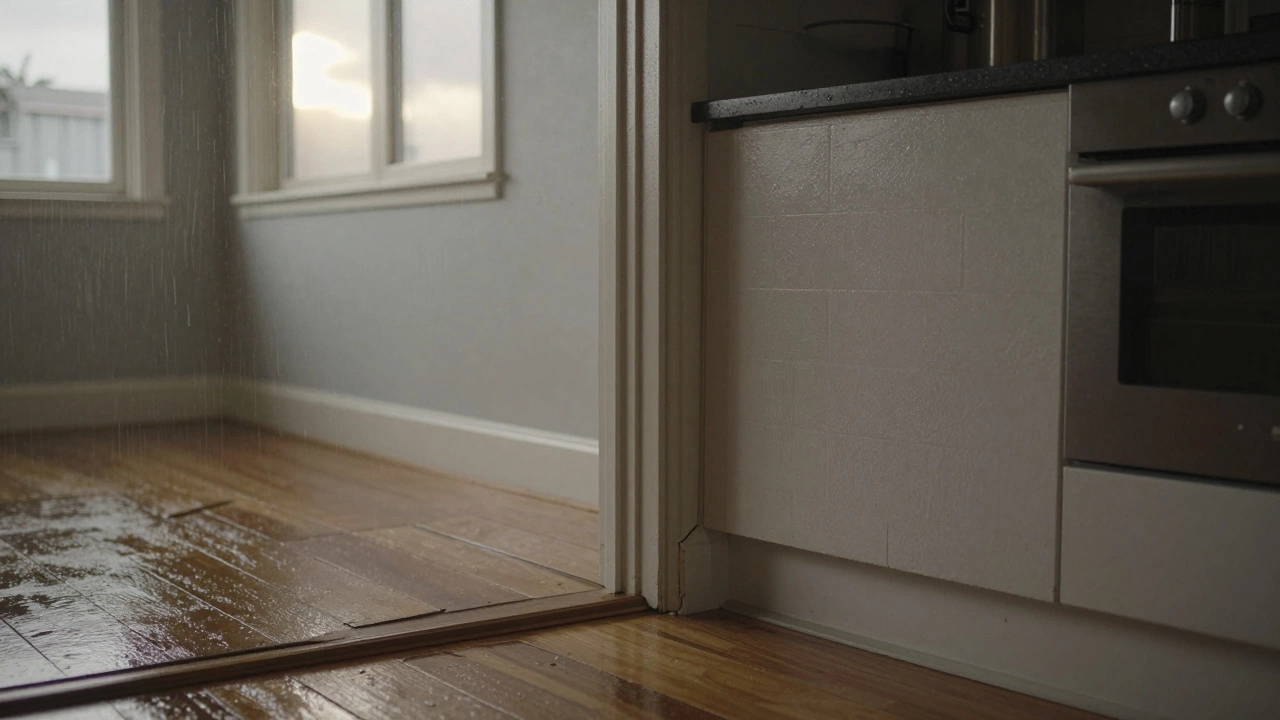
It’s a quiet Tuesday morning in Wellington. The rain has just stopped, and the sun is peeking through the clouds. You’re sipping coffee in your kitchen, and you notice something odd-the doorframe on the back bedroom is slightly crooked. A crack, thin as a hair, runs along the baseboard. You’ve lived here for 22 years. You thought your house was done settling. But now you’re wondering: can a house settle after 20 years?
The short answer? Yes. And it’s more common than you think.
Settlement Isn’t Just a New Build Problem
Most people assume that if a house has made it past its first five years without major cracks or sticking doors, it’s stable. That’s a myth. House settlement doesn’t stop after a few years. It slows down, sure-but it doesn’t vanish. The ground beneath your home is always moving. Rain, drought, freeze-thaw cycles, tree roots, even nearby construction can trigger new shifts. A house built in 2004 isn’t immune to movement in 2026. It’s still responding to the environment it sits in.
Think of your foundation like a mattress. When you first lay it down, it compresses under weight. That’s normal. But if the floor underneath it keeps shifting-maybe from water seeping into the soil, or a nearby tree growing roots-it’ll keep adjusting. That’s what happens to homes after two decades.
Why New Builds Settle Later Than You’d Expect
New builds are often marketed as ‘move-in ready’ with warranties that last 10 years. That’s great-but it doesn’t mean the house stops changing after that. The materials used in modern construction, like engineered wood, concrete slabs, and lightweight framing, are designed for efficiency. But they’re also more sensitive to moisture changes than old-school timber and brick.
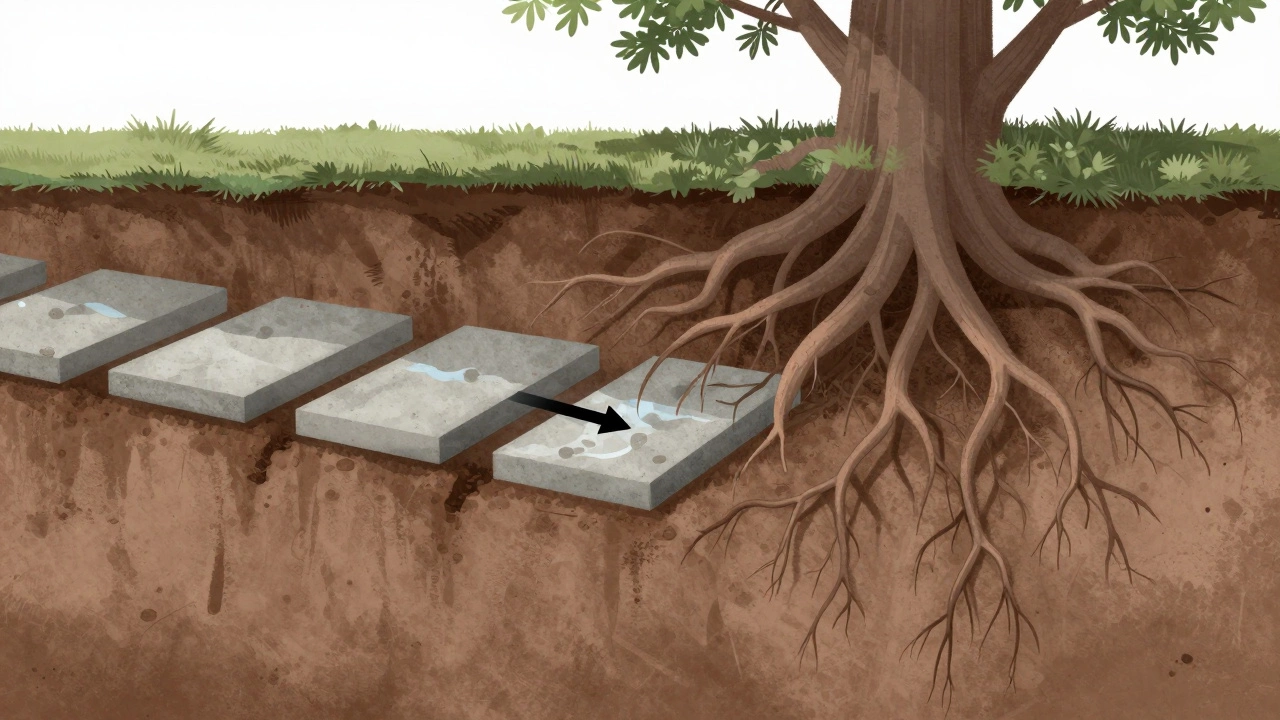
In New Zealand, where rainfall is heavy and soils are often clay-rich or volcanic, the ground swells when wet and shrinks when dry. A house built on expansive soil might settle unevenly during a long dry spell, even 15 years after construction. That’s not a defect-it’s physics.
A 2023 study by the New Zealand Building Performance Association tracked 427 homes built between 2001 and 2010. They found that 18% showed new signs of settlement between years 18 and 25. The most common triggers? Changes in drainage patterns, nearby tree removal, or extended droughts. One home in Porirua developed a 12mm differential settlement in year 21 after a neighbor cut down a large pohutukawa tree. The roots had been pulling moisture from the soil. When they were gone, the ground absorbed water unevenly-and the foundation shifted.
Signs Your House Is Settling (After 20 Years)
Not every crack means disaster. But here’s what to watch for:
- Doors or windows that suddenly stick, especially on one side of the house
- Cracks wider than 5mm that run diagonally from corners of windows or doors
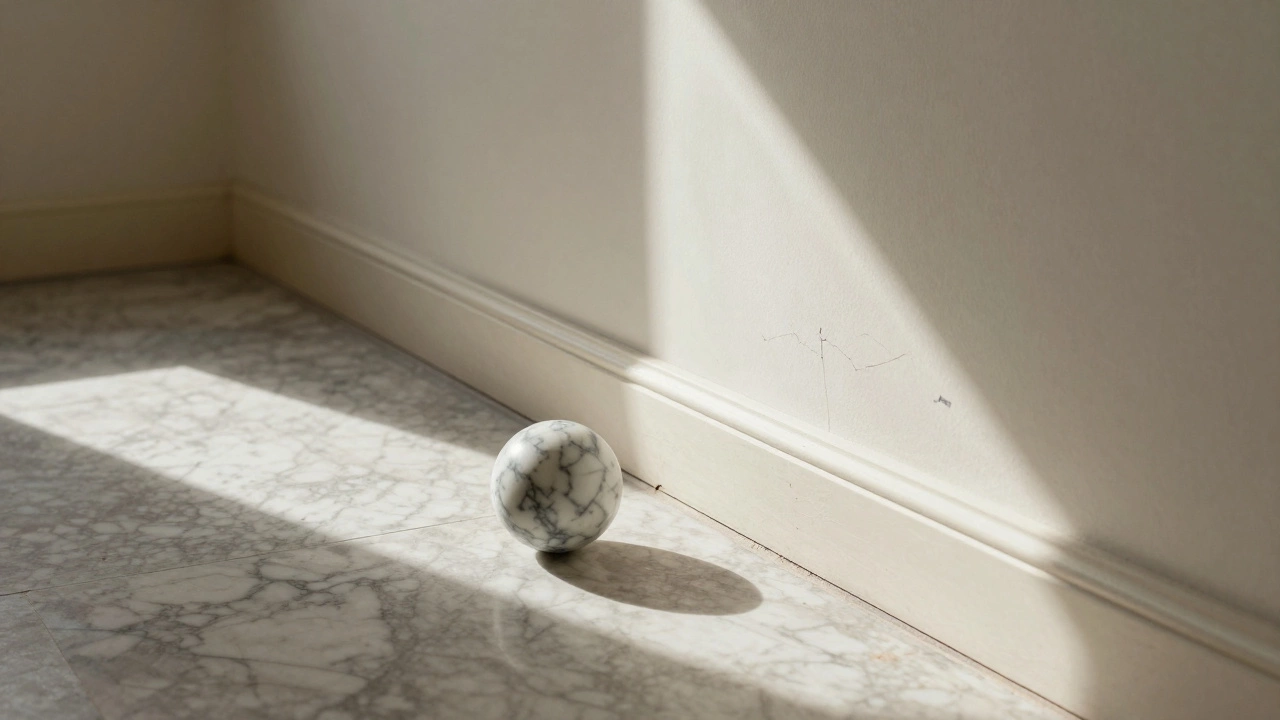
- Uneven floors-roll a marble across the hallway. If it rolls toward one wall, that’s a red flag
- Gaps between walls and ceilings, or between skirting boards and floors
- Cracks in brickwork or render that weren’t there before
- Sticking locks or misaligned door handles
If you see one or two of these, don’t panic. But if three or more show up, especially in multiple areas, it’s time to get a professional inspection.
What Causes Late Settlement? The Real Culprits
Most homeowners blame poor construction. But in most cases, the real issue is environmental change. Here’s what’s actually happening under your house:
- Soil moisture shifts: Clay soils expand when wet and shrink when dry. A 10-year drought followed by heavy rain can cause 15-25mm of movement in a foundation.
- Tree root decay: Trees planted near the house during construction may have died or been removed. As their roots rot, the soil loses structure and settles.
- Drainage changes: A new downpipe, garden irrigation, or even a neighbor’s regraded driveway can redirect water under your slab.
- Soil erosion: Wind or water can wash away fine particles beneath footings, especially on sloped sites.
- Ground vibration: Heavy traffic, construction, or even nearby train lines can cause slow, cumulative settling.
These aren’t signs of poor workmanship. They’re signs of time and nature working together.
What to Do If Your House Is Settling After 20 Years
First, don’t rush to fix it. Most minor settlement doesn’t require underpinning or major repairs. Here’s what actually helps:
- Monitor it. Mark the cracks with a pencil and take photos every 3 months. If they’re not growing, you’re fine.
- Check drainage. Make sure water flows away from the house. Clean gutters. Extend downpipes at least 1.5m from the foundation.
- Manage vegetation. Keep trees and large shrubs at least 3m from the house. If you’ve removed trees recently, monitor the area closely.
- Get a structural engineer’s report. Not a builder. Not a handyman. A licensed structural engineer. They’ll use laser levels, moisture meters, and soil tests to determine if movement is active or stable.
- Don’t panic over cosmetic fixes. Filling cracks with caulk won’t solve the problem. If the movement stops, paint over it. If it keeps moving, you’ll need structural solutions.
One homeowner in Lower Hutt had a 10mm differential settlement in year 23. The engineer found a broken stormwater pipe under the driveway. Fixing the leak and regrading the soil cost $3,200. No underpinning needed. The house hasn’t moved since.
When It’s Time to Worry
Settlement becomes dangerous when it’s uneven, ongoing, and affects load-bearing parts of the structure. Warning signs:
- Cracks wider than 10mm that are widening
- Visible separation between walls and ceilings
- Doors that won’t close at all
- Staircase or chimney pulling away from the house
- Significant tilting of the structure (more than 15mm over 3m)
If you see these, get help immediately. Left unchecked, uneven settlement can lead to structural failure. It’s rare-but it happens. Especially in older new builds with shallow footings or poor soil prep.
Prevention: What Builders Should Have Done
Good builders know this. They don’t just pour a slab and walk away. In Wellington, where the ground is volcanic and prone to shifting, best practices include:
- Soil compaction tests before pouring footings
- Drainage systems designed for 30+ year performance
- Using reinforced slabs or deep piers in high-risk zones
- Planting native, low-water trees at safe distances
- Providing homeowners with a settlement monitoring guide
Too many builders cut corners to save time. A $500 soil test can prevent a $50,000 repair later. If you’re buying a 20-year-old home, ask for the original geotechnical report. Most councils keep them on file.
What’s Normal? What’s Not
Let’s clear up the confusion. A house that settles 5-8mm over 20 years? Normal. A house that moves 20mm in 2 years? Not normal. The key is rate and pattern.
Think of it like aging. Your body changes slowly over time. So does your house. You don’t need to fix every wrinkle. But if your knee starts locking up, you see a doctor.
Same here. Minor settling? Manage it. Rapid or uneven movement? Investigate it.
Final Thought: Your House Is Still Alive
A house isn’t a static object. It’s a living system-responding to weather, soil, water, and time. A 22-year-old home isn’t ‘old’-it’s experienced. And like any experienced thing, it needs attention, not fear.
Don’t panic at the first crack. But don’t ignore it either. Pay attention. Monitor. Understand. And if you’re unsure, get a professional to look. Most of the time, it’s nothing. But sometimes, catching it early saves you thousands-and keeps your home safe for another 20 years.