
Can Foundation Repair Cause More Damage? What You Need to Know Before Starting
 Jan, 25 2026
Foundation Repair Risk Assessment Tool
Assess Your Foundation Repair Risk
Find out if the repair method you're considering is likely to cause more damage to your home.
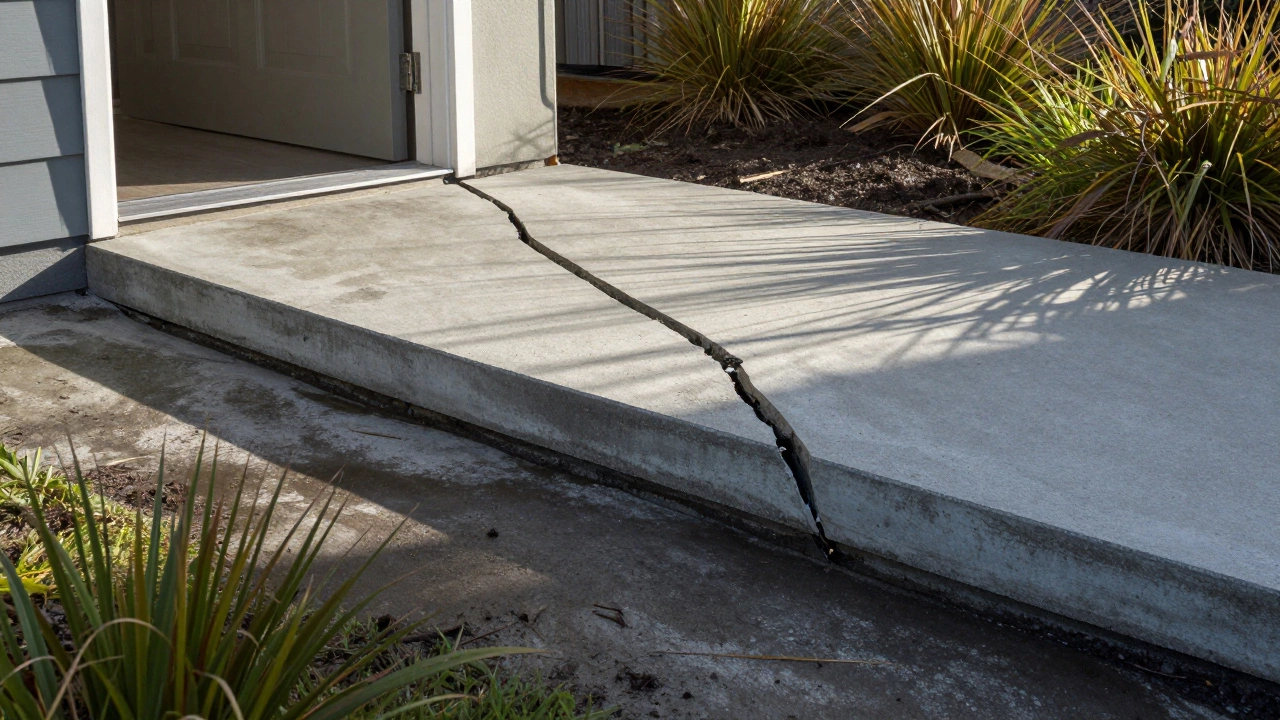
When your house starts showing cracks in the walls, doors that stick, or floors that slope, it’s natural to panic. Foundation repair seems like the obvious fix - but what if the repair itself makes things worse? You’ve probably heard stories: someone called in a contractor, paid thousands, and ended up with bigger cracks, new leaks, or even a house that shifted even more. It’s not just fearmongering. Foundation repair can cause more damage - and it happens more often than most homeowners realize.
Why Foundation Repair Goes Wrong
Not all foundation problems are the same. Some are caused by soil that expands when wet, others by poor drainage, tree roots, or even old, crumbling concrete. The mistake isn’t always the homeowner - it’s often the contractor who skips the diagnosis and jumps straight to the solution.
Take slab foundations, common in New Zealand homes built after the 1980s. If the soil beneath is clay-heavy - which it often is in Wellington - it swells when wet and shrinks when dry. A contractor might assume the foundation has settled and install push piers to lift it. But if the real issue is seasonal moisture changes, lifting the slab without fixing the drainage will just set up a cycle: lift, then sink again, then lift again. Each time, the concrete fractures a little more.
Or consider pier-and-beam foundations. If a contractor uses undersized steel piers or doesn’t account for load distribution, you might end up with one corner of the house raised too high. That puts stress on walls, windows, and even plumbing lines. I’ve seen homes where the repair fixed the slope but broke the sewer line because the pipe wasn’t re-aligned after the lift.
The Most Common Repair Methods - and Their Hidden Risks
There are three main ways foundations get repaired: slab jacking, pier installation, and underpinning. Each has its own failure points.
- Slab jacking involves pumping a cement-like grout under the slab to lift it. The risk? The grout can flow unevenly, creating voids elsewhere. If the soil is loose or wet, the grout can wash away over time, leaving the slab unsupported again.
- Steel push piers are driven deep into stable soil layers. But if the installer doesn’t test the soil properly - or uses cheap, thin-walled pipes - the piers can buckle under load. I’ve seen piers snap during installation, forcing a second repair at double the cost.
- Helical piers screw into the ground like giant corkscrews. They’re less invasive, but if installed too close to existing footings, they can destabilize the original structure. In Wellington’s hilly suburbs, where houses sit on steep slopes, improper helical pier placement has caused entire sections of homes to slide.
And then there’s the problem of over-repair. Some contractors will recommend lifting a house 2 inches when only half an inch was needed. That might sound harmless, but concrete doesn’t flex. Every millimeter you lift without controlling the stress can cause new cracks - especially around windows and door frames.
What Makes a Repair Safe - and What Doesn’t
The difference between a repair that fixes the problem and one that makes it worse comes down to three things: diagnosis, materials, and technique.
First, diagnosis. A good contractor will spend at least half a day inspecting the site. They’ll check the soil type, moisture levels, drainage patterns, and even the history of the house. Did the problem start after a heavy rain? After a new tree was planted? After a neighbor’s excavation? These clues matter. If they just show up with a measuring tape and say, “Yep, foundation’s sunk,” walk away.
Second, materials. Not all grout is the same. Not all steel is equal. Reputable companies use ASTM-certified materials and provide documentation. Ask to see the product specs. If they hesitate, or say, “We use the same stuff everyone does,” that’s a red flag.
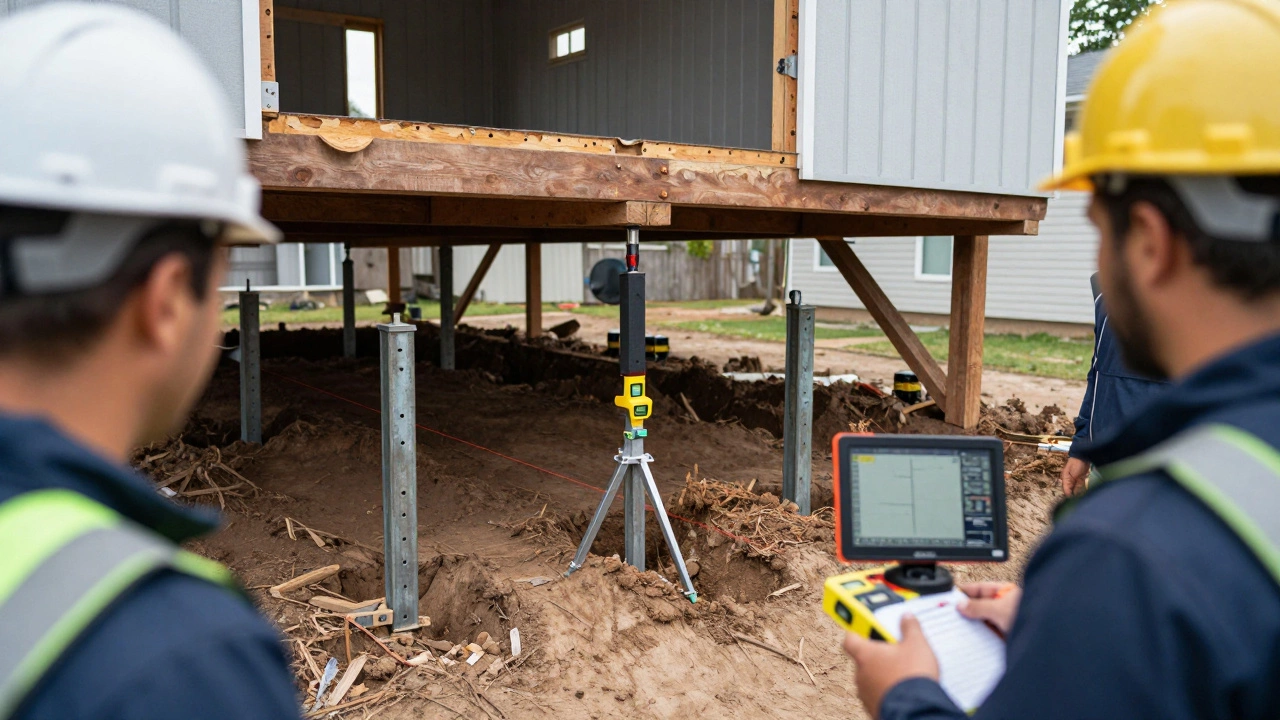
Third, technique. Proper foundation repair isn’t just about lifting. It’s about controlling how the load moves. The best crews use laser levels, real-time monitoring, and incremental lifts - sometimes raising a house by 1/16 of an inch per day. Rushing it causes stress fractures. Waiting too long between lifts lets the soil readjust unpredictably.
Signs Your Foundation Repair Went Wrong
How do you know if the repair made things worse? Look for these red flags:
- New cracks appearing after the repair - especially diagonal cracks near windows or corners
- Doors or windows that were fixed, but now won’t close at all
- Water pooling in new places after drainage was supposedly fixed
- Uneven floors that got worse, not better
- The contractor disappears after payment
One homeowner in Miramar had her foundation lifted in 2023. The cracks closed. She was happy. Six months later, her kitchen floor tilted the other way. A second inspector found the piers had been installed on unstable fill soil - the same soil that caused the original problem. The repair didn’t fix the root cause. It just moved the damage.
How to Avoid Making It Worse
You can’t eliminate risk entirely - but you can cut it by 80% with these steps:
- Get at least three written assessments from different companies. Don’t just get quotes - ask for detailed reports with photos and soil analysis.
- Check if they’re licensed by the New Zealand Building Practitioners Board. Look up their registration number online.
- Ask for references from jobs done in the last two years. Call them. Ask: “Did the repair fix the problem - or create new ones?”
- Insist on a written warranty that covers both the work and any new damage caused by the repair. Most reputable companies offer 5-10 year warranties.
- Don’t pay more than 30% upfront. Payment should be tied to milestones - not the start date.
Also, don’t rush. If a contractor says they can fix your foundation in two days, they’re either lying or cutting corners. Real foundation work takes time. It’s not a plumbing job. It’s structural surgery.
When to Walk Away
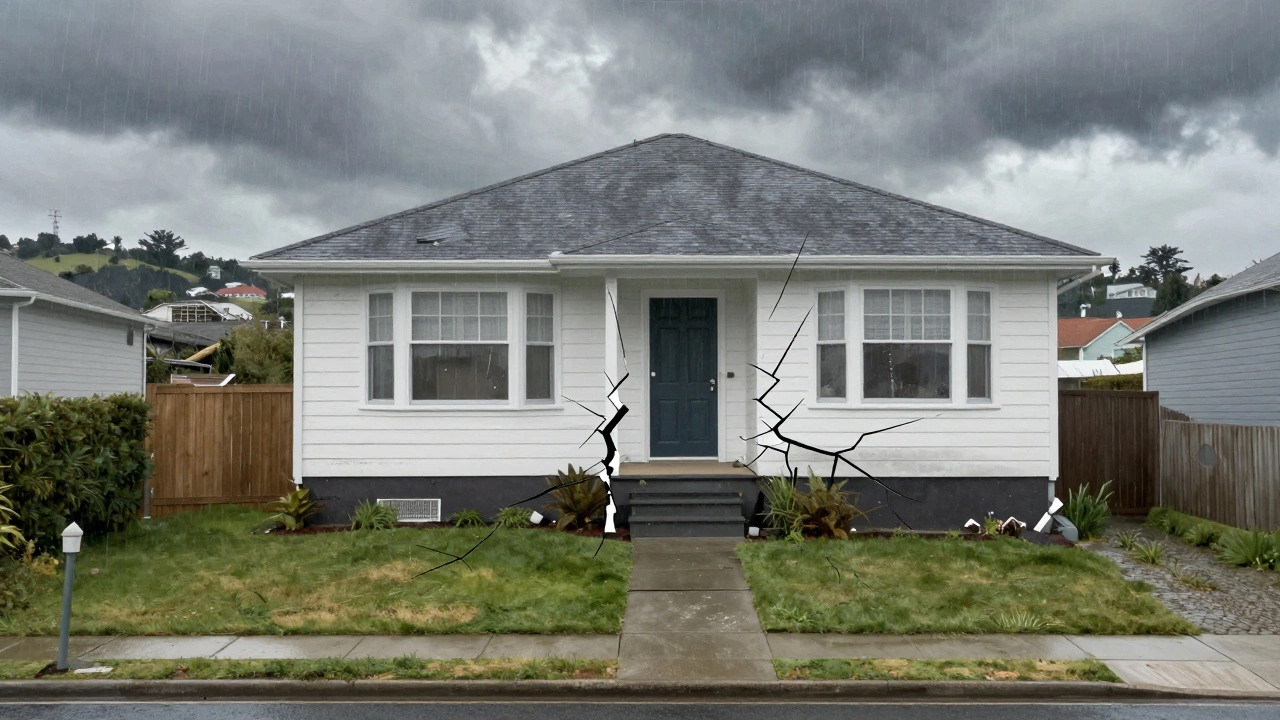
Some red flags are deal-breakers:
- No written report or soil analysis
- They refuse to show you their license or insurance
- They pressure you to sign on the spot
- They offer a “discount” if you pay cash
- They claim their method is “the only one that works”
These aren’t just warning signs - they’re signs of scams. Foundation repair is a regulated industry in New Zealand. If a company is avoiding the rules, they’re not trying to help. They’re trying to take your money.
What Happens If You Do Nothing?
Some people think, “If the repair might make it worse, maybe I should just wait.” But ignoring foundation issues is like ignoring a broken leg. It won’t heal on its own. Over time, the damage spreads. Walls crumble. Pipes burst. Mold grows. The value of your home drops. And when you finally sell, you’ll pay more in repairs and disclosure penalties than you would’ve spent fixing it properly.
The goal isn’t to avoid repair. It’s to avoid bad repair. The right fix, done right, can add decades to your home’s life. The wrong one? It can turn your biggest investment into a liability.
Final Thought: It’s Not About the Fix - It’s About the Process
Foundation repair isn’t magic. It’s science. It’s engineering. It’s patience. The best contractors don’t sell you a solution. They explain the problem - in plain language - and give you options. They show you the data. They let you decide.
If someone talks like they’re selling a car, walk away. If they talk like they’re treating your home like a patient - with care, caution, and clarity - you’ve found the right person.
Can foundation repair cause more damage?
Yes, foundation repair can cause more damage if it’s done poorly. Common mistakes include using the wrong method for your soil type, lifting too fast or too much, installing substandard materials, or ignoring the root cause like poor drainage. These errors can create new cracks, misalign walls, break pipes, or destabilize the structure further.
What are the signs that a foundation repair went wrong?
Signs include new cracks appearing after the repair, doors or windows that won’t close properly, uneven floors that got worse, water pooling in new areas, or the contractor disappearing after payment. If your home looks worse after the work than before, it’s likely the repair caused additional damage.
How do I choose a reliable foundation repair contractor?
Get at least three detailed assessments from licensed contractors. Ask for soil reports, photos of past jobs, and references. Check their registration with the New Zealand Building Practitioners Board. Avoid anyone who pressures you to sign immediately, refuses to show insurance, or offers discounts for cash payments. A trustworthy contractor explains the problem clearly and gives you time to decide.
Is it better to repair a foundation or sell the house?
It depends on the severity and cause of the damage. Minor, well-diagnosed issues can be fixed affordably and increase your home’s value. Major, recurring problems - especially those tied to unstable soil or poor drainage - may be too costly or risky to fix. If repairs are estimated at more than 30% of your home’s value, or if multiple contractors say it’s a lost cause, selling might be the smarter financial move.
How long does a proper foundation repair take?
A proper foundation repair takes between 3 days and 3 weeks, depending on the method and size of the home. Slab jacking might take 1-2 days, but only if the soil is stable. Pier installation can take a week or more, especially if multiple piers are needed. Rush jobs - under 48 hours - are almost always a bad sign. Good repairs are slow, controlled, and monitored.
Will my insurance cover foundation repair?
Most standard home insurance policies in New Zealand do not cover foundation repair caused by gradual soil movement, poor drainage, or aging. Coverage usually only applies if the damage resulted from a sudden event like an earthquake, flood, or burst pipe. Check your policy wording carefully. Many homeowners assume they’re covered - only to find out too late that their claim was denied.
Foundation repair isn’t a gamble. It’s a decision that needs facts, not fear. Do your homework. Ask the hard questions. And never let someone rush you into a fix that could cost you more than you saved.