
Does Insurance Cover Structural Damage? What Homeowners in New Zealand Need to Know
 Dec, 1 2025
Structural Damage Coverage Calculator
See if your structural damage is likely covered by insurance. This tool is based on New Zealand home insurance policies.
Key factors:
This tool is for informational purposes only. For official coverage, always review your policy and consult your insurer.
When you notice cracks in your walls, doors that won’t close, or floors that slope like a hill, it’s easy to panic. That’s not just wear and tear - it’s structural damage. And if you’re asking, does insurance cover structural damage? The answer isn’t simple. It depends on what caused it, when it happened, and what your policy actually says.
In New Zealand, most standard home insurance policies don’t automatically cover structural damage. That’s a surprise to many homeowners. You might think your policy protects your house from everything, but insurance companies draw sharp lines between sudden disasters and slow, creeping problems. Foundation damage often falls into the gray zone - and that’s where people get stuck.
What Counts as Structural Damage?
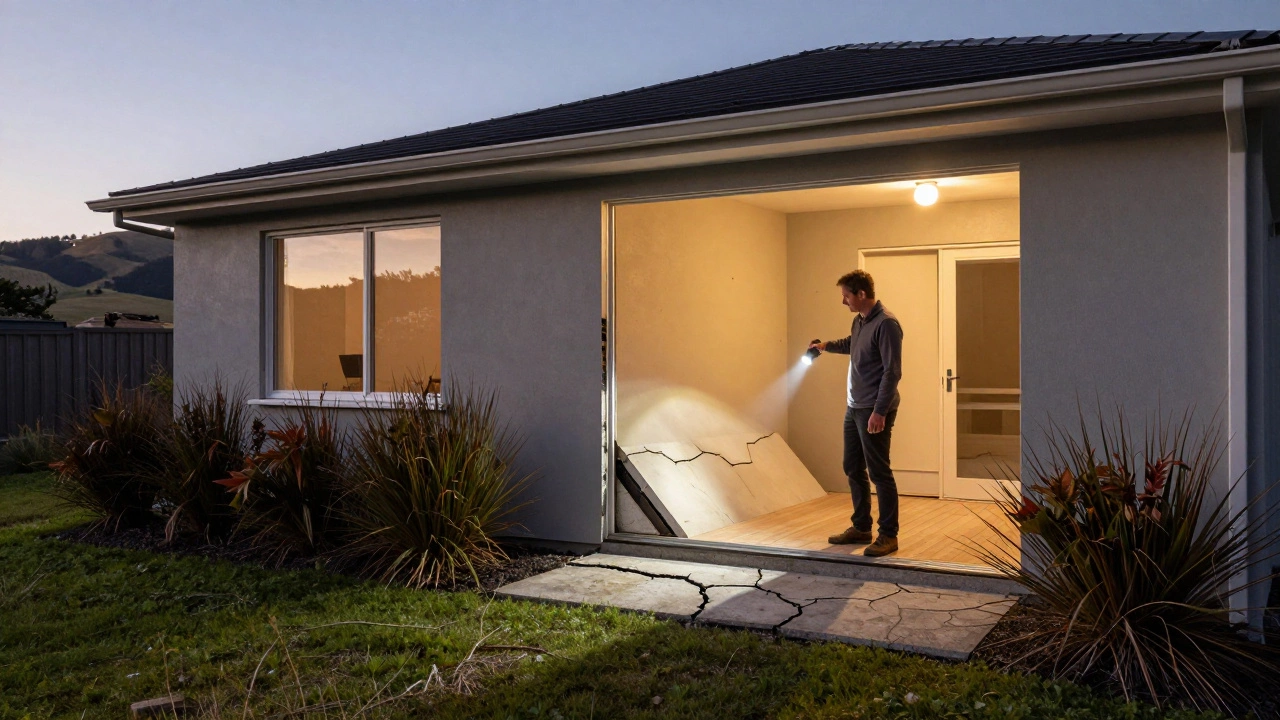
Structural damage means harm to the parts of your home that hold it up. That includes the foundation, load-bearing walls, beams, roof trusses, and footings. It’s not about a cracked tile or a leaky faucet. It’s when the actual skeleton of your house is compromised.
Common signs include:
- Horizontal or stair-step cracks in brickwork or concrete foundations
- Doors and windows that stick or won’t latch
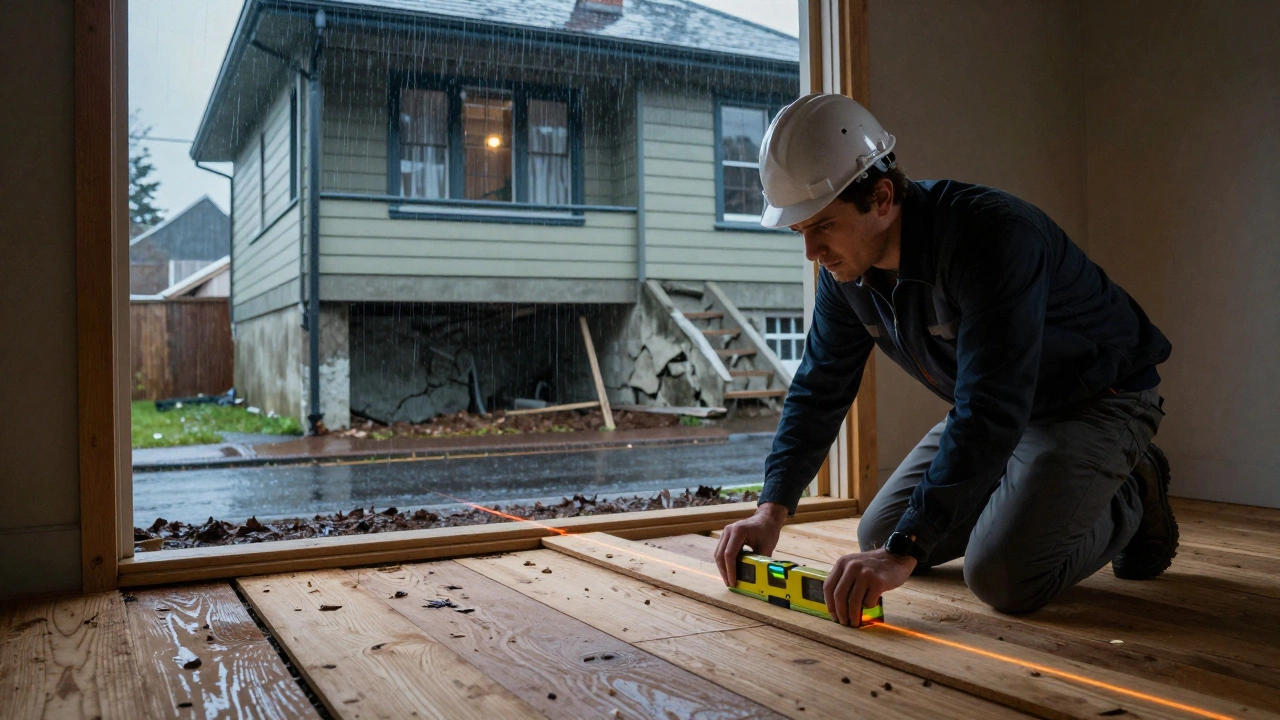
- Uneven floors, especially in older homes
- Gaps between walls and ceilings
- Cracks in the driveway or patio that line up with cracks in the house
If you see any of these, don’t wait. A small crack today can turn into a $50,000 repair tomorrow. But before you call a contractor, check your insurance.
When Insurance Might Cover It
Insurance will usually pay for structural damage only if it was caused by a sudden, accidental event covered under your policy. Think of it like this: insurance protects you from surprises, not from neglect.
Here are the most common scenarios where coverage kicks in:
- Earthquake damage - if you have earthquake insurance (which is separate in NZ)
- Storm or flood damage - if water rushed in during a cyclone or river overflow and weakened your foundation
- Fire or explosion - if a gas leak or electrical fault caused structural collapse
- Tree impact - if a large tree fell on your house during high winds
- Subsidence from burst pipes - if a hidden pipe burst and eroded soil under your footings
For example, in 2023, a homeowner in Lower Hutt had their foundation cracked after a storm flooded their yard. The water pooled for days, softening the clay soil beneath their house. Their insurer paid for repairs because the cause was a covered event - heavy rainfall leading to sudden ground movement.
But if that same damage happened over three years because a gutter was clogged and water slowly seeped into the soil? That’s not covered.
When Insurance Won’t Cover It
Most structural damage claims get denied because the cause falls under one of these exclusions:
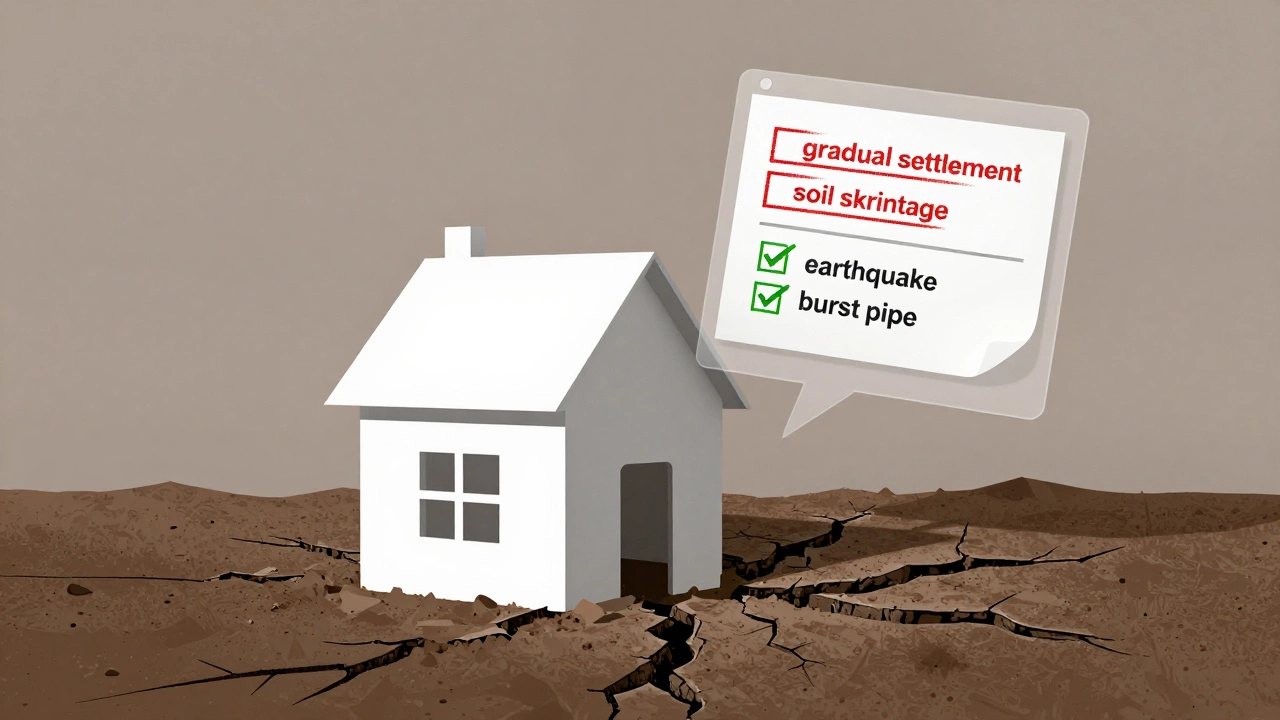
- Gradual deterioration - foundations settle over time. That’s normal. Insurance doesn’t pay for aging.
- Poor maintenance - if you ignored leaking pipes, cracked gutters, or poor drainage for years, insurers will say you caused it.
- Soil movement from drought or clay shrinkage - common in Wellington’s hilly suburbs. If the ground dried out and pulled away from your foundation, that’s usually excluded.
- Pre-existing damage - if the foundation was already cracked before you bought the house, it’s not covered.
- Subsidence from nearby construction - if the new apartment down the road changed the water table, your insurer won’t pay.
One client in Karori had a $40,000 repair bill after their foundation sank. They’d noticed a small crack two years earlier but thought it was just settling. When they claimed, the insurer sent an engineer who found evidence of slow movement over 18 months. Claim denied.
Earthquake Insurance - The Big Exception
In New Zealand, standard home insurance doesn’t include earthquake coverage. You need to buy it separately, usually through the Earthquake Commission (EQC) or a private insurer.
EQC covers up to $100,000 for structural damage from earthquakes, landslides, and other natural ground movements - but only if your home is in a qualifying area and you’re within the policy limits. They’ll pay for repairs to foundations, walls, and floors damaged by shaking or liquefaction.
Private insurers often offer top-up cover beyond EQC limits. If you live near the Wellington fault line or in a coastal area prone to liquefaction, this isn’t optional - it’s essential.
Important: EQC doesn’t cover damage from gradual soil movement, even if it’s linked to tectonic activity. Only sudden shaking counts.
What to Do If You Suspect Structural Damage
Don’t guess. Don’t wait. Don’t post a photo on Facebook and hope someone knows what it means.
Here’s your step-by-step:
- Document everything - Take clear photos and videos of cracks, gaps, and movement. Date them.
- Stop any water leaks - Fix dripping pipes, unclog gutters, redirect downspouts. Water is the #1 cause of foundation problems.
- Call a structural engineer - Not a builder. Not a foundation repair company. An independent engineer. They’ll write a report that insurers actually respect.
- Review your policy - Look for sections on “gradual damage,” “earth movement,” and “exclusions.” If you’re confused, call your insurer and ask for a written explanation.
- Submit a claim - Only if your engineer’s report points to a covered event. Don’t submit a claim for “settling” - it’ll be denied and may hurt future claims.
Many homeowners skip the engineer and go straight to a foundation repair company. Those companies often offer free inspections - but they’re trying to sell you a job. Their report isn’t neutral. Insurers won’t accept it.
How to Avoid Structural Damage in the First Place
Prevention is cheaper than insurance claims. Here’s what works in New Zealand homes:
- Keep gutters clean - Clogged gutters cause water to spill over and soak your foundation. Do it twice a year.
- Grade soil away from your house - The ground should slope down at least 1 inch per foot for the first 6 feet.
- Fix leaks fast - A dripping tap under the house can rot timber and wash away soil.
- Install drainage systems - French drains or swales help divert water away from foundations in wet areas like Miramar or Porirua.
- Get a pre-purchase inspection - If you’re buying a house, pay for a structural report. It’s $500 now or $50,000 later.
Homeowners in Wellington who follow these steps see 70% fewer foundation claims over 10 years, according to a 2024 study by the New Zealand Home Builders Association.
Common Myths About Insurance and Foundation Damage
Let’s clear up some misinformation:
- Myth: “My policy covers all damage to my house.” Truth: No. Most exclude gradual damage, soil movement, and wear and tear.
- Myth: “If it happened after I bought the house, it’s covered.” Truth: If it started before you moved in, insurers can deny it.
- Myth: “I have earthquake insurance, so I’m covered.” Truth: EQC only pays for sudden shaking. Slow sinking? Not covered.
- Myth: “I’ll just fix it myself.” Truth: DIY foundation repairs often make things worse. Improper underpinning can crack walls or tilt the whole house.
What to Do If Your Claim Is Denied
If your insurer says no, don’t give up. You have options:
- Request a written explanation - They must tell you exactly which policy clause denies your claim.
- Get a second opinion - Hire another engineer. Sometimes the first report missed something.
- File a complaint with the Financial Dispute Resolution Service (FDRS) - Free, independent, and handles 80% of insurance disputes in NZ.
- Check for hidden coverage - Some policies include “sudden and accidental” water damage even if they exclude gradual leaks.
In 2024, a homeowner in Hutt Valley had their claim denied because the insurer claimed the damage was “gradual.” But the engineer’s report showed a burst pipe under the slab - a sudden event. After FDRS got involved, the insurer paid $38,000.
Does home insurance in New Zealand cover foundation cracks?
Only if the cracks were caused by a sudden, covered event like an earthquake, storm, or burst pipe. Cracks from gradual settling, poor drainage, or soil drying out are almost always excluded. Always get a structural engineer’s report before claiming.
Is foundation repair covered by EQC?
EQC covers foundation damage caused by earthquakes, landslides, or liquefaction - but only up to $100,000. It doesn’t cover damage from slow soil movement, drought, or poor maintenance. You need separate insurance for extra coverage.
How much does foundation repair cost in New Zealand?
Costs range from $15,000 for minor underpinning to $80,000+ for full foundation replacement. In Wellington, where soil is clay-heavy and slopes are steep, repairs often cost more than in flat areas like Christchurch.
Can I claim for foundation damage if I bought the house recently?
Yes - but only if the damage occurred after you took ownership and was caused by a covered event. If the damage existed before you bought the house, your insurer can deny the claim based on pre-existing conditions. That’s why a pre-purchase structural report is critical.
What’s the biggest mistake homeowners make with foundation claims?
Waiting too long. Foundation damage gets worse over time. The longer you wait, the more expensive the repair - and the more likely your insurer will say it was gradual, not sudden. If you see cracks, act within weeks, not months.
Final Thoughts
Insurance doesn’t exist to fix what you ignored. It’s there to help you recover from things you couldn’t prevent - like a storm, an earthquake, or a burst pipe. Structural damage from neglect? That’s your responsibility.
Know your policy. Know your soil. Know your house. If you live in Wellington or any area with clay soil or steep terrain, foundation issues aren’t rare - they’re expected. The smart homeowners are the ones who inspect, maintain, and document - not the ones who wait for disaster and then blame their insurer.
When in doubt, get an engineer’s report. It’s the only thing that gives you a fighting chance with your insurance company - and it might save you tens of thousands of dollars in the long run.