
How Many Days Does It Take to Renovate a House? Real Timelines for Common Projects
 Dec, 18 2025
Renovation Timeline Calculator
Calculate Your Renovation Timeline
Based on 2025 industry data, we calculate your project's expected timeline with a 15-20% buffer for delays.
Estimated Timeline
Key Factors to Consider
- 1 Permits can take 2-6 weeks
- 2 Inspections may create 1-3 week delays
- 3 Unforeseen damage affects 40% of projects
- 4 Material delays average 8-12 weeks for custom items
There’s no one-size-fits-all answer to how long a house renovation takes. A small bathroom upgrade might wrap up in under two weeks. A full gut renovation could stretch past six months. The real question isn’t just about days-it’s about what you’re changing, how many people are working, and what surprises show up when the walls come down.
What Drives the Timeline?
Renovation time isn’t just about how much you’re tearing out. It’s about the hidden work behind the scenes. Plumbing, electrical, and structural changes add days you can’t see until they’re done. A simple paint job? That’s maybe five days. But if you’re moving a load-bearing wall, you’re looking at permits, engineering plans, and structural support before the drywall even goes up.
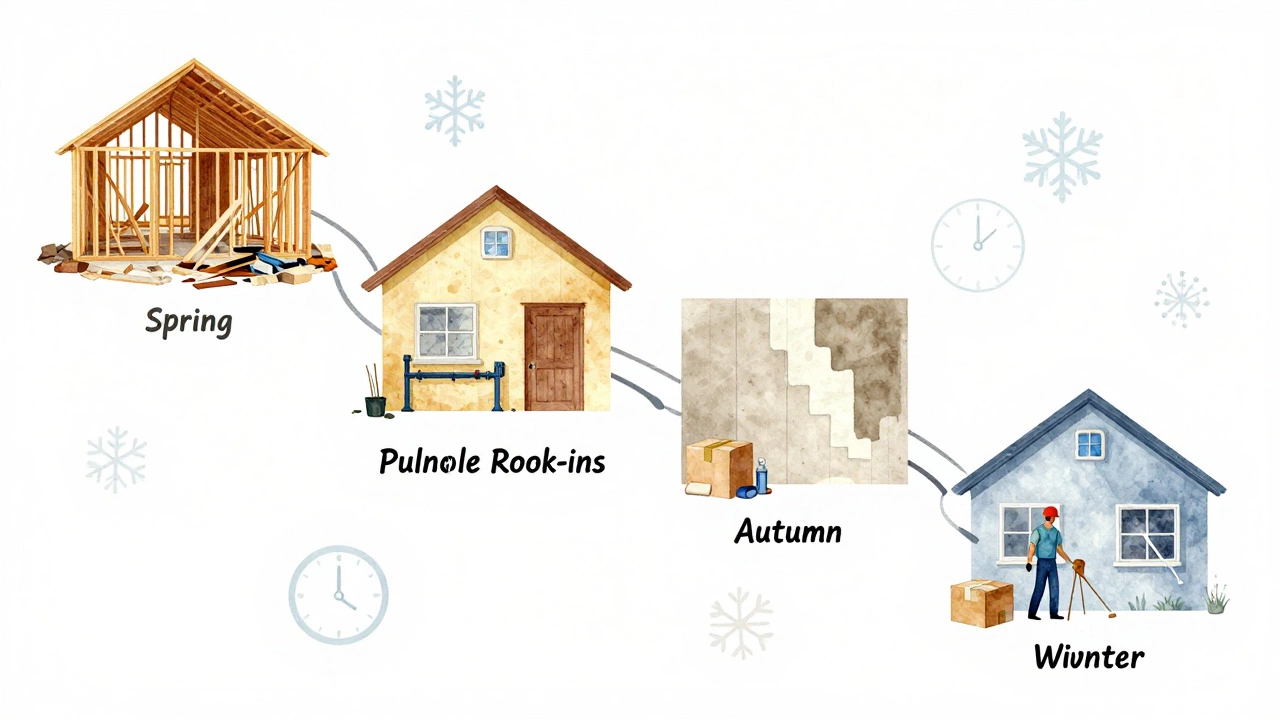
Weather matters too. If you’re replacing windows in January and it snows, the installers can’t work. Delays pile up fast when materials are backordered-especially with cabinets, custom tiles, or specialty fixtures. A 2024 survey by the National Association of Home Builders found that 68% of homeowners experienced at least one material delay during their renovation.
Typical Renovation Timelines by Project Type
Here’s what real projects look like, based on data from contractors across the U.S. in 2025:
- Bathroom remodel (minor): 10-14 days. This means swapping out fixtures, retiling the shower, and repainting. No moving plumbing lines.
- Bathroom remodel (full): 20-30 days. Moving toilets, relocating sinks, adding a new window, or upgrading to a steam shower adds weeks.
- Kitchen remodel (basic): 30-45 days. New cabinets, countertops, and appliances-with existing layout. No structural changes.
- Kitchen remodel (full gut): 60-90 days. Moving walls, rerouting gas and water lines, adding an island, upgrading electrical. This is where delays happen.
- Basement finish: 45-75 days. Framing, insulation, drywall, flooring, lighting, and maybe a bathroom. Permits and inspections add buffer time.
- Whole-house renovation: 4-8 months. Everything gets torn out. New roof, windows, HVAC, plumbing, electrical, flooring, paint. You’re essentially rebuilding inside the shell.
These numbers assume a crew of 3-5 people working full-time, no major structural issues, and materials delivered on schedule. If your house was built in the 1950s and you find asbestos insulation behind the kitchen cabinets? That adds 10-14 days for safe removal and disposal.
What Slows Things Down?
Most homeowners think the work itself takes the longest. It’s not. It’s the waiting.
- Permits: In many cities, getting a permit for electrical or structural work takes 2-6 weeks. Some towns have online systems that approve in 3 days. Others require in-person appointments months out.
- Inspections: After each phase-framing, plumbing, electrical-you need an inspector to sign off. If they’re busy, you wait. One inspector in Austin, Texas, had a 3-week backlog in early 2025.
- Material delays: Custom cabinetry? That’s 8-12 weeks from order to delivery. If you wait until the demo is done to pick your tile, you’ve already lost 3 weeks.
- Unforeseen damage: Water leaks behind walls, rotting floor joists, outdated wiring that doesn’t meet code-these aren’t rare. About 40% of renovations uncover hidden problems.
One homeowner in Ohio thought her 6-week kitchen remodel would be done by Thanksgiving. She found mold under the sink on day three. The contractor had to tear out the entire back wall. It took 11 extra weeks to fix.
How to Keep Your Project on Track
You can’t control everything-but you can control your planning.
- Choose materials early. Pick your cabinets, flooring, fixtures, and lighting before demolition starts. Lock in the orders. Don’t wait until the crew is ready to install.
- Get permits before signing contracts. Ask your contractor to include permit timelines in the proposal. If they say it’ll take 2 weeks, ask for proof they’ve done it in that time before.
- Build in a 15-20% buffer. If you think it’ll take 60 days, plan for 72. That buffer covers weather, material delays, or a plumbing issue you didn’t know about.
- Don’t change your mind mid-project. Switching from white quartz to black granite after cabinets are ordered? That’s a 3-week delay and $2,000 extra.
- Communicate weekly. Set a fixed day-every Monday-to talk to your contractor. Don’t wait for problems to blow up.
When to Expect the Worst
Some projects are just slow by nature. If you’re doing any of these, prepare mentally:
- Adding a second story: 6-9 months. You’re not just renovating-you’re structurally modifying the entire foundation and roof.
- Historic home restoration: 8-18 months. You’re required to match original materials, which are often custom-made. Permits are stricter. Inspections are more detailed.
- Multi-room remodel with new HVAC: 4-7 months. You can’t just upgrade the furnace-you need to re-route ducts, adjust vents, and balance airflow across the whole house.
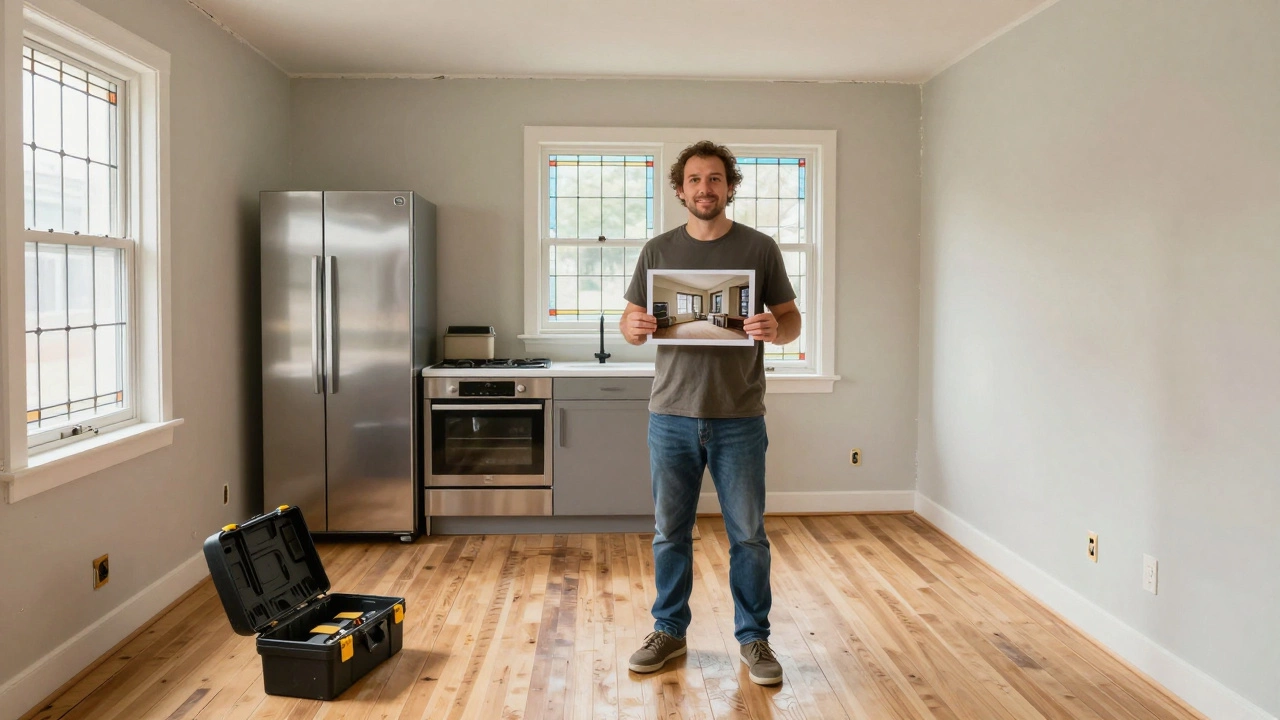
One family in Portland spent 11 months renovating their 1920s bungalow. They kept the original wood floors, restored the stained glass windows, and added a modern kitchen. It cost twice as much as planned-but they still say it was worth every day.
What Happens After the Work Ends?
Just because the last nail is hammered doesn’t mean you’re done. There’s cleanup, final inspections, punch lists, and sometimes a waiting period for paint to fully cure or grout to set.
Most contractors will do a walkthrough 3-5 days after completion. They’ll fix any scratches, loose handles, or uneven tiles. But if you wait too long to report an issue, they might say it’s your fault. Document everything with photos.
And don’t forget the little things: resetting your smart thermostat, reprogramming the garage door opener, rehanging curtains. These take time too.
Bottom Line: Plan for More Than You Think
Most people underestimate how long renovations take. The average homeowner thinks a kitchen remodel will take 6 weeks. The reality? It’s closer to 10-12.
If you’re planning a renovation in 2025, here’s the smart way to think about it:
- Small updates (paint, fixtures, lighting): 1-3 weeks
- Mid-size projects (bathroom, kitchen): 6-12 weeks
- Full-house or structural changes: 4-8 months
And always assume something will go wrong. It’s not a matter of if-it’s when. The best renovations aren’t the fastest. They’re the ones where you planned for the mess, the delays, and the surprises.
Can I live in my house during a renovation?
Yes, but it depends on the scope. A single bathroom remodel? You can usually manage with a portable toilet and temporary kitchen setup. A full kitchen or whole-house renovation? It’s messy, dusty, and stressful. Most professionals recommend renting a temporary space for 2-3 months if you’re doing a full gut. If you stay, seal off the work area with plastic sheeting, use air purifiers, and expect dust in every room-even if the door is closed.
Why does my renovation take longer than the contractor’s estimate?
Contractors often give optimistic timelines based on ideal conditions: no delays, no surprises, perfect weather, and materials arriving on time. Real life isn’t ideal. Permits get delayed. Materials are backordered. Hidden damage is found. A good contractor will give you a range-not a single date. If they promise exact completion, ask how much buffer they built in. If they say none, be wary.
Is it faster to renovate in the winter?
It can be, if you’re not doing outdoor work. Winter is typically slower for contractors, so you might get better availability and faster scheduling. But if you’re replacing windows or roofing, cold weather can delay installation. Contractors avoid working in freezing temps because sealants won’t cure properly. Interior work like drywall, painting, and cabinetry can actually go faster in winter since humidity is lower and doesn’t affect drying times.
How do I know if my contractor is moving too slowly?
Track progress weekly. If your project is supposed to take 8 weeks and after 4 weeks you’ve only done demo and no framing, that’s a red flag. Ask for a daily work log. A good contractor will show you what’s done, what’s next, and what’s delayed. If they can’t explain delays or avoid answering, it’s time to have a serious talk. Most delays aren’t the contractor’s fault-but silence is.
Do I need a permit for every renovation?
Not every project needs one, but most structural, electrical, plumbing, or HVAC changes do. Painting, replacing flooring, or swapping out light fixtures usually don’t. But if you’re moving a wall, adding a bathroom, or upgrading your electrical panel-you need a permit. Skipping permits can cause problems when you sell. Buyers’ inspectors will catch it. You might have to tear out work or pay fines. Always check with your local building department before starting.
Next Steps
Before you sign a contract, ask your contractor for a written timeline with milestones. Break it down by week: demo complete by Week 2, framing done by Week 4, inspections scheduled for Week 6. Put it in writing.
Then, add 15% to every number. That’s your real timeline.
And remember: the goal isn’t to finish fast. It’s to finish right. A renovation that takes longer but is done well lasts decades. One rushed through to meet a deadline? That’s the one you’ll be fixing again in five years.