
Is $10,000 Enough for a Kitchen Remodel in 2025?
 Dec, 1 2025
Kitchen Remodel Budget Calculator
Your Kitchen Selections
Results
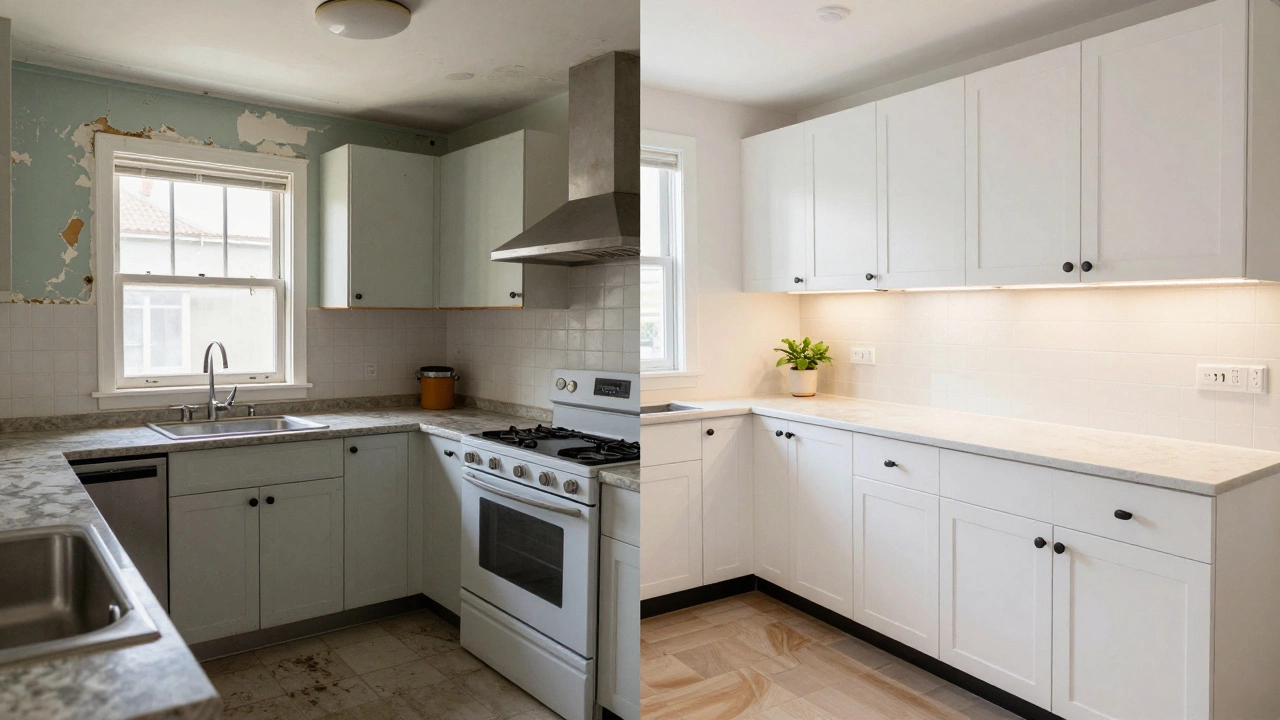
Can you really turn a tired kitchen into something modern and functional with just $10,000? In 2025, the answer isn’t a simple yes or no-it depends on what you’re willing to compromise on, where you live, and how smart you are about spending. For many homeowners in places like Wellington, $10,000 is tight but doable if you know where to cut corners and where to spend wisely.
What $10,000 Can Actually Buy in a Kitchen Remodel
A $10,000 budget won’t get you custom cabinetry, quartz countertops, or high-end appliances. But it can buy you a fresh start. Most people who stick to this budget focus on surface-level changes that make the biggest visual impact: new doors, fresh paint, updated hardware, and replacing outdated fixtures.
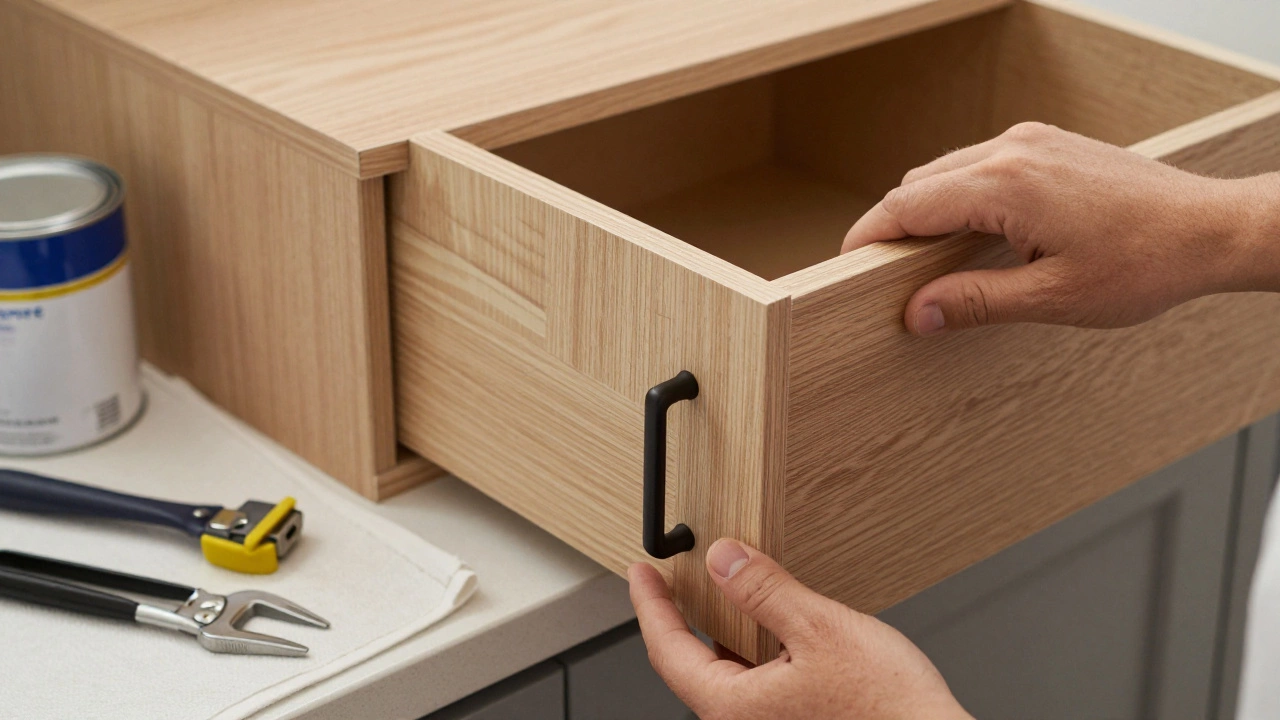
Let’s break it down by category. Cabinetry is usually the biggest expense. If you’re replacing full cabinets, expect to spend $5,000-$8,000 on mid-range prefab units. That leaves $2,000-$5,000 for everything else. But here’s the trick: refacing cabinets-keeping the existing boxes and just replacing doors and drawer fronts-can cut that cost in half. You get the look of new cabinets for $1,500-$3,000.
Countertops are another big chunk. Laminate is still the most affordable option at $30-$60 per square meter installed. For a typical 10m² kitchen, that’s under $600. If you want something that looks like stone but costs less, solid surface materials like Corian start around $100 per square meter. That’s $1,000 for the whole counter. Granite? Forget it unless you’re only doing a small section.
Luxury appliances are out. But you don’t need them. A good-quality 90cm gas cooktop from a brand like Smeg or Fisher & Paykel costs $1,200-$1,800. A basic undercounter fridge runs $1,000-$1,500. A decent dishwasher? $700. That’s $3,000 for the big three. You can still get reliable performance without breaking the bank.
Where to Save Without Sacrificing Quality
The biggest mistake people make is trying to do everything themselves. Plumbing and electrical work isn’t worth the risk if you’re not licensed. But there are plenty of ways to cut costs safely.
- Keep the layout the same. Moving pipes or electrical lines adds $2,000-$5,000. If your sink, stove, and fridge stay where they are, you save big.
- Reuse what you can. If your cabinets are structurally sound, refacing them saves thousands. Same with flooring-if it’s in decent shape, sand and seal it instead of replacing.
- Shop sales and clearance. Kitchen suppliers often have end-of-line stock or discontinued items at 40-60% off. A $2,000 faucet might drop to $800. Check local builder’s yards and online marketplaces like TradeMe.
- Do the demolition yourself. Removing old cabinets, countertops, and flooring is labor-intensive but doesn’t require skills. Rent a skip bin for $150 and spend a weekend tearing out the old stuff.
One homeowner in Hataitai did a full kitchen overhaul for $9,800 by refacing cabinets, installing laminate counters, replacing the sink and faucet, painting everything, and buying a second-hand oven and fridge from a local appliance recycler. The result? A kitchen that looks brand new and functions perfectly.
What You Shouldn’t Skip
Even on a tight budget, some things are non-negotiable. Don’t cut corners on safety or long-term durability.
- Waterproofing. If you’re replacing tiles around the sink or backsplash, make sure the substrate is properly sealed. A leak behind the wall can cost $5,000 to fix later.
- Lighting. LED downlights are cheap now-under $20 each. Replace old fluorescent tubes or dim bulbs with bright, energy-efficient LEDs. It makes the space feel bigger and more modern.
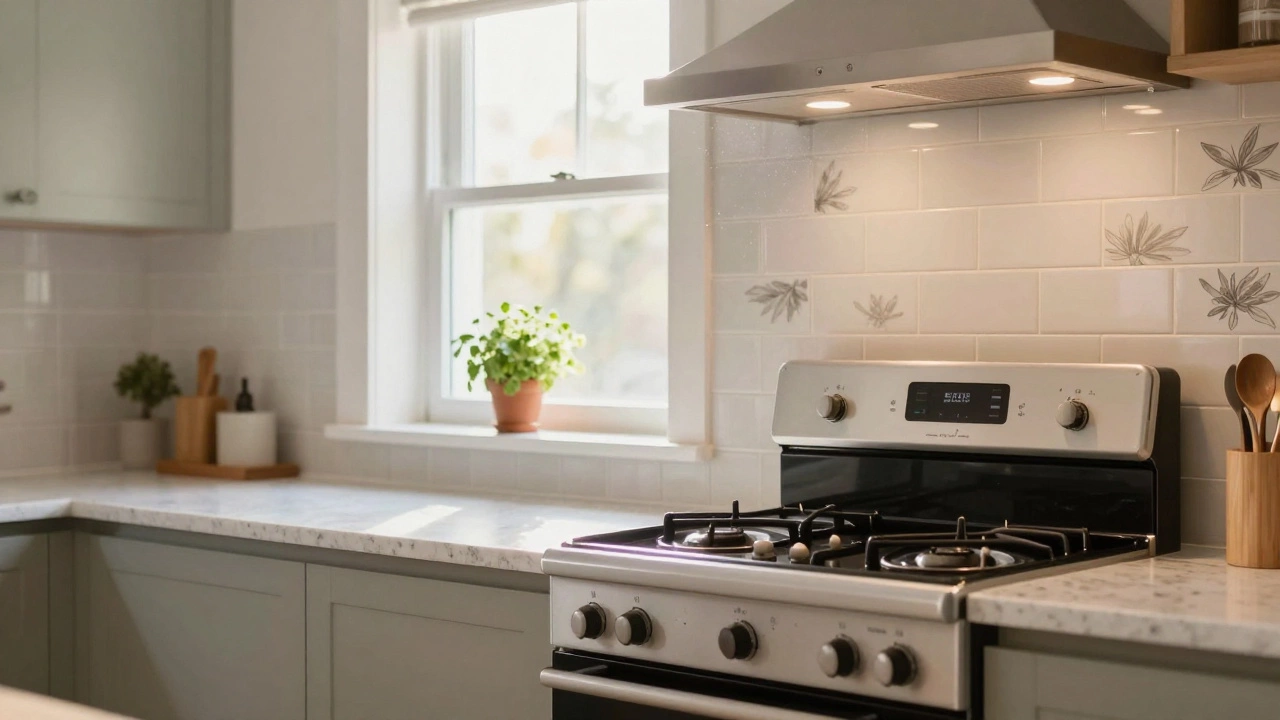
- Ventilation. A good rangehood isn’t optional. Even a basic ducted model costs $500-$800. Without it, grease and moisture will damage your walls and cabinets over time.
- Hardware. New handles and hinges cost less than $200 but make cabinets feel premium. Matte black or brushed brass finishes are trending and look expensive.
One rule of thumb: if it’s visible every day, spend a little more. If it’s hidden (like under the sink or behind cabinets), go budget.
Realistic Timeline and What to Expect
A $10,000 kitchen remodel usually takes 2-4 weeks. Here’s a typical schedule:
- Week 1: Demolition, disposal, and prep work
- Week 2: Plumbing and electrical rough-ins (if needed), waterproofing
- Week 3: Cabinet installation, countertop measurement and fitting
- Week 4: Appliance setup, final cleaning, and touch-ups
Don’t plan to cook in the kitchen during this time. Even a simple remodel creates dust, noise, and disruptions. Set up a temporary cooking station in another room with a hotplate and microwave.
When $10,000 Isn’t Enough
There are situations where $10,000 will fall short:
- Your kitchen is over 20 years old and has outdated wiring or lead pipes.
- You want to expand the space or move walls.
- You’re in a heritage home and need to match original finishes.
- You insist on stone countertops, custom cabinetry, or smart appliances.
If any of these apply, you’ll need to save more, phase the project, or reconsider your goals. A $15,000-$20,000 budget opens up far more options without sacrificing quality.
Alternatives to a Full Remodel
If $10,000 feels too tight, you don’t have to do it all at once.
- Phase 1: Paint, hardware, lighting. Spend $2,000. Instant refresh.
- Phase 2: Replace countertops and sink. Spend $3,000-$4,000. Big visual upgrade.
- Phase 3: New cabinets and appliances. Save up over 6-12 months.
Many people find that after the first phase, they’re happy with the kitchen for years. There’s no rush. A kitchen doesn’t need to be perfect all at once.
Final Thoughts
$10,000 is enough for a kitchen remodel if you’re realistic. You won’t get a magazine-worthy space with all the bells and whistles. But you can get a clean, modern, functional kitchen that works for your family and adds value to your home.
The key is to focus on what changes the most: paint, doors, lighting, and hardware. These cost little but make the biggest difference. Avoid the temptation to upgrade everything at once. Prioritize function over form. And don’t be afraid to shop smart-second-hand appliances, clearance sales, and DIY demolition can stretch your budget further than you think.
If you’re willing to do the legwork, $10,000 isn’t just enough-it’s a smart way to upgrade your home without going into debt.
Can I remodel my kitchen for $10,000 in New Zealand?
Yes, you can remodel a kitchen for $10,000 in New Zealand, but only if you’re realistic about what you can achieve. Focus on refacing cabinets, installing laminate or solid surface countertops, replacing fixtures, painting, and upgrading lighting. Avoid moving plumbing or buying high-end appliances. Many homeowners in Wellington and other cities have done full makeovers at this price by prioritizing cosmetic changes and shopping smart.
What’s the cheapest way to update a kitchen?
The cheapest way is to repaint cabinets, replace hardware, install new LED lighting, and add a peel-and-stick backsplash. This can cost under $2,000 and make your kitchen look completely different. You don’t need to replace anything structural-just refresh what’s already there.
Is it cheaper to reface cabinets or replace them?
Refacing is almost always cheaper. Replacing full cabinets costs $5,000-$8,000 for mid-range units. Refacing-just changing doors, drawer fronts, and hardware-costs $1,500-$3,000. You keep the existing box structure, which is usually still in good condition. Refacing gives you 90% of the look for less than half the price.
What kitchen upgrades give the best return on investment?
Painting cabinets, replacing hardware, installing new lighting, and upgrading the sink and faucet give the best ROI for under $10,000. These changes improve both appearance and function without requiring structural work. Buyers notice these details most when viewing homes. Countertops and appliances matter less than you think if the overall space feels clean and modern.
Should I buy second-hand appliances for my kitchen remodel?
Yes, if you’re on a budget. Many second-hand appliances from reputable brands like Fisher & Paykel, Smeg, or Bosch are still in excellent condition. Check local classifieds, appliance recycling centers, or Facebook Marketplace. Look for models under 5 years old with full warranties still active. You can save $1,000-$2,000 compared to buying new.