
Is $100,000 Enough to Renovate a House? A 2026 Reality Check
 Mar, 29 2026
Renovation Budget Allocator
According to industry standards, ensure Construction Labour accounts for roughly half your budget. Don't overspend on finishes if you don't have the funds for installation.
Labor Costs
Skilled tradespeopleMaterials
Tiles, timber, fixturesDesign & Consents
Architects, council feesContingency Fund
Hidden surprisesThe "Surprise" Simulator
Real renovations rarely go perfectly. Click an event to see if your contingency fund covers it.
A common question homeowners ask is whether a six-figure budget covers a full house renovation.
The short answer is yes, but with major caveats. Renovation Budget refers to the total financial allocation designated for upgrading residential property. In 2026, that number changes depending on your location, your ambitions, and the structural state of your current home.
I live in Wellington, New Zealand, and here, $100,000 NZD gets you further than it does in Los Angeles or London. If you are reading this with US Dollars in mind, convert accordingly-a hundred grand there often equals significantly more purchasing power locally. Regardless of currency, the core principle remains: money buys scope, but planning buys value.
Defining What You Can Achieve
Before pulling out the cheque book, you need to understand the spectrum of work. A cosmetic update looks nothing like a structural rebuild. A Cosmetic Refresh involves painting, flooring, and minor fixture swaps without altering walls. This is where $100,000 stretches incredibly far.
- Full interior paint job
- New carpet or engineered timber flooring throughout
- Upgrade of bathroom vanity and shower screen
- Lighting fixture replacement
- Cabinet refacing in the kitchen
If you stay within these boundaries, you can easily finish a standard-sized family home well under budget. You keep the existing layout, which saves thousands on demolition and engineering fees.
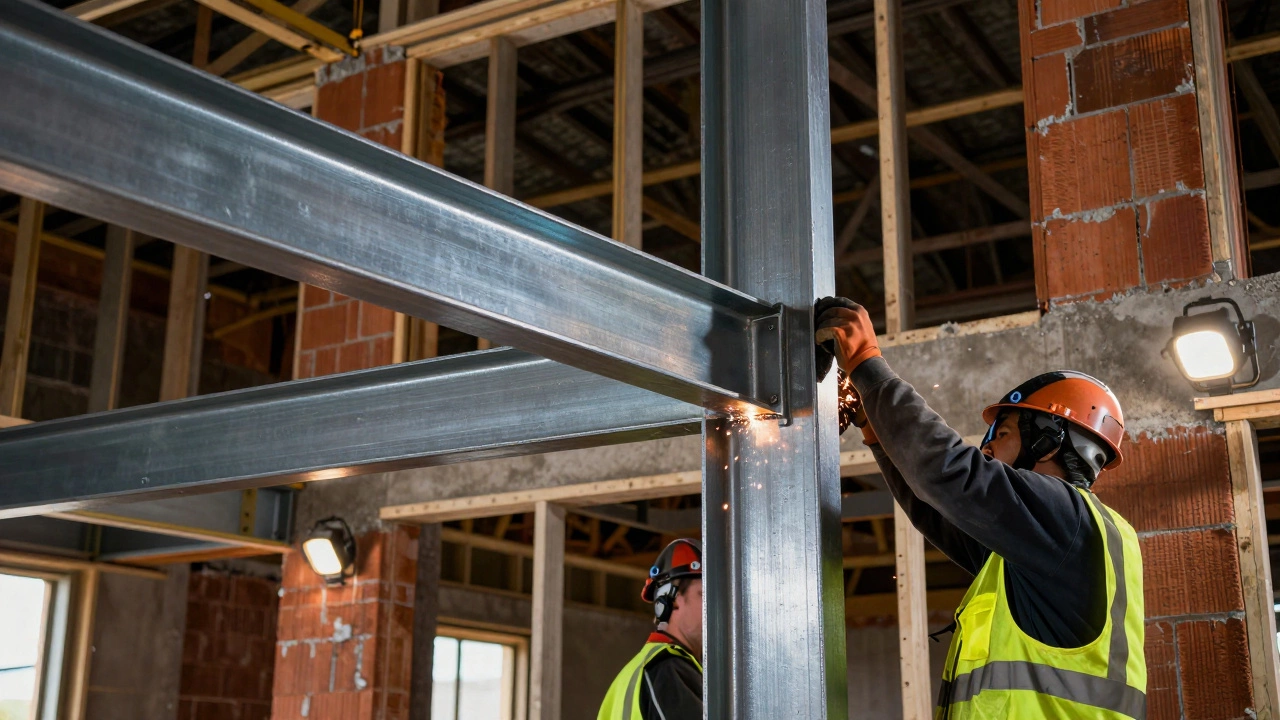
However, most people want something bigger. They want an open-plan living area or a new master suite. This requires Structural Renovation, which involves modifying load-bearing walls or changing the footprint of the building. Once you hit structural work, your budget evaporates quickly. Load-bearing walls require steel beams, which are expensive, plus the engineering certification to sign off on the plans.
The Real Cost Breakdown
Many clients underestimate where the money goes. It isn't just materials. It's the invisible stuff that piles up. In 2026, supply chains have stabilised compared to the post-pandemic chaos, but skilled tradespeople remain scarce. Construction Labour represents the cost paid to workers for installation, demolition, and finishing tasks.
| Expense Category | Estimated Percentage | Approximate Value |
|---|---|---|
| Construction Labour | 45% - 50% | $45,000 - $50,000 |
| Construction Materials | 30% - 35% | $30,000 - $35,000 |
| Design & Consents | 10% - 15% | $10,000 - $15,000 |
| Contingency Fund | 5% - 10% | $5,000 - $10,000 |
This table shows the danger zone. If you spend $50,000 on beautiful tiles and appliances, you only have $50,000 left for labour. That creates a bottleneck. Good contractors charge premium rates, and if your labour budget is too tight, you might end up with poor-quality installers who cut corners.
Design Fees and Consents
In many places, specifically in New Zealand councils like Wellington City, you cannot start hammering until you have approval. Building Consent is official permission granted by local authorities to proceed with construction.
You absolutely need an architect or draughtsman for structural changes. Their fees alone can range from $5,000 to $20,000 depending on complexity. Then comes the council consent process. Plans are checked for compliance with the Building Code, which sets minimum safety and health standards for structures. This process takes months. Delays cost money.
For example, if your timeline slips by two months because the council requests extra fire-rating evidence on your new wall, you pay storage fees, potentially extended rental costs, or contractor mobilisation charges. That's why allocating 10% to 15% of your budget specifically for professional services and administration is non-negotiable.
Energy Efficiency Standards
We are living in an era of stricter environmental regulations. By late 2025 and into 2026, insulation codes and heating requirements have tightened across the board. Older homes rarely meet modern efficiency standards.
If you are doing a full gut, you shouldn't just fix the roof; you should upgrade the thermal envelope. Blowing insulation into old rafters might seem optional, but it affects resale value and comfort. Energy Efficiency measures the ability of a building to minimise energy consumption while maintaining performance. Upgrading windows to double glazing, sealing drafts, and installing heat pumps adds up fast.
Skip these upgrades to save cash, and you might find the monthly power bills offsetting the savings from your renovation budget later. In the long run, investing in passive design elements during a renovation pays dividends over decades.
Where You Lose Money
Poor scoping is the fastest way to blow a $100k limit. Changing your mind mid-project triggers "variations." When a contractor tells you the tile you liked is backordered, and you switch to a different supplier, the price jumps. Or you decide halfway through that you want a walk-in closet instead of a built-in wardrobe.
Every change order pauses the workflow. A plumber leaves the site and has to return. An electrician re-routes cables. These administrative delays cost hundreds of dollars per hour. Stick to the plan. Lock in your finishes before demolition starts.
Also, consider the hidden state of older housing stock. We uncover asbestos removal costs or lead paint remediation frequently in houses built before the 1990s. Testing is mandatory in some jurisdictions. If you discover contaminated soil underneath a foundation during excavation, that becomes a specialist job immediately. That is exactly why the contingency fund exists in the table above.
Strategies to Make it Work
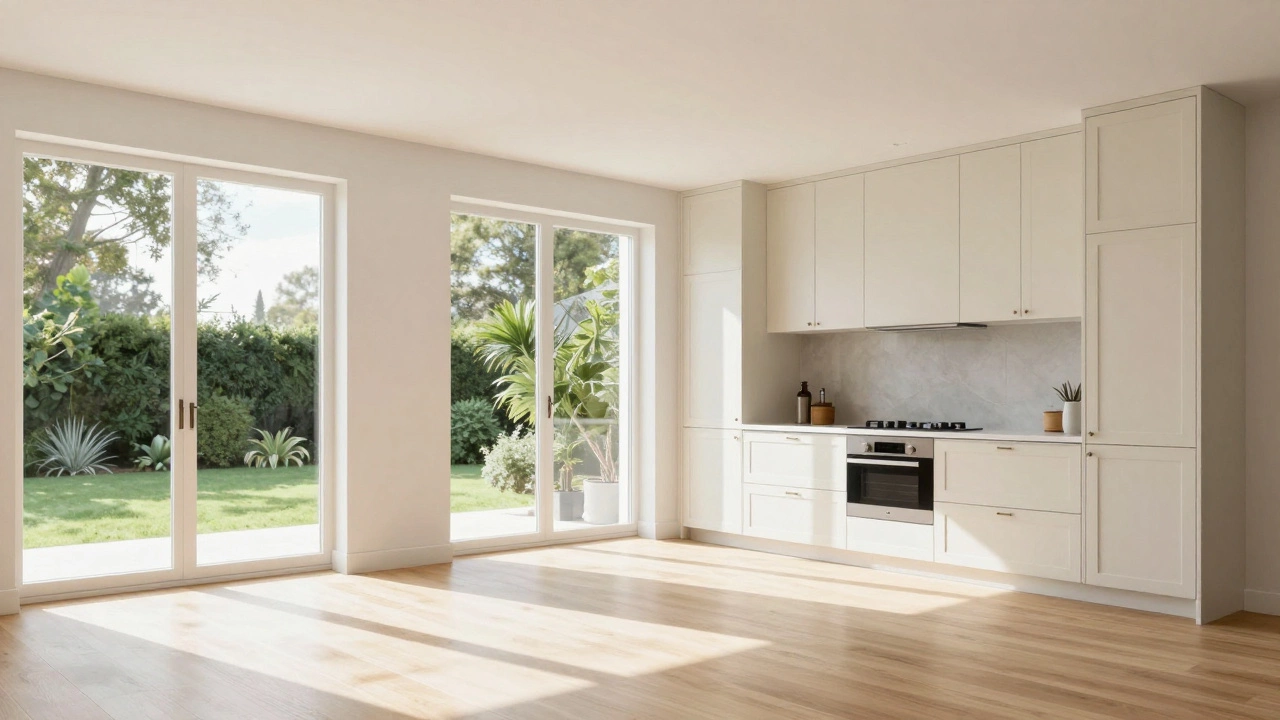
Can you renovate a whole house for $100,000? Absolutely, if you phase the project. Instead of touching every room simultaneously, tackle the kitchen and main bathroom first. Leave the powder room and secondary bedrooms for Phase Two a year later.
Consider keeping existing layouts even if you dislike them slightly. Moving a bathroom to a different side of the house requires rerouting water pipes and drains across the entire slab or floor joists. That is expensive. Using the existing wet zones keeps plumbing costs low.
Buy trade packs. Instead of retail pricing at big hardware stores, ask your builder what materials they source. Sometimes buying bulk flooring or cabinetry directly through their network saves significant margin.
Finally, manage expectations regarding luxury finishes. Quartz countertops look great but drain the bank account faster than engineered stone or high-grade laminate options. Prioritize spending on items that impact durability, like waterproofing membranes, over decorative choices like feature wall colours.
Kitchen Remodel Nuances
The kitchen often swallows the budget. Custom cabinetry can run $30,000 to $50,000 alone. For a tight $100,000 budget, look at semi-custom or line-based cabinetry brands. Frameless cabinets cost more than framed units because they use more material and tighter tolerances. Opting for shaker style frames gives a custom look at a fraction of the price.
Avoid moving plumbing locations if you can help it. Keeping the sink, dishwasher, and fridge near existing waste stacks minimizes pipe runs. It's easier to swap tapware and benchtops later than to rip up a finished floor to move a pipe.
Frequently Asked Questions
Can I renovate a whole house for $100,000?
It depends on the extent of the work. For cosmetic updates like painting and flooring, yes, a $100,000 budget is sufficient for a standard three-bedroom home. For structural renovations involving moving walls and rewiring plumbing, $100,000 is tight and may require phasing projects over time.
How much should I allocate for permits and consents?
You should set aside between 10% and 15% of your total budget for architectural design, engineering calculations, and building consent fees. For a $100,000 project, this means reserving $10,000 to $15,000 purely for paperwork and approvals.
Is it better to DIY or hire professionals?
Hire professionals for all plumbing, electrical, and structural work due to insurance and code compliance risks. DIY is suitable for demolition, painting, and tiling only if you have prior experience and tools.
What are the biggest unexpected costs in renovation?
Hidden issues behind walls are the most common surprise. This includes discovering mould, outdated wiring requiring total replacement, or structural timber decay that needs treatment before new materials can be installed.
How long does a $100,000 renovation take?
Timeline varies by scope. A cosmetic refresh might take 4-6 weeks. A structural renovation involving consents typically spans 6 to 9 months, including design, approval, and build phases.