
Is $30,000 Too Much for a Roof? Pricing Guide and Cost Factors
 Apr, 16 2026
Roof Replacement Cost Estimator
Estimated Total:
You just got a quote for $30,000 to replace your roof, and your first instinct is to recoil. It feels like a massive chunk of money for something that basically just keeps the rain out. But here is the reality: depending on where you live and what your house looks like, $30,000 could be a total rip-off, or it could be a fair price for a high-quality job that lasts three decades. The problem is that roofing quotes are often vague, leaving homeowners to guess if they are getting a deal or getting played.
Key Takeaways for Your Budget
- Average Range: Most residential roofs cost between $10,000 and $25,000, making $30,000 on the higher end but not unheard of.
- Material Impact: High-end options like slate or premium synthetics can easily push a project past $30,000.
- Hidden Costs: Rotting decking and complex roof pitches add significant labor and material costs.
- Value: A cheap roof that leaks in five years is far more expensive than a $30,000 roof that lasts thirty.
Breaking Down the $30,000 Price Tag
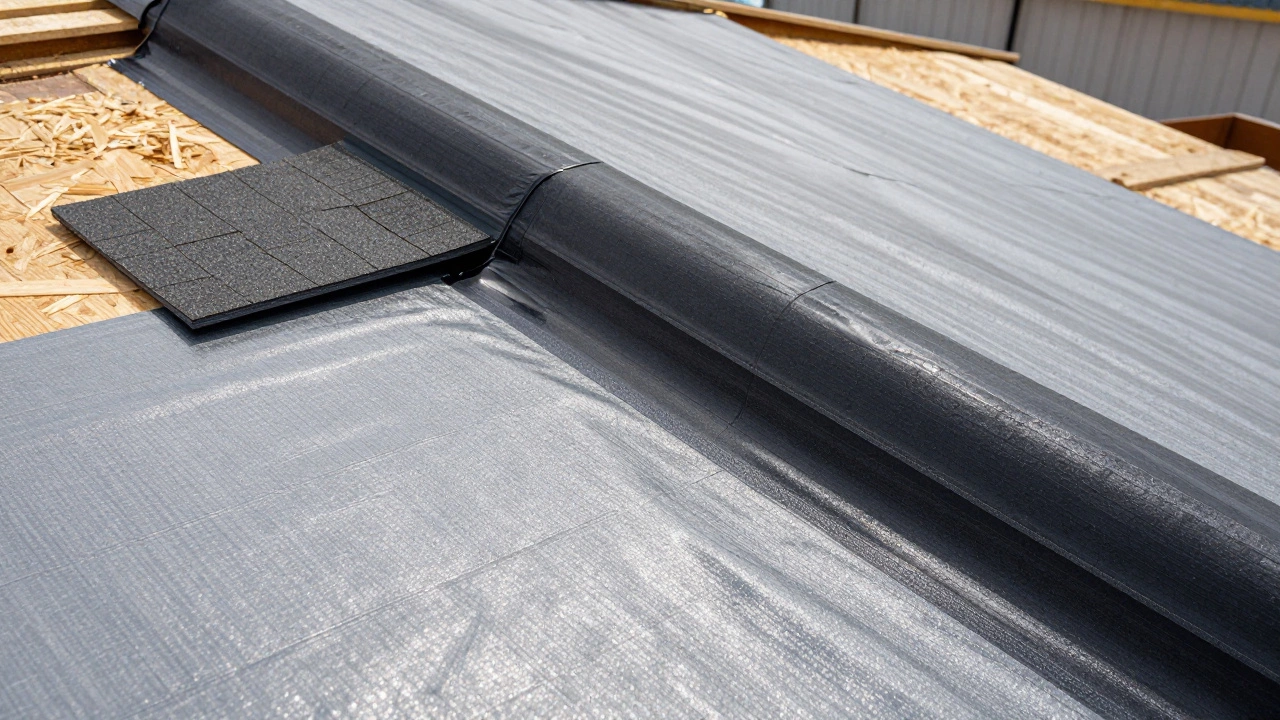
To figure out if you are overpaying, you have to stop looking at the total number and start looking at the components. A roof isn't just a layer of shingles; it is a system. When a contractor quotes you $30,000, they aren't just charging for the materials you can see from the street. They are accounting for the Underlayment is a water-resistant barrier installed over the roof deck to prevent leaks during shingle installation, the flashing, and the labor required to tear off the old layers.
If you have a large home-say 3,000 square feet or more-$30,000 is actually quite reasonable. Roofing is measured in "squares," which is a 10x10 foot area. A large house requires more squares of material and more man-hours to install. If your contractor is using Asphalt Shingles is a common roofing material made of fiberglass mat coated with asphalt and mineral granules, specifically architectural or dimensional shingles, you are paying for a product that handles wind and rain better than the old flat 3-tab style.
When $30,000 is Actually a Fair Price
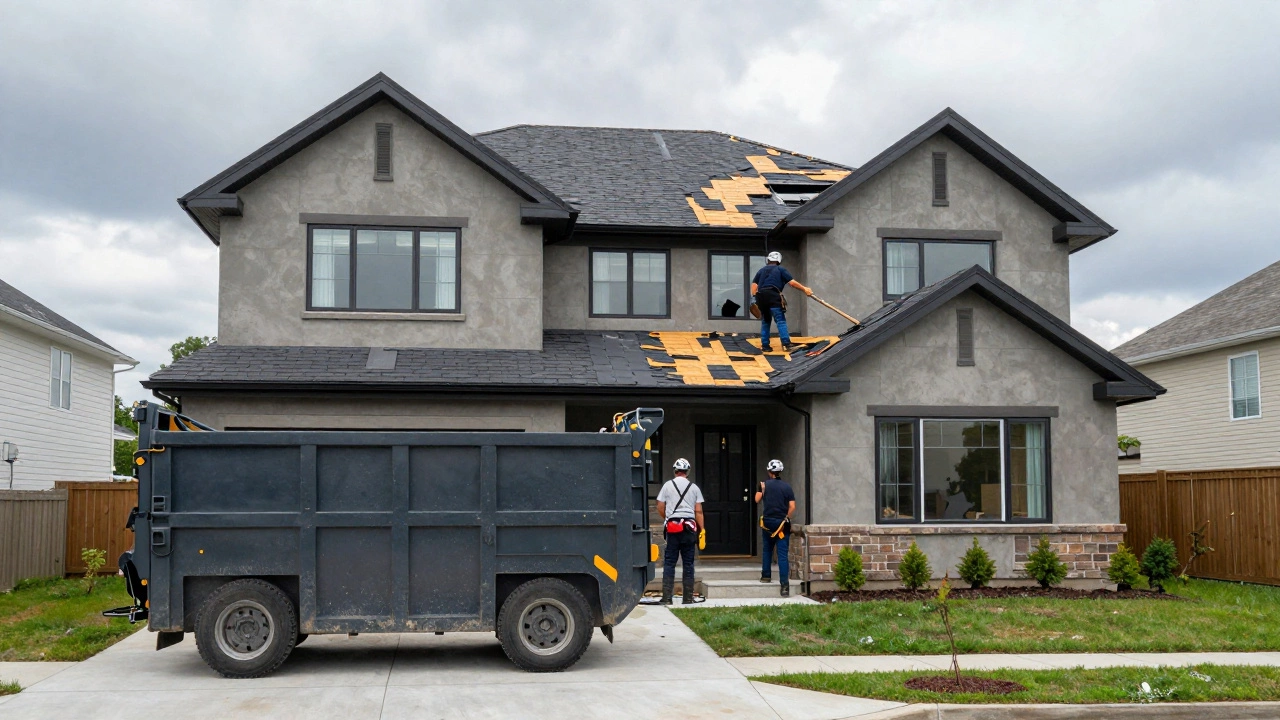
There are several scenarios where a $30,000 quote is justified. First, consider the pitch. If your roof is steep, workers can't just walk on it; they need harnesses, scaffolding, and more time to move materials. This "steep charge" can add thousands to a bill. If your home has multiple gables, dormers, or complex valleys where two roof planes meet, the labor complexity skyrockets. Every valley is a potential leak point that requires precision flashing.
Then there is the issue of what is underneath. Most contractors assume the Roof Decking is the structural base of the roof, usually made of plywood or OSB, that supports the roofing materials is in good shape. However, if they rip off your old shingles and find that the wood is rotted or soft, they have to replace those sheets. At $80 to $120 per sheet of plywood, a few dozen rotten boards can quickly add $2,000 to $5,000 to your final bill.
| Material | Typical Lifespan | Cost Level | Durability |
|---|---|---|---|
| Standard Asphalt | 15-20 Years | Low | Moderate |
| Architectural Shingles | 25-30 Years | Medium | High |
| Metal (Standing Seam) | 40-70 Years | High | Very High |
| Slate / Clay Tile | 75-100+ Years | Premium | Extreme |
Red Flags: When You are Being Overcharged
While $30,000 can be fair, it can also be a sign of price gouging if the project is simple. If you have a small, single-story ranch with a simple gable roof and the contractor is quoting you $30,000 for basic shingles, something is wrong. In that case, you are likely paying for a massive company's marketing budget rather than the actual work.
Another red flag is the lack of a detailed line-item quote. If the estimate just says "Roof Replacement: $30,000," you have no way of knowing what you are paying for. A professional quote should break down the cost of materials, the number of squares, the cost of waste removal (dumpsters aren't free), and the specific brand of shingles. If they can't tell you exactly why it costs $30,000, they are likely guessing or padding the profit margin.
The Long-Term Math: Cheap vs. Quality
It is tempting to go with the guy who quotes $15,000 when another quotes $30,000. But in roofing, you usually get what you pay for. A cheap contractor often cuts corners on the Ice and Water Shield is a self-adhering polymer-modified bitumen membrane used to prevent water infiltration at roof edges and valleys. Skipping this in cold climates leads to ice dams that push water under your shingles and ruin your ceiling.
Think about the cost per year. A $15,000 roof that lasts 12 years costs you $1,250 per year. A $30,000 roof that lasts 30 years costs you $1,000 per year. Not only is the high-quality roof cheaper over time, but it also adds more to your home's resale value. A certified installation from a reputable company often comes with a transferable warranty, which is a huge selling point if you decide to move in a few years.
How to Verify Your Quote
Don't guess-verify. The best way to know if $30,000 is too much is to get three distinct quotes. Don't just call three companies; call three different types of companies. Get a quote from a large national franchise, a mid-sized local company, and a small independent crew. This gives you a spectrum of pricing.
When reviewing these quotes, ask about the ventilation. A roof is more than shingles; it needs to breathe. If the contractor isn't mentioning Soffit Vents is vents located in the eaves of the roof that allow fresh air to enter the attic space or ridge vents, they are ignoring the health of your attic. Poor ventilation traps heat and moisture, which cooks your shingles from the inside out, regardless of whether you paid $10,000 or $30,000 for them.
Does insurance cover the full $30,000 cost?
Insurance typically covers roof replacement if the damage was caused by a "covered peril," such as a hail storm or a fallen tree. However, they usually only pay the Actual Cash Value (ACV) or the Replacement Cost Value (RCV) minus your deductible. If your roof failed simply due to old age (wear and tear), insurance will likely deny the claim entirely.
Is a metal roof worth the extra cost?
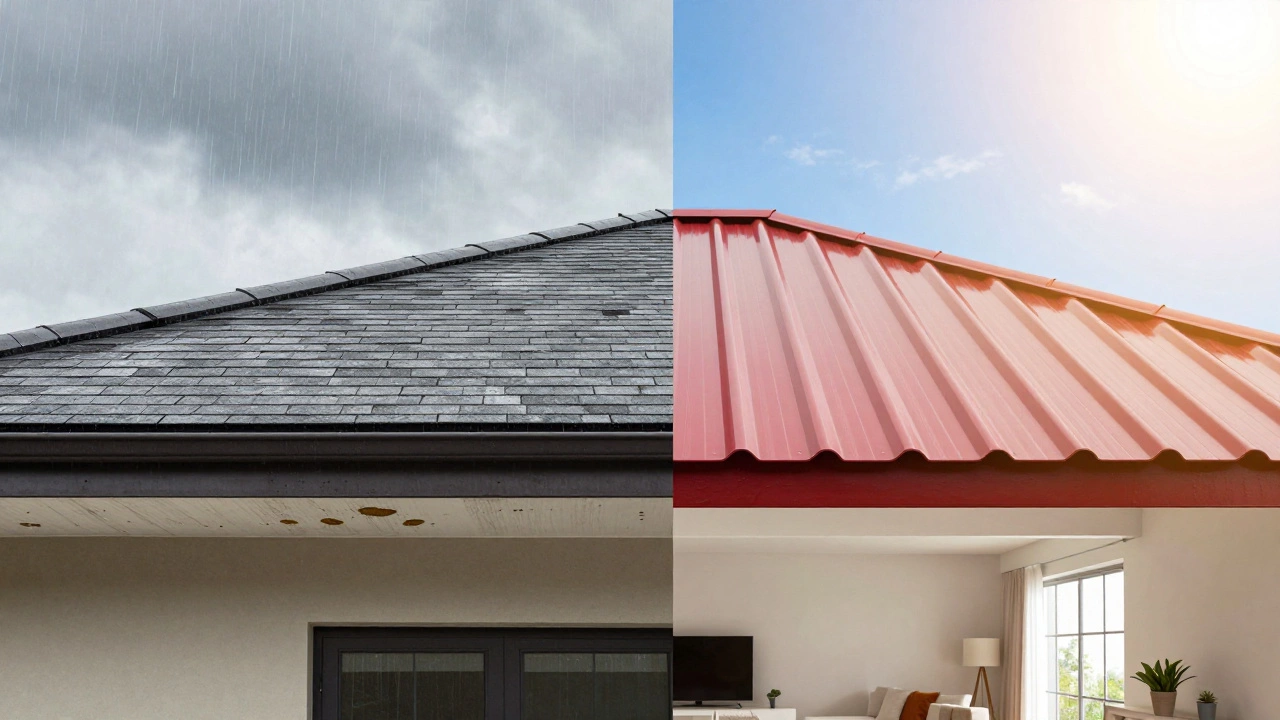
If you plan on staying in your home for more than 15 years, yes. While a metal roof might push your quote from $20,000 to $35,000, its lifespan is often double or triple that of asphalt. It also offers better energy efficiency by reflecting solar heat, which can lower your cooling bills.
Can I save money by providing the materials myself?
Generally, no. Most professional contractors won't warrant their work if they didn't source the materials. They have relationships with suppliers that give them bulk discounts you can't get as a homeowner, and they know exactly which brands actually perform. You risk the contractor blaming the materials for any future leaks.
What is a "square" in roofing?
A roofing square is a unit of measurement equal to 100 square feet. When a contractor calculates your price, they determine how many squares your roof has, add a percentage for waste (usually 10-15%), and multiply that by the cost per square of the material and labor.
Why is the price so much higher than 10 years ago?
Material costs for petroleum-based products like asphalt have climbed, and skilled labor is in shorter supply than it used to be. Additionally, building codes have become stricter in many regions, requiring more expensive underlayments and flashing to handle more extreme weather events.
Next Steps for Homeowners
If you are staring at a $30,000 quote and feel uneasy, your first move is to request a detailed breakdown. Ask for the specific brand and line of shingles, the estimated number of plywood sheets for replacement, and the warranty terms. If the contractor refuses to be specific, find someone else.
For those on a tight budget, consider a partial replacement or a "roof over" if you only have one layer of shingles and they are in good condition. However, the gold standard is always a full tear-off and replacement. This is the only way to ensure the structural integrity of your home's most important shield. If you have the funds, investing in a premium system now prevents the nightmare of interior water damage and mold remediation later.