
Is It Normal for a 100-Year-Old House to Have Cracks?
 Jan, 5 2026
Crack Assessment Tool
Is That Crack Normal?
Check if your home's cracks match typical settlement patterns or require professional inspection
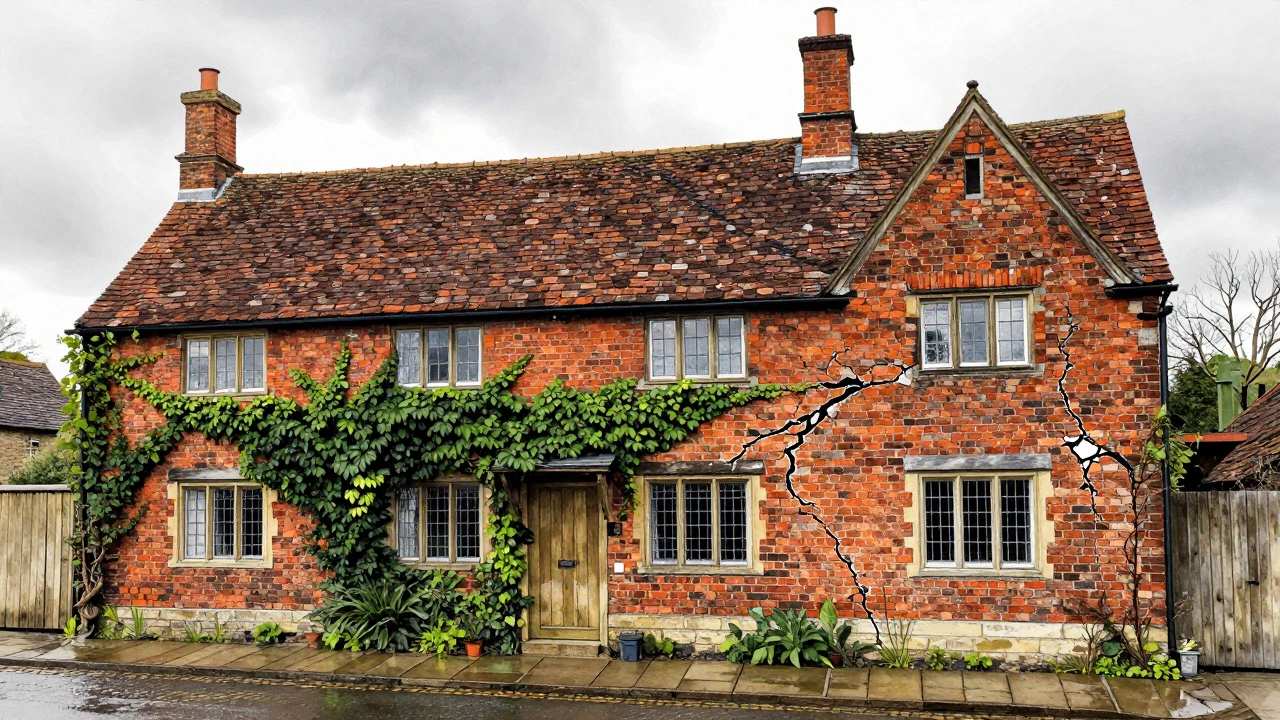
It’s not just normal-it’s expected. If you’ve just bought a 100-year-old house and you’re staring at hairline cracks in the plaster, or a diagonal line creeping up the brickwork, take a breath. You’re not dealing with a disaster. You’re dealing with history. These houses were built with different materials, different techniques, and different expectations than what we see today. Cracks don’t automatically mean danger. They mean the house has lived.
Why Do Old Houses Crack?
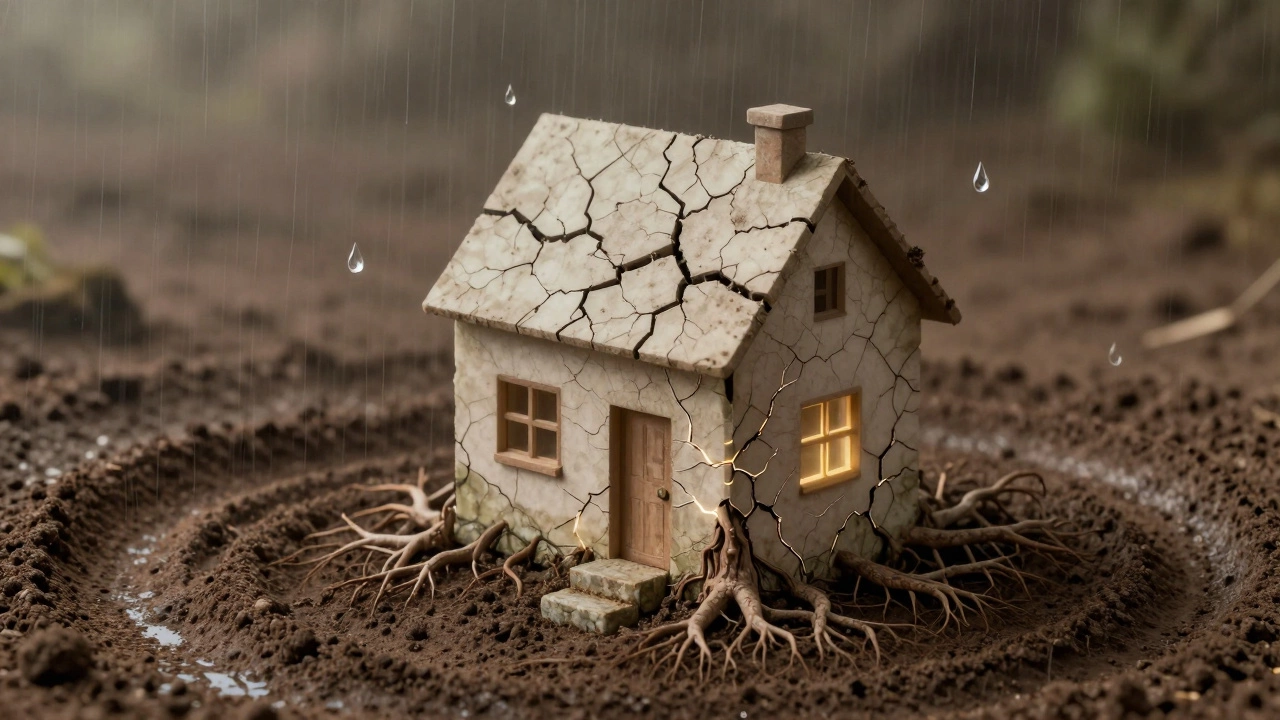
Old houses settle. That’s physics, not failure. Over decades, the ground beneath them shifts. Soil expands when wet, shrinks when dry, freezes in winter, and thaws in spring. In Wellington, where we get heavy rain and frequent seismic activity, even the most stable ground moves a little. The foundation doesn’t break-it adjusts. That adjustment shows up as cracks.
Think of it like your body. When you’re young, your bones grow and your joints move freely. As you age, your posture changes. Your spine compresses. You might get a slight hunch or a creak in your knee. That’s not a disease. It’s just how aging works. Old houses are the same. They don’t collapse because they’ve cracked. They survive because they’ve adapted.
Brick and mortar from the early 1900s were softer than today’s materials. Lime-based mortars were common back then-they’re flexible, breathable, and forgiving. Modern cement-based mortars are harder and more brittle. When you repair an old house with modern materials, you often make the problem worse. That’s why some cracks reappear after a "repair." You’re not fixing the house. You’re fighting its natural behavior.
Types of Cracks You’ll See
Not all cracks are the same. Some are harmless. Others need attention. Here’s what to look for:
- Vertical hairline cracks (less than 1mm wide) in plaster or brick-these are normal. They happen as the house settles unevenly over time. They’re common above windows and doors.
- Stair-step cracks in brickwork, running diagonally across the mortar joints-these are also typical in older homes. They follow the natural stress points in the wall and rarely get worse after the first 20 years.
- Horizontal cracks-especially near the base of walls-are a red flag. These suggest lateral pressure, often from poor drainage or soil movement. In Wellington’s clay-rich soil, this is something to check.
- Crack wider than 5mm or one that’s growing over months? That’s not normal. If you can fit a pencil or a credit card into the gap, get it inspected.
- Cracks that run from the foundation up through multiple floors-especially if they’re wider at the top-can indicate uneven settling. This isn’t always structural failure, but it needs a professional eye.
One quick test: Tape a piece of clear plastic over the crack. Check it after six months. If it’s still the same size, it’s stable. If it’s wider or longer, it’s active-and needs action.
What’s Different About New Builds?
New homes are built to be rigid. They use reinforced concrete slabs, steel framing, and engineered soils. They’re designed to move as little as possible. That’s why you rarely see cracks in a brand-new house-unless something went wrong during construction.
But here’s the catch: new homes settle too. The difference is, they settle fast. Most of their movement happens in the first 12 to 24 months. After that, they’re mostly still. Old houses? They settle slowly, over 50, 80, even 100 years. Their movement is spread out. That’s why a 100-year-old house might have dozens of small cracks, but none of them are getting bigger.
Modern builders avoid cracks by using control joints, expansion gaps, and flexible finishes. Old homes didn’t have those. They had thick plaster, hand-laid bricks, and timber frames that flexed with the wind. That’s why they crack-but also why they last.
When to Worry
Cracks aren’t the only sign. Look at the bigger picture:
- Do doors stick or won’t close properly? Not just in one room-across the whole house?
- Are windows suddenly hard to open or close?
- Is the floor sloping noticeably? You can test this with a marble. Roll it across the floor. If it rolls strongly in one direction, that’s a sign of uneven settlement.
- Are there gaps between the walls and the ceiling? Or between the skirting boards and the floor?
- Is water pooling near the foundation? Wet soil is the biggest cause of movement in old houses.
If you’re seeing multiple signs like this, it’s time to call a structural engineer-not a handyman. Don’t rely on a general contractor. You need someone who understands soil mechanics, foundation loads, and historic construction.
In Wellington, many old homes sit on steep slopes or near fault lines. A 100-year-old house here might have been built on a reclaimed swamp or a landslide-prone hillside. That doesn’t make it unsafe. But it does mean you need to understand its history. Check the original building records if you can. Local councils often keep them.
What to Do About Cracks
Don’t rush to fill them. Here’s the right approach:
- Identify the cause. Is it drainage? Tree roots? Poor original footings? Fix the cause, not the symptom.
- Use flexible fillers. If you’re patching, use a flexible acrylic caulk or lime-based mortar-not cement. It needs to move with the house.
- Don’t over-repair. Replastering entire walls or replacing brickwork just to hide cracks can cost thousands and do more harm than good.
- Monitor. Keep a log. Take photos every six months. Note the date and location. This helps you spot real changes.
- Improve drainage. Gutters, downpipes, and proper grading are the cheapest, most effective fix for most settlement issues. Redirect water away from the foundation.
Some homeowners panic and install underpinning or steel beams. That’s rarely needed. In 90% of cases, simple drainage fixes and monitoring are all that’s required.
Why This Matters for Buyers
If you’re thinking of buying an old house, don’t walk away because of cracks. Walk away if the seller refuses to let you get a proper inspection. A good structural report will tell you what’s normal and what’s not. It’ll give you a baseline.
Many people think old houses are liabilities. They’re not. They’re assets-with character, craftsmanship, and resilience. A 100-year-old house in Wellington that’s been maintained properly often has better insulation, thicker walls, and more solid foundations than a modern box built on a slab.
What you’re really paying for isn’t perfection. It’s time. And time, in a well-cared-for house, is worth more than any new build’s shiny finish.
Final Thought
Cracks in a 100-year-old house aren’t a sign of decay. They’re a map. They show where the house has moved, how the ground has shifted, and how the people who lived there responded. Some cracks were patched with putty. Others were ignored. Some were lived with, quietly, for decades.
That’s the beauty of old homes. They don’t promise perfection. They promise endurance. And if you’re willing to listen to what the cracks are telling you, you’ll find a house that’s not broken-it’s alive.