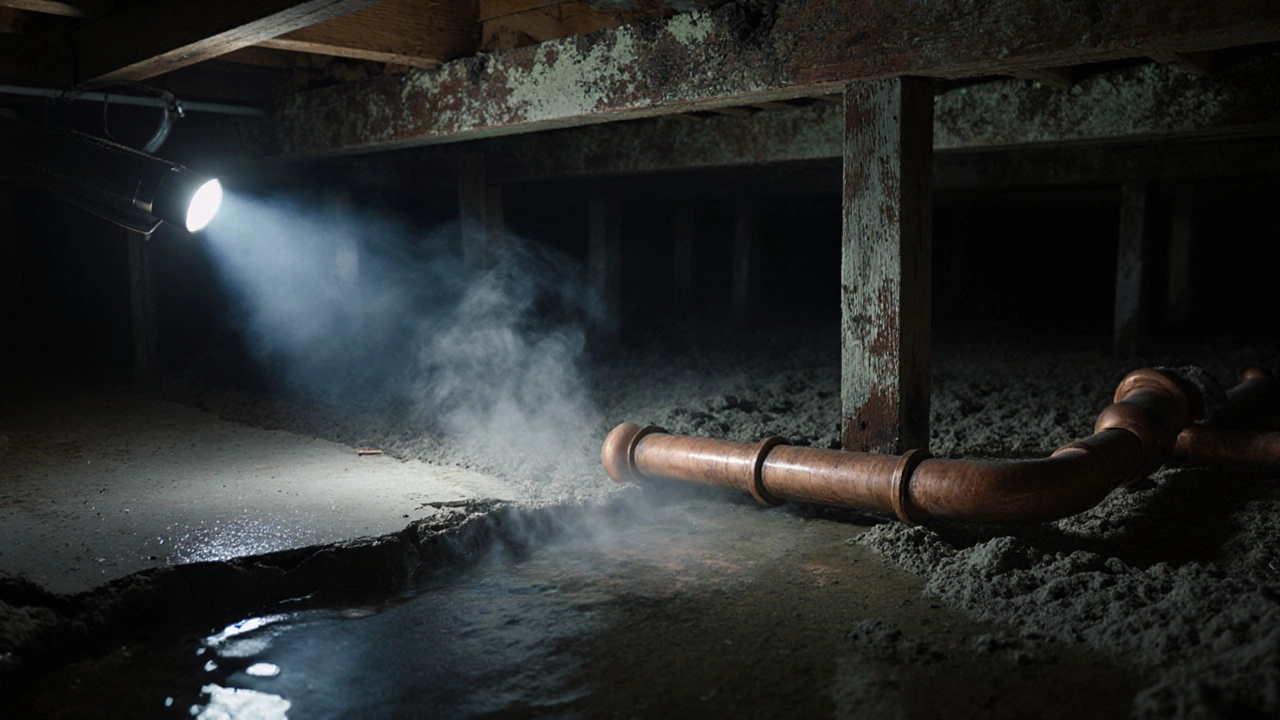
Broken Pipes: Causes, Signs, and How to Fix Them Before It's Too Late
When a broken pipe, a rupture or crack in a water supply or drainage line that leads to leaks or flooding. Also known as plumbing failure, it can happen anywhere—in walls, under floors, or behind appliances—and often without warning. A single broken pipe can flood your home in hours, ruin drywall, warp floors, and invite mold. This isn’t just a plumbing issue—it’s a structural and health risk. Most people don’t realize how fast things go wrong. One minute everything’s fine, the next you’re standing in water with no idea where it’s coming from.
Water damage, the destruction caused by uncontrolled water intrusion from leaks, bursts, or flooding is the biggest consequence of broken pipes. It doesn’t just soak carpets—it weakens wood, ruins insulation, and creates the perfect environment for mold, a type of fungus that grows in damp, dark spaces and can cause respiratory problems and property decay. You might not see mold right away, but it starts growing within 24 to 48 hours after a leak. That’s why quick action matters more than almost anything else.
What causes pipes to break? Pipe corrosion, the slow breakdown of metal pipes due to chemical reactions with water, oxygen, or minerals is a silent killer, especially in older homes with galvanized steel or copper lines. Freezing temperatures are another major culprit—water expands when it freezes, and that pressure can split pipes open. Even minor shifts in your home’s foundation can stress pipes over time. And don’t forget about poor installation or low-quality materials. A pipe that was never meant to last will fail sooner than you think.
There are signs you can’t ignore. A sudden drop in water pressure, discolored water, damp spots on walls or ceilings, or the sound of dripping when no taps are running—all point to a problem. High water bills with no change in usage? That’s often a hidden leak. If you’ve got an old home or live in an area with hard water, you’re at higher risk. You don’t need to be a plumber to spot these clues. You just need to pay attention.
Fixing a broken pipe isn’t always a DIY job. Small leaks might be patched temporarily, but most broken pipes need professional replacement. Temporary fixes like epoxy wraps or pipe clamps buy you time, but they don’t fix the root problem. If your pipes are old, corroded, or made of outdated materials like polybutylene, it’s not just one pipe that’s at risk—it’s the whole system. Replacing aging lines before they fail is cheaper than cleaning up after a flood.
What you’ll find in the posts below isn’t a list of quick fixes. It’s a real look at what happens when plumbing fails, how to recognize the warning signs early, and what steps actually work when your pipes break. You’ll see what causes the most damage, how to avoid being scammed by unqualified contractors, and why some repairs cost more than others—not because they’re flashy, but because they’re necessary. These aren’t theoretical tips. They’re lessons from homes across the UK where broken pipes turned into expensive nightmares—and how smart homeowners stopped them before it was too late.