Building Ventilation: What It Is, Why It Matters, and What You Need to Know
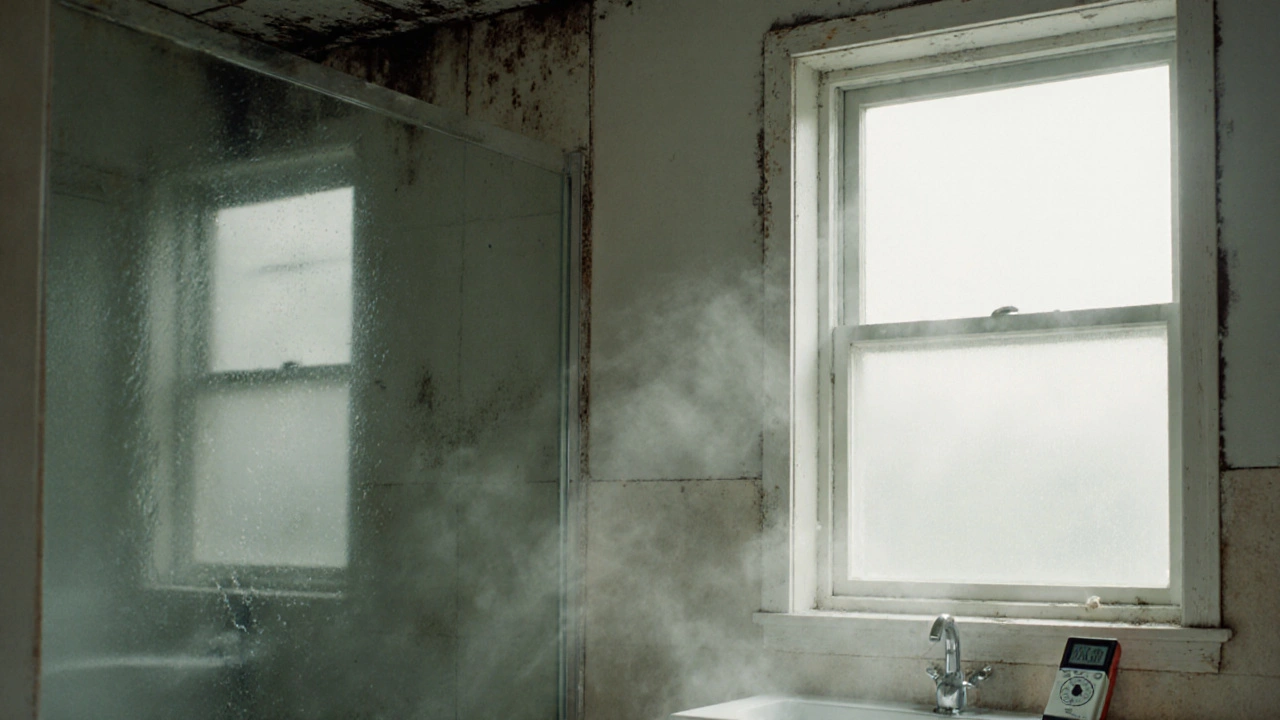
When we talk about building ventilation, the system that moves fresh air in and stale air out of a structure to maintain healthy indoor conditions. Also known as air exchange, it’s not just about comfort—it’s what stops mold, prevents structural damage, and keeps your family breathing clean air. Without proper ventilation, moisture builds up. That moisture doesn’t just make your bathroom smell bad—it seeps into walls, rots wood, and weakens your foundation over time. You might not see it until your drywall starts peeling or your floor sags, but the damage started with poor airflow.
Indoor air quality, how clean and safe the air inside your home is to breathe. Also known as air purity, it’s directly tied to how well your building vents. Cooking fumes, paint fumes, cleaning chemicals, even pet dander—all of it hangs around if there’s no way out. That’s why homes with tight seals (new builds, energy-efficient retrofits) often have worse air quality than older houses with drafty windows. The fix isn’t cracking a window open—it’s installing the right kind of ventilation system. Exhaust fans in kitchens and bathrooms help, but whole-house systems like heat recovery ventilators (HRVs) are what professionals use to balance energy efficiency with clean air.
Moisture control, the practice of managing humidity levels to prevent water damage and mold growth. Also known as dampness management, it’s one of the biggest reasons ventilation matters. Look at the posts here—foundation cracks, sagging floors, roof leaks—all of them can start with hidden moisture. If your attic doesn’t vent properly, steam from your shower rises, condenses on cold roof beams, and starts rotting the wood from the inside. That’s not a roof problem. That’s a ventilation problem. And if you’ve got a new build, you’re especially at risk. Builders seal everything tight to save on heating bills, but forget to install the vents that keep the air moving. Wait too long, and you’re facing warranty issues, structural repairs, or even a collapse.
Building ventilation doesn’t just connect to your roof or foundation—it ties into every part of your home’s health. Poor airflow leads to mold, which leads to health problems. Poor airflow leads to condensation, which leads to rot, which leads to expensive repairs. And if you’re thinking about a loft conversion or a kitchen remodel, you’re adding more moisture and pollutants to a closed space. Without ventilation, you’re setting yourself up for trouble.
You’ll find posts here that talk about foundation cracks, new build delays, roof damage, and insurance claims—all of them linked back to one thing: what’s happening inside your walls. This isn’t about fancy gadgets or high-tech systems. It’s about the basics. Air needs to move. Moisture needs to escape. And if you ignore that, your home will pay the price.