Construction Moisture: Causes, Risks, and How to Fix It
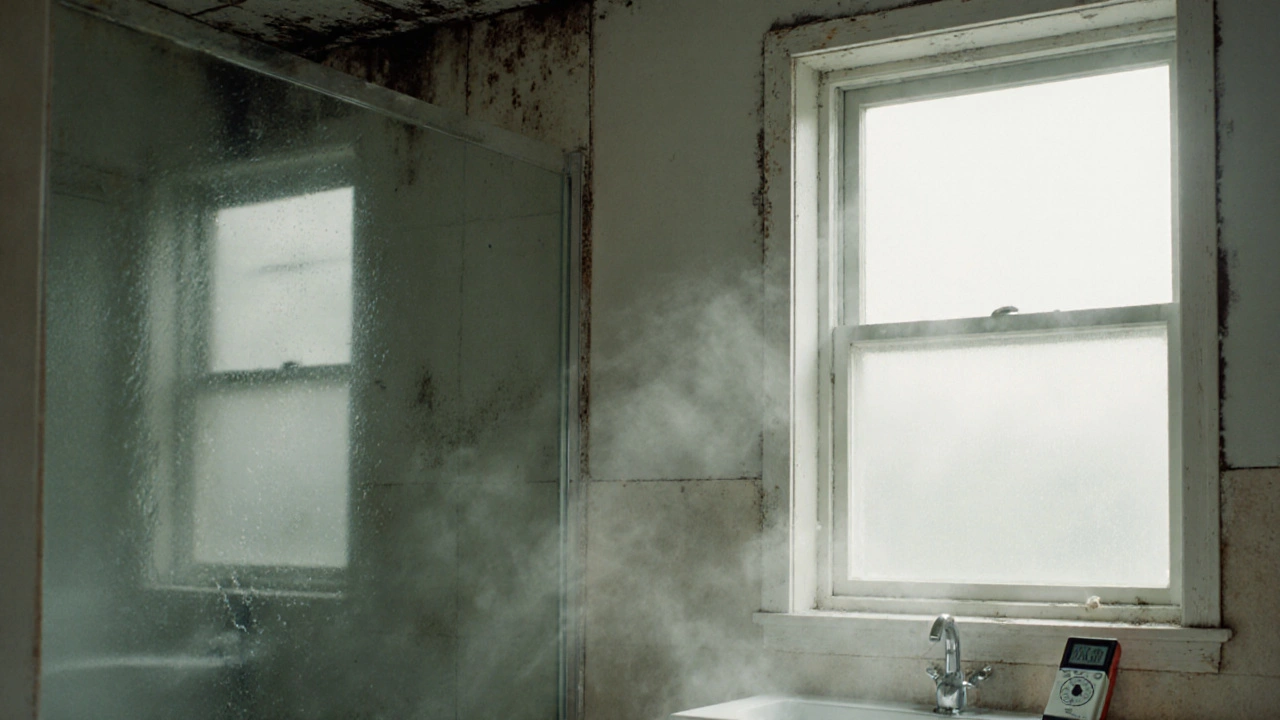
When construction moisture, the unwanted presence of water in building materials during or after construction. Also known as building dampness, it is one of the quietest killers of homes. It doesn’t crash through the ceiling like a burst pipe—it seeps in slowly, hiding behind drywall, under floors, and inside walls. By the time you see mold or smell mustiness, the damage is already deep. And it’s not just about aesthetics. Moisture weakens wood, rusts metal, and can even lead to structural failure over time.
This isn’t just a plumbing issue—it’s a foundation repair, the process of stabilizing a home’s base to prevent shifting or cracking problem, a structural damage, physical harm to load-bearing parts of a building that compromises safety issue, and sometimes a hidden result of plumbing leaks, unseen water escapes from pipes that feed into walls or under slabs. Think about it: a tiny leak under your foundation, a poorly sealed window frame, or even condensation from a new HVAC system can all feed into the same problem. You might think your home is dry because it doesn’t rain inside—but moisture doesn’t need to pour in to destroy it. It just needs to linger.
That’s why so many posts here focus on the aftermath: cracked foundations, sagging floors, and insurance claims denied because the damage was caused by long-term moisture, not sudden accidents. Homeowners often don’t realize their foundation crack came from soil swelling due to hidden water, or that their warped floors started with a slow leak behind the bathroom wall. Even new builds aren’t safe—waiting to decorate isn’t just about paint drying. It’s about letting the whole structure dry out completely after construction.
Fixing construction moisture isn’t about slapping on a new coat of paint or buying a dehumidifier. It’s about finding where the water is coming from—and stopping it at the source. That could mean sealing exterior walls, fixing drainage around the foundation, replacing old pipes, or even regrading the land so water flows away from your house. The solutions vary, but the rule is the same: act fast, or pay way more later.
Below, you’ll find real cases from UK homes where moisture turned small issues into big disasters—and how people fixed them before it was too late. Some stories are about insurance claims that got denied. Others show how a simple inspection saved a house from collapse. You’ll see what actually works, what’s a waste of money, and what most contractors won’t tell you until you’ve already paid for the wrong fix.