Foundation Repair Methods: What Works, What Costs More, and When You Need It
When your floors slope, doors stick, or cracks appear in your walls, it’s not just a cosmetic issue—it’s a sign your foundation repair methods, the techniques used to stabilize and restore a home’s structural base. Also known as underpinning, it’s the only way to stop a house from sinking further. In the UK, where soil shifts with rain and old homes settle over decades, ignoring these signs can lead to serious damage—or worse.
Not all foundation problems need the same fix. Some homes need helical piers, steel screws driven deep into stable soil to lift and support a sinking foundation. Others require drilled piers, concrete columns poured into the ground to bear heavy loads. The cost? Drilled piers often top the list—sometimes twice as much as helical piers—because they need heavy equipment and more labor. But price doesn’t always mean better. In clay-heavy areas like parts of the Midlands, helical piers work faster and with less disruption. And if your home’s just settling from new construction? Sometimes waiting six to twelve months lets the structure stabilize on its own.
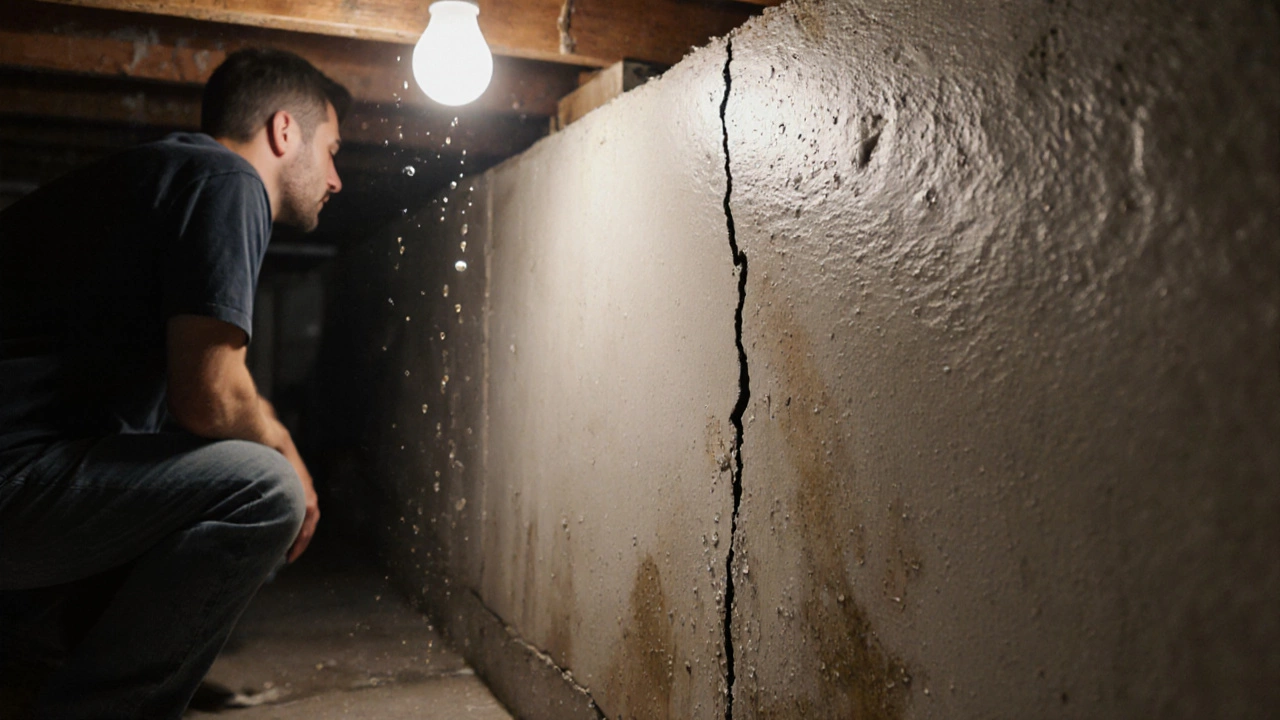
What makes one method right for your house? It’s not guesswork. Soil type, how far the foundation has moved, and whether the damage is still active all matter. A cracked foundation isn’t always a crisis—some hairline cracks are normal. But if they’re wider than a pencil, if your chimney leans, or if your floors slope noticeably, that’s when you need professional help. And yes, foundation repair really works—if it’s done right. Real homes in the UK have had level floors restored, walls sealed, and property values saved because someone acted before it was too late.
What you’ll find below isn’t theory—it’s real cases from homeowners who faced the same questions: Is my foundation failing? Which repair method fits my budget? Can I trust this contractor? From the most expensive fixes to the cheapest solutions that actually hold up, these posts cut through the noise and show you exactly what’s out there—and what you should avoid.