Inside vs Outside Foundation Repair: What Works Best for Your Home?
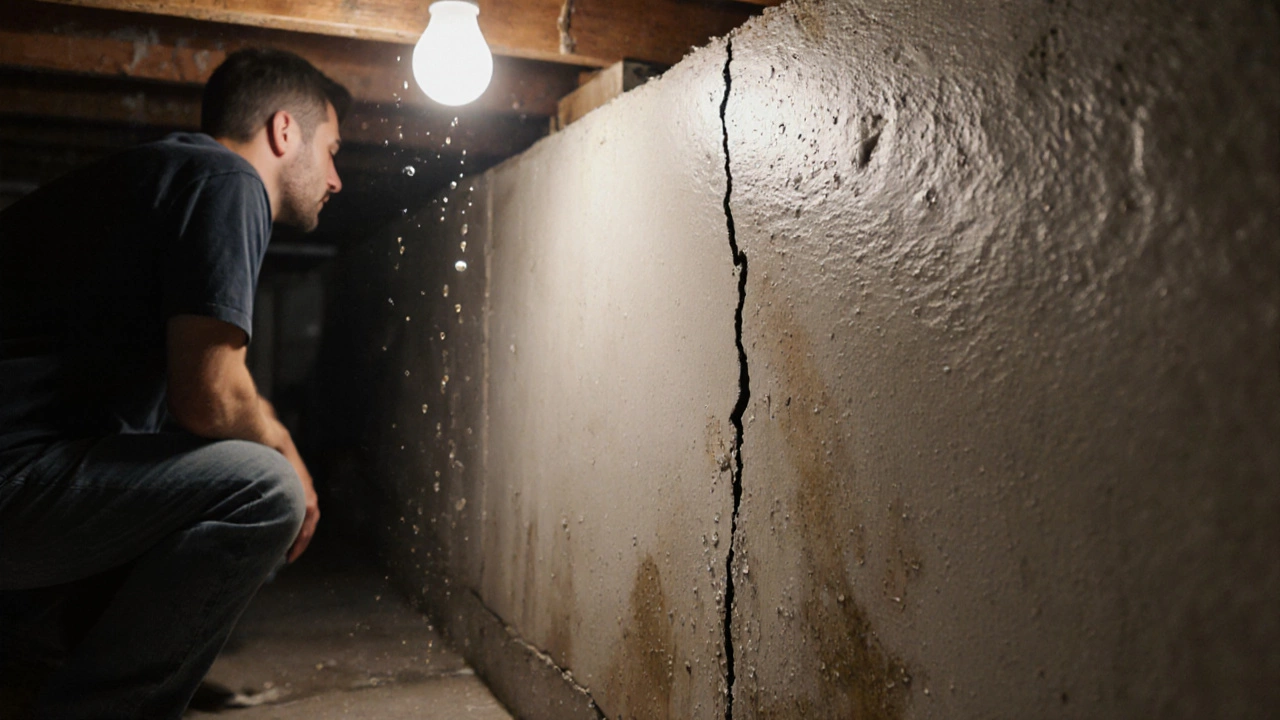
When your foundation starts showing cracks, sloping floors, or sticking doors, you’re facing a foundation repair, a structural fix to stabilize a home’s base and prevent further damage. Also known as underpinning, it’s not a DIY job—getting it wrong can cost you more than the repair itself. The big question isn’t just whether you need it, but how you fix it: from the inside, repairing the foundation from beneath the home’s interior floor or from the outside, accessing and stabilizing the foundation wall from the yard or perimeter. Both methods work, but they’re not interchangeable. One is faster and cheaper. The other is more thorough. Choosing wrong could mean fixing it twice.
Inside foundation repair usually means installing steel or carbon fiber strips along the interior basement walls to stop cracks from spreading. It’s less invasive—you don’t dig up your yard, and it’s often done in a day. But it doesn’t fix the root cause: water pressure, soil shift, or poor drainage pushing against the wall from the outside. Outside repair digs down to the foundation’s base, applies waterproofing, and often uses piers or helical anchors to lift and stabilize the entire structure. It’s messier, takes longer, and costs more—but it addresses the problem at its source. If your house sits on clay soil, like many in the UK, outside repair gives you lasting peace of mind. Inside repair? It’s a band-aid unless you fix the drainage too.
Some homeowners try to save money by skipping the outside fix, thinking the inside job is enough. But if water keeps pooling near your foundation, cracks will return. One homeowner in Manchester had his inside steel braces installed, only to see new cracks appear six months later because the gutters were clogged and water kept seeping into the soil. Outside repair would’ve stopped that. On the flip side, if your home has no crawl space or basement, inside repair might be your only option. The key is matching the method to your home’s structure, soil type, and water issues—not just the price tag.
You’ll find posts below that break down real cases: how much helical piers cost in the UK, why drilled piers top the price list, and whether insurance covers sagging floors. You’ll also see how foundation repair connects to other home problems—like why you can’t decorate a new build right away, or what happens when soil shifts under your house. These aren’t random articles. They’re the real-world answers to the questions you didn’t know to ask until your walls started cracking.