Mold in New Homes: Causes, Risks, and What You Can Do
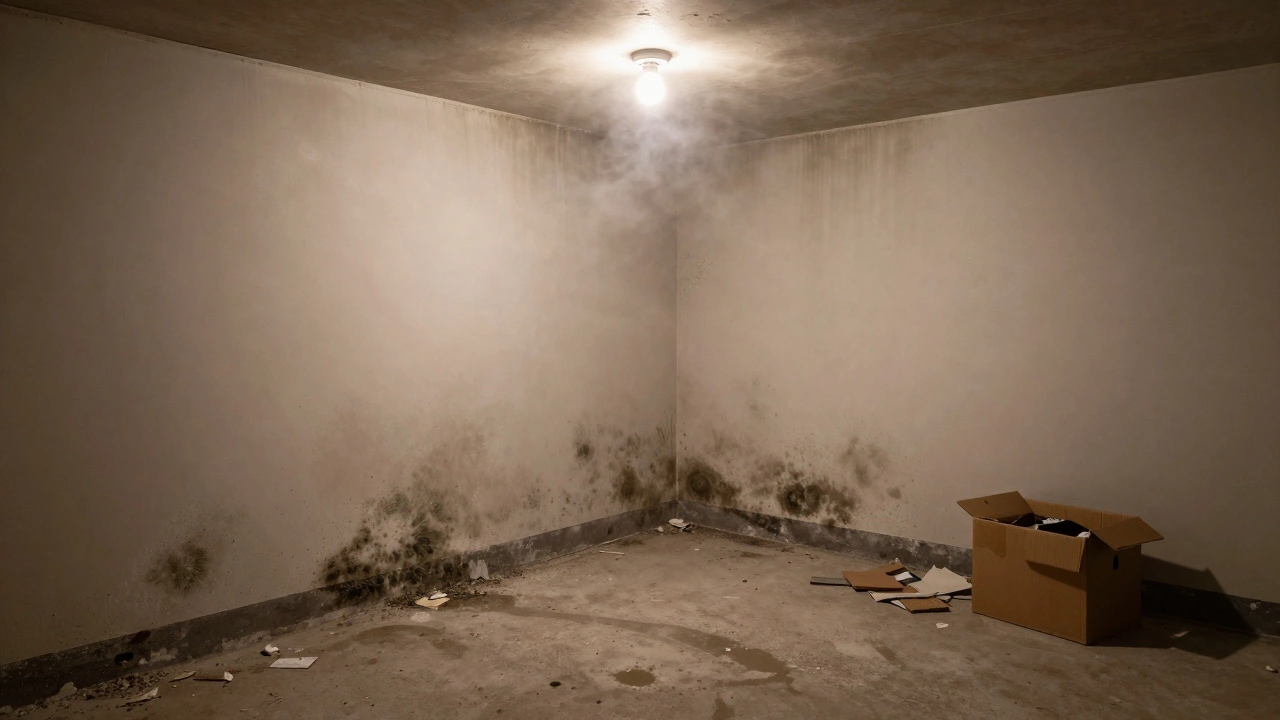
When you move into a mold in new homes, a common issue in recently built properties where moisture gets trapped during construction. It's not always about leaks—it's often about timing, materials, and how fast the house was finished. Many people assume new means perfect, but if the plaster, insulation, or wood didn’t dry properly before walls were sealed, mold starts growing behind the scenes. This isn’t just a cosmetic problem. It can trigger allergies, damage drywall, and even void your builder’s warranty if not caught early.
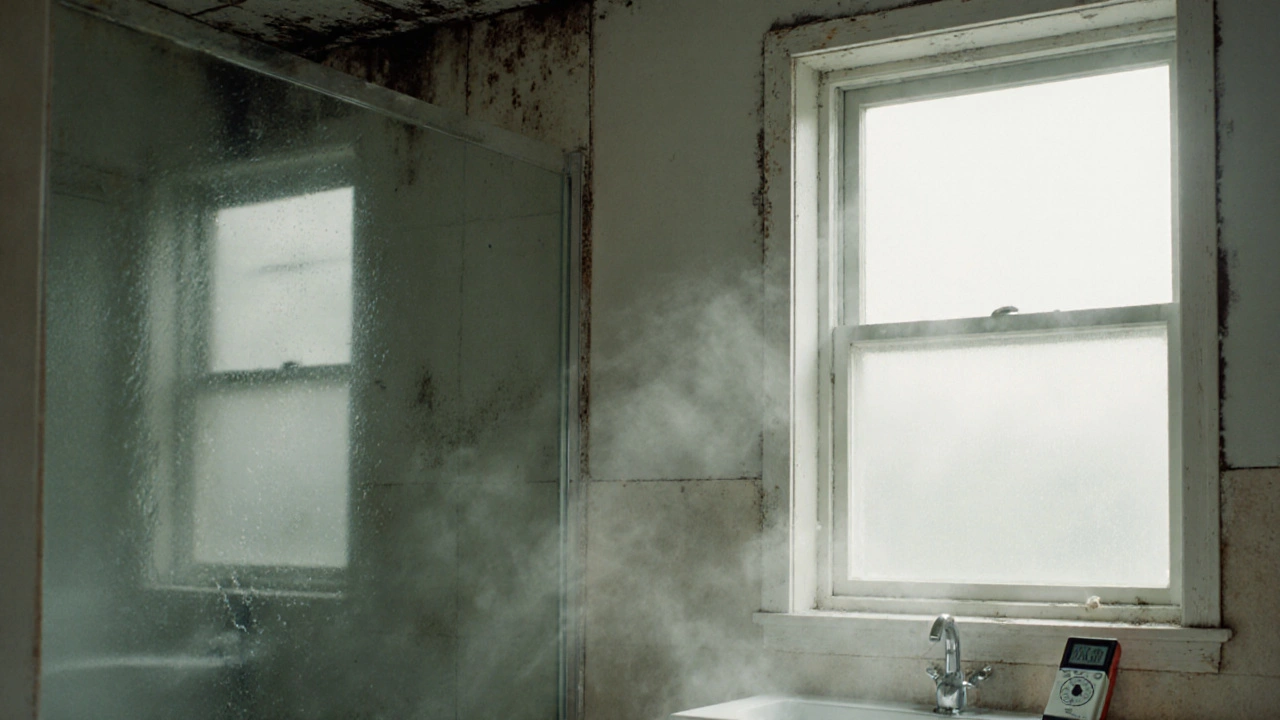
new build, a recently constructed home still settling and drying out after completion needs at least six to twelve months before you hang wallpaper or install expensive finishes. Rushing this process traps moisture inside. Builders often rush to meet deadlines, especially in high-demand areas, and skip proper ventilation. That’s why you’ll see condensation on windows, musty smells in corners, or black spots behind cabinets—classic signs of dampness in new homes, excess moisture trapped in walls, floors, or ceilings during or after construction. It’s not always the homeowner’s fault. Sometimes it’s poor site drainage, lack of vapor barriers, or using wet timber that hasn’t acclimated.
What makes this worse is that mold thrives in hidden places—under flooring, inside wall cavities, behind bathroom tiles. You might not see it until it’s too late. And if you try to clean it yourself with bleach, you’re only removing the surface. The roots stay behind, feeding on the moisture trapped in the structure. That’s why professional assessment matters. If your builder promised a 10-year warranty, mold could be a covered defect—if you document it early and report it in writing.
There’s a clear link between building defects, structural or material flaws that compromise a home’s safety, durability, or performance and mold. Poor ventilation systems, inadequate insulation, or incorrect sealing around windows and pipes all create the perfect storm. These aren’t random mistakes—they’re repeat issues in fast-tracked developments. You don’t need to live with it. Know your rights. Take photos. Keep a log of when you notice dampness or smell. And don’t wait for visible mold to act—early signs are your best chance to fix it without major repairs.
The posts below cover real cases from UK homeowners who dealt with mold after moving in. Some found it in their bathrooms. Others discovered it under new kitchens or behind freshly painted walls. Each story shows how timing, communication with builders, and understanding warranty terms made all the difference. You’ll learn what steps actually work, what contractors try to hide, and how to avoid becoming another statistic. This isn’t about fear—it’s about knowing what to look for, when to act, and how to protect your biggest investment.