New Build Mold: What Causes It and How to Fix It
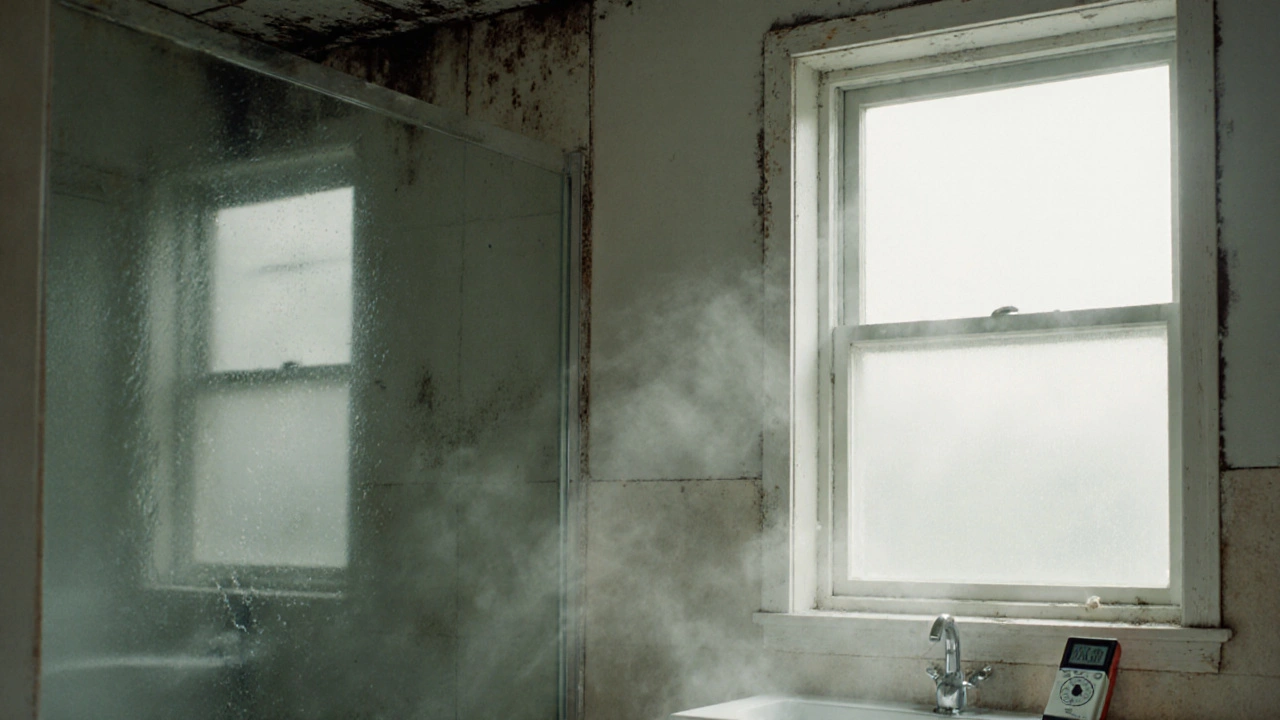
When you move into a new build mold, a type of fungal growth that appears on walls, ceilings, or corners in newly constructed homes due to excess moisture during or after building. It’s not always a sign of poor maintenance—it’s often built in. New homes aren’t dry when they’re finished. Plaster, paint, and insulation hold water for months. Without proper ventilation, that moisture turns into condensation in new homes, the invisible water vapor that collects on cold surfaces like windows, corners, and behind furniture, creating the perfect environment for mold to grow. You might see black spots near windows, musty smells in bathrooms, or peeling wallpaper—these aren’t just cleaning issues. They’re symptoms of a drying problem.
Most builders don’t wait for the house to fully dry before handing over the keys. They’re on a schedule. But if you start decorating too soon—putting up wallpaper, sealing rooms, or turning off vents—you trap that moisture inside. The result? new construction defects, visible or hidden flaws in a newly built property that arise from rushed work, poor materials, or lack of drying time. Mold is one of the most common. And it’s often covered under your builder’s warranty—if you catch it early. The builder's warranty, a legal guarantee provided by homebuilders that covers structural and material defects for a set period after completion typically includes mold caused by construction moisture, but not mold from your own actions like blocking vents or running humidifiers nonstop. Know the difference.
What you can do right now? Open windows. Run extractor fans. Don’t cover radiators. Avoid hanging wet towels on walls. Wait at least six months before hanging heavy wallpaper or sealing rooms completely. If you see mold before then, take photos, note where it is, and contact your builder immediately. Most won’t fix it unless you ask. And if they say it’s your fault? Get a second opinion. Mold in a new build isn’t normal. It’s a sign something went wrong during construction—and you have rights.
Below, you’ll find real advice from homeowners who’ve dealt with this exact problem—what worked, what didn’t, and how to make sure your new home doesn’t become a mold problem waiting to happen.